
Gut Microbiome Test: How It Works, Benefits, Results and Limits
A practical guide explaining what a gut microbiome test is, how it works, what results mean, who may benefit, its limits, preparation steps, red flags, and what to do after testing.
Quick Answer
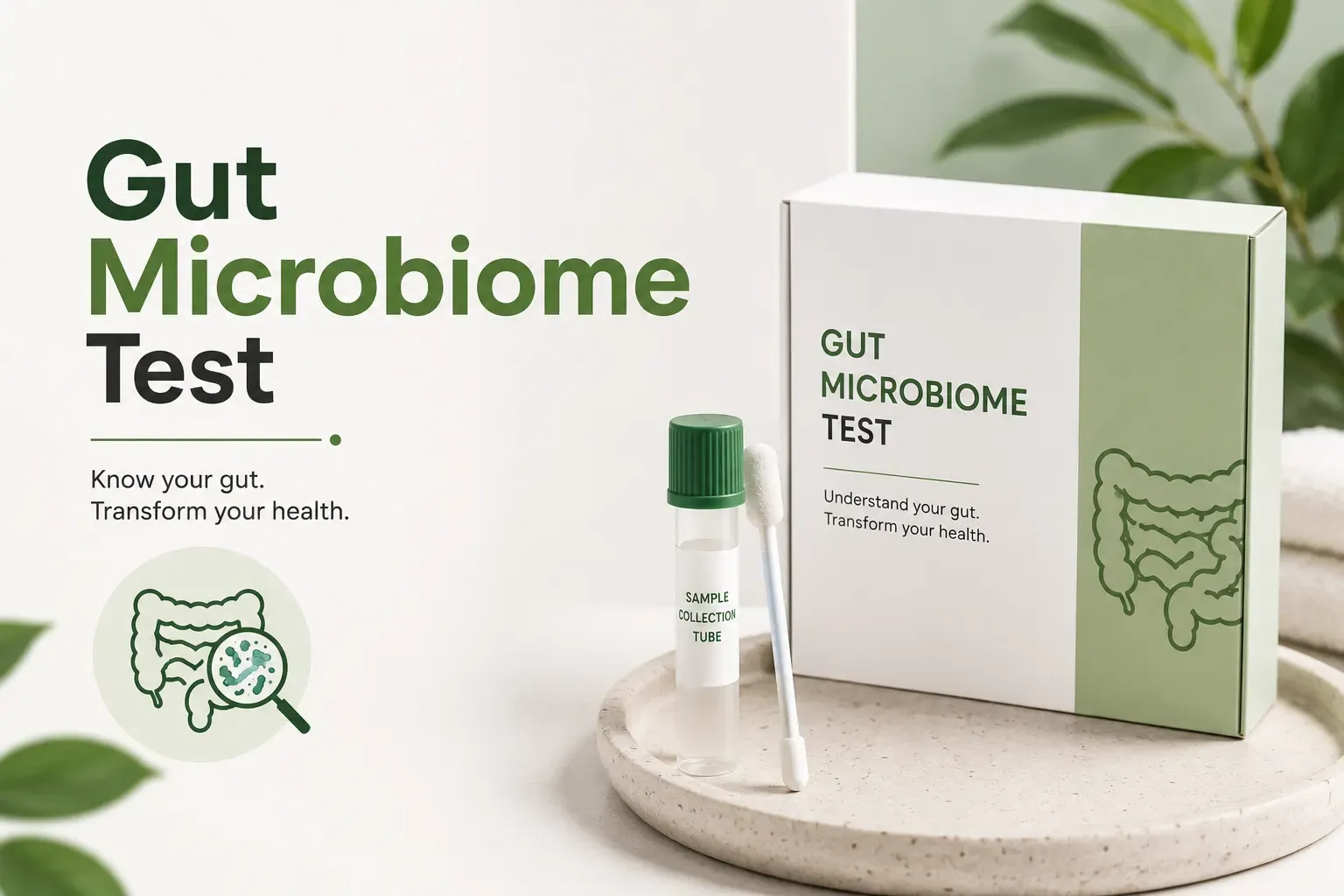
A gut microbiome test usually studies microbes present in a stool sample to understand the balance of bacteria and other microorganisms in your gut. It may show microbial diversity, common bacterial groups, and patterns that can help guide diet and gut-health discussions, but it should not be treated as a standalone diagnosis.
- Most gut microbiome tests use stool samples collected at home and analysed in a lab.
- Reports may include diversity score, bacterial groups, possible dysbiosis patterns, and diet suggestions.
- Results are most useful when combined with symptoms, medical history, food habits, bowel pattern, and clinician guidance.
- Severe pain, blood in stool, persistent diarrhoea, fever, weight loss, or dehydration need medical care instead of only home testing.
A gut microbiome test analyses microorganisms present in your digestive tract, mainly through a stool sample. The report may describe which microbial groups are present, how diverse your gut ecosystem looks, and whether your gut pattern suggests imbalance.
These tests are becoming popular because the gut microbiome is linked with digestion, immune function, metabolism, bowel habits, inflammation, and overall wellness. However, interpretation matters. A microbiome report is a snapshot of your gut at one point in time, not a final diagnosis by itself.
What Is a Gut Microbiome Test?
A gut microbiome test is a stool-based test that studies the microorganisms living in your gut. Depending on the test method, it may identify bacteria at genus or species level, estimate microbial diversity, and show patterns that may be linked with digestive symptoms.
The gut microbiome includes bacteria, fungi, viruses, and other microbes that live mainly in the large intestine. A healthy gut microbiome is usually diverse, stable, and able to support digestion, gut barrier function, and immune balance.
What Is Dysbiosis?
Dysbiosis means an imbalance in the gut microbiome. This can happen when beneficial microbes reduce, opportunistic microbes increase, or overall diversity becomes low. Antibiotic use, low-fibre diets, chronic stress, poor sleep, infections, and frequent highly processed foods may contribute to dysbiosis.
If you are new to the basics, Mool Health’s guide on what is gut health explains how digestion, immunity, bowel habits, and daily lifestyle are connected.
What Can a Gut Microbiome Test Tell You?
A gut microbiome test can help you understand patterns in your gut ecosystem. The exact output depends on the test provider and technology used.
| Report Element | What It Means | How It May Help |
|---|---|---|
| Microbial diversity | How many different types of microbes are present | Low diversity may suggest poor diet variety, recent antibiotics, or gut imbalance |
| Bacterial groups | Relative presence of common gut bacteria | May help identify patterns linked with digestion, fermentation, or inflammation |
| Possible dysbiosis pattern | Signs of imbalance between beneficial and opportunistic microbes | Can guide food, fibre, prebiotic, or probiotic discussions |
| Diet suggestions | Food changes based on your reported pattern | May help create a more personalised gut-health plan |
| Follow-up comparison | Changes between two tests taken months apart | Can show whether diet and lifestyle changes are moving in the right direction |
What a Gut Microbiome Test Cannot Do
It is important to understand the limitations before spending money on a test. A gut microbiome test can be useful for insight, but it is not a replacement for medical evaluation.
- It cannot diagnose every digestive disease by itself.
- It cannot confirm the exact cause of pain, bleeding, fever, or weight loss.
- It cannot replace stool culture, blood tests, breath tests, colonoscopy, or doctor evaluation when these are needed.
- It cannot guarantee that a probiotic or supplement will work for every person.
- It may vary between labs because sample handling, sequencing method, and report algorithms differ.
If you have long-term symptoms such as chronic bloating, constipation, diarrhoea, cramps, reflux, or sudden bowel changes, the test should be interpreted along with your full symptom history.
How Does a Gut Microbiome Test Work?
Most gut microbiome tests use a stool sample because stool contains microbial DNA from the digestive tract. The sample is processed in a laboratory and compared with microbial reference databases to create a report.
Step-by-Step Process
- Order or receive the kit: The kit usually contains a sample tube, collection tool, instructions, and return packaging.
- Collect the stool sample: A small sample is collected at home using the tools provided.
- Seal the sample properly: Some kits include a stabilising liquid that helps preserve microbial DNA during transit.
- Send it to the lab: The sample is shipped or picked up as per the provider’s instructions.
- Lab processing: The lab extracts microbial DNA and analyses it using sequencing or targeted testing methods.
- Report generation: The report may show diversity, microbial groups, possible imbalance, and suggested diet or lifestyle changes.
- Interpretation: Results should be reviewed in context, especially if you have ongoing symptoms or medical conditions.
Common Testing Methods
| Test Type | What It Checks | Best Used For | Important Limitation |
|---|---|---|---|
| 16S rRNA sequencing | Mainly bacterial groups | General microbiome overview | May not identify all microbes or functions in detail |
| Shotgun metagenomics | Bacteria, fungi, viruses, genes, and possible functions | More detailed profiling | Usually costlier and still needs expert interpretation |
| PCR pathogen panel | Specific infection-causing organisms | Suspected infection or acute diarrhoea | Not a full microbiome balance test |
| Stool culture | Selected bacteria that grow in culture | Certain suspected infections | Does not show overall microbiome diversity |
Gut Microbiome Test in India: How to Get Tested
In India, many gut microbiome tests are available through home collection kits or lab-linked providers. Before choosing one, check what technology is used, what the report includes, whether there is expert interpretation, and whether the recommendations are realistic.
Before You Book the Test
- Check if the test is for general microbiome profiling or only for pathogens.
- Ask whether the report includes diet guidance, symptom correlation, or only raw microbial names.
- Check whether you can speak to a doctor, nutritionist, or trained gut-health expert after the report.
- Avoid testing during an acute stomach infection because it may not represent your usual gut pattern.
- Tell the provider if you recently took antibiotics, probiotics, laxatives, or major diet changes.
Sample Collection Best Practices
- Follow the kit instructions exactly.
- Collect the sample without contamination from toilet cleaner, urine, or water.
- Seal the sample tube tightly.
- Return the sample within the recommended time window.
- Do not start a new restrictive diet just before the test unless your doctor advises it.
Who May Benefit From a Gut Microbiome Test?
A gut microbiome test may be useful for people who want a deeper understanding of their gut pattern, especially when symptoms keep recurring despite basic diet and lifestyle changes.
| Use Case | Why Testing May Help | What Else Should Be Checked? |
|---|---|---|
| Frequent bloating or gas | May show fermentation or diversity patterns | Food triggers, constipation, meal timing, stress |
| IBS-like symptoms | May support gut-pattern understanding | Doctor diagnosis, red flags, bowel pattern history |
| Post-antibiotic gut issues | May show reduced diversity or imbalance | Antibiotic timeline, diet, probiotic tolerance |
| Irregular bowel habits | May help connect symptoms with gut ecosystem patterns | Hydration, fibre intake, thyroid or other medical causes if needed |
| General gut-health tracking | May provide a baseline for future comparison | Diet quality, sleep, stress, physical activity |
For people with IBS-like symptoms, it is still important to understand IBS symptoms properly, because microbiome results alone cannot confirm IBS.
Gut Microbiome Test for Diarrhoea, Constipation and Bloating
Digestive symptoms often overlap. A person may have bloating with constipation, diarrhoea after certain foods, or alternating bowel habits. A microbiome test can add one layer of information, but the symptom pattern is still central.
- In recurrent diarrhoea, the priority is hydration, red-flag screening, and identifying infection, food intolerance, or medication triggers.
- In constipation, fibre, water intake, movement, stool consistency, and medication history matter as much as microbiome balance.
- In bloating, fast eating, gas-forming foods, stress, lactose intolerance, constipation, and gut sensitivity should all be considered.
Gut Microbiome Test Results: What to Expect
Your report may look technical at first. Instead of focusing only on one bacterial name, look at the overall pattern and practical recommendations.
Common Report Sections
- Diversity score: Indicates how varied your gut microbes appear in the sample.
- Dominant bacterial groups: Shows which groups are relatively high or low.
- Beneficial microbes: May mention groups linked with fibre fermentation and gut barrier support.
- Potentially concerning patterns: Some reports flag overgrowth or inflammation-associated patterns.
- Food suggestions: May recommend fibre sources, fermented foods, prebiotic foods, or temporary trigger reduction.
How to Read Results Sensibly
- Do not panic if one microbe is marked high or low.
- Do not start multiple supplements at once without guidance.
- Compare results with your actual symptoms.
- Track bowel habits, bloating, food triggers, sleep, stress, and energy for a few weeks.
- Discuss persistent symptoms with a healthcare professional.
How to Improve Gut Microbiome After Testing
The most useful part of testing is what you do after it. For most people, the foundation is still food quality, fibre diversity, sleep, stress management, movement, and consistency.
Practical Steps
- Increase fibre slowly: Add fruits, vegetables, legumes, oats, seeds, and whole grains gradually to avoid sudden gas.
- Add fermented foods if tolerated: Curd, buttermilk, idli, dosa, kanji, and other fermented foods may support microbial diversity.
- Reduce ultra-processed foods: Frequent high-sugar and high-fat packaged foods can affect gut balance.
- Sleep consistently: Irregular sleep can affect appetite, stress hormones, and digestion.
- Move daily: Walking and exercise support bowel movement and gut motility.
- Manage stress: Stress can change gut sensitivity and bowel habits. Gentle yoga for digestion may help some people build a calmer routine.
For broader daily habits, Mool Health’s guide on how to improve digestion can help you build a practical routine.
Gut Microbiome Test vs Other Gut Health Tests
A gut microbiome test is only one option. Depending on your symptoms, another test may be more appropriate.
| Test | What It Checks | When It Is More Useful |
|---|---|---|
| Gut microbiome test | Microbial diversity and balance patterns | General gut-health insight and long-term tracking |
| Stool routine or culture | Infection, parasites, blood, mucus, selected organisms | Acute diarrhoea, fever, blood, suspected infection |
| Blood tests | Anaemia, inflammation, thyroid, nutrients, infection markers | Fatigue, weight loss, chronic symptoms, systemic concerns |
| Hydrogen breath test | Gas production pattern linked to lactose intolerance or SIBO | Specific bloating, gas, and intolerance suspicion |
| Endoscopy or colonoscopy | Direct view of digestive tract lining | Red flags, bleeding, weight loss, persistent unexplained symptoms |
When Should You See a Doctor Instead of Relying on a Test?
Do not rely only on a microbiome test if symptoms are severe, sudden, or worsening. Seek medical care if you notice:
- Blood in stool or black stool
- Unexplained weight loss
- Persistent fever
- Severe abdominal pain
- Repeated vomiting or dehydration
- Diarrhoea lasting more than a few days
- New bowel changes after age 45
- Family history of IBD, colon cancer, or serious gut disease
Mool Health’s Perspective on Gut Microbiome Testing
At Mool Health, we believe gut testing should help people understand patterns, not create fear from isolated numbers. Your symptoms, food habits, bowel routine, stress, sleep, and medical history are just as important as any report.
Mool Health’s Free Gut Test helps you review your symptoms and lifestyle patterns so you can understand what may be affecting your digestion. It is a simple starting point for people dealing with bloating, irregular bowel habits, acidity, gut discomfort, or food-related symptoms.
Confused About Your Gut Symptoms? Start With a Simple Gut Check
Before jumping into expensive tests or random supplements, understand your symptoms, food patterns, bowel habits, and lifestyle triggers with Mool Health’s free gut health test.
Medical Disclaimer
This content is for informational purposes only and does not replace professional medical advice, diagnosis, or treatment. A gut microbiome test should not be used as the only basis for diagnosing or treating a medical condition. If you have severe abdominal pain, blood in stool, black stool, persistent diarrhoea, vomiting, fever, dehydration, unexplained weight loss, or sudden bowel changes, consult a qualified healthcare professional.
Key Takeaways
- A gut microbiome test can give insight into microbial diversity and gut-balance patterns.
- It is usually stool-based, non-invasive, and home-collection friendly.
- It should not be treated as a standalone diagnosis.
- Results are most helpful when combined with symptoms, food habits, stress, sleep, medications, and clinician guidance.
- Diet diversity, fibre, fermented foods, sleep, movement, and stress management remain the foundation of gut-health improvement.
Your gut is unique your healing should be too.

FAQs
A gut microbiome test is usually a stool-based test that studies microbes in your digestive tract. It may show microbial diversity, bacterial groups, and possible gut-imbalance patterns.
It can provide useful insight, but accuracy and interpretation depend on sample quality, lab method, sequencing technology, database, and reporting standards. It should not be used as a standalone diagnosis.
No. IBS is diagnosed using symptoms, medical history, and exclusion of red flags or other conditions. A microbiome test may add context, but it cannot confirm IBS by itself.
Follow the kit instructions, avoid sample contamination, return the sample on time, and tell the provider about recent antibiotics, probiotics, laxatives, illness, or major diet changes.
It may help identify gut-balance patterns, but bloating can also be caused by fast eating, constipation, lactose intolerance, stress, hormonal changes, or gut sensitivity. Symptoms should be evaluated together.
Start with practical changes such as fibre diversity, fermented foods if tolerated, better sleep, regular movement, and stress management. Avoid starting multiple supplements without expert guidance.
Disclaimer
The content provided by Mool Health is for educational and informational purposes only and should not be considered a substitute for professional medical advice, diagnosis, or treatment.