
Intestinal Worms: Symptoms, Causes, and Treatment
Intestinal Worms are parasitic infections that can affect digestion and overall health. Learn about their symptoms, causes, types, diagnostic tests, treatment options, and prevention tips for maintaining gut health.
Ayurvedic Physician & Medical Operations Lead at Mool
Published on 2,September 2026
Updated on 2,September 2026
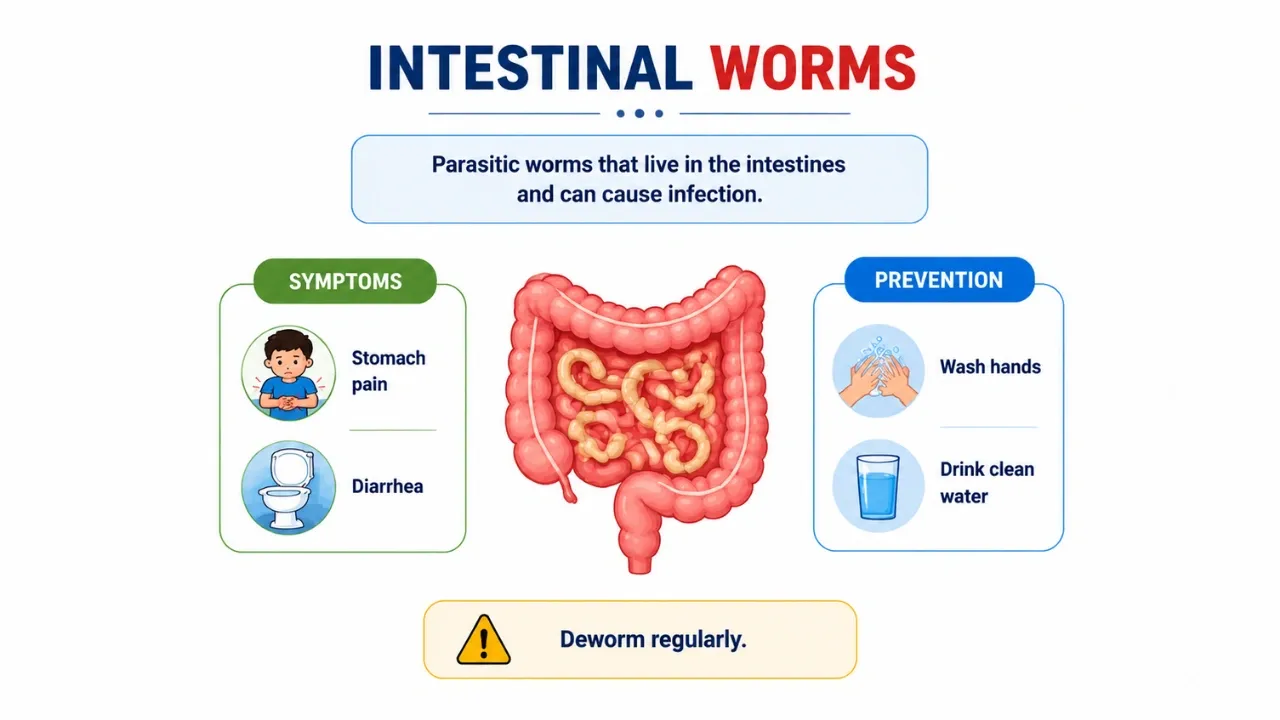
Quick Answer
Intestinal worms are parasitic worms that can live in your digestive tract and affect your health in different ways. Some infections cause noticeable digestive symptoms, while others may cause few or no symptoms at all. You can become infected through contaminated food, water or soil, depending on the type of worm. Most intestinal worm infections can be treated with appropriate medication, but the right treatment depends on the type of parasite causing the infection.
Intestinal worms are parasitic worms that can live in your digestive tract and affect your health in different ways. Some infections cause noticeable digestive symptoms, while others may cause few or no symptoms at all.
You can become infected through contaminated food, water or soil, depending on the type of worm. Children may be particularly exposed because of their contact with soil and their tendency to put their hands or objects in their mouths.
The good news is that most intestinal worm infections can be treated with appropriate medication. Understanding the intestinal worms' symptoms, causes, and ways they spread can help you recognise when you may need medical attention and take steps to prevent reinfection.
What Are Intestinal Worms?
Intestinal worms are parasitic worms that live in the gastrointestinal tract of an infected person. They survive by obtaining nutrients from the host and, depending on the type of worm, may remain in the intestine for months or even longer without treatment.
The term intestinal worms covers several different parasites. Roundworms, hookworms, whipworms, pinworms and tapeworms are among the types that can affect humans.
The symptoms and treatment can vary considerably depending on the specific parasite. This is why identifying the type of infection is important before choosing treatment.
What Are Intestinal Worm Infections?
An intestinal worm infection occurs when worm eggs, larvae or other infectious forms enter your body and eventually develop into parasites in your digestive system.
Soil-transmitted worms can spread when you accidentally swallow microscopic eggs present in contaminated soil, food or water. Hookworm larvae can also enter your body through the skin when you walk barefoot on contaminated soil.
Some worms have different routes of transmission. Certain tapeworm infections, for example, can occur after consuming infected or undercooked meat or fish. Your risk therefore depends on the type of parasite and your exposure to its source.
Which Types of Intestinal Worms Can Affect You?
Each type has a different life cycle, route of transmission and treatment approach. The table shows some of the more common intestinal worms:
| Intestinal worm | Key point |
|---|---|
| Roundworms | Common soil-transmitted worm |
| Hookworms | Attach to the intestine and may cause blood loss |
| Whipworms | Live in the large intestine and may cause digestive symptoms |
| Pinworms | Common in children; cause nighttime anal itching |
| Tapeworms | Flat, segmented worms often linked to contaminated or undercooked food |
What Are the Symptoms of Intestinal Worms?
Not everyone with intestinal worms develops symptoms. Mild infections may cause no obvious signs, while heavier infections can affect digestion, nutrition and overall health. The symptoms can also vary depending on the type of worm.
What Are the Common Intestinal Worms Symptoms?
Some common intestinal worms symptoms may include:
- Abdominal pain or discomfort
- Diarrhoea, nausea, or bloating
- Changes in bowel habits
- Reduced appetite
- Tiredness or weakness
- Unexplained weight loss
- Itching around the anus, particularly at night
- Worms or worm segments visible in the stool
Some infections can cause more specific problems. For example, pinworms commonly cause nighttime anal itching, while hookworms can cause blood loss and contribute to anaemia.
Heavy infections with certain intestinal worms may also affect nutritional status and growth in children.
However, these symptoms are not unique to worm infections. Abdominal pain, diarrhoea or tiredness can have many possible causes, so you should not assume that you have intestinal worms based on symptoms alone.
What Causes Intestinal Worms?
The main cause of an intestinal worm infection is exposure to the parasite, its eggs or its larvae. Depending on the worm, you may become infected by:
- Eating food contaminated with worm eggs
- Drinking contaminated water
- Accidentally swallowing contaminated soil
- Eating inadequately cooked infected meat or fish
- Walking barefoot on contaminated soil
- Coming into close contact with someone who has an infection that spreads easily between people
Poor sanitation can increase the spread of certain intestinal worms. When infected human waste contaminates soil or water, worm eggs can enter the environment and subsequently infect other people.
Your risk can also increase if you do not wash your hands after using the toilet or before eating, or if food is not washed and prepared safely.
Intestinal Worms in Kids: What Should You Know?
Children can be more vulnerable to intestinal worm infections because they often play in soil, have frequent contact with potentially contaminated surfaces and may put their hands or objects in their mouths.
In areas where soil-transmitted worm infections are common, children may also be included in public-health deworming programmes.
What Are the Symptoms of Intestinal Worms in Kids?
Some children may have no symptoms at all. The common symptoms of intestinal worms in kids can include:
- Abdominal pain or discomfort
- Diarrhoea
- Nausea
- Reduced appetite
- Tiredness or weakness
- Itching around the anus, especially at night
- Poor weight gain or growth
- Visible worms or worm segments in the stool
A child with persistent digestive symptoms does not necessarily have intestinal worms. Other infections, food-related problems and gastrointestinal conditions can cause similar symptoms.
When Should You Take Your Child for Testing?
Consider speaking with a doctor if your child has persistent digestive symptoms, unexplained weight or growth concerns, ongoing weakness, significant nighttime anal itching or visible worms in their stool.
Testing may not be necessary in every case. Your child's symptoms, age, exposure history and the type of worm suspected will help determine whether testing is appropriate.
How Are Intestinal Worms Diagnosed?
Your healthcare professional may use your symptoms and exposure history to determine whether you could have a worm infection. The table shows some common tests to diagnose intestinal worms:
| Test | What it checks |
|---|---|
| Stool examination | Looks for worm eggs, larvae or other signs of intestinal parasites |
| Tape test | Checks for pinworm eggs around the anus, usually collected in the morning |
| Other tests | May be recommended based on the suspected parasite and symptoms |
Because many intestinal worms symptoms overlap with other digestive conditions, testing can help identify the actual cause rather than relying on symptoms alone.
What Is the Treatment for Intestinal Worms?
Intestinal worms treatment depends on the type of parasite causing the infection. The medicine, dose and treatment duration depend on the type of worm, age and individual factors.
- Antiparasitic medicines (anthelmintics) are commonly used to eliminate intestinal worms.
- Albendazole and mebendazole are used for several soil-transmitted worm infections, while other parasites may need different medicines.
You should therefore avoid repeatedly taking deworming medicines without knowing whether they are appropriate for you. If you are treating a child, are pregnant or have other health concerns, seek professional advice before taking medication.
How to Get Rid of Intestinal Worms?
The best way to get rid of intestinal worms is to identify the likely parasite and use the appropriate treatment. Trying to treat every type of worm in the same way can be ineffective because different parasites respond to different medicines.
Can Intestinal Worms Go Away on Their Own?
Some infections like intestinal worms can persist for long periods without treatment. Depending on the parasite and severity, an infection may contribute to nutritional deficiencies, anaemia, impaired growth or other complications.
If you suspect intestinal worms, especially if you have persistent symptoms or see worms in your stool, seek appropriate medical advice.
What Should You Do After Taking Treatment?
After treatment, you should continue practising good hygiene to reduce the chance of reinfection.
- Wash your hands regularly, keep your nails short and clean, wash food thoroughly and use safe drinking water.
- Wash clothing and bedding appropriately when recommended, particularly when dealing with an infection that can spread between household members.
- Follow the treatment instructions provided to you and complete the recommended course rather than stopping early because your symptoms have improved.
Home Remedies for Intestinal Worms: Do They Work?
You may find many claims online about home remedies for intestinal worms, including garlic, pumpkin seeds, herbal preparations and specific drinks or foods.
While some of these foods can form part of a balanced diet, there is limited evidence that commonly promoted home remedies can reliably eliminate an established intestinal worm infection.
Some home practices can, however, help prevent infection or reinfection. Washing your hands, keeping your nails clean, using safe water and practising good food hygiene can reduce your exposure to worm eggs and larvae.
You can continue eating a varied, nutritious diet while following the treatment recommended for your infection. However, you should not rely on diet alone to treat a confirmed infection. Identifying the cause of a worm infection is more useful than relying on a specific food or drink.
How Can You Prevent Intestinal Worms?
You can reduce your risk of intestinal worm infections by paying attention to everyday hygiene, food safety and sanitation. The table shows some common prevention techniques to avoid getting intestinal worms:
| Prevention habit | What to do |
|---|---|
| Wash your hands | Use soap and water after using the toilet, handling soil, and before eating or preparing food. |
| Drink safe water | Drink water from a safe source and follow local guidance if water safety is uncertain. |
| Wash and cook food | Wash fruits and vegetables well and cook meat and fish properly. |
| Keep nails short | Trim nails regularly and keep them clean to reduce the chance of transferring worm eggs to your mouth. |
| Wear footwear outdoors | Wear shoes to reduce contact with contaminated soil and protect against parasites such as hookworms. |
| Maintain household hygiene | Keep toilets and bathrooms clean, and wash clothing and bedding regularly. |
| Follow deworming advice | In high-risk areas, follow local health recommendations rather than taking deworming medicine unnecessarily. |
When Should You See a Doctor for Intestinal Worms?
You should speak with a doctor if you have persistent abdominal pain, diarrhoea, unexplained weight loss, ongoing weakness or repeated digestive symptoms.
You should also seek advice from a healthcare professional if you notice worms or worm segments in your stool or if you suspect that your child has an intestinal worm infection.
Seek prompt medical attention if you develop severe abdominal pain, persistent vomiting, significant weakness, blood in your stool or other concerning symptoms.
Understand Your Gut Health Better
Persistent digestive symptoms can have several possible causes. Take a simple next step towards understanding your gut health and identifying what may be contributing to your symptoms.
Mool Health’s Perspective on Intestinal Worms
Mool Health focuses on identifying the cause rather than relying only on intestinal worms home remedies. The Mool Health Gut Test provides customised kits and appropriate treatment that can help eliminate gut health issues.
Intestinal worms are common parasitic infections, but not every digestive symptom means you have worms. Everyday habits such as handwashing, safe food and water practices and good sanitation can reduce your risk of reinfection. Since different parasites can cause different symptoms and require different treatments, getting the right diagnosis matters.
References
Albendazole and Mebendazole as Anti-Parasitic and Anti-Cancer Agents: an Update doi: 10.3347/kjp.2021.59.3.189 https://pmc.ncbi.nlm.nih.gov/articles/PMC8255490/
World Health Organisation. Soil-transmitted helminthiases. https://www.who.int/news-room/fact-sheets/detail/soil-transmitted-helminth-infections
World Health Organisation. Soil-transmitted helminths: Questions and Answers. https://www.who.int/news-room/questions-and-answers/item/soil-transmitted-helminths
World Health Organisation. Control strategy for soil-transmitted helminthiases. https://www.who.int/teams/control-of-neglected-tropical-diseases/soil-transmitted-helminthiases/control-strategy
Centers for Disease Control and Prevention. About Soil-Transmitted Helminths. https://www.cdc.gov/sth/about/index.html
Centers for Disease Control and Prevention. Pinworm Infection. https://www.cdc.gov/pinworm/about/index.html
Key Takeaways
Intestinal Worms are parasitic infections that can affect digestion and overall health. Learn about their symptoms, causes, types, diagnostic tests, treatment options, and prevention tips for maintaining gut health.
Your gut is unique your healing should be too.

FAQs
Common symptoms can include abdominal discomfort, diarrhoea, nausea, reduced appetite, tiredness, weakness, anal itching and unexplained weight changes. Some people may not experience noticeable symptoms.
Symptoms alone cannot always confirm an infection. Depending on the suspected parasite, your healthcare professional may recommend a stool examination, tape test or another investigation.
Intestinal worms can spread through contaminated food, water or soil. Some types can also spread through undercooked infected food or by entering the skin after contact with contaminated soil.
The appropriate antiparasitic medicine depends on the type of worm. A healthcare professional can help determine the appropriate treatment.
There is no single treatment for every type of worm. Medicines such as albendazole and mebendazole are used for several soil-transmitted worm infections, while other parasites may require different medicines.
You should not assume that an intestinal worm infection will disappear without treatment. Some infections can persist and may cause complications if they become severe.
There is no proven home remedy that should replace appropriate treatment for a confirmed worm infection. Good hygiene and food safety practices can help prevent infection and reinfection.
Children can be particularly exposed to intestinal worms because of their contact with soil and surfaces and their tendency to put their hands or objects in their mouths. In areas where these infections are common, children may also be included in deworming programmes.
Heavy intestinal worm infections can contribute to reduced appetite, nutritional problems and weight or growth concerns. However, unexplained weight loss can have many causes and should be evaluated appropriately.
You can reduce your risk by washing your hands, drinking safe water, washing and cooking food properly, keeping your nails clean and short, wearing footwear outdoors and maintaining good sanitation.
Yes. You can become reinfected if you are exposed to worm eggs, larvae or other infectious forms again. Good hygiene and sanitation can help reduce this risk.
A stool examination may be used for several intestinal worm infections, but the appropriate test depends on the parasite suspected. Pinworm infections may instead be assessed using a tape test.
Treatment duration varies depending on the type of worm and the medicine used. Some infections can be treated with a short course, while others require different treatment schedules.
Not necessarily. Whether household members need testing or treatment depends on the type of worm and how easily it spreads. Follow your healthcare professional's advice rather than treating everyone automatically.
Disclaimer
The content provided by Mool Health is for educational and informational purposes only and should not be considered a substitute for professional medical advice, diagnosis, or treatment.