
What Is the Gut Microbiome? Signs of Imbalance & How to Improve It
Learn what the gut microbiome does, common signs of imbalance, causes of dysbiosis, and practical ways to support gut health naturally.
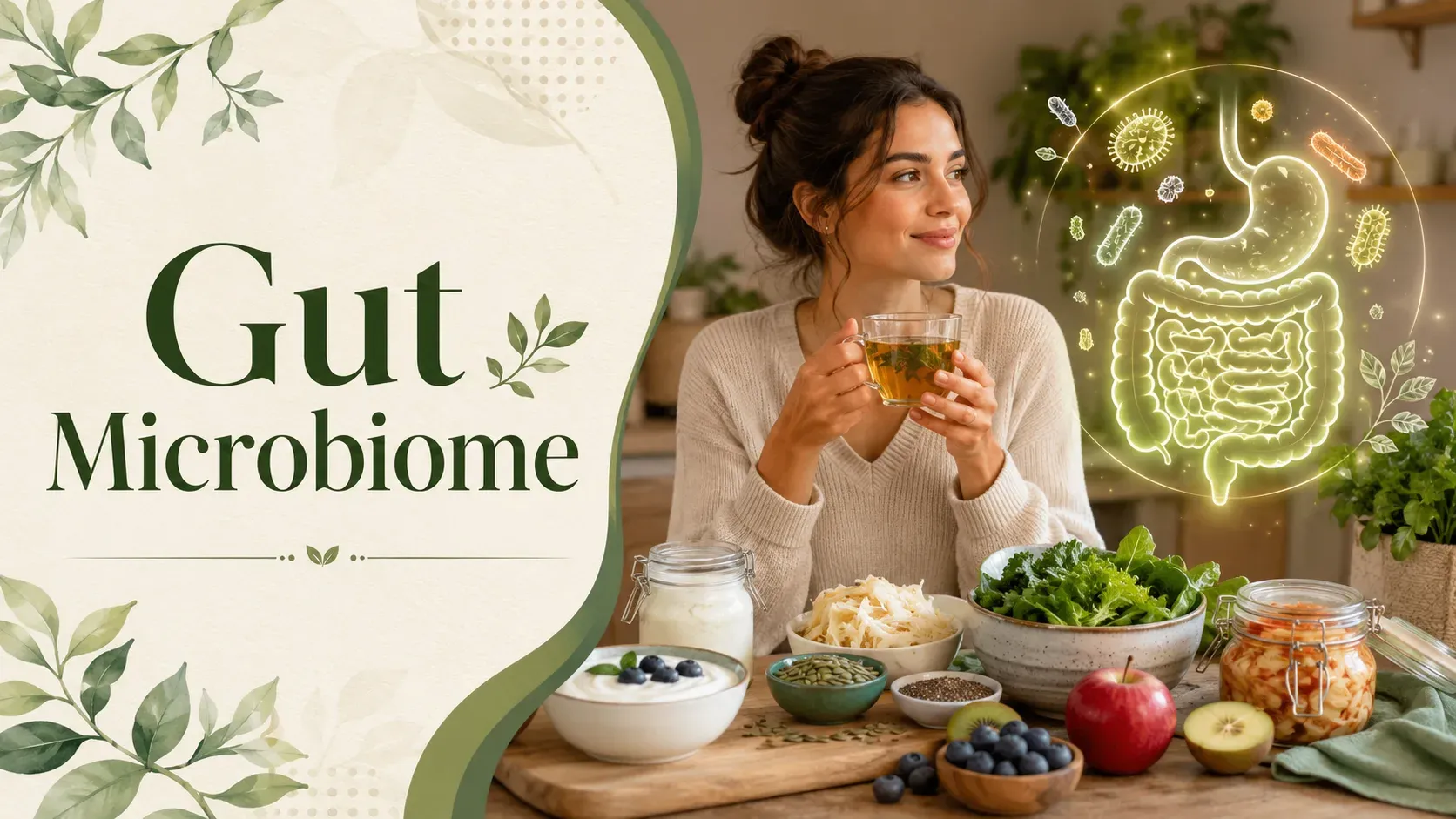
Quick Answer:
An imbalanced gut microbiome typically manifests as frequent bloating, gas, irregular bowel movements, intense sugar cravings, and fatigue. To restore balance naturally, you must diversify your diet with prebiotic fibres, fermented foods, regular movement, and targeted lifestyle shifts.
Around 70% of the body's immune cells are located within the gut-associated lymphoid tissue (GALT). These beneficial microbes help the immune system to distinguish between harmless substances and harmful pathogens and compete with disease-causing bacteria, making it harder for harmful microbes to multiply.
When the gut microbiome becomes imbalanced, the ratio of beneficial to harmful bacteria is disrupted, which affects your entire body. Digestive issues like frequent bloating, excessive gas, diarrhoea, constipation, occasional acid reflux, intense sugar cravings, mood imbalance, sleep disturbances, and frequent illness are some early indicators of gut microbiome imbalance.
For mild issues, natural strategies can help restore microbial balance, reduce inflammation, and support gut health. However, for severe or chronic gut issues, avoid self-treatment and seek a professional medical diagnosis.
What is the Gut Microbiome?
The gut microbiome functions as a complex, highly adaptable ecosystem essential for digesting food, regulating the immune system, and protecting against harmful pathogens. Every person's gut microbiome is unique. Factors such as genetics, birth method, diet, age, environment, medications, and lifestyle all shape the types of microbes living in your digestive system.
Microorganisms live throughout your digestive tract, but they are concentrated in the large intestine (colon). This part of the gut has the ideal environment required for beneficial bacteria to grow because undigested food reaches the colon.
Your digestive enzymes cannot completely break down certain types of dietary fibre. Beneficial gut bacteria ferment these indigestible fibres to produce short-chain fatty acids (SCFAs). These essential compounds support your health by performing the following functions:
- Nourishing the cells lining your colon.
- Maintaining a strong, protective gut barrier.
- Supporting regular, normal digestive function.
- Contributing to a stable, balanced gut ecosystem.
A fibre-rich diet provides these bacteria with the fuel they need to thrive.
Note: A healthy gut microbiome doesn't guarantee perfect digestive health. However, maintaining a diverse and balanced microbiome may support normal digestion, immune function, and overall well-being as part of a healthy lifestyle.
How Does the Human Gut Microbiome Work?
Your gut microbiome works around the clock to support several essential functions that keep your body healthy. Most people associate gut bacteria with digestion, but their role extends far beyond breaking down food.
The table below outlines the primary functions of a healthy gut microbiome and why they matter to your overall systemic health:
| Function | Why It Matters |
|---|---|
| Digestion | Helps break down dietary fibre and certain carbohydrates your body cannot digest on its own. |
| Nutrient absorption | Supports the absorption of nutrients and produces vitamins such as vitamin K and some B vitamins. |
| Immune health | Helps train and regulate your immune system while protecting against harmful microbes. |
| Gut barrier | Maintains the intestinal lining, reducing the risk of harmful substances entering the bloodstream. |
| Metabolism | May influence how your body processes nutrients and stores energy. |
| Gut-brain communication | Communicates with your brain through the gut-brain axis, influencing digestion, mood, and stress responses. |
What Happens When the Gut Microbiome Becomes Imbalanced?
When there is a healthy balance of beneficial and potentially harmful microorganisms, the gut microbiome works best. The healthy balance can change over time depending on various factors such as diet, stress, illness, medications, or lifestyle habits.
When beneficial microbes decrease and the harmful microbes begin to outnumber them, the condition is known as gut dysbiosis or gut microbiome imbalance.
Gut dysbiosis often develops gradually, not overnight. Many people only notice it once the digestive symptoms become frequent or when it starts affecting their daily activities.
To help you identify potential dysbiosis, here is a direct comparison between a balanced gut microbiome and an imbalanced one:
| Healthy Gut Microbiome | Gut Microbiome Imbalance (Dysbiosis) |
|---|---|
| Rich in diverse beneficial bacteria that keep the gut balanced. | Beneficial bacteria decrease, while harmful bacteria or yeast may overgrow. |
| Produces adequate short-chain fatty acids that support gut and overall health. | Produces fewer beneficial compounds, reducing support for the gut lining. |
| Maintains a strong gut lining that helps keep unwanted substances out. | The gut lining may become weaker and less effective at protecting the digestive tract. |
| Supports efficient digestion and nutrient absorption. | Digestion may become less efficient, leading to digestive discomfort in some people. |
| Helps the immune system function normally. | Immune function may be disrupted, making the body less effective at maintaining balance. |
| Usually feels comfortable, with regular bowel movements and minimal digestive symptoms. | It may cause bloating, gas, irregular bowel movements, or recurring digestive issues, though some people have no obvious symptoms initially. |
Signs Your Gut Microbiome May Be Out of Balance
While occasional digestive upset happens to everyone, chronic symptoms point to deeper microbial shifts. Watch out for these common warning signs of gut dysbiosis:
- Frequent Bloating: Experiencing a tight, swollen, or uncomfortable abdomen regularly after meals.
- Excess Gas: Dealing with chronic flatulence or burping daily, indicating altered microbial fermentation.
- Unexplained Weight Changes: Noticing sudden shifts in weight due to compromised nutrient absorption or metabolic changes.
- Constipation: An imbalanced gut microbiome may affect how quickly food moves through your digestive tract, making bowel movements less frequent or more difficult to pass.
- Diarrhoea: Loose stools that occur repeatedly can sometimes develop when harmful bacteria increase or when the normal balance of gut microbes is disrupted.
- Abdominal Discomfort: Some people experience recurring stomach cramps, pressure, or discomfort without a clear cause. While many conditions can cause abdominal pain, gut microbiome imbalance may be one contributing factor.
- Food Intolerances: You may notice that certain foods suddenly become harder to tolerate. This doesn't necessarily mean you've developed a food allergy. Instead, changes in your gut bacteria may affect how efficiently certain foods are broken down and fermented.
- Fatigue: Ongoing digestive issues can reduce nutrient absorption, directly impacting your systemic energy levels and causing chronic fatigue.
- Frequent Infections: Since your gut microbiome plays an important role in supporting immune function, an imbalance may influence how your immune system responds to everyday infections.
Some people with digestive issues also experience skin concerns such as acne, eczema, or rosacea, although the exact relationship varies between individuals.
What Causes Gut Microbiome Imbalance?
The gut microbiome changes throughout your life. While some changes happen naturally with age, others are influenced by everyday habits and environmental factors. In many cases, it's not a single cause but a combination of factors that gradually affects the balance of your gut bacteria.
If you're experiencing frequent digestive discomfort, understanding your gut health is the first step towards finding its root cause instead of repeatedly managing the symptoms.
- Poor Diet: A diet high in ultra-processed foods, added sugars, and refined carbohydrates may reduce microbial diversity over time. At the same time, eating too little fibre affects the beneficial bacteria as they get less fuel to grow.
- Frequent Antibiotic Use: Antibiotics are essential for treating bacterial infections, but they don't only target harmful bacteria. They can also reduce beneficial bacteria, temporarily altering the balance of your gut microbiome. This is why antibiotics should only be taken when prescribed by a healthcare professional.
- Chronic Stress: Long-term stress can influence digestion, gut movement, and communication between the gut and brain, all of which may contribute to changes in the gut microbiome.
- Poor Sleep: Inadequate or irregular sleep may also affect gut bacteria. Emerging research suggests that sleep and gut health influence one another in complex ways.
- Low Physical Activity: Regular exercise has been associated with greater microbial diversity and better digestive health. A sedentary lifestyle may have the opposite effect over time.
- Ageing: As you grow older, your gut microbiome naturally changes. Diversity may decline with age, making lifestyle habits even more important.
- Alcohol and Smoking: Excessive alcohol intake and smoking can negatively affect the balance of beneficial gut bacteria and may contribute to digestive inflammation.
How to Improve Your Gut Microbiome Naturally?
If you've been dealing with recurring digestive issues, you may be wondering whether it's possible to improve your gut microbiome. In many cases, your daily habits can positively influence the health and diversity of your gut microbes.
Rebalancing your digestive system requires consistent daily habits rather than overnight quick fixes. Implement these evidence-based lifestyle changes to support your gut naturally:
- Prioritise Fermented Foods: Incorporate yoghurt, kefir, or kimchi to introduce beneficial live cultures into your digestive tract.
- Feed Existing Microbes with Prebiotics: Eat garlic, onions, oats, and bananas to supply vital fuel for your good bacteria.
- Diversify Your Plant Intake: Aim for a wide variety of fruits, vegetables, grains, and nuts to encourage a highly diverse microbial ecosystem.
- Stay Physically Active: Exercising benefits more than your heart and muscles; it also supports your gut. Regular physical activity is associated with greater microbial diversity, which is generally considered a sign of a healthier gut microbiome. Even 30 minutes of moderate activity most days of the week can support your overall health.
- Prioritise Good Sleep: As poor sleep doesn't just leave you tired, it may also affect your gut microbiome. Irregular sleep patterns can influence gut bacteria, while healthy gut microbes may also play a role in supporting good-quality sleep.
- Manage Chronic Stress: Your gut and brain are closely connected through the gut-brain axis. When you're stressed, your digestive system often responds too.
- Avoid Unnecessary Antibiotic Use: It can temporarily reduce beneficial gut bacteria along with harmful ones.
- Increase Fibre-Rich Foods:Aim to include a variety of fibre-rich foods every day, like fruits, vegetables, whole grains, oats, lentils, beans, chickpeas, nuts, and seeds.
Tip: Increase your fibre intake gradually and drink enough water to minimise gas or bloating while your digestive system adjusts.
Do Gut Microbiome Supplements Work?
While some supplements may benefit certain people, there isn't a single product that works for everyone. The right choice depends on factors such as your symptoms, overall health, medical history, and diet.
The following table breaks down the main categories of gut health supplements, their primary functions, and common dietary sources:
| Supplement | What It Does | Food Sources |
|---|---|---|
| Probiotics | Provide live beneficial microorganisms | Supplements, yoghurt, kefir |
| Prebiotics | Feed existing beneficial bacteria | Garlic, onions, oats, bananas |
| Synbiotics | Combine probiotics and prebiotics | Combination supplements (or whole-food pairings like yoghurt topped with bananas). |
| Postbiotics | Contain beneficial compounds produced by bacteria | Emerging supplement category |
What is a Gut Microbiome Test?
A gut microbiome test analyses the microorganisms living in your digestive tract, usually using a stool sample. It can provide insights into microbial diversity, the types of bacteria present, and the overall balance of your gut microbiome. However, the results have limitations.
Note: Scientists are still studying how gut bacteria affect health, so these tests cannot diagnose medical conditions on their own and should be interpreted with caution.
Mool Health’s Perspective on Gut Microbiome
At Mool Health, we help you better understand your digestive health and give personalised guidance based on your symptoms and lifestyle. Our approach works to build lasting digestive health by understanding why your symptoms keep coming back rather than simply managing them whenever they appear.
Mool Health Gut Test is designed to evaluate your symptoms, dietary habits, lifestyle, and digestive patterns to help identify possible root causes. Based on this assessment, our experts create a personalised plan that may include Ayurvedic support, targeted probiotics, dietary guidance, and ongoing gut-expert support to help improve your digestive health over time.
Understand Your Gut Symptoms Better
Get a clearer view of your digestive concerns, food patterns, and everyday habits with a personalised gut health assessment.
Medical Disclaimer
This article is for informational and educational purposes only. It does not replace medical advice, diagnosis, or treatment. Please consult a qualified healthcare professional if you experience severe gut dysbiosis, have persistent digestive distress, or experience symptoms of an impaired intestinal barrier such as systemic inflammation, unexplained food intolerances, chronic lethargy, or severe, unmanaged changes in bowel habits.
Key Takeaways
Learn what the gut microbiome does, common signs of imbalance, causes of dysbiosis, and practical ways to support gut health naturally.
Your gut is unique your healing should be too.

FAQs
The seven most common warning signs of an unhealthy gut include: digestive discomfort, irregular bowel movements, unexplained weight changes, chronic fatigue, mood disturbances, skin irritations, and frequent food sensitivities.
A microbiome imbalance (dysbiosis) often shows up as chronic digestive issues, fatigue, skin problems, or mood changes. The symptoms are broad, and you need various testing and symptom-tracking methods that can help you verify the state of your gut health.
The 4 R's of gut healing are remove, replace, re-inoculate, and repair, a functional medicine framework used to address chronic digestive issues, reduce inflammation, and restore intestinal barrier function.
Balancing your gut microbiome requires diversifying your diet, limiting inflammatory triggers, and prioritising restorative lifestyle habits. You should be consuming a wide variety of plant-based foods and aiming for roughly 30 different plants a week to fuel diverse, beneficial bacteria.
Individual tolerances vary, and categorising particular food items into worst food groups may not work. However, limiting ultra-processed food, refined and added sugars, deep-fried and fatty foods, artificial sweeteners, and processed red meat may help support a healthy gut microbiome.
Disclaimer
The content provided by Mool Health is for educational and informational purposes only and should not be considered a substitute for professional medical advice, diagnosis, or treatment.