
What is Diarrhea: Symptoms, Causes, Home Remedies & Treatment
This pillar guide covers what is diarrhea, its types, diarrhea symptoms in adults, causes, home remedies, when to see a doctor, baby diarrhea, and how Mool Health helps identify the root cause.
Quick Answer
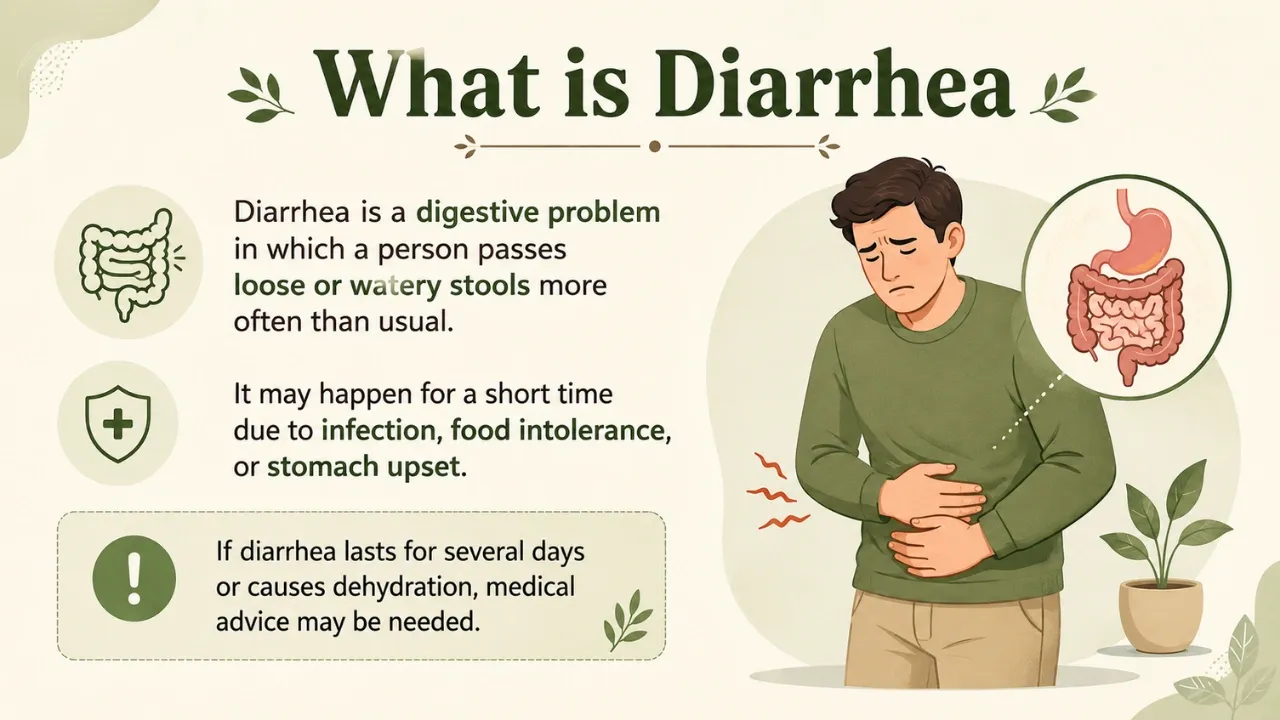
Diarrhea or loose motion is a common condition that appears in different age groups. Frequent washroom visits, stomach pain, and dehydration are some of the common diarrhea symptoms you see when suffering from the condition. Certain over-the-counter medicines and home remedies can help mitigate the symptoms. Diarrhea lasting more than 3–4 days or any unnatural symptoms like bloody stools require immediate doctor consultation. Someone with persistent loose motion should get tests done to determine the root cause. Delayed treatment can lead to serious health complications. Not being treated promptly can lead to severe health conditions. Read on to learn what diarrhea is and how you can treat it at home with home remedies or with a doctor's assistance.
Since people from various age groups deal with diarrhea at least a few times a year, the condition doesn't seem to be dangerous. While it seems like a common condition, it can be potentially harmful if not treated in time. It causes our bodies to become dehydrated due to fluid and electrolyte loss, leading to dizziness, weakness, and so on. Today, we will know what is diarrhea, its causes, symptoms, treatment and everything related to the topic, so you know what to do if it appears.
What Is Diarrhea?
Diarrhea is a common digestive condition causing people to pass loose and watery stools. It's your body's way of flushing out toxins. It can be frustrating and uncomfortable at times, leading you to visit the bathroom three to five times a day. It generally lasts a few days, but in severe cases it can last a week or two.
Types of Diarrhea
Diarrhea types are classified by duration and cause. The following are some types of diarrhea you might not be aware of.
- Acute diarrhea, which lasts for a few days.
- Persistent diarrhea lasts for 2–4 weeks
- Chronic diarrhea lasts more than 4 weeks
- Secretory diarrhea caused by infections or toxins
- Osmotic diarrhea occurs when the intestine can't absorb the substance
How Common Is Diarrhea?
Diarrhea is the most common condition, just like fever, cold, and cough. Adults experience this condition a few times a year, and children under 5 often do so due to a weaker immune system.
Symptoms of Diarrhea
The following are the common diarrhea symptoms in adults:
- Frequent loose or watery stools
- Abdominal cramps or pain
- Bloating
- Nausea and vomiting
- Fever
- Signs of dehydration include dry mouth, reduced urination and dizziness
Causes of Diarrhea
Understanding what causes diarrhea can help you effectively treat the symptoms. Diarrhea is primarily caused by infections, but here are some other diarrhea causes you must know.
- Infections
- Spicy foods
- Food intolerance, such as lactose or gluten
- Contaminated food
- Medicine side effects
- Digestive disorders like IBS
- Stress or anxiety
- Imbalance in gut health.
Home Remedies for Diarrhea
Once you notice diarrhea symptoms, your first question would be 'what is the reason for bloating and gas' and how to treat it fast. The good part is that managing diarrhea at home is possible with a few effective tips. You just need to follow these lifestyle habits.
Stay Hydrated
Preventing fluid loss is another crucial aspect when treating Diarrhea. Excessive loss of liquid through the stools will cause dehydration. Consuming ORS, coconut water for diarrhea, or even salted sugar water will help replenish the body's fluid content. Avoid taking large amounts of fluids at once, as this may lead to more stools.
Eat Light and Bland Foods
During an episode of diarrhea, you will need light foods that do not irritate your intestines. Some foods you can consume include rice, bananas, toast, khichdi, and boiled potatoes. These foods are rich in easily digestible carbohydrates, which provide the energy your body needs to recover.
Ginger Tea for Digestion
The active ingredients in ginger are useful for reducing inflammation throughout the body and promoting digestion. Taking warm ginger tea promotes proper digestion and reduces the symptoms of abdominal cramping or pain.
Curd With a Pinch of Salt
Taking curd, especially with a pinch of salt, promotes better digestion. This food provides the body with probiotics that help regulate intestinal function and electrolytes. Most people take curd with rice to increase the effectiveness.
These foods are the answer to what to eat in diarrhea. Consume these foods to treat the condition quickly and effectively.
Signs You Should Consult a Doctor for Diarrhea
Under normal conditions, bowel movements occur at regular intervals unique to your body. However, there are certain changes or symptoms that you should consult a doctor immediately. The circumstances requiring urgent medical attention are listed below.
- See the blood in your stool
- Have a high fever
- Have severe stomach pain
- Are dizzy and dehydrated
- Have diarrhea for more than 3 days
Diagnosis, Management and Treatment of Diarrhea
You can get rid of diarrhea at home by taking over-the-counter medication or following traditional remedies. If the condition remains unbearable even after following a proper diet and home remedies for a week, it's high time you consulted a doctor. To know the diarrhea causes, the doctor might:
- Do a physical examination
- Ask you if you are on any medications
- Test your stool to examine the bacteria, infection, and other parasites
- Ask you to avoid certain foods and eat bland homemade foods like khichdi, rice, and curd.
- Prescribe a probiotic medicine for diarrhea.
The doctor will prescribe the anti-diarrheal medications or antibiotics based on your diarrhea symptoms. The doctor will advise you to rest properly and avoid strenuous physical activity, as these can affect your abdomen.
Prevention of Diarrhea
If you consistently experience diarrhea, you should take our Mool Health test to identify the root cause and address it from within. Before it causes you a serious health issue, check out these tips to reduce the risk of diarrhea.
Maintain Good Hygiene
Our hands are likely to harbour bacteria due to our daily habits. Wash your hands before and after your meal, and before anything else. Eating with dirty hands can allow harmful bacteria to enter your body and cause infections.
Eat Properly Cooked Food
Eating raw or half-cooked food can also disrupt your gut health balance and intestinal function, which may result in diarrhea. Raw veggies can contain bacteria, including pathogens, which can cause stomach upset. So, cook food properly before consuming.
Avoid Problematic Food Combinations
Certain food combinations, like dairy products with fruits or high-fat foods with sugary drinks, can be causes of diarrhea. Avoid mixing different foods, as some can slow the process while others speed it up, and a mismatch can lead to stomach upset.
How to Stop Diarrhea in Babies Fast?
It can be distressing to see an infant or toddler suffer from diarrhea at such a small age, right?. Babies or kids under the age of 5 often go through diarrhea because of a poor immune system. However, as a mother, here are safe and effective tips on how to stop diarrhea in babies fast or prevent it from occurring.
- Continue breastfeeding
- Give your baby ORS
- Keep them hydrated
- Avoid feeding solid foods
- Avoid feeding your kid spicy and oily food
- Consult your doctor if the condition is severe
As a parent or caregiver, you may want to know what stops diarrhea fast naturally. The above-mentioned methods are safe and effective to prevent your child from suffering from diarrhea. Knowing how to stop diarrhea in babies fast can also prevent dehydration.
Babies usually pee multiple times a day. If the diaper stays dry for 3+ hours, it may mean the child is dehydrated. You must consult your doctor in this situation.
Can Diarrhea Cause Dehydration?
Yes, diarrhea can cause dehydration. It is a common complication of diarrhea. You lose fluids and electrolytes, which usually leads to dehydration. The condition occurs frequently in children and older adults. It is advised to take ORS to replenish your body's hydration and prevent dehydration. If you take the coconut water, it would be more beneficial to your overall health.
How to Relieve Discomfort Caused By Diarrhea?
If you have constant diarrhea, it can cause discomfort, such as pain around the anal opening. Other diarrhea symptoms also include anal itchiness and a burning sensation. To relieve the soreness, you can take a lukewarm shower or sit in a tub of lukewarm water for 5–10 minutes. Applying petroleum jelly or healing oil can also soothe a burning anus after diarrhea.
How Diarrhea Connects to Gut Health?
Your gut contains millions of microbes that help digest food, absorb nutrients, and protect against harmful bacteria. When the gut microbiome is disrupted, it can become the cause of diarrhea. Factors that disrupt gut health include inflammation, bacteria, infections, imbalances, and food intolerances. In such cases, the food remains indigestible and passes quickly, leading to frequent loose stools.
How Does Mool Health Help With Diarrhea?
Mool health focuses on identifying the root cause of gut issues rather than just treating diarrhea symptoms. Once you give the gut health test, Mool Health analyses what habits of yours may be causing the condition you are dealing with. You will receive a nutrition-filled, personalised gut health kit tailored to the root cause of your gut issue. The kit will provide long-term relief from your gut problems, unlike other medicines that offer only temporary relief.
Though being down with diarrhea is frustrating, it is entirely manageable with the right knowledge and care. Now that you know what is diarrhea and home remedies for diarrhea, you can easily treat the condition without medication. However, if you are someone who is perpetually suffering from loose motion, examining your gut health is a smart move. Take the Mool Gut Health test, know the cause, and treat the condition from within.
Frequently Asked Questions
The most common cause of diarrhea is infection from contaminated food or water. It can also be caused by spicy food or by medication with side effects.
The five main symptoms of diarrhea are loose stool, abdominal cramps, nausea, dehydration, and weakness.
Despite proper care and medication, diarrhea usually lasts 3–4 days. However, you can cure diarrhea by hydrating well and eating bland foods. You can follow the BRAT (Banana, rice, applesauce, and toast) formula to how to stop diarrhea fast.
The watery and loose stools are symptoms of diarrhea. It occurs twice, thrice, or in some cases four or more times a day.
Yes. Curd is a natural probiotic that helps restore gut bacteria and mitigates the symptoms.
You can have foods like bananas, rice, toast, applesauce, curd, boiled potatoes, oats, cooked vegetables, khichdi, carrots, bland soups, ORS, and coconut water if you are wondering what to eat during diarrhea to recover quickly.
You must avoid spicy, oily, dairy, caffeine, and sugary foods in diarrhea as it can worsen the condition. Though some dairy products can worsen diarrhea, curd is an exception as it contains beneficial bacteria that help fight symptoms.
Acute diarrhea lasts 2–3 days. If your symptoms stay for almost a week, please consult your doctor.
Yes. Coconut water is good for diarrhea because it is a rich source of hydration and electrolytes.
In diarrhea, white rice is advised for patients, as it is easy on the stomach.
Yes, always consult a pharmacist or doctor before using over-the-counter medicines. Ensure you take a probiotic supplement to restore beneficial bacteria in your gut.
Diarrhea is also known as जुलाब in Marathi and अतिसार in Hindi.
References:
https://www.niddk.nih.gov/health-information/digestive-diseases/diarrhea/definition-facts
https://www.healthdirect.gov.au/diarrhoea
Key Takeaways
This pillar guide covers what is diarrhea, its types, diarrhea symptoms in adults, causes, home remedies, when to see a doctor, baby diarrhea, and how Mool Health helps identify the root cause.
Your gut is unique your healing should be too.

Disclaimer
The content provided by Mool Health is for educational and informational purposes only and should not be considered a substitute for professional medical advice, diagnosis, or treatment.