Lower Stomach Pain: Home Remedies, Causes, and Treatment Options
Lower stomach pain can result from digestive, urinary, reproductive or muscular conditions. Learn common causes, warning signs and the connection between gut health and abdominal discomfort.


Quick Answer: What Causes Lower Stomach Pain?
Lower abdominal pain, which is commonly called lower stomach pain, refers to discomfort below your belly button, extending towards your pelvic area. It has many possible causes, including digestive problems, urinary infections, kidney stones, muscular issues, or conditions affecting reproductive organs. While mild discomfort may settle with rest and simple home care, severe, persistent, or worsening pain needs medical attention, especially if it is accompanied by symptoms such as persistent vomiting, bloody vomiting, blood in stools, or dizziness.
What Are Some Common Reasons for Lower Stomach Pain?
Lower stomach pain can come from your digestive system, urinary system, reproductive organs, or abdominal muscles. The location of stomach pain and the symptoms that occur alongside it can provide clues, but they cannot confirm the cause without medical evaluation.
Here are some common reasons why you may have pain in your lower abdomen:
Digestive Problems and Conditions
- Gas and bloating: Trapped gas in the intestines can cause cramping or shifting pains. Learn more about the causes of gas and bloating.
- Constipation: Infrequent bowel movements can cause stool to build up, which leads to lower abdominal discomfort. Understanding constipation may help identify related symptoms.
- Irritable bowel syndrome (IBS): This condition can lead to recurring abdominal pain, bloating, constipation, diarrhoea, or alternating bowel habits. Read more about irritable bowel syndrome.
- Gastroenteritis: Also called a stomach infection, it affects the digestive tract and can cause cramps along with diarrhoea, nausea, vomiting, and sometimes fever.
- Inflammatory bowel diseases (IBD): Conditions such as Crohn's disease and ulcerative colitis cause inflammation in the intestines, which may lead to persistent pain in the abdomen and diarrhoea. Learn about inflammatory bowel disease.
- Appendicitis: The pain in this case may start around the belly button before shifting to the lower-right side of the abdomen. The pain often worsens over time and requires urgent medical attention.
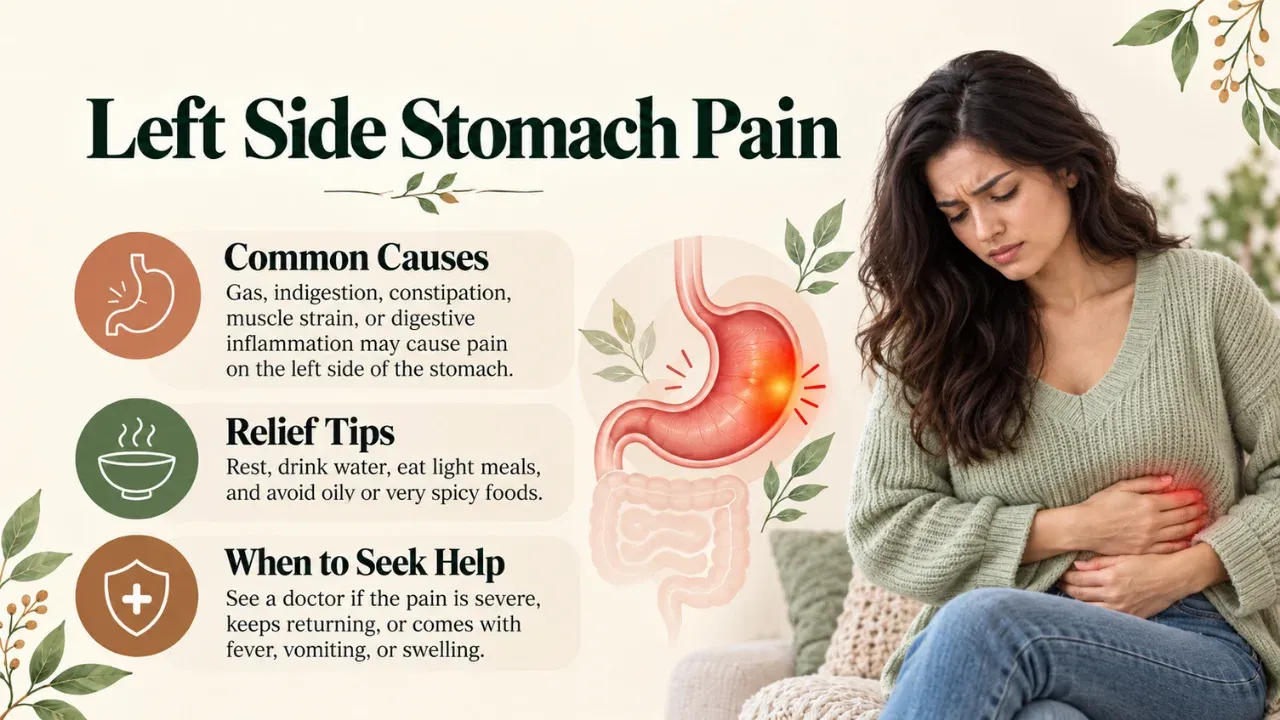
Also Read: Left-Side Stomach Pain
Urinary System Problems
- Urinary tract infection (UTI): This can lead to pain in the lower abdomen, discomfort when urinating, and a frequent urge to pass urine.
- Kidney stones: These can cause intense pain that can affect the back, the lower abdomen, and the groin.
Reproductive Health Conditions in Women
- Menstrual cramps: Uterine contractions during menstruation can cause cramping in the lower abdomen, which can extend to the lower back or thighs.
- Ovulation pain: Some women experience temporary pain on one side of the lower abdomen around the middle of their menstrual cycle.
- Ovarian cysts: These are fluid-filled sacs that develop on the ovaries. They may trigger lower abdominal or pelvic pain, especially if they grow large, burst, or cause the ovary to twist.
- Pelvic inflammatory disease (PID): This is a type of infection that affects the female reproductive organs and may lead to pain in the lower abdomen, unusual vaginal discharge, or fever.
- Ectopic pregnancy: When a pregnancy develops outside the uterus, it can cause one-sided pain in the abdomen and vaginal bleeding. This can become life-threatening and requires emergency care.
Reproductive Health Conditions in Men
- Prostatitis: Inflammation of the prostate gland can cause pain in the lower abdomen, pelvis, lower back, or groin.
- Testicular conditions: Testicular torsion (twisting of the spermatic cord) can trigger sudden, severe testicular pain that may spread to the lower abdomen. It is a medical emergency that needs immediate treatment. Epididymitis (inflammation of the tube behind the testicle) may also cause testicular pain and swelling.
Musculoskeletal Problems
- Inguinal hernia: This occurs when tissue, such as part of the intestine, pushes through a weak spot in the lower abdominal wall near the groin. It may cause a bulge, pain, or a feeling of pressure in the groin that worsens with coughing, lifting, or straining.
- Muscle strain: When abdominal muscles are overused or strained, you may experience soreness or pain in the lower abdomen, which may become more noticeable when you move, bend, cough, or lift heavy objects.
Also Read: Right-Side Stomach Pain
What Causes Lower Stomach Pain After Eating?
Lower stomach pain after eating can result from gas, constipation, or conditions such as IBS. Pay attention to whether particular foods trigger your symptoms.
However, recurring pain after eating should not automatically be blamed on food. Consult a doctor if it persists, worsens, or comes with other concerning symptoms, such as vomiting and diarrhoea.
Also Read: Stomach Pain and Nausea
How Can You Relieve Lower Stomach Pain?
You may be able to ease mild lower stomach pain by resting, drinking water, applying a warm compress, or moving around lightly. For pain that is severe or recurring, you need to consult your doctor, who will prescribe a treatment based on the underlying cause.
Home Remedies for Lower Stomach Pain
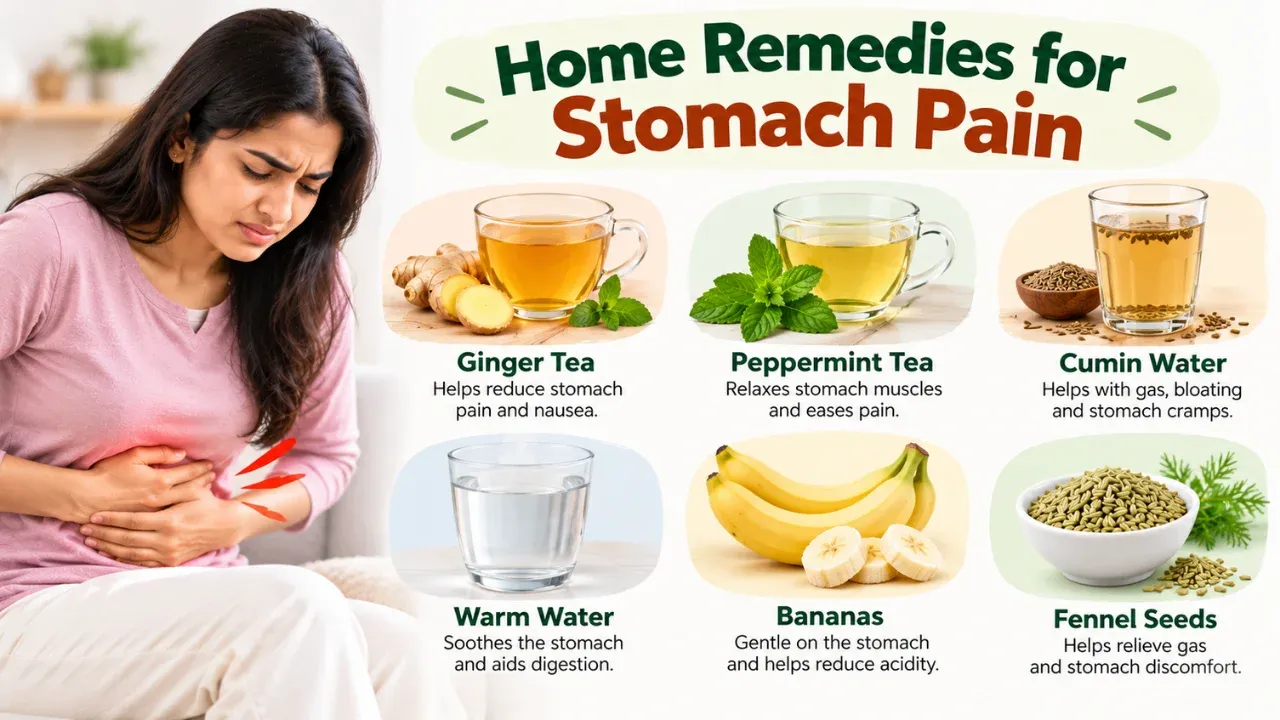
The following home remedies may help relieve pain in your lower abdomen caused by mild digestive discomfort or menstrual cramps:
- Applying a warm (not hot) compress.
- Drinking water.
- Taking a short walk.
- Resting.
These measures may provide temporary comfort when symptoms are mild. They should not be used to delay medical assessment for severe or worsening abdominal pain.
Also Read: Stomach Pain Remedies
Treatment Options for Lower Stomach Pain
Based on your symptoms, medical history, and underlying conditions, a doctor may prescribe the following treatments:
- Antibiotics, in case of bacterial infections.
- Medicines to stimulate bowel movements or ease discomfort.
- Dietary changes and prescription medicines to manage IBS and IBD.
- Surgery for severe conditions such as appendicitis and certain pregnancy-related emergencies.
Your doctor may examine your abdomen and recommend blood or urine tests, a pregnancy test when relevant, or imaging such as an ultrasound or CT scan. These help identify the cause and guide treatment.
When Should You Consult a Doctor for Lower Stomach Pain?
Consult a doctor urgently if you experience sudden or severe lower abdominal pain, or if the pain comes with any of the following symptoms:
- A hard or extremely tender abdomen.
- Repeated vomiting or an inability to keep fluids down.
- Blood in your stool, vomit, or urine.
- Fainting, severe dizziness, or difficulty breathing.
- Fever.
- Inability to pass stool or gas, especially with abdominal swelling or vomiting.
- Possible pregnancy with abdominal pain, particularly alongside vaginal bleeding, shoulder pain, or dizziness.
You should also arrange a medical appointment if the pain keeps returning, does not improve, or comes with changes in bowel habits, painful urination, unexplained weight loss, or unusual vaginal bleeding or discharge.
Mool Health's Perspective on Lower Stomach Pain
Lower stomach pain can be uncomfortable and worrying, especially when it keeps returning without an obvious reason. In such cases, relying on home remedies every time, even for mild pain, is not the right solution.
At Mool Health, we believe that treating recurring discomfort, such as lower stomach pain, starts with understanding its root cause. Once you know the underlying reason, getting the right treatment becomes easier.
The Mool Health Gut Test can help you learn more about your gut health and find out if there are any concerns or aspects that need more attention. For persistent or severe pain, consult a doctor.
Also Read: Digestive Problems
References
- Cleveland Clinic. (2022). Lower Abdominal Pain: Common Causes & Treatment. Cleveland Clinic.
- Narayana Health. (n.d.). Lower Abdominal Pain: Causes, Symptoms and Treatment Options. Narayana Health.
- Carlberg, D. J., Lee, S. D., & Dubin, J. S. (2016). Lower Abdominal Pain. Emergency Medicine Clinics of North America, 34(2), 229–249. DOI: 10.1016/j.emc.2015.12.003.
Key Takeaways
- Lower stomach pain refers to discomfort below the belly button that may extend towards the pelvic area.
- Common digestive causes include gas, constipation, irritable bowel syndrome, gastroenteritis, inflammatory bowel disease, and appendicitis.
- Urinary tract infections and kidney stones can also cause lower abdominal pain.
- In women, lower abdominal pain may be associated with menstrual cramps, ovulation, ovarian cysts, pelvic inflammatory disease, or ectopic pregnancy.
- In men, prostatitis, epididymitis, and testicular torsion are possible causes of lower abdominal or pelvic pain.
- Other causes include inguinal hernias and abdominal muscle strains.
- Lower stomach pain after eating may be associated with digestive conditions, but recurring pain should not automatically be attributed to food.
- Mild digestive discomfort or menstrual cramps may improve with hydration, rest, gentle movement, or a warm compress.
- Treatment depends on the underlying cause and may involve medication, dietary adjustments, diagnostic tests, or surgery.
- Sudden, severe, persistent, or worsening pain requires medical assessment, especially when accompanied by vomiting, fever, blood in stool, fainting, or unusual bleeding.
- Ectopic pregnancy and testicular torsion are medical emergencies requiring immediate attention.
- Recurring lower abdominal pain should be evaluated rather than repeatedly treated with home remedies without understanding its cause.
Your gut is unique your healing should be too.

FAQs
Lower stomach pain in men can result from gas, constipation, IBS, a UTI, kidney stones, an abdominal muscle strain, or problems with the reproductive system, such as prostatitis (inflammation of the prostate), testicular torsion (twisting of the spermatic cord), or epididymitis (inflammation of the tube behind the testicle).
Lower stomach pain in women may be linked to digestive problems, UTIs, menstrual cramps, ovulation, ovarian cysts, or PID. Ectopic pregnancy is another possible cause and requires emergency care. Severe or unusual pelvic pain, particularly with bleeding or dizziness, needs prompt medical assessment.
You may ease mild lower tummy pain with adequate hydration, rest, a warm compress, or light movement, depending on the cause. However, these measures may not help every condition. Seek medical care if the pain is severe, worsening, persistent, or accompanied by warning signs.
If your discomfort is related to a mild digestive upset, bland foods such as rice, toast, or plain potatoes may be easier to tolerate. Avoid foods that worsen your symptoms and seek medical advice if the pain persists.
Yes, bananas may help an upset stomach because they are easy for the gut to tolerate during a mild digestive upset and provide potassium and carbohydrates. However, they do not treat every cause of stomach pain. If eating makes your pain worse or you have severe or persistent symptoms, seek medical advice.
Disclaimer
The content provided by Mool Health is for educational and informational purposes only and should not be considered a substitute for professional medical advice, diagnosis, or treatment.