
Inflammatory Bowel Disease: Types, Symptoms, Causes and Treatment
Learn about Inflammatory Bowel Disease (IBD), including its types, symptoms, causes, treatment options, and how it can affect digestive health and daily life.
Quick Answer
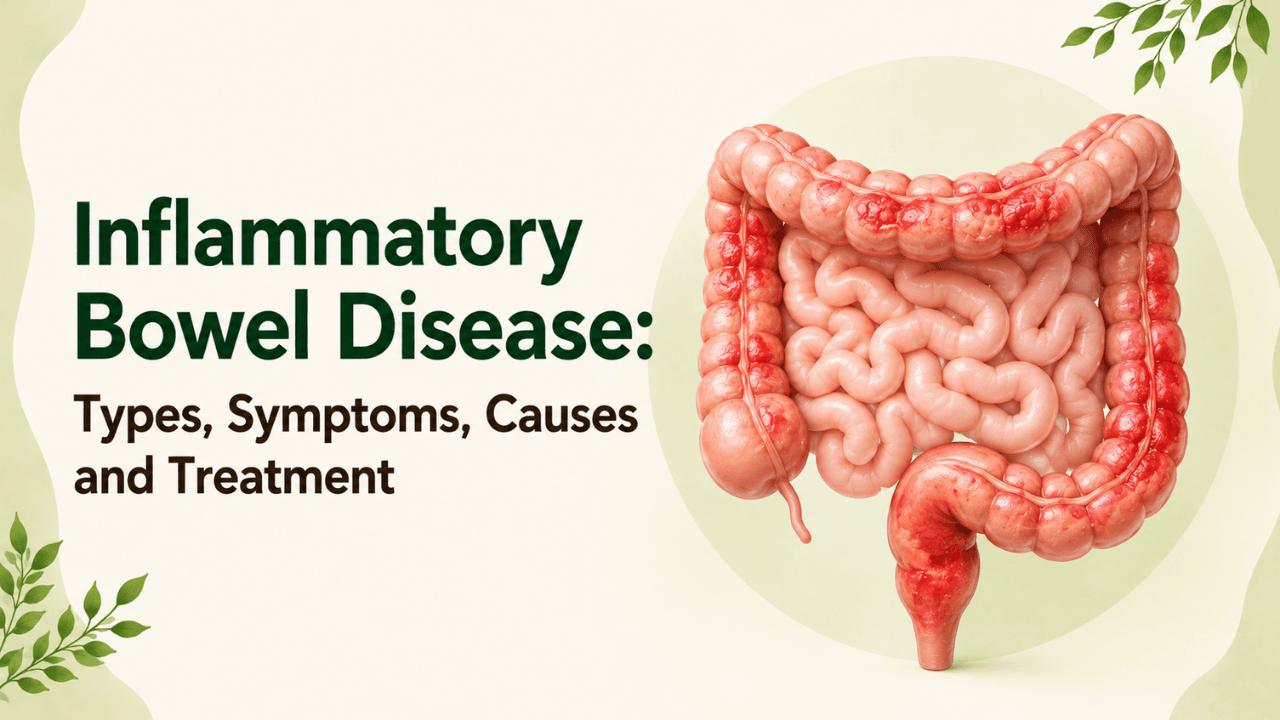
Inflammatory bowel disease (IBD) is a group of chronic conditions that cause ongoing inflammation in the digestive tract, primarily Crohn's disease and ulcerative colitis.
- IBD can cause diarrhoea, abdominal pain, rectal bleeding, fatigue, weight loss and other digestive or non-digestive symptoms.
- Crohn's disease can affect any part of the digestive tract, while ulcerative colitis is limited to the colon and rectum.
- Diagnosis may involve blood tests, stool tests, colonoscopy with biopsies, and imaging, depending on the suspected type and location of disease.
- Treatment may include medicines, lifestyle support and, in some cases, surgery to control inflammation and prevent complications.
- There is no single IBD diet that works for everyone; dietary choices often need to be adapted to disease activity and individual tolerance.
Inflammatory bowel disease (IBD) is a group of chronic conditions that cause inflammation in the digestive tract, primarily consisting of Crohn's disease and ulcerative colitis. Both affect different parts of the gastrointestinal tract and require different treatment approaches. You may experience signs and symptoms that include diarrhoea, abdominal pain, and bloody stools.
Reviewed by the Nutrition and Internal Medicine Team at Mool Health.
What Is Inflammatory Bowel Disease?
Inflammatory bowel disease (IBD) is the collective term for chronic conditions that cause inflammation within the gastrointestinal (GI) tract. Unlike a short-term stomach infection, IBD is a long-lasting condition in which the immune system mistakenly attacks the lining of the digestive tract, leading to persistent inflammation. This abnormal immune response results from a combination of genetic susceptibility, environmental factors and changes in the gut microbiome rather than a single identifiable cause.
The digestive tract extends from the mouth to the anus, and inflammation can affect different parts depending on the type of IBD. This inflammation may also interfere with digestion, nutrient absorption and normal bowel function, resulting in symptoms such as abdominal pain, diarrhoea and fatigue.
What Are the Main Types of Inflammatory Bowel Disease?
The two principal forms of IBD are Crohn's disease and ulcerative colitis. Both involve chronic immune-mediated inflammation, but they differ in where and how they affect the gut.
The table below shows the types of inflammatory bowel disease:
| Feature | Crohn's Disease | Ulcerative Colitis |
|---|---|---|
| Location | Can affect any part of the digestive tract, mouth to anus (most commonly the ileum and colon) | Confined to the rectum and extends proximally through the colon |
| Pattern | Patchy, "skip lesions" with healthy tissue in between | Continuous inflammation starting at the rectum |
| Depth of inflammation | Can extend through the full thickness of the bowel wall | Limited to the innermost lining (mucosa) |
| Common complications | Fistulas, strictures, abscesses | Bleeding, rarely, toxic megacolon (a serious, urgent complication) |
A smaller proportion of cases don't fit neatly into either category and are classified as indeterminate colitis. Rarer forms, such as microscopic colitis (collagenous and lymphocytic colitis), are sometimes grouped under the IBD umbrella and tend to cause chronic watery diarrhoea without the visible ulceration seen on colonoscopy in Crohn's or ulcerative colitis.
What Are the Symptoms of Inflammatory Bowel Disease?
Symptoms of inflammatory bowel disease vary depending on the type of IBD, the severity of inflammation and the part of the digestive tract involved. Some people experience mild symptoms with long periods of remission, while others have more frequent flare-ups.
Digestive Symptoms
- The most common digestive symptoms include persistent diarrhoea, blood in the stool, abdominal pain or cramping, urgent bowel movements, feeling that the bowel has not emptied, mucus in the stool, and rectal bleeding.
- IBD affects more than just the digestive tract. Ongoing inflammation can contribute to fatigue, unintentional weight loss, reduced appetite, fever during active disease, and poor growth in children and adolescents.
Symptoms Outside the Digestive Tract
- Inflammatory bowel disease can also affect other parts of the body, known as extraintestinal manifestations. These may include painful or swollen joints, eye inflammation causing redness or blurred vision, painful mouth ulcers, skin conditions such as erythema nodosum, and liver or bile duct disorders in some people.
- Symptoms often come and go. If new symptoms develop or existing symptoms become worse, it may indicate that the disease is becoming more active and requires medical review.
Do Symptoms of Inflammatory Bowel Disease Differ in Women?
Yes. IBD affects a similar number of men and women overall, but women often experience it differently, and research shows their symptoms are diagnosed less readily than men's.
Roughly half of women with IBD report that their gastrointestinal symptoms worsen around their menstrual period, likely linked to fluctuating oestrogen, progesterone and prostaglandin (hormone-like lipid compounds that control inflammation, trigger muscle contractions, and regulate blood flow) levels affecting gut motility and sensitivity. This cyclical worsening is often mistaken for a genuine flare, which can lead to unnecessary changes in treatment.
Other female-specific considerations include:
- Anaemia risk is compounded by menstrual blood loss on top of IBD-related blood loss.
- Delayed puberty and menarche can occur in adolescent girls with active or malnourished disease states.
- Fertility is generally comparable to the general population, though it can be reduced after significant abdominal or pelvic surgery.
- Pregnancy outcomes are best when IBD is in remission for three to six months before conception.
- Because symptoms can overlap with gynaecological conditions such as endometriosis, women with IBD sometimes face longer delays before diagnosis.
What Causes Inflammatory Bowel Disease?
There is no single cause of IBD. Instead of a single trigger, researchers believe IBD develops because of a combination of genetic, immune and environmental factors. These factors interact in ways that cause the immune system to mistakenly attack the lining of the digestive tract, resulting in ongoing inflammation.
Current research points to a complex interaction between four factors:
- Genetics: Over 200 genetic loci have been linked to IBD susceptibility, and having a first-degree relative with the condition increases risk.
- Immune system dysfunction: An inappropriate, ongoing immune response against normal gut bacteria damages the intestinal lining.
- Gut microbiome imbalance (dysbiosis): Changes in the diversity and composition of gut bacteria are consistently observed in people with IBD, and may occur years before diagnosis.
- Environmental triggers: Smoking, ultra-processed diets, early life antibiotic use, and reduced early exposure to diverse microbes have all been associated with higher IBD risk, while breastfeeding, fibre-rich Mediterranean-style diets, and physical activity appear protective.
Crucially, no single factor is thought to be sufficient to cause IBD on its own; it's the combination that matters.
Who Is More Likely to Develop Inflammatory Bowel Disease?
Inflammatory bowel disease can develop at any age, but certain factors increase the likelihood of being diagnosed.
Age
IBD is most commonly diagnosed between the ages of 15 and 35 years, although it can also develop during childhood or later adulthood.
Family history
If your parents, sibling or child have Crohn's disease or ulcerative colitis, it increases the risk of developing IBD, suggesting that inherited genes contribute to disease susceptibility.
Smoking
Smoking is one of the strongest environmental risk factors for Crohn's disease. It is associated with more severe disease, increased flare-ups and a greater likelihood of requiring surgery.
Ethnicity and geography
IBD occurs worldwide but has historically been more common in North America and Europe. Over recent decades, the incidence has increased across Asia, the Middle East and other developing regions, suggesting that environmental and lifestyle factors also influence your disease risk.
Other immune-mediated conditions
If you have certain immune-mediated conditions, you may have a slightly higher risk of developing inflammatory bowel disease, although the relationship is still being studied.
Having one or more risk factors does not mean you will definitely develop IBD. Likewise, many people diagnosed with IBD have no family history or obvious risk factors.
How Is Inflammatory Bowel Disease Different from IBS?
IBD and IBS are commonly confused because they share overlapping symptoms, but they are distinct conditions requiring different management. The table below shows the difference between them:
| Feature | IBD | IBS |
|---|---|---|
| Underlying process | Chronic inflammation and immune-mediated tissue damage | Functional gut disorder, no inflammation or tissue damage |
| Visible on colonoscopy/imaging | Yes - ulceration, inflammation | No - bowel appears normal |
| Blood/mucus in stool | Common | Rare |
| Risk of complications | Yes (strictures, fistulas, increased colorectal cancer risk) | No structural complications |
| Diagnosis method | Endoscopy, imaging, biomarkers | Symptom-based criteria, after ruling out other causes |
| Treatment approach | Anti-inflammatory and immune-modifying medication | Diet, lifestyle changes, symptom-targeted medication |
How Is Inflammatory Bowel Disease Diagnosed?
There is no single test that confirms inflammatory bowel disease. Instead, doctors combine information from your symptoms, medical history, physical examination and several investigations to make an accurate diagnosis and determine whether the condition is Crohn's disease or ulcerative colitis.
Medical History and Physical Examination
The diagnostic process usually begins with questions about your symptoms and when they started, frequency of diarrhoea or rectal bleeding, weight loss, family history of IBD, and previous infections or medication use.
A physical examination may also identify signs of abdominal tenderness, anaemia or nutritional deficiencies.
Blood Tests
Blood tests help detect anaemia, signs of inflammation, infection, and nutritional deficiencies. Although blood tests cannot diagnose IBD on their own, they provide useful information about disease activity and overall health.
Stool Tests
A stool sample may be tested to rule out bacterial or viral infections that can mimic IBD symptoms.
Doctors may also measure faecal calprotectin, a protein released during intestinal inflammation. Raised calprotectin levels suggest inflammation within the bowel and help distinguish IBD from IBS.
Endoscopy
A colonoscopy is considered one of the most important investigations for diagnosing inflammatory bowel disease. During the procedure, a flexible camera is used to examine the lining of the colon and the end of the small intestine.
Small tissue samples (biopsies) are usually taken during the procedure. These are examined under a microscope to confirm the diagnosis and identify the type of inflammatory bowel disease.
Imaging Tests
If Crohn's disease affecting the small intestine is suspected, additional imaging may be recommended, including:
- MRI enterography
- CT enterography
- Ultrasound in selected cases
These tests help assess inflammation, strictures, fistulas and complications outside the bowel lining.
What Is the ICD-10 Code for Inflammatory Bowel Disease?
The ICD-10 (International Classification of Diseases, Tenth Revision) is a globally recognised coding system used by healthcare professionals, hospitals and insurers to classify diseases and medical conditions.
Inflammatory bowel disease does not have a single ICD-10 code. Instead, the two main forms of IBD are coded separately:
- Crohn's disease: K50
- Ulcerative colitis: K51
These codes may be followed by additional digits that specify the location of the disease or the presence of complications. ICD-10 codes are primarily used for medical documentation, hospital records, health statistics and insurance purposes. They are not used to diagnose inflammatory bowel disease, which relies on clinical assessment, endoscopy, imaging and laboratory investigations.
What Are the Treatment Options for Inflammatory Bowel Disease?
Inflammatory bowel disease treatment aims to reduce inflammation, relieve symptoms, achieve remission and prevent complications. The most appropriate treatment depends on the type of IBD, the severity of inflammation and the part of the digestive tract affected.
Most people require long-term treatment, even when symptoms improve, to reduce the risk of future flare-ups.
Medicines
Several types of medicines are used to manage IBD.
- Aminosalicylates (5-ASAs): These medicines are commonly prescribed for mild to moderate ulcerative colitis. They help reduce inflammation in the lining of the bowel and may also be used to maintain remission.
- Corticosteroids: Steroids are used to control moderate to severe flare-ups quickly. Because long-term steroid use can lead to significant side effects, they are generally prescribed for short periods while other treatments take effect.
- Immunomodulators: These medicines reduce immune system activity to help prevent ongoing inflammation. They are often recommended for people who experience frequent flare-ups or who cannot reduce steroid use without symptoms returning.
- Biologic medicines: Biologics are targeted therapies that block specific proteins involved in the inflammatory process. They are commonly used for moderate to severe Crohn's disease and ulcerative colitis when conventional treatments are not effective or are no longer suitable.
- Small molecule therapies: Newer oral medicines target specific pathways involved in inflammation and may be recommended for selected people with moderate to severe disease.
Surgery
Although medicines help many people control IBD, surgery may be necessary if complications develop or symptoms cannot be managed with medication.
People with Crohn's disease may require surgery to remove severely damaged sections of the bowel or treat complications such as strictures, fistulas or abscesses. However, surgery does not cure Crohn's disease because inflammation can return in other parts of the digestive tract.
For ulcerative colitis, removing the colon (colectomy) can eliminate the disease because inflammation is limited to the large intestine. Depending on the individual, reconstructive surgery may allow bowel function to continue without a permanent stoma.
Lifestyle Support
Medical treatment works best when combined with healthy lifestyle habits, including:
- Taking medicines exactly as prescribed
- Attending regular follow-up appointments
- Avoiding smoking, particularly in Crohn's disease
- Managing stress through relaxation techniques, exercise or counselling
- Getting enough sleep
- Maintaining a balanced diet
Treatment plans should always be individualised and reviewed regularly with a gastroenterologist.
What Foods Should You Eat or Avoid With IBD?
There is no single diet that works for everyone with inflammatory bowel disease. Foods that trigger symptoms vary from person to person, and dietary needs may change depending on whether the disease is active or in remission.
Rather than following unnecessary restrictions, it is helpful to identify personal trigger foods while maintaining a balanced, nutrient-rich diet.
During remission (when a disease becomes inactive or significantly less active, and symptoms improve or disappear): When inflammation is controlled, most people benefit from a varied diet that includes fruits and vegetables, as tolerated, whole grains, lean protein sources, healthy fats, calcium-rich foods, and plenty of fluid.
Unless advised by a healthcare professional, there is usually no need to avoid entire food groups.
Foods that may worsen symptoms
- Some foods that may worsen symptoms if they trigger a flare include highly processed foods, fatty or fried foods, alcohol, caffeinated drinks, carbonated beverages, and very spicy foods.
- Keeping a food diary can help identify personal triggers without unnecessarily limiting the diet.
- People with IBD may also develop deficiencies in iron, vitamin B12, vitamin D, calcium or folate, depending on the part of the bowel affected. A doctor or dietitian may recommend supplements if blood tests show deficiencies.
What Complications Can Inflammatory Bowel Disease Cause?
Without appropriate treatment, ongoing inflammation can increase the risk of complications.
Possible complications include:
- Intestinal strictures (narrowing of the bowel)
- Fistulas
- Abscesses
- Severe bleeding
- Bowel obstruction
- Malnutrition
- Iron deficiency anaemia
- Osteoporosis due to chronic inflammation or steroid use
- Delayed growth in children
IBD can also affect other parts of the body, leading to joint inflammation, eye inflammation, skin conditions, or liver and bile duct disorders.
If you have long-standing ulcerative colitis or extensive Crohn's colitis, you may also have a higher risk of colorectal cancer. Regular surveillance colonoscopies help detect early changes and improve outcomes.
Can Inflammatory Bowel Disease Be Prevented?
There is currently no proven way to prevent inflammatory bowel disease because its exact cause remains unknown. However, several steps may help reduce your flare-ups and support long-term disease control. These include:
- Taking prescribed medicines consistently
- Avoiding smoking
- Managing stress
- Following a balanced diet
- Maintaining regular physical activity
- Keeping up with recommended vaccinations
- Attending routine medical reviews
Early diagnosis and appropriate treatment remain the most effective ways to reduce complications and maintain remission.
When Should You See a Doctor?
Persistent digestive symptoms should not be ignored, particularly if they interfere with daily life or continue for several weeks. Seek medical advice if you experience:
- Ongoing diarrhoea
- Blood in the stool
- Persistent abdominal pain
- Unexplained weight loss
- Extreme fatigue
- Fever with digestive symptoms
- Symptoms that repeatedly return after improving
Seek urgent medical attention if you develop:
- Severe abdominal pain
- Heavy rectal bleeding
- Persistent vomiting
- Signs of dehydration
- High fever with severe symptoms
Early assessment allows treatment to begin promptly and may help prevent serious complications.
Mool Health's Perspective on Inflammatory Bowel Disease
At Mool Health, we believe that managing inflammatory bowel disease is about more than controlling individual symptoms. A personalised approach that combines appropriate medical treatment, balanced nutrition, healthy lifestyle habits and regular monitoring can help support digestive health and quality of life.
IBD is a lifelong condition, but it does not define your quality of life. Advances in diagnosis, medicines and nutritional care have transformed how Crohn's disease and ulcerative colitis are managed, allowing many people to achieve long periods of remission.
Dietary needs can change depending on whether IBD is active or in remission, and foods that are well tolerated by one person may trigger symptoms in another. For this reason, we encourage people to avoid unnecessary food restrictions and work with their healthcare team or a qualified dietitian when nutritional concerns, deficiencies or persistent symptoms arise.
Working closely with your healthcare team allows treatment to be tailored to your symptoms, disease activity and long-term health goals.
References
This article is for informational and educational purposes only. It does not replace professional medical advice, diagnosis, or treatment. Inflammatory bowel disease (IBD) is a chronic condition that requires proper medical evaluation and individualised management. If you experience persistent diarrhoea, blood in the stool, unexplained weight loss, severe abdominal pain, or other concerning symptoms, consult a qualified healthcare professional for proper evaluation before making changes to your diet, medication, or treatment plan.
Key Takeaways
Learn about Inflammatory Bowel Disease (IBD), including its types, symptoms, causes, treatment options, and how it can affect digestive health and daily life.
Your gut is unique your healing should be too.

Disclaimer
The content provided by Mool Health is for educational and informational purposes only and should not be considered a substitute for professional medical advice, diagnosis, or treatment.