
What Causes Stomach Pain? Types, Treatments and Home Remedies
Stomach pain may range from gas and indigestion to infections or organ-related conditions. Understand pain types, common causes, relief options, and emergency signs.
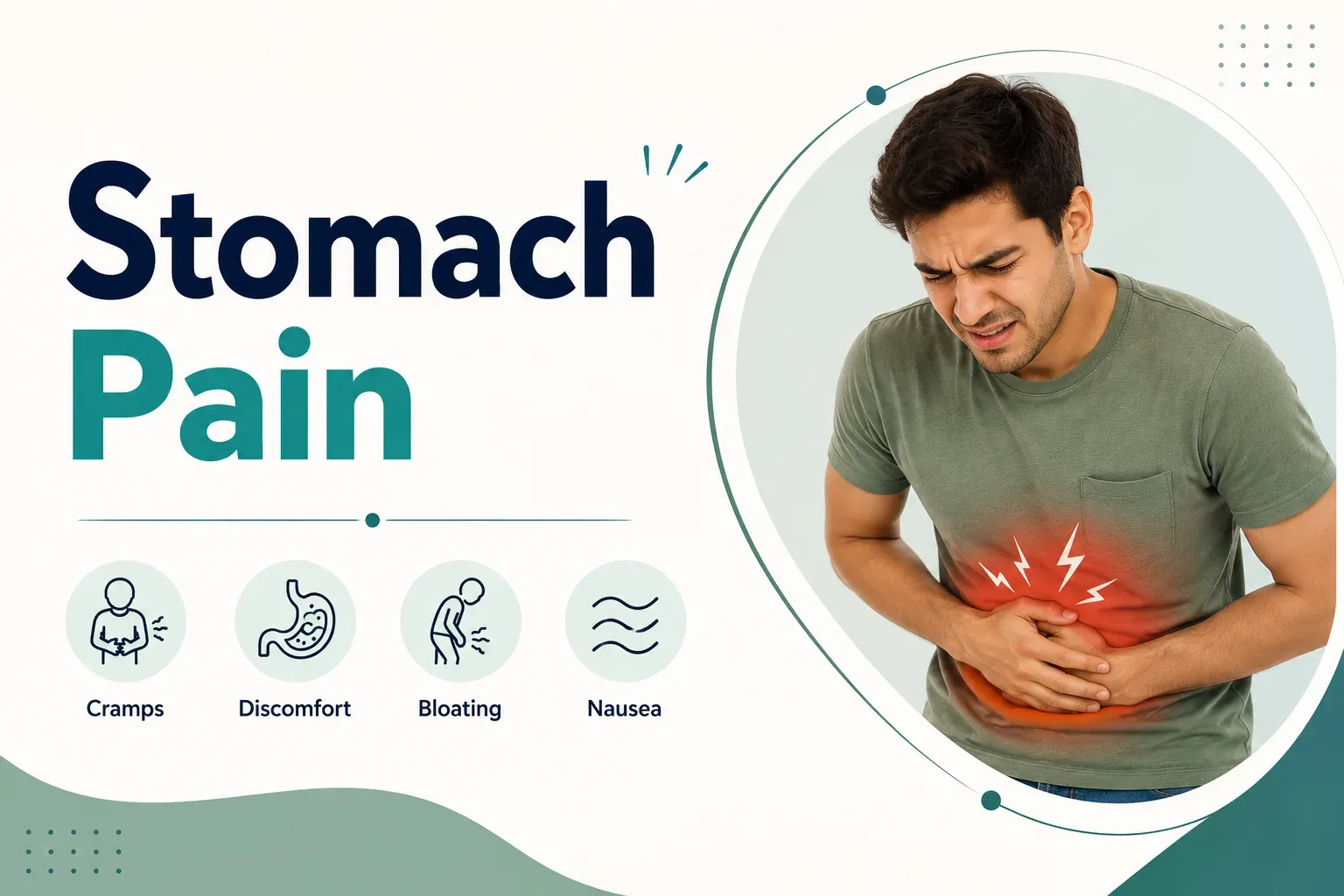
Quick Answer
Stomach pain is most often caused by everyday issues, such as indigestion, bloating, constipation, or a mild infection, and usually clears up on its own. In some cases, though, persistent or intense discomfort may point to more serious problems, including peptic ulcers, appendicitis, or gallstones.
For mild discomfort, options like hydration, herbal teas, and a gentle diet often help.
What Is Stomach Pain?
Stomach pain, also known as abdominal pain, refers to any discomfort felt in the belly area, from just below the chest down to the pelvis. While it’s commonly linked to digestive problems such as gas, indigestion, or stomach infections, pain can also arise from other organs or underlying conditions. Noticing where and how severe the pain is can help identify its root cause.
What Are the Different Types of Stomach Pain?
Stomach pain is often grouped by how it feels, where it’s located, and how long it lasts. There are three main types: by sensation and behaviour, by location, and by duration. Each provides important clues for identifying the root cause and guiding treatment.
What Are the Types of Stomach Pain by Sensation and Behaviour?
Stomach pain is a highly useful diagnostic tool. By identifying how the pain feels and what influences it, you can better understand the underlying cause and know when urgent care is needed.
Abdominal Pain: Types and Causes
The table below summarises how stomach pain physically feels against these common clinical presentations:
| Type | Common Causes | Key Symptoms |
|---|---|---|
| Burning/Gnawing | Gastritis, GERD, ulcers | Worsens with an empty stomach |
| Cramping/Colicky | Gas, IBS, stomach flu, periods | Starts and stops suddenly |
| Sharp/Stabbing | Appendicitis, stones, gallstones | Appears suddenly, feels intense |
Abdominal Pain: Modifying Behaviours & Patterns
Certain physical movements or changes in body position alter discomfort patterns in distinct ways listed below:
| Symptom Behavior | Common Causes | Description |
|---|---|---|
| Worsens with movement | Appendicitis, peritonitis | Intensifies when moving or coughing |
| Positional relief | Pancreatitis | Improves when leaning forward |
| Pain that moves (migrating) | Appendicitis | Shifts location during progression |
Note: As appendicitis progresses, you may experience all three of the symptoms listed above.
Quick Fact: Appendicitis is the pain that often starts near your belly button and then moves to the lower right side of your abdomen.
What Are the Types of Stomach Pain by Location?
Abdominal pain is often classified by its location, using a four-quadrant or nine-region grid to help identify the likely source. Recognising where the pain occurs can quickly narrow down which organs might be involved and guide effective diagnosis.
The table below outlines common causes of stomach pain that are localised and offers a pain location of the underlying organs involved:
| Location | Common Causes | Key Clues |
|---|---|---|
| Upper Right Quadrant (RUQ) | Gallstones, Gallbladder inflammation (cholecystitis), hepatitis, right kidney stones, and kidney infections | Pain frequently radiates to the right shoulder blade (scapula) or back. |
| Upper Left Quadrant (LUQ) | Gastritis, peptic ulcers, pancreatitis, splenic enlargement, injury | Pain occurs in the upper left abdomen |
| Lower Right Quadrant (LRQ) | Appendicitis, Crohn’s disease, hernias, ovarian cysts, endometriosis, ectopic pregnancy | Pain often starts near the belly button, then migrates to the lower right |
| Lower Left Quadrant (LLQ) | Diverticulitis, irritable bowel syndrome (IBS), left kidney stones or infections, ovarian cysts, pelvic inflammatory disease (PID) | Pain localises in the lower left abdomen |
| Central/ Around the belly button(periumbilical) | Early appendicitis, small bowel obstruction, and early gastroenteritis | Dull ache around the belly button, may shift to the lower right |
What Are the Types of Stomach Pain by Duration?
Stomach pain is medically classified into four main types based on how quickly it starts and how long it lasts. Understanding whether the pain is acute, chronic, recurrent, or progressive helps determine whether it’s a mild, short-term issue or a sign of a more serious condition that needs medical attention.
Use this breakdown of pain characteristics to narrow down potential causes:
| Type | Duration | Key Features and Causes |
|---|---|---|
| Acute | Lasts hours to one week | Starts suddenly with severe pain; commonly caused by indigestion, food poisoning, or appendicitis. |
| Chronic | Lasts three months or more | Is ongoing and persistent; usually linked to IBS, IBD, peptic ulcers, or recurring constipation. |
| Progressive | Gradually worsens over time | Intensifies and brings new symptoms; often associated with Crohn’s disease, abdominal malignancy, or chronic liver disease. |
| Intermittent | Comes and goes repeatedly | Alternates between pain-free intervals and episodes of pain; commonly linked to gas, IBS, or gallstones. |
What Causes Stomach Pain?
Stomach pain can result from a range of causes, most often digestive issues such as gas, indigestion, or food intolerance. Infections like the stomach flu, or inflammation from conditions like ulcers or appendicitis, are also common culprits. The specific cause is often related to where the pain is and how intense it feels.
The most common causes of stomach pain fall into three main categories:
| Main Cause | Common Examples | Type Of Pain |
|---|---|---|
| Digestive issues | Gas, indigestion, constipation, food intolerances (lactose intolerance, celiac disease), eating trigger foods, low fibre | Cramping, bloating, diarrhea |
| Infections & inflammation (including urinary) | Stomach flu, gastritis, ulcers, urinary tract infections (UTIs cause pelvic/lower abdominal pain, not GI pain.) | Sharp, burning, or cramping pain, sometimes with nausea or vomiting |
| Organ-specific & gynecological conditions | Appendicitis, gallstones, pancreatitis, kidney stones, menstrual cramps, ovarian cysts, ectopic pregnancy | Sudden, severe, or localised pain (may require urgent care) |
What Causes Stomach Pain in Pregnancy?
Stomach pain during pregnancy is common and usually harmless, often caused by your body adapting to a growing baby.
Here are the key causes:
- Uterine expansion stretches muscles and causes mild cramps.
- Round ligament pain triggers sharp aches with sudden movement.
- Constipation and gas slow digestion and cause bloating.
- Braxton Hicks contractions tighten the abdomen in the third trimester.
- Acid reflux and heartburn push stomach acid upward.
Important Safety Warning: Severe pain, heavy bleeding, fainting, severe headache with vision changes, or loss of fetal movement may signal emergencies (like ectopic pregnancy, miscarriage, preeclampsia, or placental abruption). Contact your doctor or go to the hospital immediately if you notice these signs.
Stomach Pain Treatments: From Medicines to Home Remedies
The most effective way to treat stomach pain depends on its underlying cause, which can range from mild gas to serious infections. For mild discomfort, home remedies such as ginger tea or a heating pad can offer quick relief. Over-the-counter (OTC) medicines can target specific symptoms, but avoid NSAIDs, as they may further irritate the stomach.
Over-the-Counter (OTC) Medicines for Stomach Pain
Choosing the right OTC medicine matters; what helps heartburn won’t work for stomach pain. Match your treatment to your symptoms, follow the directions on the label, and avoid products that could aggravate your discomfort or harm your stomach lining.
- Use simethicone drops or tablets to relieve gas and bloating.
- Take antacids (such as calcium carbonate or magnesium hydroxide) for quick acid relief, or acid reducers (such as famotidine) for longer-lasting heartburn control.
- Take loperamide to control diarrhoea.
- Use acetaminophen (paracetamol) to help with mild cramping pain.
Prescription option:
- Use dicyclomine only if prescribed by your doctor for stomach cramps.
Crucial Warning: Avoid NSAIDs like ibuprofen or aspirin for stomach pain; they irritate the stomach lining and can make the underlying cause worse.
Note: Always check with your doctor or a qualified healthcare professional before taking any medicine.
Soothing Home Remedies for Stomach Pain
For quick relief from mild stomach pain, try these gentle remedies:
- Apply a warm compress or heating pad to your abdomen to relax your muscles.
- Sip herbal teas: choose ginger for nausea, peppermint for gas, or chamomile for cramps.
- Eat bland, easy-to-digest foods like bananas, rice, applesauce, and toast (the BRAT diet) until you feel better.
Quick Tips:
- For gas and bloating, try chewing fennel seeds, sipping warm cumin water, or gently massaging your belly with diluted peppermint oil.
- For indigestion or acid, mix apple cider vinegar and honey in water, use a baking soda solution, and sit upright after eating.
- For diarrhoea or an upset stomach, stick to the BRAT diet and stay hydrated with water or electrolyte drinks. Avoid dairy products like yogurt during an active stomach bug, as they can further irritate the gut.
Quick Note:
Some people find relief with a small amount of apple cider vinegar in water or a baking soda solution, but these remedies don’t suit everyone. Try them in small amounts. Sitting upright after eating is always a safe first step for easing indigestion.
When to See a Doctor for Stomach Pain
Go to the doctor right away if you have sudden, severe stomach pain or warning signs like high fever, blood in your stool, or nonstop vomiting. Schedule a checkup if your mild or unclear pain lasts more than two or three days.
Go to the emergency room or call your local emergency number (112 in India, 911 in the US, 999 in the UK) if you have:
- Severe, sudden pain that makes it hard to move or get comfortable
- Bloody or black stools, or vomiting blood
- A swollen or tender belly, especially if you cannot pass stool or gas
- Stomach pain with shortness of breath or chest pressure
- Pain after a recent injury to your abdomen
See a doctor if you have:
- High fever, chills, or vomiting that keeps you from holding down liquids
- Unexplained weight loss
- Yellowing of your eyes or skin
- Painful urination, or inability to urinate for more than 6–8 hours
- Stomach pain that lasts more than 2–3 days or keeps getting worse
Mool’s Perspective on Stomach Pain
If your stomach pain keeps coming back despite trying the usual treatments, it can be frustrating, especially when you’ve already put in the effort. Sometimes, the issue runs deeper than just a single symptom.
At Mool Health, we focus on understanding what’s actually driving your gut issues, not just treating what’s happening today. That means looking at your diet, stress, and long-term patterns to find real, lasting answers. The free Mool Health Gut Test helps you identify potential digestive triggers and patterns by analysing your symptoms and lifestyle. It offers personalised insights to support better gut health.
Understand Your Gut Symptoms Better
Explore your digestive patterns, food habits, and everyday symptoms with a personalised gut health assessment.
Medical Disclaimer:
This blog is for informational purposes only and is not a substitute for professional medical advice, diagnosis, or treatment. Always seek the guidance of your doctor or another qualified healthcare provider with any questions you may have regarding a medical condition. Never disregard professional medical advice or delay seeking it because of something you have read here.
Key Takeaways
Stomach pain may range from gas and indigestion to infections or organ-related conditions. Understand pain types, common causes, relief options, and emergency signs.
Your gut is unique your healing should be too.

FAQs
Stomach pain can feel aching, stabbing, burning, twisting, cramping, or dull. The sensation may vary based on the cause and can be felt anywhere from just below your ribs down to your pelvis.
The four main types of stomach pain, based on medical origin and characteristics, are: Visceral pain: Feels dull, aching, or cramping deep inside the abdomen; often hard to pinpoint. Common with gas, bloating, or early appendicitis. Parietal pain: Feels sharp and intense in one spot; gets worse with movement or touch. Often caused by inflammation or severe appendicitis. Colicky pain: Feels severe and comes in waves; builds, eases, then returns. Seen with kidney stones, gallstones, or blockages. Referred pain: Feels away from the source, such as gallbladder issues traveling to the right shoulder blade, or pancreas issues radiating to the back.
For mild stomach pain, avoid solid foods for a few hours and sip clear fluids like water or ginger tea. Place a heating pad on your stomach for comfort, take an over-the-counter antacid if you have indigestion, and slowly add bland foods like rice or bananas as you improve.
Most stomach pain is digestive, like gas, indigestion, or a stomach bug. Sometimes, the pain can also come from inflammation, food intolerances, infections, or other underlying conditions.
Several diseases can start with stomach pain, including IBS, GERD, gastritis, appendicitis, and Crohn’s disease. Stomach pain is often one of the first symptoms of these illnesses.
The best position for most types of stomach pain is to lie on your side with your knees pulled up toward your chest (the fetal position). This can help relax your abdomen and quickly ease discomfort from gas, cramps, or indigestion.
Disclaimer
The content provided by Mool Health is for educational and informational purposes only and should not be considered a substitute for professional medical advice, diagnosis, or treatment.