How to Get Rid of Nausea Fast: Home Remedies That May Help
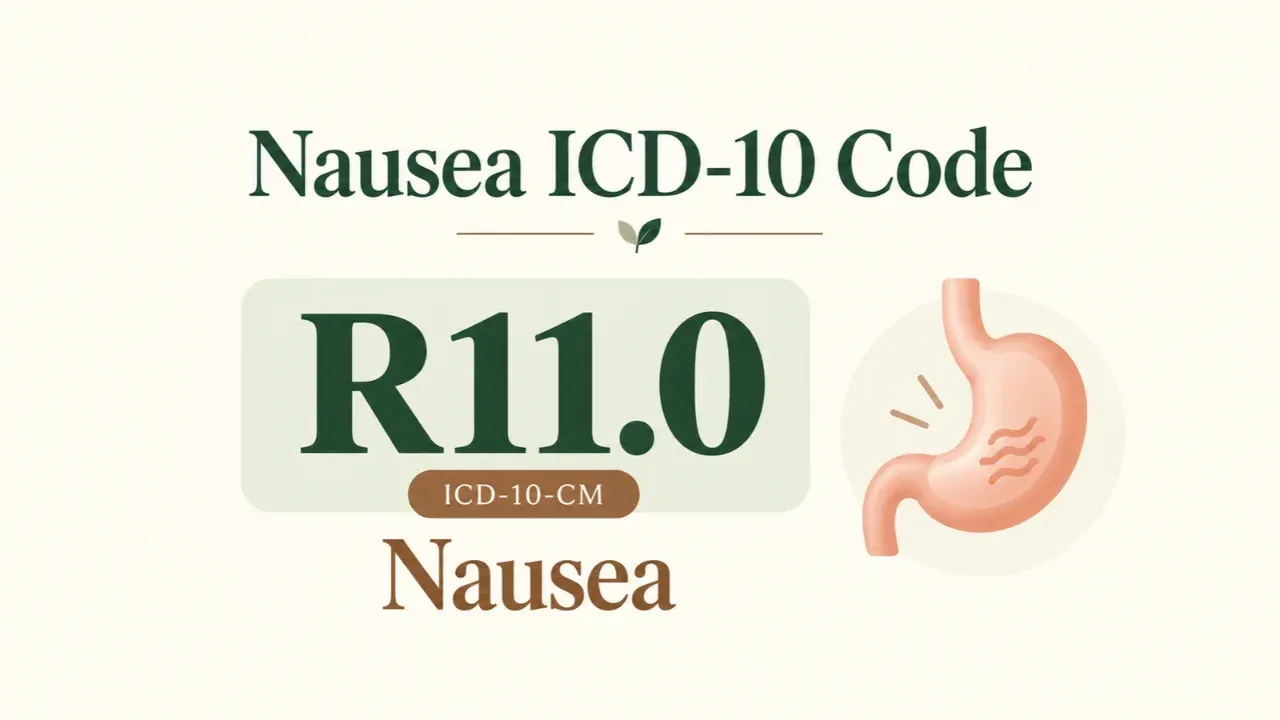
Nausea ICD-10 code R11.0 covers nausea without vomiting, while R11.2 covers nausea with vomiting. Learn related codes and their uses for accurate medical coding.

Quick Answer
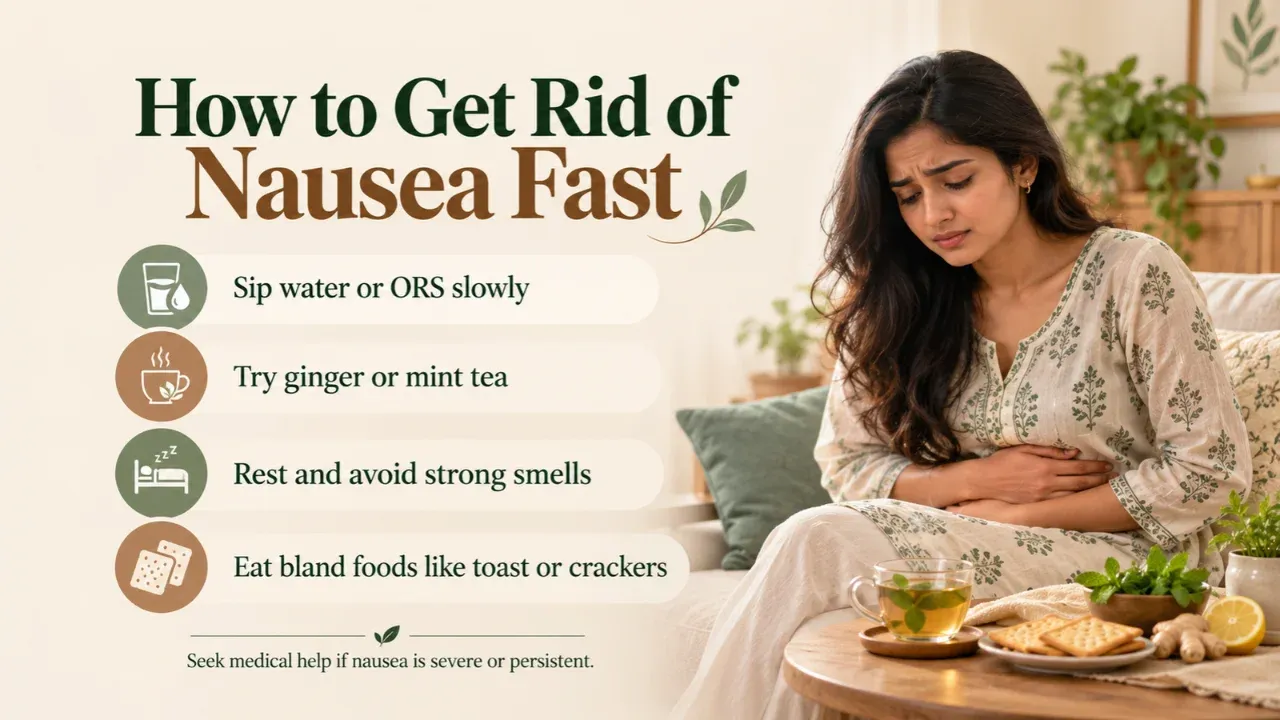
To help relieve mild nausea at home, sit upright, get some fresh air, take small sips of water or another suitable clear fluid, and avoid strong smells and greasy foods. Ginger tea, plain crackers or toast may also help some people. If nausea worsens when you lie down, keep your upper body elevated.
There is no guaranteed instant remedy. The best approach depends on the cause of your nausea. Seek medical attention if symptoms are severe, persistent or accompanied by warning signs such as severe abdominal pain, blood in vomit or significant dehydration.
What Is Nausea?
Nausea is the uncomfortable sensation of feeling sick to your stomach or feeling as though you might vomit. It may occur on its own or alongside vomiting, dizziness, bloating, abdominal discomfort or loss of appetite.
Nausea can be temporary and may improve with simple self-care. Common triggers include indigestion, gastrointestinal infections, motion sickness, migraine, pregnancy, anxiety and certain medicines. Because many conditions can cause nausea, the most effective treatment depends on identifying the likely trigger.
Nausea may also occur with abdominal discomfort. Read more about stomach pain and nausea, their causes and when to see a doctor.
How to Get Rid of Nausea Fast at Home
If your nausea is mild and you do not have any warning signs, these practical steps may help you feel more comfortable.
1. Sit Upright and Rest
Find a comfortable position and limit unnecessary movement. Sitting upright or reclining with your upper body raised may help, particularly if nausea is associated with acid reflux or a recent meal.
Avoid lying completely flat immediately after eating. If movement makes you feel worse, rest in a quiet place until the sensation settles.
2. Take Small Sips of Fluid
Drinking a large amount of water quickly may make nausea worse. Instead, take small, frequent sips of cool water or another clear fluid that you tolerate.
If you are also vomiting or experiencing diarrhoea, you may lose fluids and electrolytes. An oral rehydration solution (ORS) can help replace these losses. Follow the preparation instructions on the packet and seek medical advice if you cannot keep fluids down.
Learn about the symptoms, causes and treatment of dehydration, especially if vomiting or diarrhoea makes it difficult to maintain your fluid intake.
3. Get Fresh Air
Open a window, sit near a fan or step into a comfortable, well-ventilated space. Fresh air may help reduce discomfort, especially when heat, stuffiness or unpleasant smells trigger your nausea.
Avoid smoke, perfume, strong cooking smells and other odours that make you feel worse.
4. Try Ginger
Some people find ginger helpful for nausea. You could try ginger tea or a small amount of ginger-containing food if you tolerate it.
Evidence for ginger varies depending on the cause of nausea, so it should not be considered a guaranteed or universal treatment. If you are pregnant, take regular medicines or plan to use concentrated ginger supplements, ask a healthcare professional about suitability.
5. Eat Small Amounts of Bland Food
If you feel able to eat, try a small portion of plain food rather than a heavy meal. Suitable options may include:
- Plain crackers or toast.
- Rice or plain porridge.
- Banana.
- Plain potatoes.
- Clear soup or broth.
Eat slowly and stop if food makes your nausea worse. You do not need to force yourself to eat during a brief episode, but try to maintain fluid intake.
For more food ideas, read about a bland diet for an upset stomach. Choose foods according to your symptoms and tolerance.
6. Avoid Greasy, Spicy or Strong-Smelling Foods
Fried foods, rich meals and spicy dishes may aggravate nausea in some people. Strong food smells can also make it harder to eat comfortably.
Choose cooler or room-temperature foods if the smell of hot food is a trigger. Once you begin to feel better, gradually return to a varied, balanced diet rather than following a highly restricted diet for a prolonged period.
7. Try Slow, Comfortable Breathing
Stress and anxiety can contribute to nausea in some people. Sit comfortably and breathe slowly without forcing deep breaths. Listening to calming music or using a simple distraction may also help you relax.
These techniques may ease stress-related discomfort, but they should not replace medical assessment when nausea has another cause or comes with concerning symptoms.
How to Stop Nausea Fast at Night
Nausea at night can interfere with sleep and may feel worse when you lie down. The cause may include reflux, a late or heavy meal, medication effects, pregnancy, migraine or another condition.
Keep Your Upper Body Elevated
If lying flat makes the nausea worse, try resting with your upper body raised using a suitable wedge or elevated head-of-bed arrangement. This may be particularly helpful when reflux contributes to the symptoms.
Avoid stacking pillows in a way that bends your neck or makes you uncomfortable. If you suspect reflux, try not to lie down immediately after eating.
Acid reflux is one possible trigger. Learn more about acidity, its symptoms and possible causes.
Avoid Heavy Meals Close to Bedtime
A large, fatty or spicy meal shortly before bed may aggravate digestive discomfort in some people. If you are hungry, consider a small, plain snack rather than a heavy meal.
Notice whether particular foods or drinks consistently trigger nighttime nausea and adjust them accordingly.
Take Small Sips of Water
Keep water nearby and take small sips as needed. Avoid drinking a large volume at once if that worsens your symptoms.
If you are repeatedly vomiting, cannot keep fluids down or notice signs of dehydration, do not rely on home remedies alone.
Reduce Nighttime Triggers
Keep the room comfortably cool and ventilated, avoid strong fragrances, and limit unnecessary movement if it worsens nausea. If you suspect a medicine is contributing to nighttime symptoms, discuss the timing or possible alternatives with your healthcare professional rather than changing the dose yourself.
When Should Nighttime Nausea Be Checked?
Arrange a medical assessment if nighttime nausea keeps returning, disrupts sleep frequently, causes unexplained weight loss or affects your ability to eat and drink. Severe pain, chest pain, confusion, blood in vomit or signs of significant dehydration require urgent assessment.
What Relieves Nausea Fast? Foods and Drinks to Try
Some foods and drinks are easier to tolerate when you feel sick. The right choice depends on your symptoms and what you can comfortably keep down.
| Food or drink | How it may help | What to keep in mind |
|---|---|---|
| Cool water | Helps maintain fluid intake when taken in small sips. | Avoid gulping large amounts if that worsens nausea. |
| Oral rehydration solution | Replaces fluid and electrolytes lost through vomiting or diarrhoea. | Prepare according to the packet instructions. |
| Ginger tea | May help ease nausea for some people. | Effects vary by cause; concentrated supplements may not suit everyone. |
| Plain crackers or toast | Provide a small amount of bland food that may be easier to tolerate. | Eat slowly and stop if symptoms worsen. |
| Rice or plain porridge | Provides energy in a relatively simple meal. | Start with a small portion. |
| Clear soup or broth | Can provide fluid and may be easier to consume than a large meal. | Choose an option that does not trigger your symptoms. |
No single food or drink works for everyone. If nausea is caused by a condition that needs treatment, dietary changes alone may not resolve it.
What Should You Avoid When You Feel Nauseated?
During a mild episode of nausea, consider avoiding the following if they make your symptoms worse:
- Large meals or eating too quickly.
- Greasy, fried or very spicy foods.
- Strong food smells, smoke and heavy fragrances.
- Alcohol.
- Large amounts of fluid taken all at once.
- Lying flat immediately after eating.
- Vigorous activity if movement increases nausea.
Not every trigger affects everyone. Pay attention to your own symptoms rather than unnecessarily eliminating entire food groups.
Can Medicine Help Stop Nausea Fast?
Anti-nausea medicines, sometimes called antiemetics, may help in certain situations. The right option depends on the cause of nausea, your age, pregnancy status, medical history and other medicines you take.
Some medicines are available only with a prescription, while others may be available over the counter for specific uses, such as motion sickness. They can have side effects and may not be suitable for everyone.
Ask a doctor or pharmacist before taking an anti-nausea medicine, especially if you are pregnant, treating a child, have an existing medical condition or take other medicines. Do not use another person's prescription or exceed the instructions on a medicine label.
If nausea follows a new medicine or a dose change, contact the prescribing professional. Do not stop or change prescribed treatment without appropriate guidance.
What Causes Nausea That Does Not Go Away?
Home remedies may help with mild, short-term nausea, but recurring or persistent symptoms need attention to the underlying cause. Possible causes include:
Digestive Conditions
Indigestion, acid reflux, gastroenteritis and delayed stomach emptying can cause nausea. Other symptoms may include bloating, abdominal discomfort, vomiting or changes in bowel movements.
Understanding how digestion works can help explain how the digestive system processes food, although nausea alone cannot identify a specific digestive condition.
Pregnancy
Nausea can occur during pregnancy, particularly in the early months. If pregnancy is possible, consider an appropriate test and speak with a healthcare professional about safe treatment options. Persistent vomiting or difficulty drinking during pregnancy needs prompt medical advice.
Motion Sickness, Migraine or Dizziness
Problems affecting balance or the inner ear, motion sickness and migraine can trigger nausea. Treatment depends on the cause and any associated symptoms.
Medicines and Other Health Conditions
Some medicines, infections and other health conditions may cause nausea. Repeated episodes, unexplained weight loss or symptoms that interfere with daily activities should be assessed by a healthcare professional.
How Is Nausea Connected to Gut Health?
Nausea can be linked to digestive function, but it does not always originate in the gut. Communication between the digestive tract and the brain, often called the gut-brain axis, helps regulate digestive sensations and responses.
Digestion and Stomach Emptying
Indigestion, acid reflux, gastrointestinal infections and delayed stomach emptying may be associated with nausea. Symptoms can differ depending on the cause, so nausea alone cannot confirm a particular digestive condition.
Nausea Can Affect Eating and Hydration
Feeling sick may reduce appetite or make drinking uncomfortable. If vomiting or diarrhoea occurs, fluid and electrolyte losses can become significant. Taking small sips and eating small portions as tolerated may help during mild episodes.
Gut Health Is More Than One Symptom
The gut microbiome is the community of microorganisms living in the digestive tract. Nausea by itself does not show that the microbiome is imbalanced, and there is no single food or supplement proven to quickly correct all causes of nausea.
Gut Health Tip
During a mild episode, focus on fluids, rest and foods you can tolerate. Once you feel better, return gradually to a varied diet. If nausea keeps recurring or affects your ability to eat and drink, seek medical advice to investigate the cause.
Explore more gut health information from Mool Health for general educational guidance on digestive health and related symptoms.
When Should You Seek Medical Help for Nausea?
Seek medical advice if nausea lasts for several days, frequently returns, interferes with eating or drinking, or occurs with unexplained weight loss.
Get urgent medical attention if nausea or vomiting is accompanied by:
- Severe or persistent abdominal pain.
- Blood in vomit or vomit that resembles coffee grounds.
- Green vomit, particularly with pain or other concerning symptoms.
- Severe headache with a stiff neck.
- Confusion, fainting or marked weakness.
- Signs of dehydration, such as very little urination, dark urine or significant dizziness.
- Suspected poisoning.
Call your local emergency number if nausea occurs with chest pain, shortness of breath or other possible signs of a medical emergency. Do not delay urgent care to try another home remedy.
References
- National Health Service (NHS). Feeling sick (nausea).
Key Takeaways
Nausea ICD-10 code R11.0 covers nausea without vomiting, while R11.2 covers nausea with vomiting. Learn related codes and their uses for accurate medical coding.
Your gut is unique your healing should be too.

FAQs
Sometimes mild nausea improves quickly after resting, getting fresh air or sipping fluids. However, there is no guaranteed time for relief, and symptoms may continue if the underlying cause persists.
Small sips of cool water may help some people maintain hydration without making nausea worse. If drinking water triggers vomiting or you cannot keep fluids down, seek medical advice.
Ginger may help reduce nausea for some people, including in certain pregnancy-related or treatment-related situations. Evidence varies by cause, and ginger is not a guaranteed remedy. Check with a healthcare professional before using concentrated supplements if you are pregnant or take regular medicines.
Nausea that worsens when lying down may be associated with acid reflux or other digestive issues, although other causes are possible. Keeping the upper body elevated and avoiding lying down immediately after meals may help. Recurrent symptoms should be evaluated.
No. You do not need to force a full meal during a short episode. Prioritise small sips of fluid and try a small amount of bland food when you feel able to eat. Seek medical care if you cannot maintain hydration or symptoms persist.
Disclaimer
The content provided by Mool Health is for educational and informational purposes only and should not be considered a substitute for professional medical advice, diagnosis, or treatment.