Intestinal Infection: Symptoms, Causes, Treatment, & Prevention
Intestinal infection occurs when viruses, bacteria or parasites affect the intestines, causing diarrhoea, nausea and vomiting. Learn its causes, symptoms, treatment, prevention and gut-health connection.

Quick Answer: What Is an Intestinal Infection?
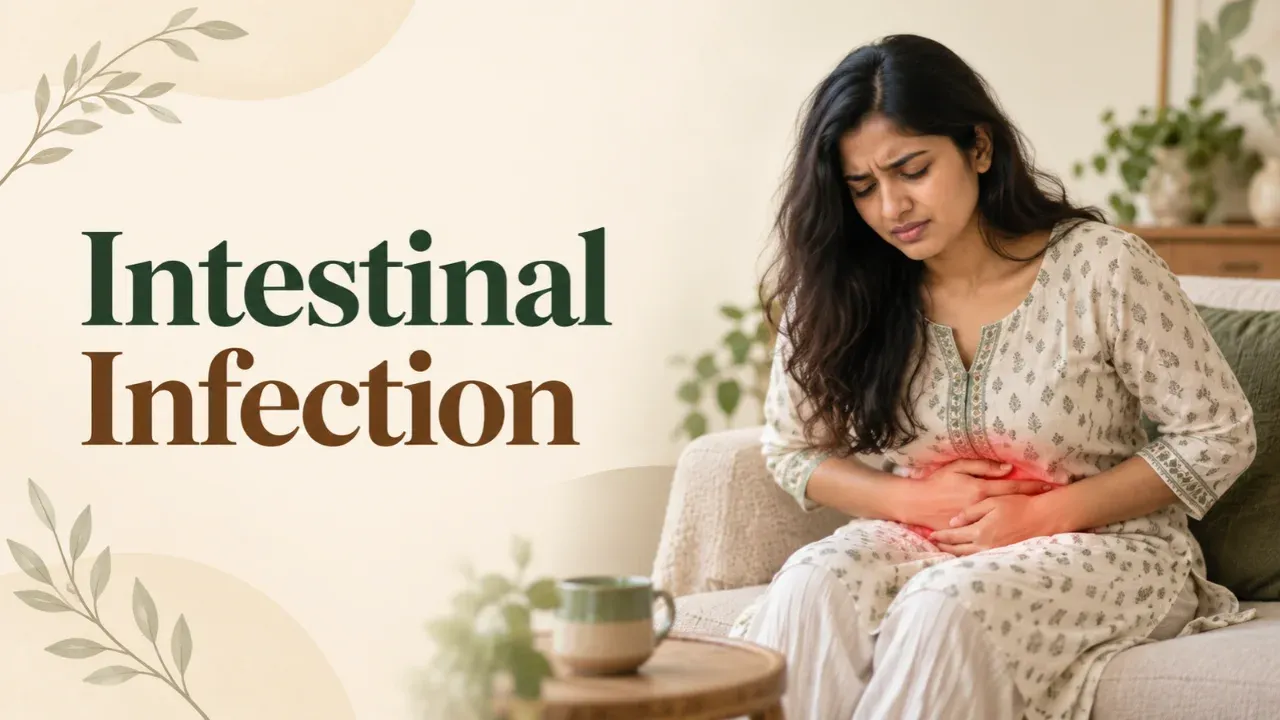
An intestinal infection occurs when harmful viruses, bacteria, or parasites enter your digestive system, usually through contaminated food or water, and irritate the intestines. It can cause diarrhoea, stomach cramps, nausea, vomiting, and fever. Most mild infections improve within a few days with rest and enough fluids, but some may lead to dehydration or require medical treatment. The exact symptoms and recovery time depend on the pathogen responsible for the infection.
What Is an Intestinal Infection?
An intestinal infection is a gut illness that occurs when harmful pathogens enter your digestive system. These pathogens can be viruses, bacteria, or parasites.
Even though the terms are sometimes used interchangeably, an intestinal infection is not necessarily the same as a gastrointestinal infection. The latter refers to infections that can affect the whole digestive tract, including the stomach and the oesophagus, while intestinal infections only refer to infections that affect the small and large intestines.
What Are the Symptoms of Intestinal Infections?
Intestinal infections can cause severe digestive discomfort. A few of the symptoms that you may experience include the following:
- Diarrhoea
- Abdominal pain
- Abdominal tightness
- Nausea and vomiting
- Fever
- Bloating and gas
- Reduced appetite
- Weight loss (temporary)
- Tiredness and body aches
- Dehydration from diarrhoea and vomiting
Some infections can also lead to a discharge of mucus or blood in the stool.
The duration of an intestinal infection depends on the cause and the pathogen involved. Some infections can cause symptoms for weeks if left untreated, while some may improve within a few days. Recovery may also take longer in people with weakened immune systems.
Also Read: Stomach Pain and Nausea
What Causes Intestinal Infections?
An intestinal infection develops when harmful pathogens make their way into your gut through your mouth. There are mainly three types of pathogens responsible for these infections: viruses, bacteria, and parasites.
1. Viruses
Norovirus, adenovirus, and rotavirus are some of the common viruses that can cause intestinal infections. Rotavirus is a common cause of intestinal infections in children.
2. Bacteria
Certain bacteria can cause intestinal infections when they enter your body through contaminated food or water. These include Salmonella, Escherichia coli (E. coli), and Campylobacter. You can even contract bacterial intestinal infections from consuming raw or undercooked meat, poultry, and eggs, as well as unpasteurised dairy products.
3. Parasites
Parasites such as Giardia lamblia, Entamoeba histolytica, and tapeworms can cause intestinal infections after exposure to contaminated water, food, or material contaminated with human or animal waste. Some parasitic infections can last longer without the right treatment.
What Are the Risk Factors of Intestinal Infections?
Anyone can develop an intestinal infection, but certain situations can increase the chance of getting one or experiencing complications. You may be at greater risk if you:
- Drink water that may be contaminated.
- Eat food prepared in unhygienic conditions.
- Eat raw or undercooked foods.
- Do not practise hand hygiene.
- Are in close contact with someone who has an intestinal infection.
- Have a weakened immune system, which can make it harder for your body to fight infections.
- Have a disruption in normal gut bacteria, which may increase susceptibility to certain infections in some circumstances.
Antibiotic use can also affect the normal balance of bacteria in the gut and, in some cases, increase the risk of certain intestinal infections.
Also Read: Digestion Problems
How Can You Treat Intestinal Infections?
The right treatment for intestinal infection depends on its cause and severity of the symptoms. Many mild cases improve with supportive care and symptom management at home, but some require medicines or treatment from a healthcare professional.
Home Care for Intestinal Infections
Home care can help ease symptoms and prevent dehydration while your body recovers. Here are a few steps you can take to stay comfortable and support your recovery.
1. Rest
Give yourself time to recover. Avoid strenuous activities and get plenty of sleep to help your body regain its strength.
2. Replenish Lost Fluids and Electrolytes
Diarrhoea and vomiting can leave your body short of water and important salts. An oral rehydration solution (ORS) can help replace both fluids and electrolytes, especially if you have frequent loose stools. Follow the packet instructions when preparing it. Learn more about the signs and management of dehydration.
3. Eat Small, Light Meals
When you feel ready to eat, start with small portions of foods that are easy on your stomach, such as rice, toast, bananas, potatoes, or soup. You do not need to force yourself to eat if you feel nauseated, but try to keep drinking fluids.
Temporarily choosing easily tolerated foods may help while you recover. A bland diet can offer suitable food options, but it does not directly treat the infection.
If you feel severely dehydrated and weak, or cannot keep fluids down, you may need medical treatment. Electrolytes and fluids may need to be given intravenously (IV).
A healthcare professional may also recommend stool tests or other diagnostic tests if the symptoms, duration, or severity suggest that further investigation is needed.
Medical Treatment for Intestinal Infections
Based on your symptoms, their severity, and test results, a doctor may prescribe the following treatments:
- Medicines to manage fever, abdominal pain, nausea, vomiting, and diarrhoea when appropriate.
- Antibiotics for selected bacterial infections when a healthcare professional determines they are necessary. Not every bacterial intestinal infection requires antibiotics.
- Antiparasitic medicines if a treatable parasitic infection is identified.
When Should You Consult a Doctor?
Mild symptoms may improve with home care, but do not wait for them to pass if you notice signs of a more serious illness. Seek medical advice promptly if you have any of the following symptoms:
- Severe or worsening abdominal pain.
- Blood in your stool or black, tar-like stools.
- A high or persistent fever.
- Repeated vomiting or difficulty keeping fluids down.
- Frequent diarrhoea that continues beyond two days.
- Signs of dehydration, such as very little or dark urine, a dry mouth, intense thirst, dizziness, or unusual weakness.
- Confusion or unusual drowsiness.
Infants, young children, older adults, pregnant people, and those with weakened immune systems should seek advice earlier, as they may be more vulnerable to complications. If symptoms are severe or the person seems seriously unwell, seek urgent medical care.
Can You Prevent Intestinal Infections?
You cannot avoid every intestinal infection, but everyday hygiene and safe food habits, such as the following, can lower your risk of contracting them.
- Wash your hands well: Use soap and water after using the toilet, changing diapers, and before preparing or eating food.
- Follow food hygiene practices: Cook meat, poultry, and eggs thoroughly. Refrigerate perishable food, and avoid consuming food that may have been stored unsafely. Clean fruits and vegetables before eating or preparing them.
- Ensure the safety of drinking water: Only drink water from a reliable, safe source. When its safety is uncertain, use an appropriate method, such as boiling, to make it safe before drinking.
- Be careful while travelling: Pay attention to food hygiene and water safety, particularly in places where sanitation may be limited.
- Stay up to date with recommended vaccines: Vaccination can help prevent some infections, including rotavirus in children.
Mool Health's Perspective on Intestinal Infections
Intestinal infections can leave you feeling drained. Following the right preventive measures can help keep you safe from contracting those infections to a certain extent.
But along with following those measures, it is also essential to keep a check on your gut health. Changes in gut bacteria may be associated with susceptibility to some intestinal infections, although they are not the only factor and do not explain every infection.
At Mool Health, we believe that taking care of your gut starts with knowing more about it. The Mool Health Gut Test can help you learn more about your gut health and make informed choices to support it.
Also Read: Gut-Healthy Foods
References
- Campos, A. (2023). Gastrointestinal Infections: Diagnosis, Causes and Prevention. Journal of Probiotics & Health, 11(2), 320. DOI: 10.35248/2329-8901.23.11.320.
- Burd, E. M., & Hinrichs, B. H. (2015). Gastrointestinal Infections. In Clinical Microbiology (pp. 707–734). Springer. DOI: 10.1007/978-3-319-19674-9_50.
- Chamberlain, N. R. (n.d.). Gastrointestinal and Hepatobiliary Infections. A.T. Still University.
- Healthdirect Australia. (n.d.). Bowel Infections. Healthdirect Australia.
- Mehravar, S. (n.d.). Treatments for GI Infections. International Foundation for Gastrointestinal Disorders (IFFGD).
- Elsevier. (n.d.). Gastrointestinal Infection. ScienceDirect.
- Feleke, B. E., Beyene, M. B., Feleke, T. E., Jember, T. H., & Abera, B. (2019). Intestinal Parasitic Infection Among Household Contacts of Primary Cases: A Comparative Cross-Sectional Study. PLOS ONE, 14(10), e0221190. DOI: 10.1371/journal.pone.0221190.
Key Takeaways
- Intestinal infections occur when harmful viruses, bacteria, or parasites infect the intestines.
- Common symptoms include diarrhoea, abdominal cramps, nausea, vomiting, fever, bloating, and reduced appetite.
- Some infections can cause blood or mucus in the stool and may require medical assessment.
- Contaminated food or water, poor hand hygiene, undercooked foods, and close contact with infected people can increase the risk of infection.
- Many mild intestinal infections improve with rest, fluids, and supportive home care.
- Oral rehydration solution (ORS) can help replace the water and electrolytes lost through diarrhoea or vomiting.
- Small portions of easily tolerated foods such as rice, toast, bananas, potatoes, and soup may be comfortable during recovery.
- Antibiotics are appropriate only for selected bacterial infections and should not be taken without medical guidance.
- Severe abdominal pain, blood in the stool, high fever, persistent vomiting, and signs of dehydration need prompt medical attention.
- Infants, young children, older adults, pregnant people, and those with weakened immune systems may need earlier medical assessment.
- Handwashing, safe drinking water, hygienic food preparation, and recommended vaccines can reduce the risk of some intestinal infections.
- Gut-health habits can support general digestive wellbeing, but they cannot replace diagnosis or treatment for an active intestinal infection.
Your gut is unique your healing should be too.

FAQs
During an intestinal infection, choose simple foods that you can tolerate, such as bananas, plain rice, toast, crackers, boiled potatoes, or soup. These may be easier to eat while your stomach is unsettled. Drink enough fluids, and consider ORS if diarrhoea causes significant fluid loss.
Avoid foods that are greasy, spicy, or high in added sugar during an intestinal infection, since they may make diarrhoea or nausea worse for some people. Milk and other dairy products may also temporarily upset your stomach after some intestinal infections.
Yes, you can eat eggs when you have an intestinal infection, if you can tolerate them. Make sure that the eggs are fully cooked. Avoid raw or undercooked eggs, as they may carry harmful bacteria. Start with a small portion if you still feel nauseated.
Plain yoghurt may be easier to tolerate than some other dairy products, but it does not cure an intestinal infection. However, an infection can temporarily affect how well your body digests lactose (the natural sugar in milk). If you notice more bloating, cramps, or diarrhoea after eating yoghurt, avoid it until your digestion settles. Otherwise, you can have a small serving if it does not upset your stomach.
Intestinal infections are commonly grouped by the pathogen responsible: Viral infections: Caused by viruses such as norovirus and rotavirus. Bacterial infections: Caused by bacteria such as Salmonella , E. coli , and Campylobacter . Parasitic infections: Caused by parasites such as Giardia . Their symptoms can overlap, so symptoms alone may not tell you which type of infection you have. A healthcare professional can advise whether testing or specific treatment is needed.
Disclaimer
The content provided by Mool Health is for educational and informational purposes only and should not be considered a substitute for professional medical advice, diagnosis, or treatment.