
Everything You Need to Know About Irritable Bowel Syndrome (IBS)
This blog explains what IBS is, its symptoms, types, causes, risk factors, IBS vs IBD, IBS vs food poisoning, treatment options and FAQs.
Quick Answer
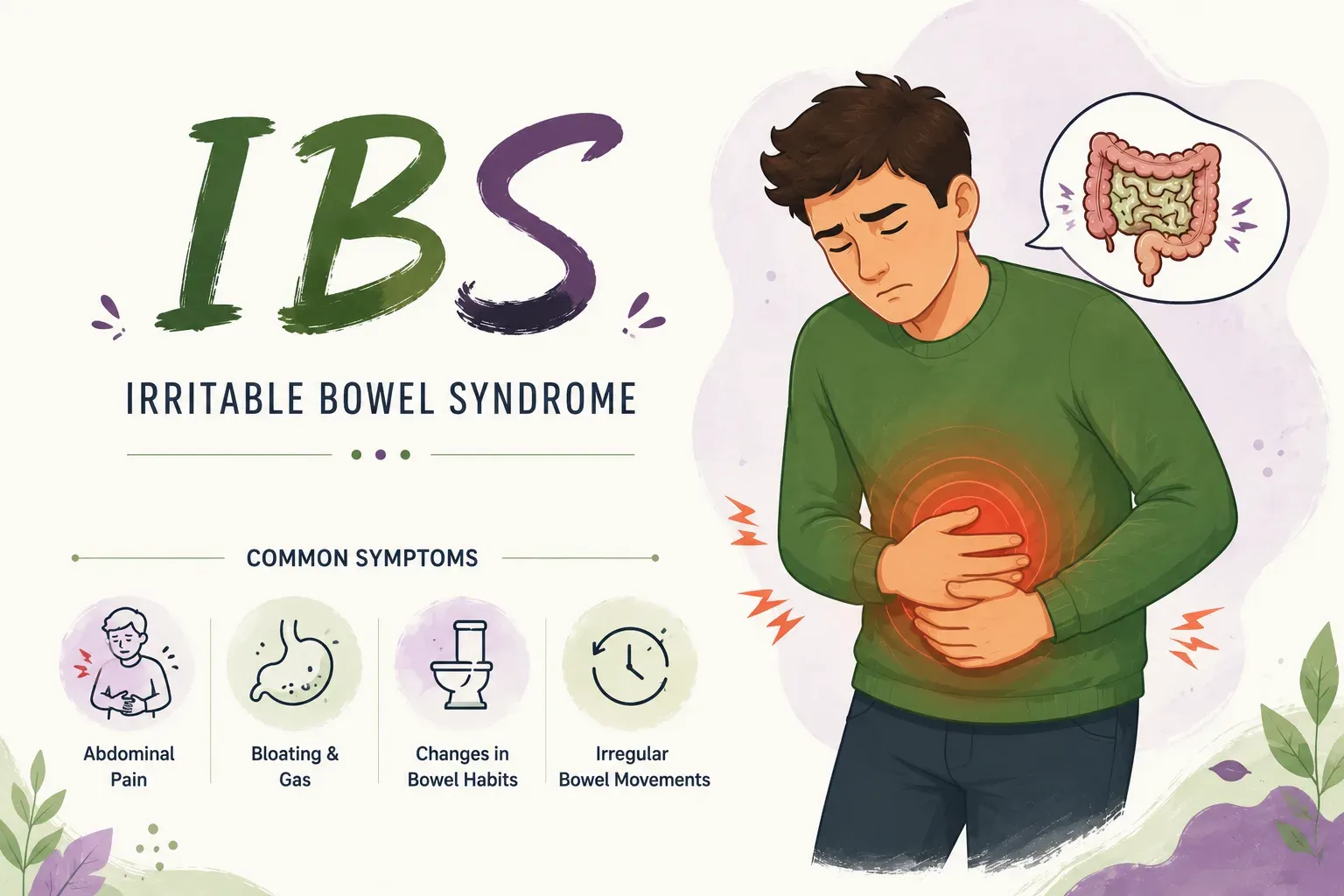
IBS (Irritable bowel syndrome) is a chronic condition that affects the abdomen with recurring pain, bloating, and even irregular bowel movements. People with IBS disease often experience diarrhea, constipation, or both. However, the IBS does not affect the digestive system. IBS is often caused by a gut and brain disorder and is mostly manageable with a combination of diet, stress management, and the right medication.
If you’ve searched for "what is IBS" at least once after having a rough stomach day, chances are your gut has been trying to tell you something. And if the stomach troubles are showing up more often and affecting your daily life, it's time to take it seriously. IBS is a common disorder that occurs when the interconnected pathways of the gut and brain are altered. While IBS does not have harmful effects, the right treatment can show noticeable differences.
What is IBS?
If you've ever dealt with unexplained stomach cramps, bloating that won't go away, or unpredictable trips to the bathroom - you're not alone. Many of us experience these symptoms, thinking of it as just a bad stomach day or hormonal changes, but when these symptoms keep coming back, it could be a sign of something more.
People often ask what is the full form of IBS. In medical terms, IBS stands for irritable bowel syndrome. This is a chronic condition that affects the gastrointestinal system - typically the small and large intestines.
According to the study made by AboutIBS, 5-10% of the world population, which roughly means 415-830 million people.
Unlike normal abdominal pain, IBS often involves:
- recurring cramps,
- bloating
- and gas caused by muscle contractions,
- or even sensitivity triggered by certain foods.
IBS is a functional disorder that typically occurs in late teens and adults up to the age of 50. It is less common in younger people, but can also occur in older adults above the age of 50. There are a few studies that state it can occur in younger children aged between 4 and 9.
What is the Meaning of IBS?
IBS is a functional disorder that occurs when there are unusual changes in pathways between the gut and brain.
Types of IBS
Not every abdominal pain can be a sign of IBS. Now that you understand what IBS exactly is, it is also important to understand the types of IBS, so that you get a diagnosis, treatment, or therapy accordingly. The types of IBS are:
- IBS-C (Constipation) is the type where your gut basically slows everything down, and you're dealing with hard, lumpy stools, and struggle with constipation, straining, and infrequent bowel movements. It's frustrating and uncomfortable in a way that's hard to explain to someone who hasn't been through it.
- IBS-D (Diarrhea) is when your gut is always in a rush, so you experience loose, watery stools, and a sudden urge to use the bathroom. It can make you anxious, and even leaving the house can feel a lot uncomfortable.
- IBS-M (Mixed) is honestly one of the more confusing ones to deal with. You might be dealing with diarrhea one day and feel constipated the next. And sometimes even both on the same day. It keeps you constantly guessing.
- IBS-U (Unsubtyped) is when your symptoms just don't fit neatly into any of the above boxes. Maybe they shift too much, or they're a little bit of everything. It just means your gut is doing its own unpredictable thing.
What Are IBS Symptoms?
The symptoms for IBS vary from person to person. When a person has IBS - irritable bowel syndrome, they may experience:
- Abdominal pain
- Bloating
- Diarrhea
- Constipation
- Changes in bowel movements
- Feeling uncomfortable after bowel movements
- White mucus discharge in stools
- Mood changes, anxiety, or depression.
If you face any of these symptoms, there is a chance that your abdominal pain isn’t the regular pain that can be ignored or treated with normal home remedies.
Women Experience IBS Differently
While the common symptoms occur in both males and females. Here's something many people don't realise: women often experience IBS in a way that goes beyond the usual symptoms. Hormonal changes play a real role, which means things can feel noticeably worse depending on where you are in your cycle. Women with IBS may also deal with:
- Worsened symptoms during menstruation.
- Increased fatigue and poor sleep quality
- Severe pelvic pain
- Increased urge and frequency of urination.
- Painful sexual intercourse in some cases.
While the symptoms can feel a lot, they can be managed with the right lifestyle and dietary changes, along with dedicated medication. A combination of these healthy practices can help you treat the root cause and reduce the pain.
What is IBS Disease and Its Causes?
While IBS is not life-threatening, it significantly impacts your daily activities and productivity. According to doctors, there isn’t one particular reason that causes IBS. Also, stress doesn’t directly affect or trigger IBS. But stress can worsen the symptoms of IBS by affecting the gut and brain connection.
According to experts from the US health department, there might be some underlying causes for IBS, such as:
- Stressful life events
- Difficulty in early life
- Certain mental disorders, like depression or anxiety.
- Bacterial infection in the digestive tract.
- Bacterial overgrowth, either in the type of bacteria or the amount of bacteria in your small intestine.
- Sensitivity to certain food items or food intolerances.
- Even genetics can make some people prone to IBS.
Treating IBS after understanding the root cause can help you relieve the pain and reduce symptoms of pain.
Risk Factors of IBS
Being aware of the risk factors associated with IBS is important - whether it's being prepared to identify symptoms, treating IBS in an early stage, or even managing your lifestyle to prevent it. Here are certain risk factors of IBS that you should be aware of:
- Gender & Age
- Stress & Mental Health
- Family History
- Gut Infections
- Gut Bacteria
- Medications
- Lifestyle
Knowing the factors that increase your risk of IBS can help you avoid or diagnose the problem.
What is the IBS Problem?
The IBS problem is basically a chronic condition where you experience abdominal pain, constipation, diarrhea, or even both. Though this condition is not severe, it can affect your day-to-day routine due to prolonged pain.
What is IBS and IBD?
People often confuse IBS (Irritable Bowel Syndrome) with IBD (Inflammatory Bowel Disease), which is understandable as both are related to the bowel. However, there is a huge difference between the two. IBS is a chronic condition caused by a functional disorder of the gut. IBD is a chronic and immune-mediated disease caused by an inappropriate or overactive immune system.
IBD is a more concerning disease that can cause multi-organ damage, inflammation, and ulcers in the digestive tract. Here’s how you can differentiate between IBS and IBD:
| IBS (Irritable Bowel Syndrome) | IBD (Inflammatory Bowel Disease) |
|---|---|
| It is not a life-threatening disease. | It is a chronic inflammation. |
| IBS causes prolonged pain, usually in the abdominal region and bowel movements. | IBD damages the intestinal lining, inflammation and ulcers. |
| Often includes symptoms like diarrhea, constipation, and bloating. | Often includes severe symptoms like bloody diarrhea, fever, and even significant weight loss. |
| IBS does not increase the risk of having cancer. | IBD can increase the risk of colon cancer (intestinal or bowel cancer). |
| IBS can be managed with dietary and lifestyle changes, with specific medication. | IBD requires advanced medication, monitoring, and even surgery for severe cases. |
How is IBS different from a Normal Stomachache?
We all have bad stomach days, whether due to heavy eating, periods, or other reasons. But how will one understand whether the stomach pain is just regular discomfort or something like IBS? Here are some factors that will help you understand how IBS is different from a regular stomachache:
| IBS (Irritable Bowel Syndrome) | Normal Stomach Ache |
|---|---|
| It is a recurring, chronic condition that can last for months or longer if left untreated. | It is short-term and goes away in less than a day or two. |
| Happens regularly, more than once or twice a week. | Happens occasionally after overeating or right before or during your menstruation. |
| It affects bowel habits and causes diarrhea or constipation. | Rarely affects bowel habits and mild signs of diarrhea or constipation. |
| It requires dietary and lifestyle changes for relief. | An antacid or a normal rest, like a warm compress, is enough for relief. |
| It largely disrupts your daily routine. | It barely disrupts your routine. |
If your stomach pain occurs more than usual, you should check the underlying cause and treat it at the earliest to get pain relief.
What is IBS Syndrome?
IBS (Irritable bowel syndrome) is a chronic condition that affects your digestive system and impacts the quality of your life. While there is no fixed cause, it can sometimes happen due to lifestyle and genetics. It has painful symptoms triggered by certain food items, stress, reactions to antibiotics, hormonal changes, and even previous infections.
How is IBS Different From Food Poisoning?
Many people develop IBS usually after a severe gastrointestinal infection or food poisoning. Understanding your root cause is essential, as it can help you get the right treatment. It is often recommended to see a medical professional if you experience severe symptoms that alter your routine.
If you want to understand how food poisoning and IBS differ, here are some important factors about them:
| IBS (Irritable Bowel Syndrome) | Food Poisoning |
|---|---|
| It is a gut-brain dysfunction that gets triggered by stress, diet, or genetics. | It is a reaction to consuming contaminated food or water. |
| If left untreated, it can persist for months or years. | If mild, it usually resolves within a week. |
| It occurs gradually, and pain keeps recurring. | It occurs suddenly, within hours of eating. |
| IBS rarely causes fever. | It is common to have a fever due to food poisoning. |
| It requires a long-term lifestyle and diet management with medications. | It requires rest, hydration, and antibiotics. |
What is the Treatment for IBS?
If the underlying cause for irritable bowel syndrome is more than one, it won't be the right thing to use just one particular product to treat that. Doctors generally recommend that treating the root cause by using a holistic approach helps you build a sustainable and gut-friendly lifestyle. This not only helps you target the IBS disease but also maintains a healthy gut, which is essential to staying healthy in the long run.
Home Remedies for IBS
People usually try simple, tested home remedies for IBS, such as:
- Reducing consumption of starchy and sugary carbohydrates
- Increasing fiber intake
- Increased hydration to support digestion
- Taking probiotics
- Practising yoga and other relaxation techniques
- Eating small and lighter meals
- Avoiding triggering foods
- Having ginger or peppermint tea for relaxation.
While home remedies have low side effects, they alone may not be enough for everyone.
Foods to Ease IBS
If you are facing IBS, it is often recommended to eat food that is easy to digest. Foods that contain lean protein, such as:
- Chicken,
- Eggs,
- Fish (salmon and sardine),
- Tofu,
- Vegetables and fruits with Low-FODMAP (eliminating food that can be poorly digested and cause digestive problems).
- Grains like rice, quinoa, and oats are considered safe.
Note - Do not follow any diet blindly without consulting your doctor or a clinical nutritionist.
Doctor-Recommended Treatment for IBS
Doctors usually recommend treatment after diagnosing the patient’s disease and past medical history. When the severity of your symptoms differs, a doctor may also recommend:
- Antispasmodics in order to reduce muscle cramps.
- Laxatives for patients with symptoms of constipation.
- Anti-diarrhoeal medications for patients facing frequent loose stools.
- A Low-FODMAP diet plan guided by a clinical nutritionist to identify and eliminate trigger foods.
Following these measures can help treat symptoms, but conditions like IBS require analysing the root cause and following a dedicated treatment that actually works for it.
To permanently treat chronic conditions like IBS disease, one of the safest ways is to treat your gut health and relieve the pain. Instead of treating the symptoms, you can use treatments recommended by doctors to treat the root cause. A personalised approach that works on the level of severity of IBS that you are facing can help you treat it.
What is the Best Medication for IBS?
There is no single best medication for IBS; a combination of medicine, dietary, and lifestyle changes can work in treating the syndrome.
Mool Health’s Perspective on IBS
Mool Health primarily follows a holistic approach based on the principles of Ayurveda. It works to treat issues like acidity, bloating, gas, and constipation. Instead of working on the symptoms, it targets the root causes and improves gut health, which helps you build a healthier gut.
Taking a detailed Gut Health Test from Mool Health helps you understand the actual reason behind your stomach and abdominal problems. Instead of prescribing generic medicines, they customise the treatment according to your symptoms, causes, and any other underlying concerns. You can also avail the free diet plan by Mool Health that is crafted by experts based on your symptoms, specifically for your condition. So you don’t end up taking any random diet, but the one that works for your gut.
Key Takeaways
This blog explains what IBS is, its symptoms, types, causes, risk factors, IBS vs IBD, IBS vs food poisoning, treatment options and FAQs.
Your gut is unique your healing should be too.

FAQs
IBS symptoms differ for every person based on the severity of their condition. The most common symptoms that you might experience with IBS are stomach pain, bloating, gas, diarrhea, and constipation. Some people even experience a mix of these.
Whether IBS can be fully cured really depends on how severe it is for you personally. If your symptoms are on the milder side, you can get things under control with the right medical treatment and by taking consistent care of your gut. But if you're dealing with severe IBS, you need to manage it rather than expecting a complete cure. Either way, talking to a doctor is genuinely worth it, especially when the symptoms start seriously affecting your day-to-day life.
Triggers are different for every person, and understanding your body and pattern can really help in avoiding them. Certain foods, stress, hormonal changes, and even lack of sleep can trigger IBS.
Everyone experiences different symptoms, so if you've been dealing with recurring stomach pain, bloating, or unpredictable bowel habits for more than a few weeks, it's worth getting checked. One cannot solely rely on self-diagnosis. It is better to get diagnosed by a doctor.
People with IBS should often avoid consuming food that contains: Dairy Caffeine Alcohol Fatty/fried/processed foods Artificial sweeteners
IBS is a chronic condition, and there is no permanent cure for it. However, IBS can be managed effectively with the right treatment. You need to maintain your gut health to avoid getting a gut-related disease in the future.
IBS isn't a life-threatening condition, and it doesn't damage your gut, but that doesn't mean it is not serious. When the symptoms get bad, they can genuinely affect your work, social life, mental health, and overall quality of life - and that's serious enough to deserve proper attention.
People with IBS need to be mindful of their diet, as eating food that triggers their gut can worsen the pain. It is important to avoid these five foods: Onions, Garlic, Mushrooms Wheat Vegetables from the cabbage family Legumes like beans, lentils, and chickpeas Fruits like apples, blackberries, cherries, mangoes, peaches, plums, watermelons, and dried fruits.
IBS is a long-term condition, which means it doesn't just go away on its own after a few days. But the good news is that with the right care, most people learn to manage it well enough that it barely interrupts their life.
Stress doesn't directly cause IBS, but it's one of the biggest reasons the symptoms of IBS flare up. As your gut and brain are closely connected, when you're overwhelmed or anxious, your digestive system feels it too.
To permanently treat chronic conditions like IBS disease, one of the safest ways is to treat your gut health and relieve the pain. Instead of treating the symptoms, you can use treatments recommended by doctors to treat the root cause. A personalised approach that works on the level of severity of IBS that you are facing can help you treat it.
In most cases, the IBS disease does not go away on its own. It is a chronic and long-term condition that needs to be managed so that the symptoms do not affect your routine. Though this is a chronic condition, people with low and mild severity usually experience the symptoms for a short period of time, and with the right treatment that targets the cause, it does get better and becomes manageable.
Disclaimer
The content provided by Mool Health is for educational and informational purposes only and should not be considered a substitute for professional medical advice, diagnosis, or treatment.