
Why Does Your Stomach Hurt? 15 Common Causes Explained
Stomach pain can result from gastritis, ulcers, IBS, infections, food intolerance or other conditions. Learn the common causes, symptoms and warning signs.
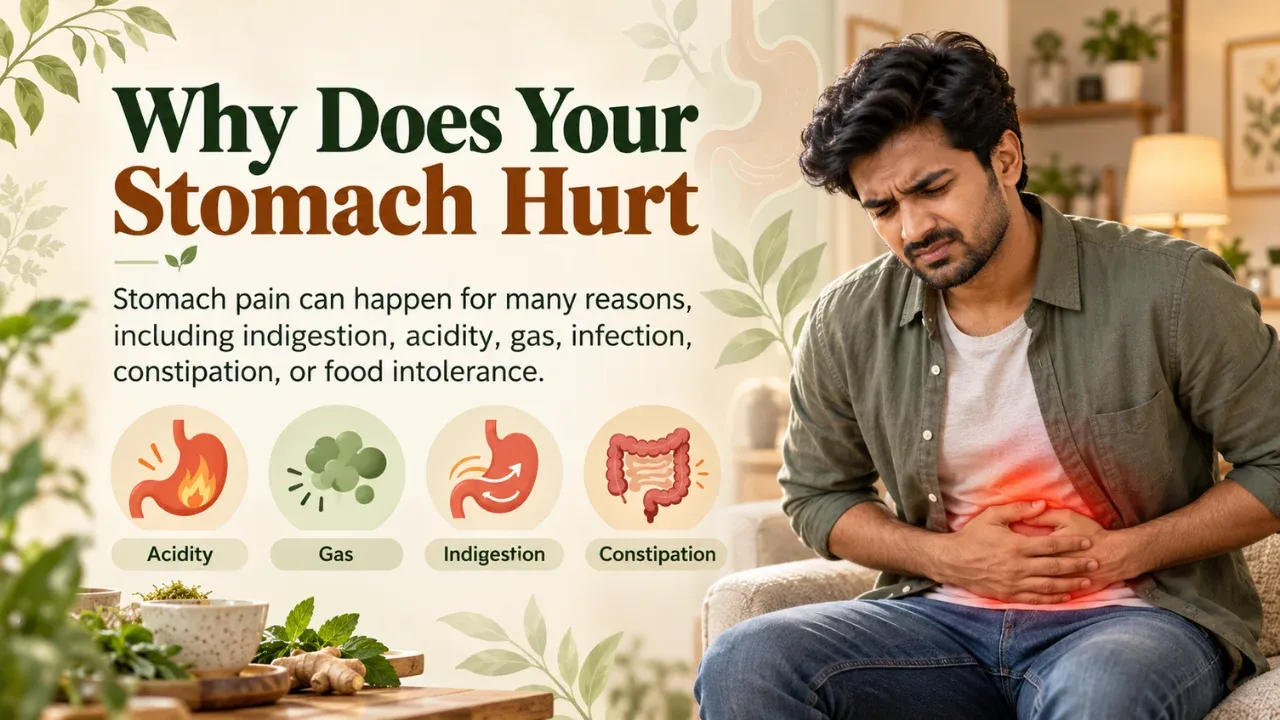
Quick Answer:
Stomach pain can happen for many reasons, including gastritis, peptic ulcers, viral gastroenteritis, food poisoning, IBS, lactose intolerance, food allergies, appendicitis, gallstones, constipation, acid reflux, kidney stones, pancreatitis, menstrual cramps, and pelvic conditions. The location, severity, duration, and accompanying symptoms often provide clues to the cause. Sudden severe pain, blood in vomit or stool, persistent vomiting, high fever, or rapidly worsening symptoms require medical assessment.
Tummy Trouble: What Stomach Pain Is Trying to Tell You
Stomach pain, clinically called abdominal pain, refers to any discomfort felt between the chest and the pelvis. It can originate from the stomach itself, the intestines, the liver, the gallbladder, the pancreas, or reproductive organs — all of which share the abdominal cavity.
Abdominal pain is one of the most common reasons people visit a doctor, accounting for approximately 5–10% of all emergency department visits globally. The pain may be:
- Acute — sudden onset, lasting hours to days
- Chronic — recurring over weeks, months, or longer
- Localised — concentrated in one area
- Diffuse — spread across the entire abdomen
Identifying the type and location of pain is the first step. Pain in the upper centre of the abdomen often points to the stomach or pancreas. Pain in the lower right may suggest appendicitis. Lower abdominal cramping frequently involves the intestines or reproductive organs.
1. Gastritis: When the Stomach Lining Becomes Inflamed
Gastritis is the inflammation of the stomach lining, typically causing a burning or gnawing pain in the upper abdomen.
The stomach lining produces a mucus layer that protects it from digestive acid. When that layer is damaged or thinned, stomach acid irritates the exposed tissue, causing inflammation. This is the core mechanism behind gastritis.
Common causes of gastritis include:
- Helicobacter pylori (H. pylori) bacterial infection — present in roughly 44% of the global population
- Regular use of NSAIDs such as ibuprofen or aspirin
- Excessive alcohol consumption
- Prolonged stress
- Autoimmune conditions (less common)
Symptoms to look for:
- Burning pain or discomfort in the upper abdomen, often worse when the stomach is empty
- Nausea or vomiting
- Feeling of fullness after eating small amounts
- Indigestion or bloating
Gastritis can be acute (short-term, triggered by a specific cause) or chronic (ongoing, typically linked to H. pylori or long-term NSAID use). Mool Health notes that untreated chronic gastritis can increase the risk of peptic ulcers and, in rare cases, stomach cancer.
2. Peptic Ulcer: Open Sores in the Stomach or Small Intestine
A peptic ulcer is an open sore that develops on the inner lining of the stomach (gastric ulcer) or the upper section of the small intestine (duodenal ulcer).
Peptic ulcers form when the balance between stomach acid and the protective mucus lining breaks down. H. pylori infection and NSAID overuse are responsible for the vast majority of cases.
Key symptoms include:
- A burning or dull aching pain in the centre or upper abdomen
- Pain that improves temporarily after eating or taking antacids in some cases
- Pain that worsens after eating in others
- Bloating or nausea
- Dark or tarry stools
- Vomiting blood in severe cases
Peptic ulcers do not always cause obvious symptoms. Untreated ulcers can lead to internal bleeding, perforation, or obstruction — all medical emergencies.
Treatment typically involves antibiotics when H. pylori is present, proton pump inhibitors to reduce acid, and addressing contributing medicines or lifestyle factors.
3. Stomach Virus: Viral Gastroenteritis and Gut Inflammation
A stomach virus — medically known as viral gastroenteritis — is an infection of the digestive tract caused by viruses such as norovirus or rotavirus.
Viral gastroenteritis inflames the lining of the stomach and intestines, disrupting normal fluid absorption and causing rapid onset of symptoms.
Typical symptoms include:
- Sudden cramping abdominal pain
- Nausea and vomiting
- Watery diarrhoea
- Low-grade fever
- Muscle aches and fatigue
The infection is highly contagious and can spread through contaminated food, water, or contact with an infected person.
What to do:
- Stay hydrated with water or oral rehydration solution
- Avoid heavy or difficult-to-digest foods while symptoms are active
- Rest and allow the body to recover
- Seek care if symptoms persist, blood appears in stool or vomit, or dehydration develops
4. Food Poisoning: When Contaminated Food Triggers Sudden Stomach Pain
Food poisoning is an illness caused by eating food contaminated with bacteria, viruses, parasites, or their toxins. It is one of the common causes of sudden stomach pain.
The mechanism varies by pathogen. Bacterial toxins can trigger inflammation in the digestive tract within hours of ingestion, while other infections can take longer to cause symptoms.
Food poisoning commonly causes:
- Sudden abdominal cramps
- Nausea or vomiting
- Diarrhoea
- Fever or chills
- Weakness or dizziness
Risk factors include:
- Undercooked meat, eggs, or seafood
- Unpasteurised foods
- Improperly stored leftovers
- Cross-contamination during food preparation
5. Irritable Bowel Syndrome: Chronic Gut Sensitivity Without Structural Damage
Irritable bowel syndrome (IBS) is a chronic functional gastrointestinal disorder characterised by recurring abdominal pain linked to changes in bowel habits without visible structural damage to the digestive tract.
The main subtypes of IBS are:
| IBS Type | Primary Symptom | Bowel Pattern |
|---|---|---|
| IBS-C | Constipation-predominant | Hard, infrequent stools |
| IBS-D | Diarrhoea-predominant | Loose, frequent stools |
| IBS-M | Mixed | Alternating between both |
| IBS-U | Unsubtyped | No clear pattern |
Common symptoms include:
- Cramping or aching abdominal pain
- Bloating and excess gas
- Mucus in stool
- Urgency to use the toilet
- Feeling of incomplete evacuation
The exact cause of IBS is not fully understood. Gut-brain signalling, altered bowel movement, increased digestive sensitivity, food triggers, and stress can all influence symptoms.
6. Lactose Intolerance: When the Body Cannot Digest Dairy Properly
Lactose intolerance is the inability to fully digest lactose — the natural sugar found in milk and dairy products — due to insufficient production of the enzyme lactase in the small intestine.
When lactase levels are low, undigested lactose passes into the large intestine, where bacteria ferment it. This process produces gas and draws water into the bowel.
Symptoms can include:
- Bloating and abdominal cramps
- Excess gas
- Diarrhoea or loose stools
- Nausea
Lactose intolerance should not be confused with a milk allergy. Lactose intolerance is a digestive problem, while a food allergy involves the immune system.
7. Pelvic Inflammatory Disease: Infection-Driven Lower Abdominal Pain in Women
Pelvic inflammatory disease (PID) is an infection of the female reproductive organs, including the uterus, fallopian tubes, and ovaries.
PID causes lower abdominal or pelvic pain because infection leads to inflammation in reproductive tissues.
Symptoms of PID include:
- Lower abdominal or pelvic pain
- Unusual vaginal discharge
- Pain during sex or urination
- Irregular or heavy bleeding
- Fever
- Nausea or vomiting
8. Food Allergy: When the Immune System Overreacts to What You Eat
A food allergy is an immune-mediated reaction to a specific food protein, where the body identifies a normally harmless substance as a threat.
Unlike food intolerance, food allergy activates the immune system and can affect the digestive tract, skin, breathing, and circulation.
Gastrointestinal symptoms can include:
- Stomach cramps
- Nausea
- Vomiting
- Diarrhoea
- Tingling or swelling around the mouth
Common allergens include peanuts, tree nuts, shellfish, fish, milk, eggs, wheat, and soy.
9. Appendicitis: A Medical Emergency Starting as Stomach Pain
Appendicitis is inflammation of the appendix and is an important cause of acute abdominal pain requiring urgent medical assessment.
Appendicitis often begins when the appendix becomes blocked, leading to inflammation and increasing pressure.
Classic symptom progression includes:
- Dull pain around the navel
- Pain shifting towards the lower-right abdomen
- Increasing pain intensity
- Nausea or vomiting
- Loss of appetite
- Fever
Warning signs of rupture can include:
- Rapidly worsening abdominal pain
- High fever
- A rigid abdomen
- Rapid heart rate
10. Gallbladder Attack: Intense Upper Abdominal Pain from Gallstones
A gallbladder attack, also called biliary colic, occurs when gallstones block the normal flow of bile from the gallbladder.
The gallbladder stores bile — a digestive fluid produced by the liver — and releases it when you eat, particularly after fatty meals. When a stone blocks bile flow, pressure and gallbladder contraction can produce sudden, intense pain.
Symptoms can include:
- Sudden, intense pain in the upper-right or upper-centre abdomen
- Pain radiating to the right shoulder blade or back
- Nausea and vomiting
- Symptoms after fatty meals
- Fever or chills if infection develops
- Jaundice if the bile duct becomes blocked
Dietary management may help reduce attacks in some people, but established symptomatic gallstones often require medical treatment and may require laparoscopic cholecystectomy, which is surgical removal of the gallbladder.
11. Acid Reflux: When Stomach Acid Moves Upwards
acid reflux occurs when stomach contents move backwards into the oesophagus. This can cause a burning sensation in the chest or upper abdomen and may be mistaken for stomach pain.
Common symptoms include:
- Burning discomfort behind the breastbone
- Upper abdominal pain
- Sour or bitter taste in the mouth
- Frequent belching
- Symptoms after large meals
- Worsening discomfort when lying down
Eating smaller meals, avoiding lying down immediately after eating, and identifying personal trigger foods may help reduce reflux symptoms.
12. Constipation: Abdominal Pain From Slow Bowel Movement
Constipation occurs when bowel movements become infrequent, difficult, or incomplete. Stool that remains in the colon for longer periods becomes harder and more difficult to pass.
The build-up of stool and gas can cause cramping, pressure, bloating, and lower abdominal discomfort.
Common signs include:
- Hard or dry stools
- Straining during bowel movements
- Fewer bowel movements than usual
- Feeling of incomplete evacuation
- Abdominal bloating or discomfort
Adequate hydration, gradual fibre intake, regular physical activity, and a consistent bowel routine can help many people.
13. Kidney Stones: Severe Pain That Can Feel Like Stomach Pain
Kidney stones are hard mineral deposits that form inside the kidneys. Pain develops when a stone moves into the urinary tract.
Although kidney stones originate outside the digestive tract, pain can spread towards the abdomen or groin and may be mistaken for stomach pain.
Typical symptoms include:
- Severe pain in the side or back
- Pain radiating towards the lower abdomen or groin
- Pain that comes in waves
- Nausea or vomiting
- Blood in urine
- Frequent or painful urination
14. Pancreatitis: Inflammation of the Pancreas
Pancreatitis is inflammation of the pancreas, an organ involved in digestion and blood sugar regulation.
Acute pancreatitis can cause severe upper abdominal pain that may spread towards the back. Symptoms can become worse after eating.
Symptoms may include:
- Severe upper abdominal pain
- Pain radiating towards the back
- Nausea and vomiting
- Abdominal tenderness
- Fever
- Rapid pulse in severe cases
Gallstones and heavy alcohol use are among the recognised causes of pancreatitis, although medicines, metabolic conditions, and other medical problems can also contribute.
15. Menstrual Cramps: Lower Abdominal Pain During Periods
Menstrual cramps, medically called dysmenorrhoea, occur when the uterus contracts during menstruation.
These contractions are influenced by prostaglandins and may cause cramping pain in the lower abdomen.
Symptoms can include:
- Lower abdominal cramps
- Lower back pain
- Pain spreading towards the thighs
- Nausea
- Loose stools
- Headache or fatigue
Mild or moderate menstrual cramps are common. However, severe pain that regularly interferes with daily activity can sometimes be associated with conditions such as endometriosis, adenomyosis, fibroids, or other pelvic disorders.
How the Location of Stomach Pain Can Help Identify the Cause
The location of abdominal pain can provide clues about which organs or systems may be involved. However, pain location alone cannot confirm a diagnosis.
| Pain Location | Possible Causes |
|---|---|
| Upper centre | Gastritis, peptic ulcer, acid reflux, pancreatitis |
| Upper right | Gallstones or gallbladder inflammation |
| Lower right | Appendicitis and some bowel or pelvic conditions |
| Lower left | Constipation or other bowel conditions |
| Lower abdomen or pelvis | Menstrual cramps, PID, bowel or urinary conditions |
| Side or back spreading to groin | Kidney stones |
| Generalised abdominal pain | Viral gastroenteritis, food poisoning, gas, IBS |
What Can You Do for Mild Stomach Pain?
For mild abdominal discomfort without red-flag symptoms, simple supportive measures may help depending on the likely cause.
- Drink adequate water
- Eat smaller, simpler meals temporarily
- Avoid foods that clearly trigger symptoms
- Avoid lying down immediately after meals
- Use comfortable warmth for mild cramping
- Take a gentle walk if gas or constipation may be contributing
- Track foods, bowel movements, and symptoms
- Get adequate rest
Home care should always be matched to the likely cause. A remedy that helps gas or mild indigestion may not be suitable for appendicitis, gallstones, pancreatitis, ulcers, or other medical conditions.
When Should You See a Doctor for Stomach Pain?
Seek medical advice when abdominal pain is persistent, recurring, unexplained, or progressively worsening.
Seek urgent medical care if you experience:
- Sudden or severe abdominal pain
- A rigid or significantly swollen abdomen
- Vomiting blood
- Black or bloody stools
- Persistent vomiting
- High fever with abdominal pain
- Jaundice
- Severe dehydration
- Chest pain or difficulty breathing
- Fainting or severe weakness
- Severe lower-right abdominal pain
- Severe abdominal pain during pregnancy
- Pain that continues to worsen instead of improving
Key Takeaways
- Stomach pain can arise from the stomach, intestines, gallbladder, pancreas, urinary tract, or reproductive organs.
- Common causes include gastritis, peptic ulcers, food poisoning, gastroenteritis, IBS, constipation, lactose intolerance, acid reflux, and food allergies.
- The location and pattern of abdominal pain can provide useful clues but cannot confirm a diagnosis on their own.
- Lower-right abdominal pain that progressively worsens may indicate appendicitis and requires prompt medical assessment.
- Severe upper abdominal pain that spreads towards the back may require evaluation for pancreatic or gallbladder conditions.
- Recurring pain with changes in bowel habits may occur with IBS, constipation, or other bowel disorders.
- Food-related stomach pain can result from infections, allergies, intolerances, or other digestive conditions.
- Persistent, severe, or worsening stomach pain should not be repeatedly self-treated without identifying the cause.
Your gut is unique your healing should be too.

FAQs
Common causes include gas, indigestion, constipation, acid reflux, mild digestive infections, and food-related digestive problems. The likely cause depends on the location, duration, and severity of the pain and whether symptoms such as diarrhoea, vomiting, fever, or bloating are also present.
Stomach pain can be serious when it is sudden, severe, rapidly worsening, associated with persistent vomiting, high fever, blood in stool or vomit, fainting, jaundice, breathing difficulty, or a rigid or significantly swollen abdomen. These symptoms require prompt medical assessment.
Pain after eating can occur with indigestion, acid reflux, gastritis, peptic ulcers, food intolerance, food allergy, or gallbladder problems. Tracking what you eat and when symptoms appear can help identify patterns.
Pain on an empty stomach may occur with gastritis or peptic ulcers because stomach acid can irritate inflamed or damaged tissue. Recurrent burning or gnawing pain should be medically assessed if it persists.
Trapped gas can sometimes cause sharp or cramping abdominal pain. However, severe or persistent pain should not automatically be assumed to be gas because appendicitis, gallstones, kidney stones, pancreatitis, and other conditions can produce similar symptoms.
Yes. Constipation can cause cramps, pressure, bloating, and abdominal discomfort because stool and gas accumulate in the bowel. Severe pain, vomiting, blood in stool, or inability to pass stool or gas requires medical attention.
Lower-right abdominal pain can have several causes, but appendicitis is an important condition to rule out, particularly if the pain becomes progressively worse and is accompanied by nausea, fever, vomiting, or loss of appetite.
Stress can affect digestive symptoms through the gut-brain connection. It may change bowel movement patterns and increase sensitivity to abdominal sensations, particularly in conditions such as IBS or functional indigestion. Persistent abdominal pain should still be evaluated rather than automatically attributed to stress.
Plain water is generally useful for maintaining hydration. Oral rehydration solution can be helpful when vomiting or diarrhoea causes fluid loss. The most appropriate drink depends on the underlying cause, so avoid beverages that clearly worsen your symptoms.
Mild digestive discomfort may improve within a few hours. Pain that persists for several days, repeatedly returns, wakes you from sleep, interferes with eating or normal activity, or progressively worsens should be assessed by a healthcare professional. Severe warning symptoms require medical attention sooner.
Disclaimer
The content provided by Mool Health is for educational and informational purposes only and should not be considered a substitute for professional medical advice, diagnosis, or treatment.