
Water Fasting: Benefits, Risks & How It Works
Water fasting is a practice of consuming only water for a set period. Learn how it affects digestion, potential benefits, risks, and important safety precautions.
Ayurvedic Physician & Medical Operations Lead at Mool
Published on 19,September 2026
Updated on 19,September 2026
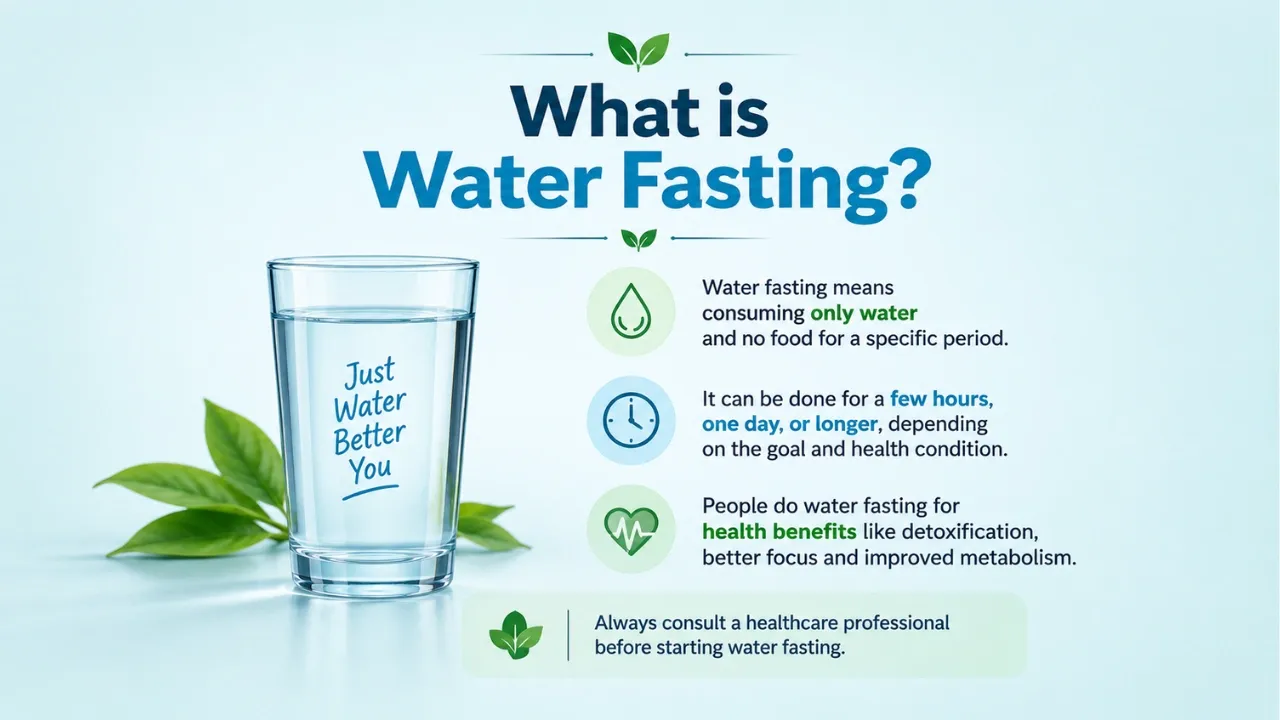
Quick Answer
Water fasting means consuming only water for a defined period while avoiding food and caloric drinks. As the fast continues, the body shifts from using stored glycogen toward greater fat use and ketone production.
Because longer water fasts can affect hydration, electrolytes, blood sugar and muscle tissue, they should not be treated as a casual diet. Longer fasts require appropriate medical guidance.
Water fasting means consuming only water — no food, no juice, no calories — for a defined period. The practice triggers measurable metabolic shifts, including ketosis, autophagy, and improved insulin sensitivity. According to Mool Health's nutrition team, water fasting is one of the oldest and most researched forms of fasting, with evidence supporting short-term benefits for metabolic health, gut rest, and cellular repair.
What Is Water Fasting? Definition and Core Principles
Water fasting is a dietary practice in which a person abstains completely from all food and caloric beverages, consuming only water for a set duration — typically 24 to 72 hours, though medically supervised fasts can extend to 7 days or longer.
Water fasting meaning, simplified: the body is deprived of external glucose, forcing it to shift fuel sources from dietary sugar to stored glycogen and, eventually, to fat. This metabolic transition drives most of the physiological effects associated with water fasting.
Water fasting is distinct from:
- Intermittent fasting — which cycles eating and fasting windows within a 24-hour period
- Juice fasting — which permits caloric liquids
- Dry fasting — which restricts even water intake (considered medically unsafe)
Core principle: water fasting works because the absence of calories removes the primary trigger for insulin secretion, allowing the body to enter fasting states that activate repair, fat-oxidation, and anti-inflammatory pathways.
Mool Health defines water fasting as a structured metabolic intervention, not a casual dietary trend. Preparation, medical clearance, and structured refeeding are essential components.
How Does Water Fasting Work? The Metabolic Mechanism
Water fasting works by progressively shifting the body through distinct physiological stages as caloric input reaches zero.
Stage 1: Glycogen Depletion (Hours 0–24)
In the first 6 to 24 hours of water fasting, the liver depletes stored glycogen — the body's primary carbohydrate reserve, which holds approximately 400–500 calories. Blood glucose drops, and insulin levels fall significantly. This drop in insulin is the trigger for nearly all downstream benefits of water fasting.
Stage 2: Ketosis Onset (Hours 24–72)
Once glycogen is exhausted, the liver converts fatty acids into ketone bodies — primarily beta-hydroxybutyrate — as an alternative fuel. The brain and muscles shift to ketone metabolism. This state is called ketosis, and it typically begins within 24 to 48 hours of a water fast.
Stage 3: Autophagy Activation (Hours 18–48+)
Autophagy — the cellular "self-cleaning" process in which damaged proteins and organelles are broken down and recycled — is activated during water fasting. Research published in Cell Metabolism [1] suggests autophagy peaks between 18 and 48 hours of fasting, though the exact timeline varies by individual.
Stage 4: Protein Conservation (Day 2+)
During extended water fasting beyond 48 hours, the body prioritises fat oxidation but may begin breaking down muscle tissue for gluconeogenesis (glucose synthesis). This is why Mool Health's guidelines recommend fasts exceeding 48 hours only under clinical supervision.
What Happens in the Gut During Water Fasting?
Water fasting gives the gut — specifically the gastrointestinal tract — a complete rest from digestive activity. The migrating motor complex (MMC), a wave-like muscular contraction that sweeps the intestines clean, activates more efficiently during fasting periods. Studies suggest that periodic fasting may support a healthier gut microbiome composition by reducing populations of inflammatory bacteria and allowing beneficial species to recover. For individuals with bloating, IBS symptoms, or intestinal permeability concerns, a supervised water fast may offer measurable gut relief within 24 to 48 hours.
Types of Water Fasting: Which Duration Is Right for You?
Water fasting is not a single protocol. Duration, supervision level, and individual health status determine which type is appropriate.
| Type | Duration | Supervision Needed | Best For |
|---|---|---|---|
| Short-term fast | 12–24 hours | None (healthy adults) | Beginners, metabolic reset |
| Standard water fast | 24–72 hours | Recommended | Weight management, gut rest |
| Extended water fast | 3–7 days | Medical supervision required | Therapeutic use, specific conditions |
| Prolonged fast | 7+ days | Mandatory clinical oversight | Research/clinical settings only |
24-Hour Water Fast
A 24-hour water fast is the most accessible entry point. Most healthy adults can complete a 24-hour water fast without significant risk. It reliably triggers glycogen depletion and early ketosis.
48–72-Hour Water Fast
A 48 to 72-hour water fast delivers deeper ketosis, measurable autophagy activation, and more significant metabolic effects. This duration requires preparation and careful refeeding. Mool Health recommends a pre-fast consultation for anyone attempting a 72-hour fast for the first time.
7-Day Water Fasting
A 7-day water fast (sometimes called a "week-long fast") is a medically supervised protocol. It is not recommended for self-administration. Electrolyte monitoring, daily clinical assessment, and a structured refeeding schedule are non-negotiable at this duration.
Key Benefits of Water Fasting: What You Actually Gain
Water fasting benefits span metabolic, cellular, and gut health domains. Mool Health's clinical advisors highlight the following evidence-supported benefits.
May Improve Insulin and Leptin Sensitivity
Water fasting reduces circulating insulin levels significantly. A 2019 study in Cell Reports [2] found that a 3-day water fast improved insulin sensitivity by up to 37% in overweight participants. Leptin — the satiety hormone — may also recalibrate, reducing appetite dysregulation over time.
Supports Weight and Fat Loss
Water fasting produces rapid weight loss, primarily from water and glycogen in the first 24 hours, followed by fat oxidation. In clinical observations, a 24 to 72-hour fast typically results in 0.5–1 kg of fat loss, with total weight loss of 1–3 kg (including water weight). Results vary depending on starting weight, metabolic rate, and fast duration.
Activates Autophagy and Cellular Repair
Autophagy — the cellular recycling mechanism — is one of the most cited benefits of water fasting. Activating autophagy may reduce the accumulation of dysfunctional proteins linked to metabolic disease and neurodegeneration.
May Lower Blood Pressure
Short-term water fasting has been associated with reductions in systolic blood pressure. A study in the Journal of Alternative and Complementary Medicine [3] reported a mean reduction of 20 mmHg in hypertensive participants following a medically supervised fast.
Supports Gut Rest and Microbiome Rebalancing
Water fasting gives the gastrointestinal system a complete break from digestion. This rest period allows the gut lining to repair, reduces inflammatory load in the gut, and may support rebalancing of the gut microbiome — particularly relevant for individuals with chronic digestive issues.
May Reduce Chronic Inflammation
Fasting suppresses pro-inflammatory cytokines, including interleukin-6 (IL-6) and tumour necrosis factor-alpha (TNF-α). Mool Health's advisory team notes this anti-inflammatory effect as a key therapeutic rationale for supervised extended fasting protocols.
May Support Heart Health Markers
Preliminary research suggests water fasting can reduce LDL cholesterol and triglyceride levels, two primary cardiovascular risk markers. These effects are typically observed after fasts of 48 hours or more.
Key Benefits at a Glance:
- Improved insulin sensitivity (short and long-term)
- Accelerated fat oxidation
- Autophagy and cellular repair activation
- Blood pressure reduction in hypertensive individuals
- Gut rest and microbiome support
- Reduced systemic inflammation
- Improved lipid profile markers
Water Fasting Rules: What You Must Follow
Water fasting rules exist to protect metabolic function, prevent electrolyte imbalance, and ensure the fast is effective and safe.
- Drink only plain water. No tea, coffee, juice, broths, or flavoured water. Any caloric or stimulant-containing beverage breaks the fast and disrupts metabolic states.
- Target 2–3 litres of water per day. Adequate hydration maintains kidney function and prevents electrolyte depletion during water fasting.
- Stop any non-essential medications and supplements only after consulting your doctor. Some medications require food intake — never adjust prescriptions without medical guidance.
- Rest adequately. Intense physical exercise during water fasting depletes electrolytes rapidly and may cause fainting. Light movement (walking, gentle stretching) is acceptable.
- Refeed gradually. Breaking a water fast with a large meal can cause refeeding syndrome — a dangerous electrolyte imbalance. Start with small portions of easily digestible foods: diluted fruit juice, then broths, then soft foods.
- Set a clear duration before you start. Open-ended fasting increases the risk of extending beyond safe limits. Set a start and end time before beginning.
- Fast only when well. Active illness, high-stress periods, or post-surgery recovery are contraindications for water fasting.
How to Do Water Fasting: Step-by-Step Guide for Beginners
Prerequisites and What You Need
Before starting a water fast, Mool Health recommends confirming:
- No history of eating disorders
- No active diabetes or blood sugar regulation issues without medical oversight
- No current pregnancy or breastfeeding
- Body weight is not clinically underweight (BMI below 18.5)
- Medical clearance obtained for any fast exceeding 24 hours
Step-by-Step: How to Do Water Fasting
Step 1 — Prepare 3–5 days before (pre-fast phase) Gradually reduce processed foods, refined sugar, and caffeine. Increase whole foods, vegetables, and hydration. This reduces withdrawal symptoms (headaches, fatigue) during the fast.
Step 2 — Choose your fasting duration First-time fasters should start with 24 hours. Attempting a 72-hour or 7-day water fast without prior experience significantly increases risk.
Step 3 — Set your start and end time Begin your fast after dinner (e.g., 7 PM) so the overnight sleep period covers the first 8–10 hours. This makes the initial phase easier to manage.
Step 4 — During the fast: hydrate consistently Drink 2–3 litres of plain water across the day. Space intake evenly — do not consume large volumes at once.
Step 5 — Manage symptoms actively Mild headache, fatigue, and irritability are common within the first 24 hours. These typically resolve by hour 36–48 as ketosis stabilises. Rest, reduce stimulation, and continue hydrating.
Step 6 — Monitor for signs to stop water fasting Stop the fast immediately if you experience: severe dizziness, fainting, heart palpitations, extreme weakness, confusion, or vomiting. These are signs the fast must end.
Step 7 — Break the fast correctly (post-fast refeeding)
- Hours 1–4: Small amounts of diluted juice or water with electrolytes
- Hours 4–12: Clear broths or vegetable soups
- Day 2: Soft, easily digestible whole foods (fruit, yoghurt, cooked vegetables)
- Day 3+: Gradual return to normal eating
Common Mistakes to Avoid:
- Breaking the fast with a large, heavy meal
- Exercising intensely during the fast
- Not preparing in the pre-fast phase
- Continuing the fast beyond safe limits due to "commitment"
- Ignoring clear signs to stop
Explore our blog on how to do water fasting and what to know before you begin.
Signs to Stop Water Fasting: When to End Immediately
Knowing when to stop a water fast is as important as knowing how to start one. Mool Health's clinical team identifies the following as mandatory stopping signals:
- Severe or persistent dizziness — indicates dangerous electrolyte depletion
- Heart palpitations or irregular heartbeat — a critical warning sign during water fasting
- Fainting or near-fainting episodes
- Extreme muscle weakness or cramping — may indicate hypokalemia (low potassium)
- Confusion, difficulty concentrating, or slurred thinking
- Persistent vomiting
- Blood sugar symptoms (shakiness, cold sweats, intense hunger with physical symptoms) — particularly in individuals with any history of glucose dysregulation
Do not attempt to push through these symptoms. Breaking a fast early is always the safer outcome.
Water Fasting Schedule: What a Structured Fast Looks Like
A water fasting schedule organises the pre-fast, fasting, and refeeding phases into a clear timeline. Below is a sample 72-hour water fasting schedule recommended by Mool Health.
| Day | Phase | What to Do |
|---|---|---|
| Day −3 to −1 | Pre-fast preparation | Reduce sugar, caffeine, processed foods; increase vegetables and hydration |
| Day 0 (evening) | Fast begins | Last meal by 7 PM; drink 1–2 glasses of water before sleep |
| Day 1 | Active fast (0–24 hrs) | Drink 2–3 litres water; rest; light walking only |
| Day 2 | Deep fast (24–48 hrs) | Continue hydration; expect improved energy as ketosis stabilises |
| Day 3 | Final fast day (48–72 hrs) | Monitor energy; prepare refeeding foods in advance |
| Day 3 (evening) | Break the fast | Small diluted juice or electrolyte water; no solid food for 4+ hours |
| Day 4 | Refeeding day 1 | Broths, soft fruits, yoghurt; small meals only |
| Day 5+ | Gradual return | Normal whole-food diet; avoid heavy processed foods for 3–5 days |
Water Fasting vs. Other Fasting Methods: Honest Comparison
| Feature | Water Fasting | Intermittent Fasting | Juice Fasting | Dry Fasting |
|---|---|---|---|---|
| Caloric intake | Zero | Zero in window | Low (juice calories) | Zero (+ no water) |
| Hydration | Full water intake | Full | Partial (from juice) | None |
| Autophagy activation | High | Moderate | Low | Claimed high (unverified) |
| Gut rest | Complete | Partial | Partial | Complete |
| Ease of practice | Moderate | Easy | Moderate | Very hard / dangerous |
| Safety profile | Good (supervised) | High | Moderate | Poor — not recommended |
| Duration flexibility | 24 hrs – 7+ days | Daily routine | 1–5 days | Not recommended |
| Evidence base | Strong | Strong | Moderate | Weak / absent |
| Best for | Metabolic reset, gut health, autophagy | Weight management, metabolic health | Detox support | Not recommended |
Mool Health's recommendation: For most individuals, intermittent fasting is the safest daily practice, while supervised water fasting (24–72 hours) offers deeper metabolic benefits periodically. Dry fasting has no credible evidence of benefit and carries serious risk of acute dehydration.
What to Expect: Water Fasting Results by Timeframe
Results from water fasting depend on starting health status, fast duration, metabolic rate, and adherence to pre-fast and refeeding protocols.
| Timeframe | What Typically Happens |
|---|---|
| Hours 0–12 | Glycogen depletion begins; mild hunger; no significant metabolic shift yet |
| Hours 12–24 | Insulin levels drop; hunger may peak then reduce; ketosis begins in some individuals |
| Hours 24–48 | Ketosis active; mental clarity may improve; hunger often reduces; mild fatigue common |
| Hours 48–72 | Deep ketosis; autophagy active; fat oxidation measurable; energy stabilises |
| Day 4–7 (supervised) | Significant metabolic reset; gut rest complete; electrolyte monitoring critical |
| Post-fast (week 1) | Weight loss stabilises; improved insulin sensitivity measurable; gut function improves |
| Post-fast (month 1) | Metabolic benefits persist with healthy diet; microbiome rebalancing continues |
Clinically observed outcomes across studies in Nature Medicine [4] and Cell Metabolism [1] include:
- 1–3 kg total weight loss per 72-hour fast (including water weight)
- 10–37% improvement in fasting insulin levels
- Measurable reduction in inflammatory markers within 48 hours
- Subjective improvement in digestive comfort during refeeding
Results vary depending on individual health status, age, baseline metabolic rate, and post-fast dietary habits.
Is Water Fasting Safe?
Water fasting is not appropriate for everyone, and longer fasts carry greater risks than shorter ones. The source guidance recommends medical clearance for fasts exceeding 24 hours and clinical supervision for extended fasts. People with diabetes or blood sugar regulation issues, pregnancy or breastfeeding, a history of eating disorders, or other medical concerns should seek professional guidance before fasting.
Stop the fast if you develop severe or persistent dizziness, fainting, palpitations, confusion, persistent vomiting, extreme weakness, or other concerning symptoms.
Key Takeaways
Water fasting is a practice of consuming only water for a set period. Learn how it affects digestion, potential benefits, risks, and important safety precautions.
Your gut is unique your healing should be too.

FAQs
Water fasting is a form of fasting in which a person consumes only water and avoids food and caloric beverages for a defined period.
The source describes short-term fasts of 12–24 hours, standard fasts of 24–72 hours, and longer fasts of 3–7 days or more. Extended fasts require medical supervision.
In a strict water fast, only plain water is consumed. Tea, coffee, juice, broths and other caloric or stimulant-containing beverages are excluded.
People with diabetes or blood sugar regulation issues, those who are pregnant or breastfeeding, people with a history of eating disorders, those who are clinically underweight, and anyone with relevant medical conditions should seek professional guidance.
Severe dizziness, fainting, irregular heartbeat or palpitations, extreme weakness, confusion, persistent vomiting, severe muscle weakness or cramping, and significant blood-sugar symptoms are reasons to stop the fast.
Disclaimer
The content provided by Mool Health is for educational and informational purposes only and should not be considered a substitute for professional medical advice, diagnosis, or treatment.