Migraine Aura: Symptoms, Visual Disturbances, Duration & Aura Without Headache
Migraine aura causes temporary visual, sensory, or speech disturbances lasting 5–60 minutes. Learn its symptoms, triggers, treatment, warning signs, and potential links to gut health.

Quick Answer: What Is Migraine Aura?
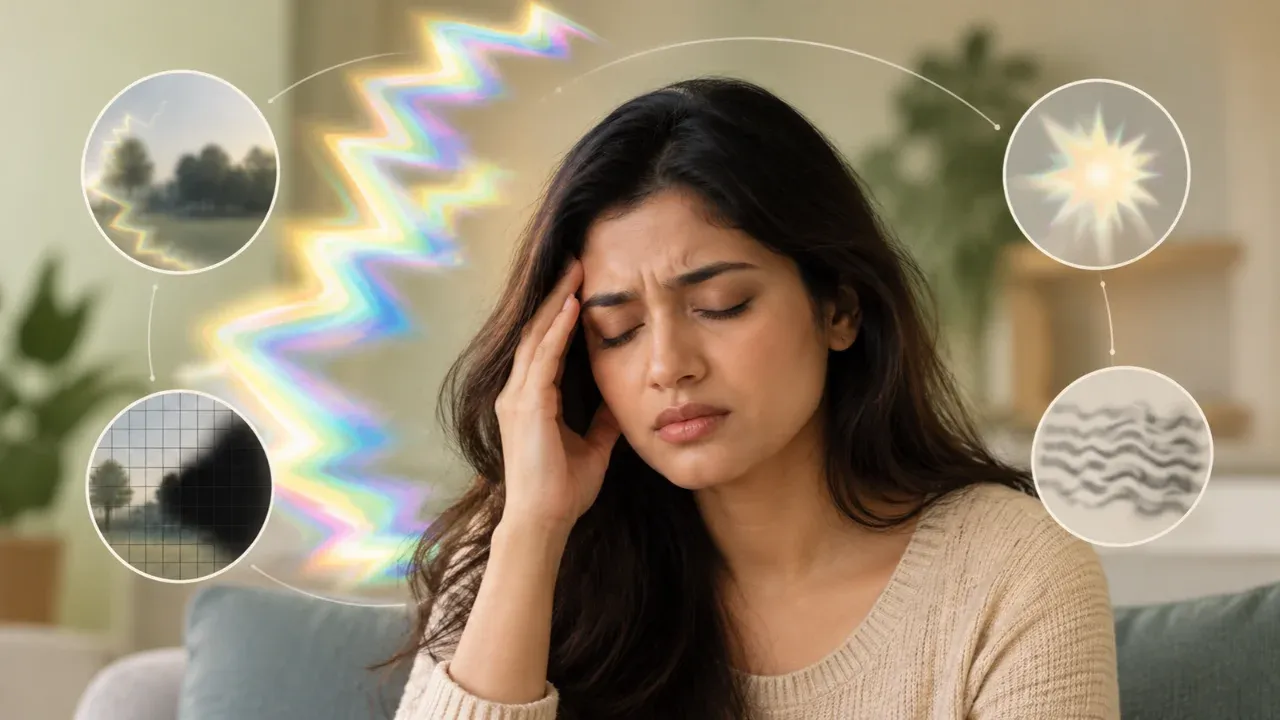
Migraine aura is a group of temporary neurological symptoms that can occur before or during a migraine attack. It most commonly affects vision, causing flashing lights, zigzag lines, shimmering shapes, or blind spots. Some people also experience tingling, numbness, or difficulty speaking. Aura symptoms typically develop gradually and last between 5 and 60 minutes. A headache may follow, but migraine aura can also occur without head pain. New, sudden, or unusual neurological symptoms require urgent medical assessment because they can resemble a stroke.
What Is Aura in Migraine?
Migraine aura is a reversible neurological disturbance associated with some migraine attacks. It can affect vision, sensation, or speech and language. Not everyone who experiences migraine has an aura, and the symptoms may differ between individuals.
Aura commonly develops before a migraine headache, although it can occur during the headache or without a headache altogether. Some people experience a predictable pattern of symptoms with each attack, while others notice changes from one episode to another.
Migraine aura is not the same as the early warning phase called the prodrome. Prodrome symptoms may include fatigue, yawning, mood changes, or food cravings and can begin hours before a headache. Aura involves more specific neurological symptoms, such as visual disturbances or tingling.
Migraine Aura Symptoms and Visual Disturbances
The symptoms of migraine aura depend on which neurological functions are affected. Visual symptoms are the most common, but aura can also involve sensation and language. For a broader overview of headache-related signs, see migraine symptoms.
Visual Symptoms
Visual aura may include:
- Flashing lights, sparks, or shimmering spots.
- Zigzag lines or geometric patterns.
- Blind spots or temporarily missing areas of vision.
- A shimmering edge around an area of disturbed vision.
- Visual patterns that gradually spread across the field of vision.
These disturbances often develop gradually rather than appearing all at once. They may begin near the centre of the visual field and expand outward.
Although visual aura can seem to affect one eye, typical visual aura usually originates in the brain and can be seen through either eye. Sudden vision loss in only one eye should not automatically be attributed to migraine and needs prompt medical assessment.
Sensory Symptoms
Some people experience sensory aura, including:
- Tingling or pins-and-needles sensations.
- Numbness in a hand, arm, face, or another area.
- Sensations that gradually spread from one area to another.
These symptoms may occur after visual disturbances or alongside them.
Speech and Language Symptoms
Migraine aura can temporarily affect a person's ability to find words, speak clearly, or understand language. These symptoms can be frightening and may resemble those of a stroke.
How Long Does Migraine Aura Last?
A typical migraine aura lasts between 5 and 60 minutes. Symptoms often develop gradually, may progress from one type to another, and then resolve completely.
For example, someone may first notice shimmering lines in their vision, followed by tingling in one hand. The visual disturbance may fade as the tingling develops.
The duration of aura is different from the duration of the migraine attack itself. A migraine headache can last considerably longer than the aura, sometimes for several hours or days.
Seek urgent medical advice if aura symptoms last longer than an hour, persist, are unusually severe, or differ significantly from previous episodes. These symptoms may need investigation for causes other than migraine.
Migraine Aura Without Headache
Migraine aura can occur without the headache phase. This is commonly described as migraine aura without headache and has also been called silent migraine.
A person may experience flashing lights, zigzag patterns, tingling, numbness, or temporary speech difficulties without developing head pain afterward.
Although this pattern can occur in people with migraine, visual or neurological symptoms without a headache can have other causes. This is particularly important when symptoms are new, begin later in life, occur suddenly, or involve vision loss in one eye.
A healthcare professional can assess the symptom pattern, medical history, and other risk factors to determine whether migraine aura is the likely explanation.
Subtypes of Migraine With Aura
Migraine with aura can present in different ways. The classification depends on the neurological symptoms involved. You can also read about different types of migraine to understand how migraine subtypes may vary.
1. Migraine With Typical Aura
Typical aura generally involves reversible visual, sensory, or speech and language symptoms. It does not include motor weakness or the specific features associated with brainstem aura.
Visual disturbances may occur first, followed by tingling or language difficulties. A headache may follow, but it is not required for every aura episode.
2. Migraine With Brainstem Aura
Migraine with brainstem aura involves reversible neurological symptoms associated with the brainstem. Possible symptoms include vertigo, double vision, slurred speech, ringing in the ears, or impaired coordination.
These symptoms require careful medical assessment because other neurological conditions can produce similar signs. A clinician must determine whether the symptoms meet the criteria for this migraine subtype.
3. Hemiplegic Migraine
Hemiplegic migraine is a rare migraine subtype involving temporary motor weakness, often on one side of the body. It may occur with visual, sensory, or language symptoms.
Because one-sided weakness can also indicate a stroke or another emergency, new or sudden weakness must be assessed urgently rather than assumed to be hemiplegic migraine.
4. Retinal Migraine: An Important Distinction
Retinal migraine is a rare condition involving temporary visual disturbances affecting one eye. It is not simply another name for typical visual aura.
Visual symptoms affecting only one eye can have other causes, including eye conditions that need urgent treatment. A healthcare professional should assess these symptoms before attributing them to retinal migraine.
Causes of Migraine Aura
The exact cause of migraine aura is not fully understood. Research suggests that typical aura is associated with a temporary wave of altered electrical and chemical activity across the brain's cortex, a process often described as cortical spreading depolarisation.
This activity can affect the brain regions responsible for vision, sensation, or language, helping explain why aura symptoms differ between individuals.
Migraine is a neurological condition involving several interacting biological processes. Genetic susceptibility, nervous system sensitivity, and individual physiological factors may contribute to migraine, but no single cause explains every episode of aura. Read more about migraine causes and risk factors.
It is also important to distinguish the underlying mechanisms of aura from its possible triggers. A trigger may make an attack more likely in a susceptible person, but it does not necessarily explain why that person develops migraine aura.
What Triggers Migraines With Aura?
Migraine triggers vary between individuals. Some people identify consistent patterns, while others do not find a clear trigger.
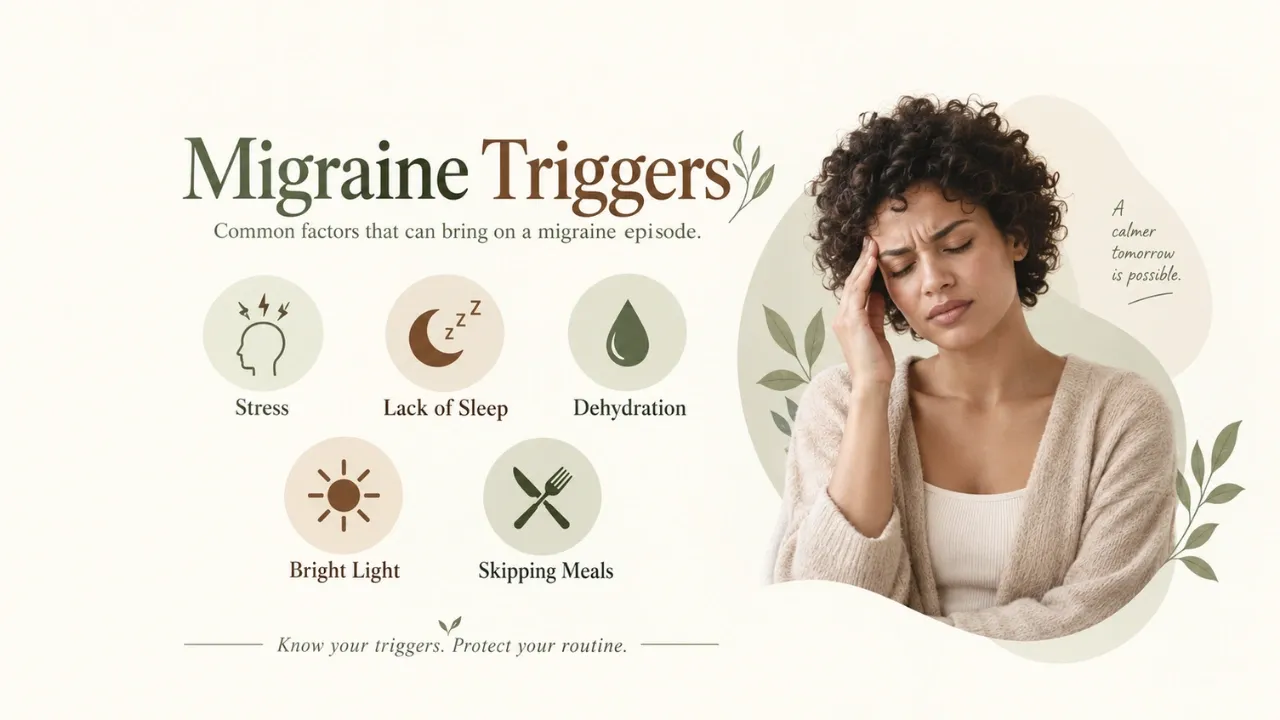
Potential triggers or contributing factors may include:
- Changes in sleep: Too little sleep, irregular sleep schedules, or changes in sleeping patterns may contribute to attacks.
- Stress: Periods of stress or changes in stress levels may be associated with migraine episodes.
- Skipped meals: Going for long periods without eating may trigger migraine in some people.
- Hormonal changes: Fluctuations in hormones, including those associated with the menstrual cycle, may influence migraine patterns.
- Sensory stimuli: Bright lights, flashing lights, or strong smells may be triggers for some individuals.
- Alcohol and particular foods: Some people identify these as personal triggers, although responses differ.
- Changes in routine: Travel, shifts in daily schedules, or changes in physical activity may coincide with attacks.
Not every factor listed above triggers aura specifically, and not everyone with migraine aura will be sensitive to the same factors.
Keeping a migraine diary can help identify patterns. Record the timing of symptoms, sleep, meals, menstrual changes where relevant, stress, and possible environmental exposures. This can help a clinician assess whether any patterns are meaningful without requiring unnecessary dietary or lifestyle restrictions.
Is a Migraine Aura Serious?
Migraine aura is often temporary and reversible, but it should not automatically be considered harmless. The main concern is that aura-like symptoms can resemble a stroke, a transient ischaemic attack, or an eye or neurological condition.
Seek emergency medical care if you experience:
- Sudden weakness or numbness, particularly on one side of the body.
- Sudden difficulty speaking or understanding speech.
- Sudden loss of vision, especially in one eye.
- A sudden, extremely severe headache.
- New confusion, a seizure, or loss of consciousness.
- Neurological symptoms that begin abruptly rather than following your usual aura pattern.
Medical assessment is also important if aura occurs for the first time, begins later in life, changes substantially, lasts longer than 60 minutes, or does not resolve as expected.
People with an established history of migraine aura should still take new or unusual symptoms seriously. A previous migraine diagnosis does not rule out another cause.
How Is a Migraine Aura Treated?
Treatment depends on the person's symptoms, migraine frequency, medical history, and whether the aim is to manage an ongoing attack or reduce future episodes. For a wider overview of available options, read about migraine treatments.
There is no single treatment that reliably stops every migraine aura immediately. Many treatment approaches focus on the overall migraine attack and its associated headache symptoms.
Acute Treatment
A healthcare professional may recommend medication to manage migraine symptoms once an attack begins. Depending on the person's circumstances, options may include appropriate pain-relieving medicines or migraine-specific treatments.
Not every migraine medicine works in the same way, and some treatments used for migraine headache may not reliably stop aura itself. A clinician should guide medication choices, particularly when aura includes motor or brainstem symptoms.
During an aura episode, consider moving to a safe place, stopping activities that require clear vision or coordination, and avoiding driving until symptoms have resolved.
Preventive Treatment
For people with frequent, prolonged, or disabling migraine episodes, a clinician may discuss preventive medicines. The choice depends on the overall migraine pattern, coexisting conditions, and individual risks.
People with unusual aura symptoms or frequent aura without headache may need a tailored assessment rather than relying on general migraine advice.
Can a Migraine Aura Be Prevented?
Migraine aura cannot always be prevented, but managing migraine triggers and following an appropriate treatment plan may reduce the frequency of attacks for some people.
Helpful steps may include:
- Maintaining a consistent sleep and wake schedule.
- Eating regular meals and avoiding long periods without food if these trigger symptoms.
- Drinking enough fluids.
- Using stress-management techniques that work for you.
- Tracking possible triggers and symptom patterns.
- Discussing preventive treatment with a clinician if attacks are frequent or disruptive.
For more practical strategies, also read how to control migraine.
Avoid making major dietary changes or eliminating multiple food groups without a clear reason. Trigger patterns vary, and unnecessary restrictions can make it harder to maintain a balanced diet.
If aura continues despite lifestyle changes, or if it is affecting daily activities, seek medical advice to review the diagnosis and treatment plan.
Migraine Aura Related to Gut Health: What Does the Evidence Say?
Migraine and digestive health may be connected, but the relationship is still being studied. Research into the gut–brain axis examines communication between the digestive system, gut microbes, immune processes, and the nervous system.
Some studies have found differences in gut microbiome patterns among people with migraine. Digestive conditions, including irritable bowel syndrome, are also reported more often in some migraine populations. However, these findings do not establish that gut microbiome changes cause migraine aura.
It is important to separate three questions:
- Can migraine occur alongside digestive symptoms? Yes. Some people with migraine experience nausea, vomiting, or other gastrointestinal symptoms during attacks, and some also have digestive conditions.
- Can gut microbiome differences be associated with migraine? Research suggests possible associations, but the findings do not yet establish a clear cause-and-effect relationship.
- Can improving gut health prevent migraine aura? There is not enough evidence to claim that a particular food, probiotic, gut test, or microbiome treatment reliably prevents migraine aura.
Practical Ways to Support Digestive Health
General habits that support digestive health may be useful for overall wellbeing, even though they are not proven treatments for migraine aura.
- Eat a varied, balanced diet that includes fibre-containing foods as tolerated.
- Drink adequate fluids.
- Maintain regular meal times if skipped meals are a personal migraine trigger.
- Track digestive symptoms alongside migraine episodes.
- Seek medical advice for persistent abdominal pain, ongoing bowel changes, or other concerning digestive symptoms.
Key takeaway: Gut health is a relevant area of migraine research, but it should not be presented as a proven cause of migraine aura or as a guaranteed route to prevention. More research is needed to determine whether microbiome-based interventions can reliably improve migraine outcomes.
Key Takeaways
- Migraine aura causes temporary neurological symptoms, most commonly visual disturbances, tingling, numbness, or speech and language difficulties.
- A typical aura usually lasts between 5 and 60 minutes and may occur with or without a headache.
- Migraine aura is different from the prodrome phase, which may include fatigue, yawning, mood changes, or food cravings.
- Typical aura is associated with temporary changes in brain activity, but the exact mechanisms are not fully understood.
- Sleep changes, stress, skipped meals, hormonal fluctuations, and sensory stimuli may contribute to migraine attacks in some people.
- Sudden weakness, speech difficulty, abrupt vision loss, or a sudden severe headache requires emergency medical assessment.
- Treatment may include clinician-guided acute medication, preventive treatment, and strategies to identify individual triggers.
- Regular sleep, adequate hydration, regular meals, and a migraine diary may help some people manage their attacks.
- Research suggests possible associations between migraine and the gut microbiome, but it has not established that gut microbiome changes cause migraine aura.
- A specific food, probiotic, gut test, or microbiome treatment has not been established as a reliable way to prevent migraine aura.
Your gut is unique your healing should be too.

FAQs
No. Some people experience aura during certain attacks but not others. Others have migraine without aura. The pattern can vary between individuals.
Stress may trigger migraine attacks in some people, but it is not a universal trigger and does not explain every aura episode. Tracking symptoms and possible triggers can help identify individual patterns.
No. Aura can occur without a subsequent headache. However, new or unexplained visual or neurological symptoms should be assessed to rule out other causes.
Not necessarily. Typical visual aura is generally related to activity in the brain and can affect the visual field seen through either eye. Retinal migraine is a rare, distinct condition involving one eye. New one-eye visual symptoms need prompt medical assessment.
A healthcare professional should assess new, unusual, or changing aura symptoms. A neurologist or headache specialist may be appropriate if the diagnosis is uncertain, symptoms are complex, or attacks are frequent or disabling. Sudden stroke-like symptoms require emergency care rather than a routine appointment.
Disclaimer
The content provided by Mool Health is for educational and informational purposes only and should not be considered a substitute for professional medical advice, diagnosis, or treatment.