
Types of Fasting: Benefits, Risks & How They Work
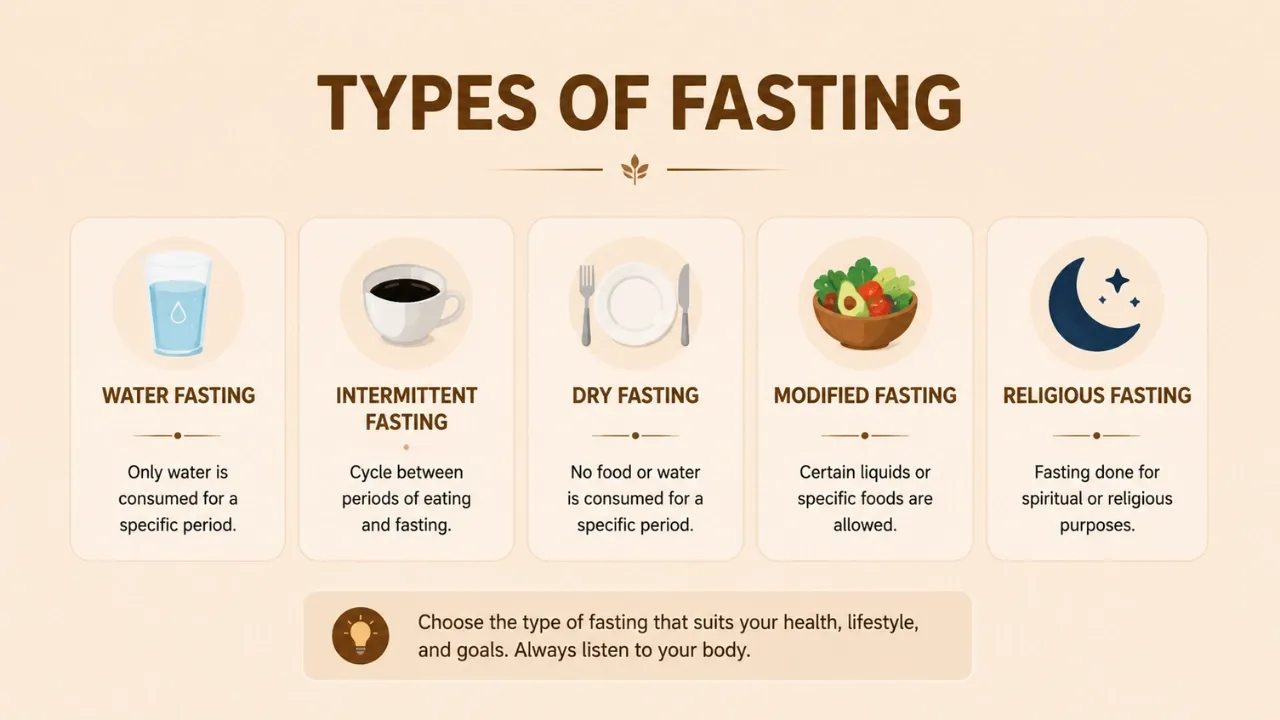
Types of fasting include intermittent fasting, extended fasting, and dry fasting. Each method differs in duration, benefits, and suitability. Choosing the right approach depends on your health goals, lifestyle, and medical history.
Ayurvedic Physician & Medical Operations Lead at Mool
Published on 19,September 2026
Updated on 19,September 2026
Quick Answer
There are several types of fasting, including intermittent fasting, time-restricted eating, alternate day fasting, extended fasting and dry fasting. Each method differs in duration, difficulty and suitability. The right approach depends on your health goals, lifestyle, nutritional needs and medical history.
Fasting can support calorie control and metabolic changes for some people, but it is not suitable for everyone. Understanding how each method works and its limitations is important before starting.
Different types of fasting involve structured periods of voluntary food restriction, ranging from daily eating windows to extended multi-day fasts. Each method works through a different mechanism but shares a common foundation: reducing caloric intake and triggering metabolic shifts. The right type of fasting depends on your health goals, lifestyle, and medical history.
What Is Fasting?
Fasting is the deliberate practice of abstaining from food — and in some cases, liquids — for a defined period of time. Different types of fasting vary by duration, frequency, and the degree of restriction involved.
Fasting works because the body, once depleted of readily available glucose, begins drawing on stored fat for energy. This metabolic shift, which typically begins 12–16 hours into a fast, is the foundation of most fasting-related health benefits.
Fasting is not starvation. Starvation is involuntary and prolonged. Fasting is intentional, time-bound, and practiced in a controlled way.
According to Mool Health's nutrition team, understanding which type of fasting suits your physiology and routine is the first step to making fasting a sustainable practice.
7 Different Types of Fasting: Which Is Right for You?
There are several distinct types of fasting, each structured differently. Below is an overview of the 7 main types, followed by a comparison table.
1. Intermittent Fasting (IF)
Intermittent fasting cycles between periods of eating and fasting within a 24-hour or weekly schedule. The most common formats are the 16:8 (16 hours fasting, 8 hours eating) and 12:12 methods. Intermittent fasting is the most widely practiced form and suits most healthy adults beginning a fasting routine.
2. The 5:2 Diet
The 5:2 diet involves eating normally for five days per week and restricting calories to approximately 500–600 kcal on two non-consecutive days. This method suits people who find daily fasting difficult but can manage two reduced-calorie days per week.
3. Alternate Day Fasting (ADF)
Alternate day fasting alternates between regular eating days and fasting or very low-calorie days (typically around 500 kcal). Studies suggest ADF may produce weight loss comparable to continuous caloric restriction in some individuals. This method is more demanding and typically suits intermediate or experienced practitioners.
4. Extended Fasting (24–72 Hours)
Extended fasting involves going without food for 24 to 72 hours at a time, usually practiced once or twice per month. Water, electrolytes, and sometimes black coffee or herbal tea are permitted. This type of fasting is typically reserved for individuals with prior fasting experience and should be approached under medical supervision.
For a more detailed look at fasting that involves complete food restriction while allowing water, see Mool Health's guide to water fasting.
5. Time-Restricted Eating (TRE)
Time-restricted eating aligns food intake with the body's circadian rhythm — for example, eating only between 7 a.m. and 5 p.m. TRE differs from standard intermittent fasting in that it prioritises the timing of eating relative to daylight hours. Research published in journals such as Cell Metabolism suggests early TRE may improve insulin sensitivity independent of weight loss.
6. The Warrior Diet (20:4)
The Warrior Diet involves a 20-hour fasting window and a 4-hour eating window, typically in the evening. During the fasting period, small amounts of raw fruit and vegetables may be consumed. This is a more aggressive form of time-restricted eating and suits experienced practitioners comfortable with extended daily fasting.
7. Dry Fasting
Dry fasting involves abstaining from both food and water for a defined period. It is most commonly practiced in religious contexts — such as Ramadan-style dry fasts or specific spiritual traditions. Dry fasting carries significantly higher physiological risk than water-based fasting and is not recommended for health or weight management purposes without medical oversight.
Comparison Table: 7 Different Types of Fasting at a Glance
| Type of Fasting | Fasting Duration | Calories Allowed | Difficulty Level | Best For |
|---|---|---|---|---|
| Intermittent Fasting (16:8) | 16 hours/day | None during fast | Beginner | Weight management, daily practice |
| 5:2 Diet | 2 days/week | 500–600 kcal on fast days | Beginner–Moderate | Those who prefer weekly flexibility |
| Alternate Day Fasting | Every other day | ~500 kcal on fast days | Moderate–Advanced | Accelerated fat loss |
| Extended Fasting (24–72 hrs) | 1–3 days | None | Advanced | Cellular repair, experienced practitioners |
| Time-Restricted Eating | 12–16 hours/day | None during fast | Beginner | Metabolic health, circadian alignment |
| Warrior Diet (20:4) | 20 hours/day | Minimal raw foods | Advanced | Experienced fasters |
| Dry Fasting | Varies | None (food + water) | Religious/Supervised | Religious observance only |
How Types of Fasting Work: The Core Mechanism
All types of fasting for health operate through the same fundamental biological sequence:
Step 1 — Glycogen depletion (0–12 hours)
After your last meal, the body uses circulating blood glucose and liver glycogen as its primary energy source. No significant metabolic shift occurs during this phase.
Step 2 — Transition to fat oxidation (12–16 hours)
Once glycogen stores are largely depleted, the body begins converting stored fat into fatty acids and ketone bodies for fuel. This is the metabolic switch that makes fasting effective for fat loss.
Step 3 — Ketone production increases (16–24 hours)
Blood ketone levels rise as fat oxidation accelerates. Ketones serve as an efficient fuel for the brain, which may explain the improved cognitive clarity many people experience during fasting.
Step 4 — Autophagy activation (24–48 hours)
Cellular autophagy — the process of breaking down and recycling damaged cellular components — intensifies significantly beyond the 24-hour mark. This process is associated with reduced disease risk and improved cellular longevity in animal studies.
Step 5 — Growth hormone and metabolic adaptation (48–72 hours)
In extended fasting, growth hormone levels may rise substantially (studies report increases of up to 5-fold), which helps preserve lean muscle mass during prolonged caloric restriction.
The mechanism is the same across the 5 types of fasting and beyond — the key variable is how long and how frequently the body enters each phase.
Common Mistakes to Avoid
- Breaking a fast with high-sugar or ultra-processed foods, which spikes insulin rapidly
- Under-eating protein during eating windows, which accelerates muscle loss
- Expecting rapid results in week one — metabolic adaptation typically takes 2–4 weeks
- Attempting extended fasting (48–72 hours) without prior fasting experience
- Ignoring signs of electrolyte imbalance: dizziness, cramping, and heart palpitations require immediate medical attention
For people looking to improve their overall digestive health alongside dietary changes, Mool Health's guide on improving digestion naturally covers practical daily habits that complement a balanced nutrition routine.
Types of Fasting Results: What to Expect and When
Results from the different types of fasting are progressive. The timeline below reflects typical outcomes for healthy adults following a consistent fasting protocol, though individual outcomes will vary based on starting weight, diet quality, activity level, and method chosen.
| Timeframe | What to Expect |
|---|---|
| Week 1–2 | Hunger adjustment period; potential mild headaches, irritability, and reduced energy. Initial water weight loss of 1–3 kg is common. |
| Week 3–4 | Hunger hormones (ghrelin) begin to recalibrate; energy levels typically stabilise. Fat loss begins in earnest if a caloric deficit is maintained. |
| Month 2–3 | Consistent fat loss of 0.5–1 kg per week is realistic for most people. Improved fasting blood glucose and reduced bloating are commonly reported. |
| Month 4–6 | Metabolic markers (insulin, triglycerides, LDL) may show measurable improvement. Lean body mass is typically preserved if protein intake is adequate. |
| 6+ Months | Long-term practitioners often report sustained weight management, improved metabolic flexibility, and stable energy levels throughout the day. |
Factors that affect your results:
- Caloric quality within eating windows
- Consistency of the fasting schedule
- Sleep quality (poor sleep elevates cortisol and disrupts metabolic adaptation)
- Exercise volume and type
- Baseline insulin sensitivity
Types of Fasting Best Practices: Expert Tips from Mool Health
The following best practices apply across the different types of fasting and are drawn from Mool Health's clinical nutrition guidance.
-
Start with 12:12 before moving to 16:8. Give your body 2–4 weeks to adapt before extending the fasting window. Metabolic flexibility takes time to develop.
-
Prioritise protein at every meal. Consuming 25–40g of protein per meal during eating windows helps preserve muscle mass and increases satiety, reducing the likelihood of overeating.
-
Don't underestimate electrolytes. Sodium, potassium, and magnesium can deplete during fasting, particularly if you exercise. Adding a pinch of sea salt to water or consuming mineral-rich foods in your eating window helps maintain balance.
-
Break your fast with a high-protein, moderate-fat meal. Avoid breaking a fast with high-glycaemic carbohydrates, which trigger a sharp insulin spike and rapid hunger return.
-
Align fasting with your sleep schedule when possible. Time-restricted eating that ends 2–3 hours before sleep may improve sleep quality and support circadian rhythm alignment.
Want to Understand What Fasting May Mean for Your Body?
Explore your gut and metabolic health with Mool Health and discover personalised insights that can help you make informed nutrition choices.
Key Takeaways
Types of fasting include intermittent fasting, extended fasting, and dry fasting. Each method differs in duration, benefits, and suitability. Choosing the right approach depends on your health goals, lifestyle, and medical history.
Your gut is unique your healing should be too.

FAQs
Intermittent fasting methods such as 12:12 or 16:8 are generally easier starting points for healthy adults because they involve shorter fasting periods and are easier to maintain.
Fasting may support weight loss by reducing overall calorie intake, but results depend on food quality, portion sizes, activity levels and long-term consistency.
Dry fasting carries higher risks because it restricts both food and water. It is not recommended as a health or weight management strategy without appropriate medical guidance.
People who are pregnant, breastfeeding, have certain medical conditions, take blood sugar-related medications or have a history of eating disorders should seek medical advice before fasting.
Disclaimer
The content provided by Mool Health is for educational and informational purposes only and should not be considered a substitute for professional medical advice, diagnosis, or treatment.