
Low FODMAP Diet Indian Meal Plan: Food List, Chart, Benefits and Mistakes
Low FODMAP diet Indian guide with food list, meal plan, IBS benefits, phases, risks, mistakes, reintroduction and Mool Health’s gut approach.
Quick Answer
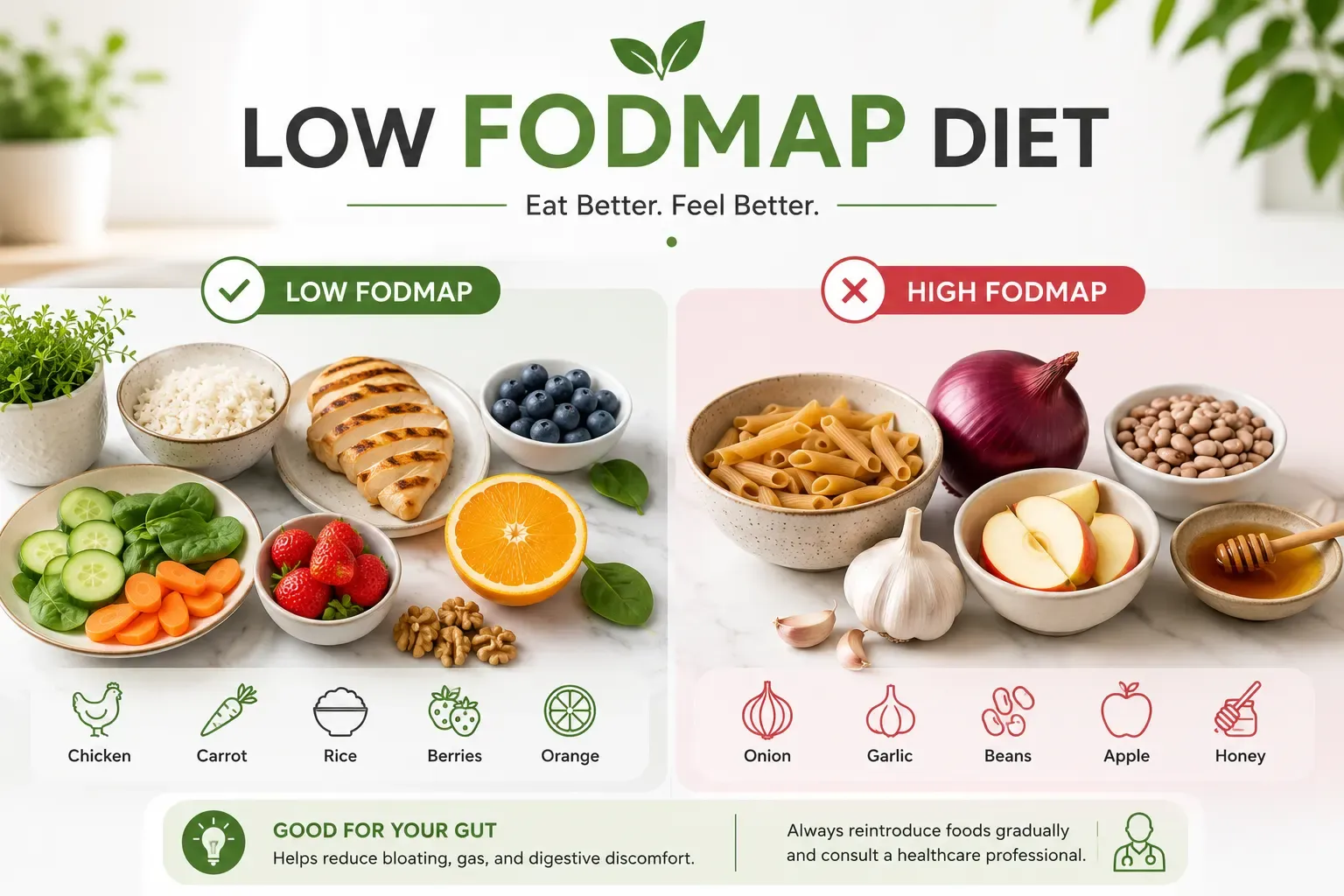
Adapting to a low-FODMAP diet doesn't mean giving up traditional Indian cuisine. By swapping high-FODMAP staples like onions, garlic, and wheat for gut-friendly alternatives like ginger, pure asafoetida (gluten-free), and millets, you can relieve IBS symptoms like bloating and gas while still enjoying flavorful curries, flatbreads, and rice.
What Is a Low FODMAP Diet and Why Is It Recommended for IBS and Digestive Health?
The low FODMAP diet is a temporary elimination diet designed to reduce foods containing certain fermentable carbohydrates called FODMAPs. FODMAP stands for: Fermentable Oligosaccharides, Disaccharides, Monosaccharides and Polyols.
These are naturally occurring short-chain carbohydrates found in many fruits, vegetables, grains, dairy products, legumes, and sweeteners.
For most people, these foods support maintaining a healthy gut. Unlike restrictive fad diets, the low FODMAP diet for IBS is intended to be a short-term therapeutic approach.
Its goal is not to remove nutritious foods permanently but to identify your personal food triggers and build a varied diet that supports long-term digestive health.
How Do FODMAP Carbohydrates Affect Digestion?
Normally, carbohydrates are broken down and absorbed in the small intestine. However, FODMAP carbohydrates are either poorly absorbed or not absorbed at all.
As they move into the large intestine, they become food for gut bacteria. This natural fermentation process produces gases such as hydrogen, carbon dioxide and methane.
At the same time, FODMAPs attract water into the intestines through osmosis. For someone with IBS or visceral hypersensitivity, this can result in bloating, abdominal discomfort and irregular bowel movements.
- •Excessive bloating or increased gas
- •Abdominal discomfort or cramping
- •Urgent bowel movements
- •Loose stools or diarrhoea
- •Constipation in some individuals
Not everyone reacts to every FODMAP group. This is why a personalised low FODMAP diet plan is far more effective than permanently avoiding or eliminating a long list of foods.
Why Do High-FODMAP Foods Cause Bloating, Gas, and Digestive Symptoms?
High-FODMAP foods are not harmful, but they can trigger symptoms in people with sensitive digestive systems. When these carbohydrates aren't absorbed efficiently, gut microbes ferment them quickly.
This fermentation produces gas, which may trigger pain and bloating in people with IBS. The response also depends on portion size, stress levels, the gut microbiome and overall digestive health.
Some common high-FODMAP foods include:
- •Onion and garlic
- •Apples, mangoes and watermelon
- •Wheat-based products
- •Milk containing lactose
- •Legumes like rajma and whole chickpeas
- •Artificial sweeteners like sorbitol and mannitol
These foods don't affect everyone equally. That's why following a structured low FODMAP diet meal plan under professional guidance is much more effective than eliminating foods at random.
Who Should Follow a Low FODMAP Diet?
The low FODMAP diet isn't meant for everyone. It is most beneficial for people with persistent digestive symptoms who a healthcare professional has evaluated.
You may benefit from a low FODMAP Indian diet if you have Irritable Bowel Syndrome (IBS) or frequent meal-related digestive symptoms.
- •Frequent bloating after meals
- •Recurrent abdominal pain
- •Chronic diarrhoea or constipation
- •Mixed bowel habits
- •Excessive gas affecting daily life
- •Functional gastrointestinal disorders
Some people with inflammatory bowel disease (IBD) in remission may also experience IBS-like symptoms and may benefit from a professionally supervised low FODMAP diet plan.
However, this diet is not recommended for:
- •Children, unless medically supervised.
- •Pregnant or breastfeeding women without professional advice.
- •Individuals with eating disorders.
- •People who have unexplained weight loss, rectal bleeding, or persistent vomiting should get these symptoms medically evaluated before starting.
Because the low-FODMAP diet for beginners can feel restrictive at first, working with a qualified dietitian helps ensure nutritional adequacy while identifying your individual food triggers.
What Are the Phases of the Low FODMAP Diet?
The low-FODMAP diet is often mistaken for a lifelong diet. In reality, it's a structured three-phase approach designed to identify personal food intolerances while maintaining dietary variety.
Elimination Phase
The elimination phase usually lasts two to six weeks. During this stage, foods that are high in FODMAPs are temporarily replaced with suitable low-FODMAP alternatives.
Many people notice an improvement in bloating, abdominal pain, and bowel symptoms within a few weeks. It is important not to extend this phase longer than necessary.
Unnecessarily restricting foods may reduce dietary diversity and affect the gut microbiome over time. Keeping a food and symptom diary during this phase can help identify patterns and monitor progress.
Reintroduction Phase
Once symptoms improve, foods are gradually reintroduced one FODMAP group at a time. This stage helps you understand what triggers the symptoms and what portion sizes you can tolerate.
Instead of labelling foods as good or bad, the reintroduction phase helps determine your individual tolerance levels.
Personalisation Phase
The final stage focuses on building a long-term eating pattern based on your personal tolerance. The goal is to create a balanced, sustainable eating pattern that supports digestive comfort while allowing variety.
This personalised approach makes the low FODMAP diet practical, enjoyable, and easier to maintain over the long term.
Complete Indian Food List You Can Eat on a Low FODMAP Diet
One of the biggest concerns people have before starting a low FODMAP diet is what they can actually eat. A low FODMAP diet chart should include Indian foods that are familiar, practical and easy to prepare at home.
Vegetables
Vegetables provide fibre, vitamins, and antioxidants, making them an essential part of a balanced low FODMAP diet.
- •Carrot, cucumber, tomato
- •Spinach, fenugreek leaves, bottle gourd, ridge gourd, pumpkin
- •Brinjal (eggplant), okra, capsicum (bell peppers), green beans
- •Zucchini, lettuce, radish, ginger
Fruits
You don't have to avoid fruit altogether. You simply need to choose lower FODMAP options and watch portion sizes.
- •Firm banana and dragon fruit
- •Orange, sweet lime and muskmelon in moderate portions
- •Kiwi, pineapple and papaya
- •Grapes, strawberries and blueberries
Aim for one serving at a time rather than combining multiple fruits in a single meal.
Grains, Rice and Flours
Many staple Indian grains naturally fit into a low FODMAP Indian diet.
- •White rice, brown rice and basmati rice
- •Poha, quinoa and oats
- •Corn and rice flour
- •Jowar (sorghum), bajra (pearl millet) and ragi (finger millet)
Dairy and Alternatives
Lactose is one type of FODMAP, but not everyone with IBS is lactose intolerant. Depending on your tolerance, suitable options include lactose-free dairy and certain lower-lactose choices.
- •Lactose-free milk
- •Lactose-free yoghurt
- •Lactose-free curd
- •Hard cheeses like cheddar or parmesan
- •Paneer may be tolerated in a small serving of about 40g
- •Unsweetened almond milk
- •Rice milk
If dairy worsens your symptoms, speak to a dietitian before eliminating it to ensure you're still meeting your calcium and protein needs.
Proteins
Protein-rich foods are naturally low in FODMAPs because FODMAPs are carbohydrates, not proteins.
- •Eggs and chicken
- •Fish and lean meat
- •Firm tofu and tempeh
- •Small portions of canned lentils
- •Peanut butter without added high-FODMAP ingredients
Choose grilled, roasted, steamed, or lightly sautéed preparations instead of heavily processed options.
Nuts and Seeds
Healthy fats support satiety and overall nutrition on a low-FODMAP diet. Choose moderate portions of:
- •Peanuts, walnuts and pecans
- •Macadamia nuts
- •Chia seeds and pumpkin seeds
- •Sunflower seeds and flaxseeds
Stick to recommended serving sizes, as larger portions may become high in FODMAPs.
Herbs, Spices and Condiments
You can choose ingredients other than onion and garlic that help preserve the familiar taste of Indian cooking while keeping meals suitable for a low-FODMAP diet.
- •Turmeric, cumin, coriander and black pepper
- •Mustard seeds and curry leaves
- •Fresh coriander and mint
- •Ginger, lemon juice and green chillies if tolerated
Individual tolerances may vary. Choose your options under your doctor's guidance.
Which Foods Should You Avoid on a Low FODMAP Diet?
During the elimination phase, it's important to avoid foods high in FODMAPs temporarily. These foods aren't unhealthy, but they may trigger symptoms in susceptible individuals.
- •Fruits: apple, pear, mango, watermelon, cherries, lychee, peach, plum, nectarine and dried fruits.
- •Vegetables: onion, garlic, cauliflower, mushrooms, asparagus and beetroot in large portions.
- •Grains, dairy and sweeteners: wheat-based bread, refined-flour products, regular pasta, milk, ice cream, soft cheeses, sweetened condensed milk, honey, high-fructose corn syrup, sorbitol, mannitol and xylitol.
- •Everyday Indian ingredients: onion-based gravies, garlic paste, ginger-garlic paste, kidney beans, chickpeas, black chickpeas, whole black gram in large portions, cashews, gram flour in excess quantities and packaged spices containing onion or garlic powder.
Instead of avoiding Indian food altogether, focus on making simple ingredient substitutions.
How Can You Follow a Low FODMAP Indian Diet Every Day?
The low FODMAP diet in India can fit into your daily routine with a little planning. Home-cooked meals are often easier to adapt because you have complete control over the ingredients.
Breakfast
Choose meals that combine protein, fibre and low-FODMAP carbohydrates. Some healthy options include:
- •Vegetable poha without onion
- •Oats porridge with lactose-free milk
- •Rice idli with coconut chutney without garlic
- •Moong dal chilla in portion-controlled amounts
- •Vegetable upma made with suitable vegetables
Pair breakfast with herbal tea or plain coffee if tolerated.
Lunch
Build a balanced plate with rice or millet, low-FODMAP vegetables, paneer, tofu, eggs, fish, or chicken, and a small bowl of curd if tolerated.
You can include grilled chicken with rice and sautéed vegetables, or bottle gourd with jowar roti and cucumber salad.
Dinner
Keep dinner lighter to reduce overnight digestive discomfort. Some good choices include:
- •Vegetable khichdi made with suitable ingredients
- •Grilled fish with rice
- •Tofu stir-fry
- •Pumpkin soup with millet roti
- •Bottle gourd curry with rice
Avoid overeating late at night, as large meals may worsen IBS symptoms regardless of FODMAP content.
Snacks and Drinks
You can include a firm banana, an orange, a kiwi, a small handful of walnuts, roasted peanuts, rice cakes, homemade popcorn, or lactose-free yoghurt for snacking.
Choose water, lemon water, coconut water in moderate amounts, peppermint tea, or ginger tea instead of sugary drinks.
Vegetarian Options
Following a vegetarian, low-FODMAP meal plan is entirely possible. Some good vegetarian protein choices include:
- •Firm tofu, paneer in moderation and lactose-free dairy
- •Eggs if included
- •Small portions of sprouted moong
- •Portion-controlled lentils
- •Nuts and seeds
Combining different protein sources throughout the day can help you meet your nutritional needs without triggering digestive symptoms.
What Does a 7-Day Low FODMAP Diet Meal Plan Look Like?
Starting a low FODMAP diet can feel overwhelming, especially if you're unsure how to adapt your everyday meals. Here's a beginner-friendly, low-FODMAP diet meal plan to help you get started during the elimination phase.
| Days | Breakfast | Lunch & Dinner | Snack |
|---|---|---|---|
| Day 1 | Vegetable poha without onion | Lunch: Rice, bottle gourd stir-fry and grilled chicken. Dinner: Pumpkin soup with a millet roti | Orange and walnuts |
| Day 2 | Oats porridge made with lactose-free milk | Lunch: Jowar roti with okra stir-fry and paneer. Dinner: Rice with tofu stir-fry | Kiwi |
| Day 3 | Rice idli with coconut chutney | Lunch: Lemon rice with grilled fish. Dinner: Lentil-free vegetable khichdi using rice, carrots, and beans or sago (sabudana) khichdi | Roasted peanuts |
| Day 4 | Moong dal chilla in portion-controlled quantity | Lunch: Millet pulao with vegetables. Dinner: Egg curry without onion with rice | Firm banana |
| Day 5 | Overnight oats with strawberries | Lunch: Rice with fenugreek stir-fry and tofu. Dinner: Grilled chicken with sautéed carrots and green beans | Lactose-free yoghurt |
| Day 6 | Vegetable upma | Lunch: Bajra roti with pumpkin curry. Dinner: Fish with rice and cucumber salad | Grapes |
| Day 7 | Smoothie with lactose-free yoghurt, papaya and chia seeds | Lunch: Quinoa bowl with vegetables and paneer. Dinner: Bottle gourd curry with rice | Pumpkin seeds |
This sample low FODMAP diet plan is only a starting point. Once you begin the reintroduction phase, many foods can gradually return to your plate depending on your personal tolerance.
What Are the Benefits of a Low-FODMAP Diet?
A low FODMAP diet for IBS and other digestion-related issues can improve digestive symptoms when followed under the guidance of a healthcare professional.
- •Reduced bloating: Many people notice less abdominal bloating within two to six weeks because fewer fermentable carbohydrates reach the large intestine.
- •Less abdominal pain: Reducing gas production and intestinal stretching may help decrease cramping and stomach discomfort.
- •Better bowel habits: Depending on your IBS subtype, the low FODMAP diet may help reduce diarrhoea, constipation, or alternating bowel movements.
- •Improved quality of life: Better symptom control can improve confidence around work, travel, sleep and social life.
- •Better understanding of food triggers: You learn which foods your body tolerates instead of unnecessarily restricting your diet.
Can a Low FODMAP Diet Improve the Gut-Brain Connection?
The gut and brain communicate constantly through a network known as the gut-brain axis. Chronic stress can make the gut more sensitive, creating a cycle where digestive symptoms and emotional health influence each other.
For some people, following a low-FODMAP diet reduces digestive discomfort enough to improve confidence in eating, social situations, and daily activities. Feeling better physically may also help reduce stress associated with IBS.
However, food is only one piece of the puzzle. Sleep, regular physical activity, stress management and a healthy gut microbiome all play important roles in long-term digestive health.
This is why many healthcare professionals recommend combining dietary changes with lifestyle modifications rather than relying on diet alone.
Potential Risks of a Low-FODMAP Diet
Although the low FODMAP diet is supported by clinical evidence, it isn't meant to be followed indefinitely.
Some potential risks of a low FODMAP diet are:
- •Reduced fibre intake if food choices become too restrictive.
- •Lower calcium or certain vitamin intake if dairy is eliminated and suitable alternatives are not available.
- •Changes in the gut microbiome during prolonged elimination.
- •Nutritional deficiencies if the diet is self-managed for extended periods.
- •Increased anxiety around food due to unnecessary restrictions.
These risks are why experts recommend moving through the elimination phase within two to six weeks before progressing to reintroduction and personalisation.
If your symptoms persist despite following the diet correctly, consult a gastroenterologist or registered dietitian to evaluate for other digestive conditions.
Most Common Mistakes to Avoid on a Low FODMAP Diet
Many people don't get the expected results because of a few common mistakes.
- •Continuing the elimination phase longer: This phase is temporary, and prolonged restriction may negatively affect dietary variety and gut health.
- •Ignoring portion sizes: Some foods are low FODMAP only in small servings. Eating large portions may still trigger symptoms.
- •Forgetting hidden ingredients: Packaged foods, restaurant meals, ready-made gravies, and spice mixes often contain onion, garlic, wheat, or high-FODMAP sweeteners.
- •Not checking hing properly: Asafoetida powders are often blended with wheat flour, so look for a pure or rice-flour version.
- •Reintroducing several foods at once: Doing so makes it difficult to identify your actual trigger.
- •Assuming FODMAPs cause all digestive symptoms: IBS symptoms can also be influenced by stress, sleep, infections, food intolerances, medications, and other medical conditions.
- •Not seeking professional guidance: A registered dietitian can help you create a personalised low-FODMAP diet plan while avoiding unnecessary restrictions.
Mool Health's Perspective on Low FODMAP Diet
We believe digestive health goes beyond simply avoiding certain foods. While the low FODMAP diet can be an effective short-term strategy for managing IBS symptoms, it's equally important to understand why those symptoms developed in the first place.
That's why at Mool Health, we help you become aware of your body, make informed food choices, and take preventive measures, such as seeking timely medical advice, to build a healthy gut naturally.
The Mool Health Gut Test focuses on addressing the underlying contributors to provide lasting results.
IBS Symptoms Still Triggered by Food?
A low FODMAP diet can help identify triggers, but your gut pattern may need a personalised plan. Take Mool Health’s free gut test.
Medical Disclaimer
This article is for informational and educational purposes only. It does not replace professional medical advice, diagnosis, or treatment. The low FODMAP diet is a therapeutic dietary approach that should ideally be followed under the guidance of a qualified healthcare professional or registered dietitian. If you experience persistent digestive symptoms, unexplained weight loss, or other concerning symptoms, consult a doctor for a proper evaluation before making significant dietary changes.
Key Takeaways
Low FODMAP diet Indian guide with food list, meal plan, IBS benefits, phases, risks, mistakes, reintroduction and Mool Health’s gut approach.
Your gut is unique your healing should be too.

Disclaimer
The content provided by Mool Health is for educational and informational purposes only and should not be considered a substitute for professional medical advice, diagnosis, or treatment.