
What Is the Gut-Brain Axis? Stress, Digestion & Bowel Habits
A complete guide explaining the gut-brain axis, how the brain and gut communicate, how stress affects digestion and bowel habits, IBS connection, microbiome role, treatments and FAQs.
Quick Answer
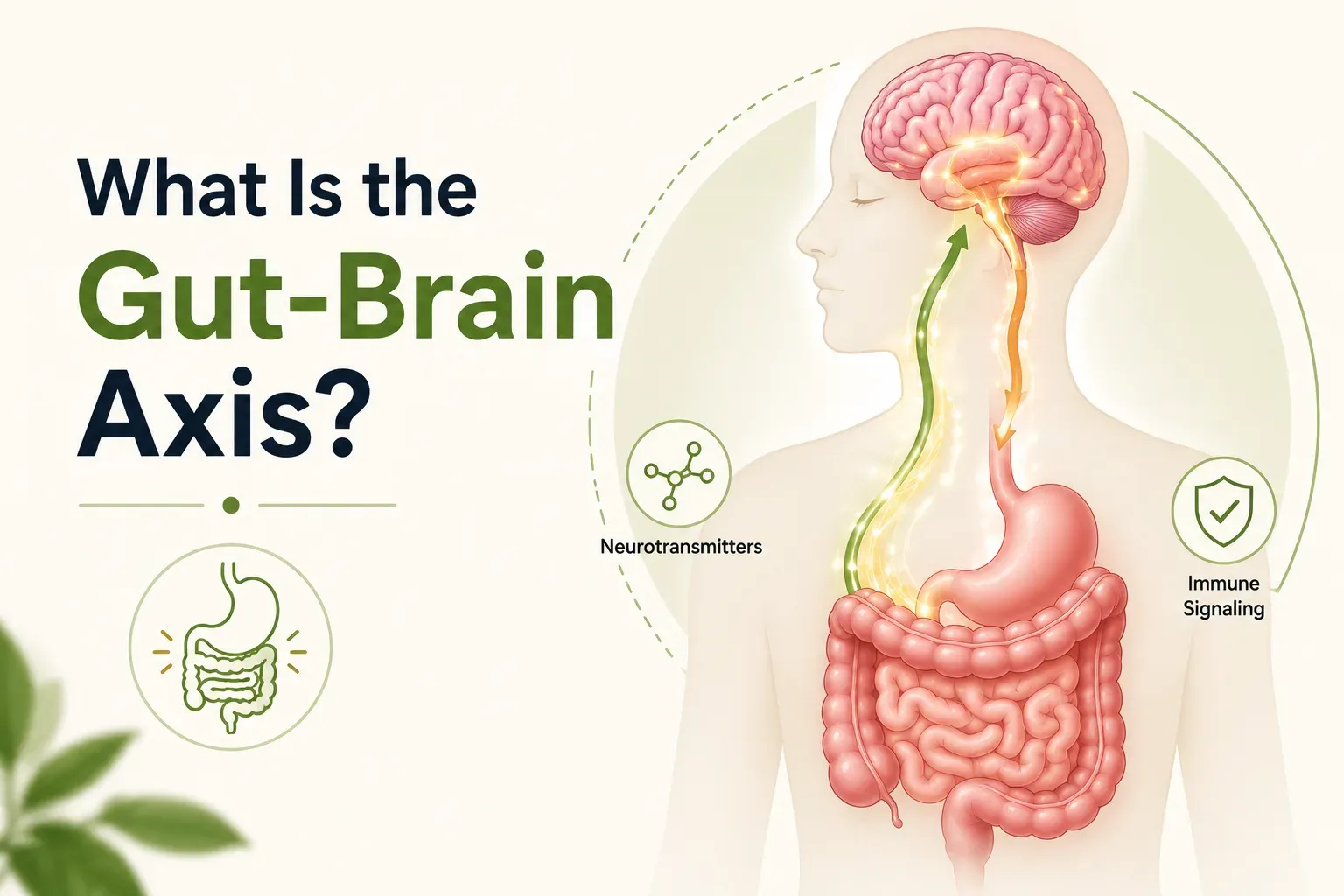
The gut-brain axis is the two-way communication network between your digestive system and your brain. It helps explain why stress can affect digestion, why gut symptoms can influence mood, and why gut health, sleep, food habits, stress, and bowel patterns are closely connected.
- It works through the vagus nerve, hormones, immune signals, neurotransmitters, and gut microbes.
- Stress can slow or speed digestion, causing bloating, cramps, reflux, constipation, or diarrhoea.
- Gut microbiome balance plays an important role in mood, inflammation, bowel habits, and IBS symptoms.
- Fibre-rich foods, fermented foods, sleep, exercise, yoga, and stress management can support a healthier gut-brain connection.
What Is the Gut-Brain Axis?
The gut-brain axis is the two-way communication network linking your digestive system and your brain. This connection allows your gut and brain to constantly share information, affecting your mood, stress response, digestion, and overall well-being. This network relies on a complex web of neural pathways, hormones, and immune signals.
An Easy Way to Picture the Gut-Brain Axis
Imagine the gut-brain axis as a busy railway network. Signals travel in both directions between the brain and gut along dedicated tracks, nerves, and chemical messengers, helping to keep your body working in harmony.
How Does the Gut-Brain Axis Communicate Between the Brain and Gut?
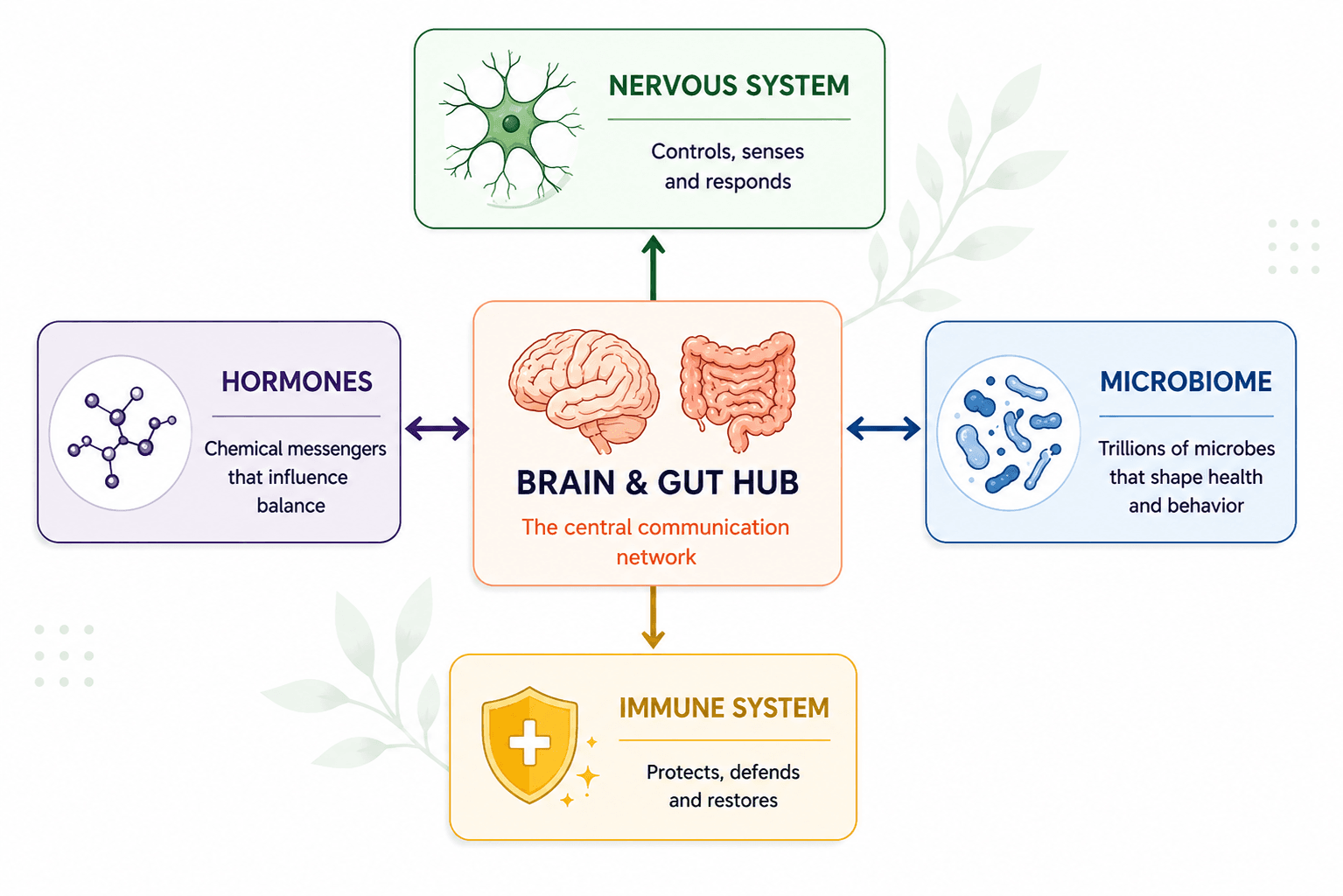
The gut-brain axis communicates through a two-way biochemical and neurological highway linking your central nervous system (brain and spinal cord) to your enteric nervous system, often called the “second brain” in your gut. This system uses the vagus nerve, immune signals, hormones, and chemicals made by gut microbes to send messages in both directions.
To help you compare, here is a table showing how each of the main pathways sends messages between your gut and brain. Each route plays a distinct role in this vital communication.
| Pathway | How It Works | What It Does |
|---|---|---|
| Vagus Nerve (Nervous System) | The enteric nervous system (ENS), known as the “second brain,” sends signals to the brain via the vagus nerve. | Regulates “rest-and-digest” functions; carries sensory feedback from the gut to the brain. |
| Neurotransmitters & Hormones | The gut and brain use shared chemical messengers like serotonin and GABA. The gut produces most of the body's serotonin for local digestion and influences brain chemistry via tryptophan. | Affects mood, sleep, appetite, and anxiety; gut serotonin regulates digestion, not direct brain levels. |
| Microbial Metabolites (Microbiome) | Gut microbes break down fibre to produce short-chain fatty acids (SCFAs) such as butyrate, which reduce inflammation and support the blood-brain barrier. | Butyrate lowers gut inflammation and helps protect the brain. |
| Immune Signalling (Immune System) | Immune cells in the gut send inflammatory signals (cytokines) into the bloodstream, which reach the brain. | Inflammation affects mood and cognition. |
Why Does the Gut-Brain Axis Matter?
This two-way connection means your gut and brain constantly influence each other. Here’s how this relationship affects your health:
- Stress, anxiety, or depression trigger gut symptoms like bloating, nausea, and irritable bowel syndrome (IBS).
- Poor gut health or an unbalanced microbiome causes inflammation linked to fatigue, anxiety, depression, and some brain conditions.
What Is the Role of the Microbiome in the Gut-Brain Axis?
The gut microbiome acts as a central hub within this communication network. By producing essential neurotransmitters, hormones, and metabolites, your gut bacteria constantly shape brain development, mood, stress responses, and daily behaviour.
How Does Stress Affect Digestion?
Stress disrupts your digestive tract through the gut-brain axis by triggering your body’s fight-or-flight response. When you feel stressed, blood flows away from your gut to your muscles, slowing digestion, altering bowel movements, and often causing symptoms such as bloating, acid reflux, cramps, or irregular stools.
Because the gut has its own nervous system, the “second brain”, it reacts strongly to stress. Depending on the person, stress can either slow or speed up digestion:
- Slows stomach emptying, causing nausea or upper GI discomfort.
- Speeds up colon contractions, leading to cramping or diarrhoea.
- Raises stomach acid, which increases heartburn or reflux
- Upsets the balance of gut bacteria
- Makes the gut more sensitive to pain
How Does the Gut-Brain Axis Influence Bowel Habits?
The gut-brain axis directly shapes your bowel habits by linking your brain and gut through the vagus nerve and gut-made chemicals like serotonin. Stress signals from your brain can speed up or slow down gut movements, leading to constipation or diarrhoea.
When this two-way communication is disrupted, you may notice changes in how often you go to the toilet or the consistency of your stools, or experience symptoms such as cramps and bloating.
How Does the Gut-Brain Axis Regulate Bowel Habits?
To clearly compare the main mechanisms, here is a table showing how the gut-brain axis regulates bowel habits. Each pathway works in a specific way to control digestion.
| Mechanism | How It Works | Effect on Bowel Habits |
|---|---|---|
| Nervous System | Brain regions (amygdala, hypothalamus) send autonomic nerve signals that change colon (large intestine) contractions. | Speeds up or slows down bowel movements (diarrhoea or constipation) |
| Neurotransmitters | Intestinal cells, influenced by gut bacteria, produce neurotransmitters (such as serotonin) that stimulate peristalsis (wave-like contractions). | Moves stool through the bowel |
| Hormones & Immune Signals | Stress activates the hypothalamic-pituitary-adrenal (HPA) axis, increasing cortisol and raising gut permeability and inflammation. | Disrupts regular bowel movements |
How Is the Gut-Brain Axis Linked to IBS?
The gut-brain axis is a two-way communication system connecting your brain and digestive tract. In irritable bowel syndrome (IBS), this communication becomes dysregulated. The brain amplifies normal digestive sensations, a phenomenon called visceral hypersensitivity, so routine gut activity is perceived as pain or discomfort.
This two-way relationship affects IBS in several key ways:
- Visceral hypersensitivity: Gut nerves send stronger pain signals to the brain.
- Stress responses: Brain stress responses change gut movement.
- Microbiome imbalances: Imbalanced gut bacteria increase inflammation and disrupt communication.
- Psychological interventions: Gut-directed therapies (such as CBT and hypnotherapy) calm brain-gut signalling and ease IBS symptoms.
What Is the Physiology of the Gut-Brain Axis?
The gut-brain axis is a two-way communication network that links the brain’s emotional and cognitive centres with the gut’s digestive and enteric functions. This ongoing connection helps maintain balance (homeostasis) in the body by allowing the central nervous system, gut microbiome, and immune system to influence mood, metabolism, and behaviour.
The gut-brain axis uses four main pathways for physiological communication. Each pathway plays a distinct role in linking your gut and brain:
| Pathway | How It Works |
|---|---|
| Nervous System | The ENS controls digestion and sends signals directly to the brain. The autonomic nervous system (ANS), including the vagus nerve, carries messages in both directions between the gut and brain. |
| Endocrine & Neuroendocrine Systems | Specialised gut cells produce hormones such as serotonin. Certain gut bacteria (like Lactobacillus and Bifidobacterium) produce GABA, a calming neurotransmitter. The hypothalamic-pituitary-adrenal (HPA) axis manages the body’s stress response and links the gut and brain. |
| Immune System | Gut-associated lymphoid tissue (GALT) in the intestinal wall samples the environment and releases cytokines that travel through the bloodstream to affect the brain. |
| Gut Microbiome | Trillions of gut microbes ferment fibre to produce metabolites (such as short-chain fatty acids) that influence inflammation, immunity, and brain chemistry. |
How Can You Improve the Gut-Brain Axis?
You can improve the gut-brain axis by supporting your gut bacteria, lowering inflammation, and managing stress. Eating more high-fibre and fermented foods helps your good gut microbes thrive. Reducing stress and looking after your mental health supports the vagus nerve and keeps communication between your gut and brain strong.
You can strengthen the gut-brain axis by making simple changes to your daily routine. Here are key actions to support healthy communication between your gut and brain:
- Eat more fibre-rich foods (prebiotics) such as oats, legumes, onions, bananas, and asparagus to feed beneficial gut bacteria.
- Add fermented foods (probiotics) such as kefir, yoghurt, kimchi, and sauerkraut to introduce beneficial bacteria.
- Include healthy fats and antioxidants from oily fish, flaxseeds, berries, dark chocolate, and green tea to reduce inflammation.
- Practice daily stress-management techniques such as deep breathing, yoga, or meditation to calm your gut’s nervous system.
- Stay active with regular exercise and prioritise sleep to support hormone balance and gut health.
- Limit processed foods, artificial sweeteners, excess alcohol, and unnecessary antibiotics to protect your gut bacteria and prevent inflammation.
What Are the Treatments for Gut-Brain Axis Issues?
Doctors treat gut-brain axis problems by restoring balance between your brain and digestive system. Treatments often combine dietary changes, specific medicines, psychological therapies, and lifestyle adjustments to ease both gut and mood symptoms. This approach helps support healthy communication along the gut-brain axis.
You can treat gut-brain axis issues by targeting both the physical and psychological connections. This table summarises the main treatment approaches and how each helps restore balance:
| Treatment Type | How It Works | Suggested Treatments |
|---|---|---|
| Dietary Interventions | Improve gut bacteria, reduce inflammation, and ease digestive symptoms. | Low-FODMAP diet, fibre-rich foods, anti-inflammatory diet |
| Psychological & Behavioural Therapies | Calm the gut by managing stress and changing brain-gut responses. | CBT, gut-directed hypnotherapy, mindfulness, yoga |
| Medical & Pharmacological Therapies | Act on gut nerves, microbiome, or infection to reduce pain and rebalance gut function. | Neuromodulators, antidepressants, probiotics, antibiotics |
Note: These treatments work together to restore balance in the gut-brain axis and improve both digestive and mental health.
Mool Health’s Perspective on Gut-Brain Axis
If you keep having gut symptoms that do not improve with standard treatments, it can feel discouraging, especially when you’ve already tried to make changes. Often, the problem involves more than just your gut.
At Mool Health, we look beyond single symptoms to understand how your gut and brain communicate through the gut-brain axis. We consider your stress levels, diet, and long-term habits to get to the root cause of your digestive issues. The Mool Health Free Gut Test reviews your symptoms and lifestyle to reveal patterns that may be affecting this vital connection. It then provides personalised advice to help you restore balance and improve your gut and mental well-being.
Understand Your Gut-Brain Connection Better
If stress, bloating, bowel changes, or recurring digestive discomfort feel connected, take Mool Health’s free gut test to understand your symptoms and lifestyle patterns better.
Medical Disclaimer
This content is for informational purposes only and does not replace professional medical advice, diagnosis, or treatment. Always consult a qualified healthcare provider with any questions you have regarding a medical condition or treatment. Never ignore professional advice or delay seeking it because of something you have read here.
Key Takeaways
A complete guide explaining the gut-brain axis, how the brain and gut communicate, how stress affects digestion and bowel habits, IBS connection, microbiome role, treatments and FAQs.
Your gut is unique your healing should be too.

FAQs
The gut-brain axis is a two-way communication network linking your digestive system and your brain. This connection explains why stress can cause stomach aches and why gut health can influence your mood and thinking.
You can rebalance your gut-brain axis by eating more high-fibre, plant-based foods, reducing processed foods, managing stress, sleeping well, and exercising regularly. These steps help balance your gut bacteria, lower inflammation, and support healthy communication between your gut and brain.
Gut-brain axis dysfunction can cause ongoing stomach pain, bloating, and changes in bowel habits. It can also lead to symptoms like anxiety, low mood, and brain fog, as the gut and brain stop communicating properly. Note: This problem is often seen in Disorders of Gut-Brain Interaction (DGBI), such as irritable bowel syndrome (IBS), where the digestive tract and central nervous system miscommunicate in both directions.
The seven most common signs of an unhealthy gut are: digestive discomfort, irregular bowel movements, unexplained weight changes, chronic fatigue, mood disturbances, skin irritations, and frequent food sensitivities.
Foods that boost the brain-gut axis include oily fish like salmon and mackerel, berries and green tea for polyphenols, and fermented foods such as yoghurt, kimchi, kombucha, and sauerkraut.
The 4 R's of gut healing are: Remove (irritants and harmful foods), Replace (digestive enzymes and nutrients), Reinoculate or Re-populate (beneficial bacteria), and Repair (the gut lining). This approach helps restore gut health and reduce inflammation.
Yes, stress can absolutely cause bloating. The mind and digestive tract communicate closely through the gut-brain axis. When you feel stressed, your body diverts blood away from the gut. This slows digestion, increases gas, and causes uncomfortable bloating.
Disclaimer
The content provided by Mool Health is for educational and informational purposes only and should not be considered a substitute for professional medical advice, diagnosis, or treatment.