
Best Foods for Gut Health: Top Foods & Diet Tips
The best foods for gut health include fibre-rich plants, fermented foods, healthy fats and whole grains that support digestion and a diverse gut microbiome.

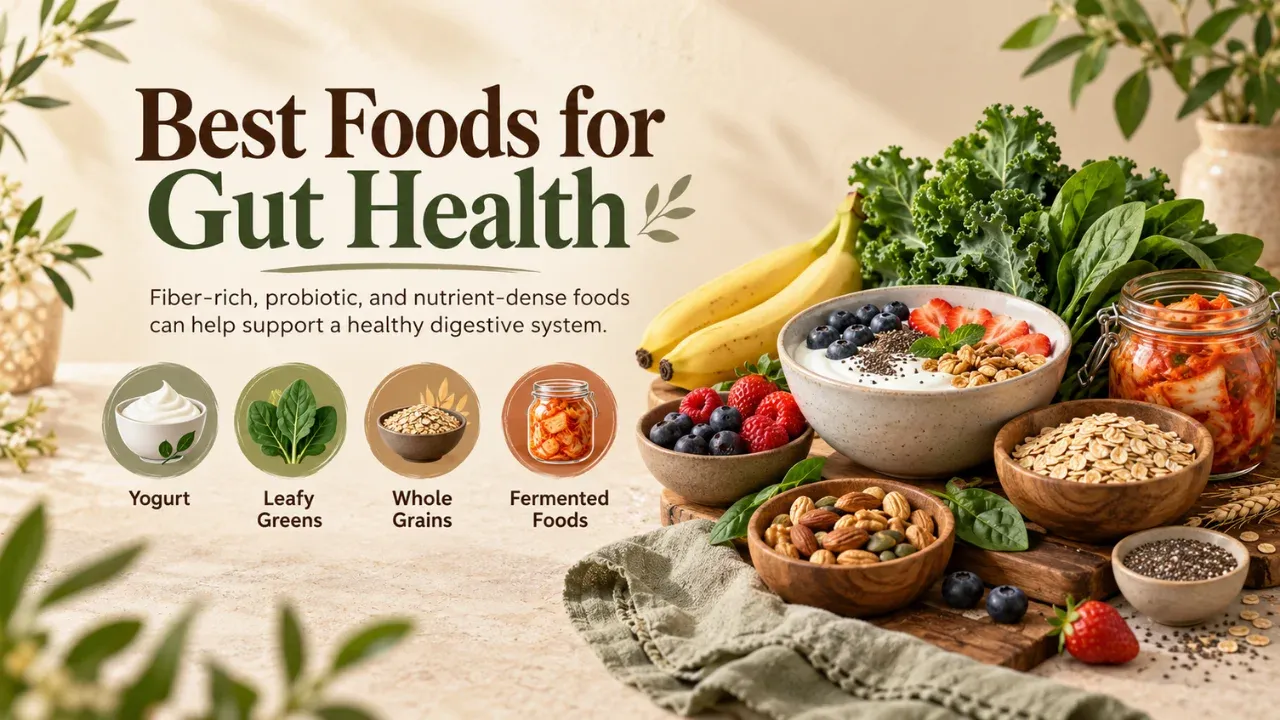
Quick Answer:
The best foods for gut health are those that feed beneficial gut bacteria, reduce inflammation, and support regular digestion. These include whole grains, fermented foods like yoghurt, fibre-rich fruits, healthy fats, and anti-inflammatory plants. Adding these foods consistently to your diet can improve digestion, strengthen immunity, and support overall wellbeing.
What Is Gut Health and Why Does It Matter?
Gut health refers to the balance and function of the gastrointestinal tract, including the trillions of bacteria, fungi, and other microbes that live in the digestive system — collectively called the gut microbiome. A healthy gut microbiome supports digestion, nutrient absorption, immune regulation, and even mood via the gut-brain axis.
Studies suggest that imbalances in gut bacteria — known as dysbiosis — are linked to conditions including irritable bowel syndrome (IBS), inflammatory bowel disease, obesity, and anxiety [1]. According to Mool Health's nutrition team, what you eat is the single most controllable factor influencing the diversity and health of your gut microbiome.
The Importance of Diet for Good Gut Health
Diet directly shapes which bacteria survive and thrive in your gut. Beneficial bacteria — particularly those in the Lactobacillus and Bifidobacterium families — feed on dietary fibre and fermented foods. When these bacteria are well-nourished, they produce short-chain fatty acids (SCFAs) like butyrate, which strengthen the gut lining and reduce inflammation.
Conversely, diets high in ultra-processed foods, refined sugar, and saturated fat reduce microbial diversity. Research from the British Medical Journal (2021) found that a 10% increase in ultra-processed food consumption was associated with a 12% higher risk of inflammatory bowel conditions [2].
Key dietary principles for gut health include:
- Eat a wide variety of plant foods — diversity in plants drives diversity in gut bacteria
- Prioritise fibre — adults need approximately 30g of dietary fibre per day; most consume less than 20g
- Include fermented foods — these introduce live beneficial bacteria directly into the gut
- Limit ultra-processed foods — these reduce microbial diversity and promote gut inflammation
- Stay hydrated — water supports the mucosal lining and smooth transit of food
Top 10 Foods Good for Gut Health
The following foods are consistently supported by nutritional research as beneficial for the gut microbiome. Each works through a distinct mechanism, and combining several provides the greatest benefit.
1. Whole Grains
Whole grains — including oats, brown rice, barley, and whole wheat — are among the richest sources of prebiotic fibre. Prebiotic fibre is not digested by the human body but feeds beneficial gut bacteria in the colon.
Oats, in particular, contain beta-glucan, a soluble fibre that has been shown to increase Lactobacillus populations and reduce gut inflammation. A 2021 study in the American Journal of Clinical Nutrition found that replacing refined grains with whole grains for six weeks significantly increased microbial diversity [3].
How to include them: Swap white bread and white rice for whole grain alternatives. Use rolled oats for breakfast, or add barley to soups and stews.
2. Yoghurt
Yoghurt is a fermented dairy food containing live cultures of Lactobacillus bulgaricus and Streptococcus thermophilus. These live bacteria — known as probiotics — can support the balance of the microbiome.
Regular yoghurt consumption is associated with reduced symptoms of IBS, improved lactose digestion, and a lower risk of antibiotic-associated diarrhoea. According to Mool Health's gut health advisors, plain, unsweetened yoghurt delivers the highest concentration of active cultures, as added sugar can reduce its overall nutritional value.
How to include it: Eat one serving of plain, live-culture yoghurt daily. Use it as a base for dressings, dips, or smoothies.
3. Pears
Pears are a fibre-rich fruit, with one medium pear providing approximately 5.5g of dietary fibre. A significant portion of this fibre is pectin, a soluble fibre that acts as a prebiotic and supports beneficial gut bacteria.
Pears also contain fructooligosaccharides (FOS), which can support Bifidobacterium populations in the colon.
How to include them: Eat pears with the skin on, as the skin contains a high concentration of fibre. Add sliced pears to salads or eat them as a snack.
4. Almonds
Almonds are a source of prebiotic fibre, healthy monounsaturated fats, and polyphenols — plant compounds that act as antioxidants and may support beneficial bacteria.
A randomised controlled trial published in the American Journal of Clinical Nutrition (2022) found that participants who consumed almonds showed higher levels of butyrate-producing bacteria compared with a control group [4].
How to include them: A small handful can be eaten as a snack or added to oatmeal and salads.
5. Bananas
Bananas — particularly slightly underripe bananas — contain resistant starch, a carbohydrate that resists digestion in the small intestine and ferments in the large intestine, feeding beneficial bacteria.
Ripe bananas also contain FOS and pectin, both of which support beneficial gut bacteria. Bananas also provide potassium and magnesium.
How to include them: Include a medium banana as a snack, breakfast ingredient, or smoothie addition.
6. Avocados
Avocados are high in both fibre and monounsaturated fats. This combination may support bowel regularity and microbial diversity.
A 2021 clinical trial published in the Journal of Nutrition found that participants who ate avocado regularly had greater microbial diversity and higher SCFA production than a control group [5].
How to include them: Add avocado to toast, salads, wraps, or smoothies.
7. Ginger
Ginger (Zingiber officinale) contains compounds including gingerols and shogaols that have been studied for their anti-inflammatory and digestive effects.
Ginger may support gastric emptying and can be useful for nausea or digestive discomfort. Research has also investigated its potential effects on gut bacteria [6].
How to include it: Add fresh grated ginger to meals, teas, or smoothies.
8. Olive Oil
Extra-virgin olive oil is rich in monounsaturated fats and polyphenols, including oleocanthal and oleuropein.
Research has associated olive oil-rich dietary patterns with greater microbial diversity and SCFA production compared with diets higher in some animal fats [7].
How to include it: Use extra-virgin olive oil in dressings, dips, or appropriate cooking preparations.
9. Leafy Green Vegetables
Leafy greens — including spinach, kale, rocket, and Swiss chard — provide fibre, folate, magnesium, and plant compounds that may support beneficial bacteria.
They are also a useful source of fibre for supporting regular bowel movement and overall digestive health.
How to include them: Add leafy greens to salads, curries, stir-fries, soups, or smoothies.
10. Legumes
Legumes such as lentils, chickpeas, rajma, peas, and beans are rich in fibre and resistant starch, making them useful foods for supporting beneficial gut bacteria.
Because gut bacteria ferment some of the carbohydrates in legumes, they may initially cause gas in people who are not used to eating high-fibre foods.
How to include them: Add legumes gradually to meals and increase intake over time while maintaining adequate hydration.
Gut-Friendly Foods vs. Foods That Harm Gut Health
Understanding what to limit is as important as knowing what to eat. The table below compares gut-supportive foods with dietary patterns that may negatively affect digestive health when consumed excessively.
| Factor | Gut-Supportive Foods | Foods to Limit |
|---|---|---|
| Fibre content | High — whole grains, fruits, vegetables | Often low — refined breads, pastries, highly processed foods |
| Effect on microbiome | Supports microbial diversity | Highly repetitive processed diets may reduce diversity |
| Inflammation | Plant-rich dietary patterns can support lower inflammation | High intakes of some ultra-processed foods may promote inflammation |
| Bacterial impact | Provides substrates for beneficial bacteria | Low-fibre diets provide less fuel for beneficial bacteria |
| Examples | Yoghurt, oats, vegetables, nuts, fruit | Ultra-processed snacks, sugary drinks |
| Gut lining | Fibre-derived metabolites can support the intestinal barrier | Poor-quality dietary patterns may negatively affect barrier function |
How Long Does It Take to See Results from Gut-Healthy Eating?
Gut health improvements from dietary changes can appear at different timescales depending on your starting diet, digestive health, microbiome composition, and consistency.
| Timeframe | What You May Notice |
|---|---|
| 1–2 weeks | Changes in bowel regularity, bloating, or digestive comfort may begin |
| 1 month | Dietary consistency may begin influencing microbial populations |
| 3 months | More sustained changes in eating patterns and microbial diversity may develop |
| 6 months | Long-term dietary habits may support more stable changes in gut health |
Results vary depending on individual microbiome composition, existing digestive conditions, stress levels, medications, activity, and sleep quality.
What Are the 7 Signs of an Unhealthy Gut?
Digestive imbalance can present with a range of symptoms. These symptoms are not specific to the microbiome alone, so persistent problems should be medically evaluated.
- Frequent bloating or gas — may occur when certain carbohydrates are heavily fermented or digestion is disrupted
- Constipation or diarrhoea — recurring bowel changes can indicate altered gut motility or another digestive problem
- Food intolerances — difficulty tolerating certain foods may reflect digestive or enzyme-related problems
- Persistent fatigue — digestive disorders and nutrient deficiencies can sometimes contribute to tiredness
- Frequent digestive illness — gastrointestinal health and immune function are closely connected
- Skin changes — some inflammatory skin conditions have been studied in relation to gut health
- Unintentional weight changes — unexplained weight loss or gain can have many causes and should be assessed if persistent
Best Practices for Gut Health: Expert Tips from Mool Health
According to Mool Health's nutrition team, the following practices can support gut health alongside dietary changes:
- Eat a wide variety of plant foods — dietary diversity supports a broader range of gut microbes
- Chew food thoroughly — digestion begins in the mouth and good chewing supports the digestive process
- Include fermented foods — yoghurt, kefir, kimchi, and similar foods can provide live microorganisms
- Manage stress actively — the gut-brain axis means psychological stress can influence digestive symptoms
- Prioritise sleep — irregular sleep patterns can affect appetite, metabolism, and digestive function
- Avoid unnecessary antibiotic use — antibiotics should be used when medically appropriate because they can alter the gut microbiome
- Stay physically active — regular exercise is associated with several benefits for digestive and overall health
Common mistakes to avoid:
- Introducing large amounts of fibre too quickly
- Relying on probiotic supplements without improving the overall diet
- Assuming every product marketed for gut health is beneficial
- Choosing fermented products that contain large amounts of added sugar
- Ignoring persistent digestive symptoms and trying to treat everything through diet alone
Key Takeaways
- Diet is one of the major influences on gut microbiome composition — what you eat regularly helps determine which microbes are supported.
- Gut-supportive foods include whole grains, yoghurt, pears, almonds, bananas, avocados, ginger, olive oil, leafy greens, and legumes — each provides different nutrients, fibres, or plant compounds.
- Fibre is important for digestive health — whole plant foods provide the different types of fibre used by gut bacteria.
- Fermented foods can provide live microorganisms — choose options such as plain yoghurt or other fermented foods that fit your diet.
- Gut health improvements take time — sustained dietary habits are generally more useful than short-term cleanses or restrictive resets.
- Reducing ultra-processed food is as important as adding gut-friendly foods — improving the overall dietary pattern matters more than adding a single superfood.
- Dietary diversity matters — eating different fruits, vegetables, grains, legumes, nuts, seeds, and fermented foods can support a more varied nutritional intake.
- Increase fibre gradually — sudden large increases may worsen bloating, gas, or discomfort.
- Diet is only one part of gut health — sleep, physical activity, stress, medications, and existing digestive conditions can also influence symptoms.
- Persistent digestive symptoms require proper evaluation — recurring diarrhoea, constipation, bleeding, unexplained weight loss, severe pain, or persistent bloating should not be managed only through dietary changes.
Your gut is unique your healing should be too.

FAQs
Foods commonly associated with supporting gut health include yoghurt and other fermented foods, whole grains, fruits, vegetables, legumes, nuts, seeds, and healthy fats such as extra-virgin olive oil. No single food heals the gut on its own. A varied, fibre-rich dietary pattern is generally more important than relying on one specific ingredient.
A 7-day gut reset usually refers to temporarily reducing ultra-processed foods, alcohol, and excess added sugar while increasing fibre-rich plants, fermented foods, and hydration. One week may help establish healthier habits, but long-term microbiome changes generally require consistent dietary patterns over a longer period.
A useful way to think about gut-supportive foods is across six broad groups: whole grains, vegetables, fruits, legumes, fermented foods, and nuts or seeds. Eating across several food groups provides more dietary diversity than relying on a single so-called superfood.
Some people notice changes in bloating or bowel regularity within one or two weeks of changing their diet. More sustained changes in digestive habits and microbiome composition generally require several weeks or months of consistent eating patterns.
Many people can support their digestive health through a varied diet containing fibre-rich and fermented foods without routinely taking probiotic supplements. Specific probiotic products may be useful in selected situations, but benefits depend on the strain, dose, and condition being treated. Supplements should not replace an overall balanced diet.
Digestive conditions can sometimes affect nutrient absorption, and deficiencies in nutrients such as iron, zinc, vitamin D, or other micronutrients may contribute to hair shedding in some people. However, hair loss has many possible causes, so persistent hair loss requires proper assessment rather than being attributed to gut health alone.
Fermented foods such as yoghurt, kefir, kimchi, and some other traditionally fermented foods can provide live microorganisms. Their effects vary depending on how the food is produced and whether live cultures remain in the final product.
Fibre needs vary by age, sex, energy intake, and individual health needs. A fibre-rich diet containing whole grains, fruits, vegetables, legumes, nuts, and seeds can support bowel function and provide fuel for gut bacteria. Increase fibre gradually and drink enough fluid to reduce the risk of bloating or constipation.
Disclaimer
The content provided by Mool Health is for educational and informational purposes only and should not be considered a substitute for professional medical advice, diagnosis, or treatment.