
Morning Loose Motion: Causes, Remedies & When to See a Doctor
Understand why loose motion may happen early in the morning, including food, stress, medicine, and gut-related triggers.
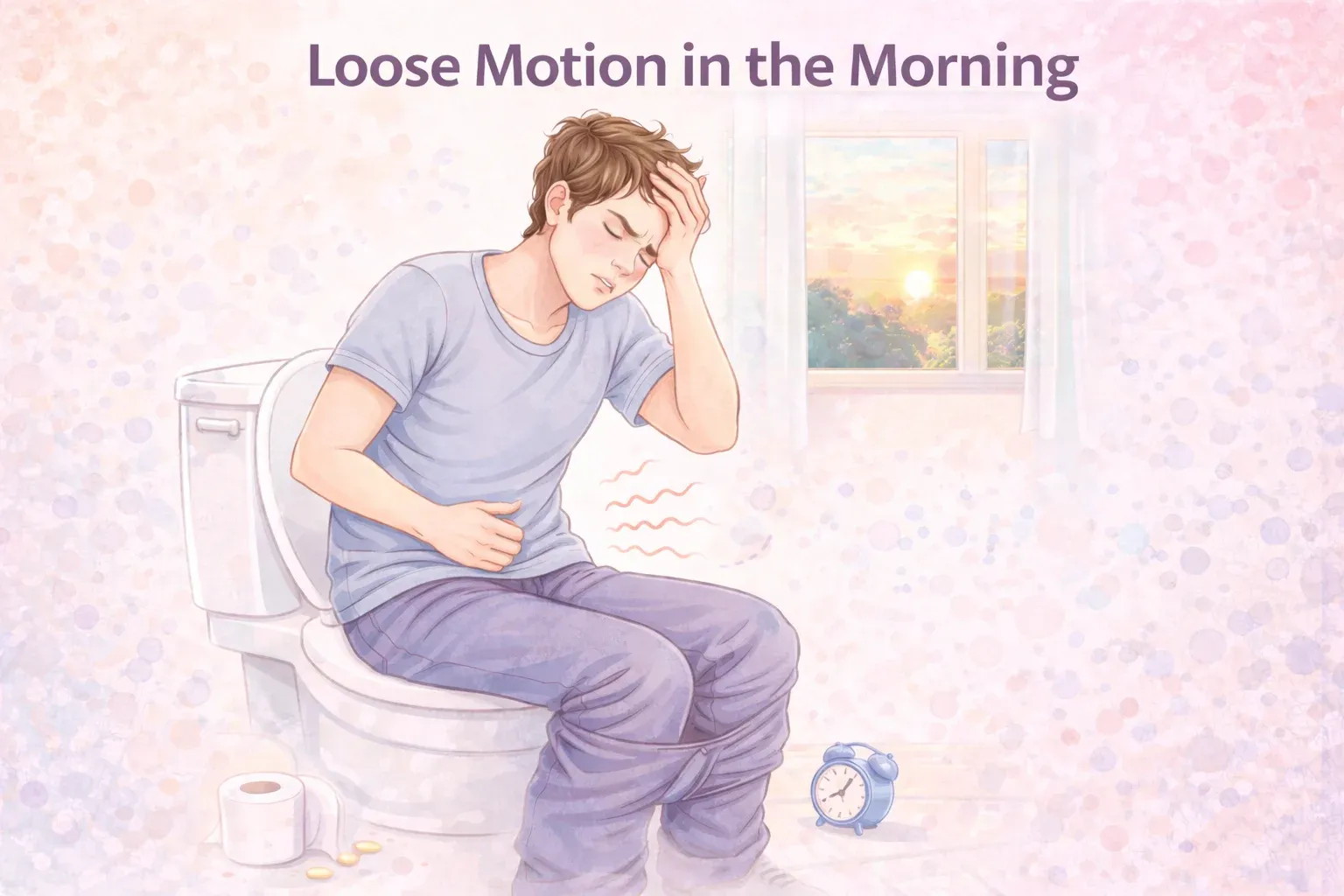
Quick Answer
Morning loose motion means loose or watery stools that happen soon after you wake up. It can be linked to a stomach infection, food triggers, medicines, stress, food intolerance, or conditions such as irritable bowel syndrome. Replacing fluids and noticing the pattern are useful first steps, but repeated symptoms need a medical review.
- Use an oral rehydration solution or other suitable fluids after repeated loose stools.
- Track evening food, caffeine, alcohol, medicines, stress, and stool pattern for at least a week.
- Choose simple foods that you tolerate and avoid known personal triggers while symptoms settle.
- Do not rely on anti-diarrheal medicine if you have fever, blood in stool, severe pain, or possible infection.
- Seek prompt medical advice for dehydration, blood or black stool, high fever, severe pain, or symptoms that keep returning.
Morning loose motion refers to frequent, watery, or unformed stools that occur specifically in the early hours after waking. It can affect people of any age and may be linked to a minor dietary issue, a short-term infection, a medicine side effect, or an underlying gut condition. In many cases, the pattern becomes clearer when you track symptoms, food, stress, and hydration together.
What Is Morning Loose Motion?
Morning loose motion is a pattern of diarrhea, meaning loose or watery stools, that happens predominantly in the morning, often within the first hour after waking. Diarrhea is usually defined as passing loose, watery stools three or more times a day, or more often than is normal for you. A morning-specific pattern can also occur with fewer bowel movements when the stools are consistently loose or urgent.
When stool moves through the large intestine too quickly, the colon has less time to absorb water. This can make stool softer, looser, or watery. Morning symptoms may be influenced by waking, the first food or drink of the day, stress, sleep disruption, or an underlying digestive condition.
Key terms:
- Gut motility: The speed at which food and waste move through the digestive tract.
- Gastrocolic reflex: A natural response in which the colon becomes more active after eating or drinking.
- IBS-D: Irritable bowel syndrome with a diarrhea-predominant pattern that can include abdominal pain and changes in bowel habits.
How Morning Loose Motion Works: The Biological Mechanism
Morning loose motion can occur when waking, stress signals, food, drinks, or an underlying gut condition make the bowel more active. Several processes may overlap.
Step-by-step breakdown:
- Waking signals affect the bowel: Changes in the nervous system and hormones after waking can influence bowel movement patterns in some people.
- The gastrocolic reflex is activated: Eating or drinking can prompt the colon to contract. Coffee, large breakfasts, and some food triggers can make this response feel stronger.
- Water absorption is reduced: When stool moves quickly through the colon, less water may be absorbed, resulting in loose or watery stool.
- Gut sensitivity can increase: People with IBS or anxiety may notice stronger urgency, cramping, or discomfort from normal gut activity.
- Other causes may be present: Infection, food intolerance, medicines, inflammatory bowel conditions, and bile acid problems can also cause repeated loose stools.
Why this matters: A morning pattern does not confirm one diagnosis. Looking at timing, food triggers, associated symptoms, medicines, and warning signs helps guide the next step.
Common Causes of Morning Loose Motion
Morning loose motion can have more than one cause. Identifying the pattern is more helpful than assuming that every episode is caused by stress or a single food.
- Irritable bowel syndrome: IBS can involve recurring abdominal pain together with diarrhea, constipation, or both.
- Dietary triggers: High-fat meals, alcohol, spicy food, sugar alcohols, and caffeine can worsen urgency or loose stools for some people.
- Food intolerances: Some people notice symptoms after dairy, fructose-containing foods, or other personal triggers. Learn more about lactose intolerance and bloating after milk when dairy seems to be part of the pattern.
- Infections: Viral or bacterial gastroenteritis can cause sudden diarrhea, often with nausea, vomiting, fever, or cramps.
- Stress and anxiety: Stress can affect bowel sensitivity and movement. Some people notice a link with stress-related loose motion, particularly during demanding periods.
- Medicines: Antibiotics, metformin, magnesium-containing products, and laxatives can cause loose stools in some people.
- Inflammatory or other digestive conditions: Conditions such as inflammatory bowel disease, celiac disease, bile acid diarrhea, or other digestive problems may need medical assessment.
Types of Morning Loose Motion: Understanding the Patterns
Morning loose motion can be grouped by duration and likely trigger. The table below can help you describe the pattern to a clinician.
| Type | Duration | Key Features | Possible Cause |
|---|---|---|---|
| Acute morning loose motion | Days to less than 2 weeks | Sudden onset, may include nausea, fever, or vomiting | Infection or food poisoning |
| Persistent morning loose motion | More than 2 weeks | Ongoing or recurrent pattern | Food intolerance, medicines, post-infectious symptoms, or another gut condition |
| Chronic morning loose motion | At least 4 weeks | Continues or comes and goes | IBS, inflammatory conditions, bile acid diarrhea, or other causes |
| Stress-linked pattern | Varies | May flare before work, travel, exams, or difficult events | Gut-brain interaction or anxiety |
| Diet-linked pattern | Repeats after certain meals | Symptoms follow specific food or drink choices | Food intolerance, caffeine, alcohol, high-fat meals, or sugar alcohols |
Keeping a simple seven-day record of stool timing, food, drinks, medicine, sleep, and stress can help identify useful patterns. It can also help a clinician decide whether testing is needed.
Who Is at Risk for Morning Loose Motion?
Morning loose motion can affect anyone, but some factors make a recurring pattern more likely.
Higher-risk groups include:
- People with diagnosed IBS or a history of recurring abdominal pain and bowel changes.
- People with high stress, anxiety, irregular sleep, or a major life change.
- People who regularly have late evening alcohol, caffeine, high-fat meals, or known trigger foods.
- People with lactose intolerance or another food intolerance.
- People taking antibiotics, metformin, laxatives, magnesium products, or other medicines that affect bowel movements.
- People who recently had a gastrointestinal infection.
- People with inflammatory bowel disease, celiac disease, diabetes, or other long-term health conditions.
| Monitoring may be reasonable | Medical review is more important |
|---|---|
| One mild episode with no recurrence | Loose stools most mornings for 2 weeks or more |
| A clear dietary trigger with rapid improvement | Blood, mucus, fever, weight loss, or severe pain |
| Formed stools with only brief morning urgency | Symptoms that interrupt work, sleep, or daily activities |
| No dehydration and no concerning symptoms | Loose stools after antibiotics, during pregnancy, or with weakened immunity |
How to Manage Morning Loose Motion: A Step-by-Step Guide
Management depends on the cause. For mild, short-lived symptoms without warning signs, the following steps may be useful while you monitor the pattern.
Before starting: Seek medical advice promptly if symptoms include blood or black stool, fever, severe abdominal pain, repeated vomiting, dehydration, or unintentional weight loss.
- Replace fluids and electrolytes. Use oral rehydration solution as directed, especially if you have repeated loose stools. Plain water is useful too, but it does not replace electrolytes lost during frequent diarrhea.
- Identify possible triggers. Keep a food and symptom diary for 7 to 14 days. Record dinner, breakfast, caffeine, alcohol, medicines, stress, sleep, and bowel movements.
- Adjust evening meals. Try finishing dinner earlier and reducing large, high-fat, spicy, or heavily processed meals. Make one change at a time so the pattern is easier to interpret.
- Choose foods you tolerate. During an active episode, choose simple foods you can tolerate and learn what to eat in loose motion as symptoms settle.
- Review drinks. Caffeine and alcohol can stimulate the bowel. Avoid them if they repeatedly make your morning symptoms worse. For a closer look at beverages, read about tea during diarrhea.
- Use a calming practice. Slow breathing, relaxation, a short walk, or a consistent morning routine may help when stress clearly contributes to urgency.
- Discuss medicines with a clinician or pharmacist. Do not stop prescribed medicines suddenly. Ask whether a medicine could be contributing and whether an alternative or dose adjustment is appropriate.
- Use anti-diarrheal medicine carefully. A pharmacist or clinician can advise whether an over-the-counter option is appropriate. Do not self-treat with anti-diarrheal medicine when you have blood in stool, fever, severe pain, or possible infection.
Common mistakes to avoid:
- Skipping all food for long periods instead of choosing tolerable foods and maintaining fluids.
- Using anti-diarrheal medicine repeatedly without finding the cause.
- Removing multiple foods at once and making the pattern difficult to interpret.
- Assuming a recurrent pattern is only stress without considering infection, medicine effects, intolerance, or a digestive condition.
For practical symptom support during short-lived episodes, see these home remedies for diarrhea.
Morning Loose Motion vs. Regular Diarrhea: Key Differences
Morning loose motion describes the timing of symptoms. General diarrhea can occur at any time of day. Both can have overlapping causes and should be assessed using the full symptom pattern.
| Feature | Morning Loose Motion | General Diarrhea |
|---|---|---|
| Timing | Usually soon after waking | Any time of day or night |
| Possible triggers | Waking, breakfast, coffee, stress, evening food | Infection, food poisoning, medicines, food intolerance, or other gut conditions |
| Pattern | Can be recurrent or linked to routine | May be acute, persistent, or chronic |
| Associated conditions | IBS, anxiety, food intolerance, sleep disruption | Gastroenteritis, medicine effects, IBS, inflammatory conditions, and more |
| When to seek help | When recurrent, severe, or paired with warning signs | When persistent, severe, or paired with warning signs |
When to See a Doctor for Morning Loose Motion
It is important to seek medical advice when morning loose motion is persistent, worsening, or accompanied by symptoms that could indicate a more serious cause.
See a healthcare provider promptly if you notice:
- Blood, pus, black stool, or a large amount of mucus in the stool.
- High fever, severe or persistent abdominal pain, or repeated vomiting.
- Symptoms of dehydration, such as dark urine, dizziness, dry mouth, marked thirst, or very little urine.
- Unintended weight loss, loss of appetite, or significant fatigue.
- Diarrhea lasting more than 2 days in an adult, six or more loose stools in a day, or worsening symptoms.
- Loose stools that wake you from sleep. Read about sudden loose stools at night, because a night-time pattern needs a different level of attention.
- Diarrhea after antibiotics, during pregnancy, in older age, or with a weakened immune system.
What to Expect: Timeline for Morning Loose Motion Recovery
Recovery depends on the underlying cause. A brief episode after a food trigger or viral illness may settle in a few days, while recurring patterns may need assessment and a more individual plan.
| Timeframe | What May Happen |
|---|---|
| First 24 to 48 hours | Hydration and avoiding clear triggers may reduce symptoms in mild, short-lived cases. |
| Days 3 to 7 | Many infection-related episodes begin to improve. Continued or worsening diarrhea needs medical advice. |
| Weeks 2 to 4 | A repeated morning pattern may be easier to interpret with a food, stress, sleep, and symptom record. |
| 4 weeks or longer | Diarrhea that continues or returns over this period is considered chronic and should be medically evaluated. |
Factors that can affect recovery:
- The cause, such as infection, food intolerance, IBS, medicine effects, or inflammatory disease.
- How well fluids and electrolytes are replaced.
- Ongoing exposure to a trigger food, drink, medicine, or stressor.
- Sleep quality, stress, and other health conditions.
- Whether testing or treatment is needed for an underlying condition.
Morning Loose Motion Best Practices: Expert Tips
These habits can support a calmer, more predictable gut routine. They are not a replacement for medical assessment when warning signs are present.
- Keep meals regular. Avoid very large evening meals and leave time between dinner and bedtime when that pattern seems to trigger symptoms.
- Review the first drink of the day. Coffee can stimulate bowel movement in some people. Try reducing it or having it after food if it clearly worsens urgency.
- Add fibre gradually and thoughtfully. Fibre can help some people but can worsen gas or urgency in others. Increase it slowly and discuss persistent symptoms with a clinician or dietitian.
- Keep sleep and wake times consistent. A regular routine may make symptom patterns easier to identify and manage.
- Use a clinician-guided diet approach for suspected IBS. A low-FODMAP diet may be considered with professional guidance, especially when symptoms are recurring.
- Practice food hygiene. Proper handwashing and safe food preparation can lower the chance of infection-related diarrhea.
- Stay hydrated through the day. Regular fluids support recovery after loose stools and help prevent dehydration.
Important: Persistent symptoms should not be self-labelled as IBS. A clinician can help rule out infection, medicine effects, inflammatory bowel disease, celiac disease, lactose intolerance, and other causes when appropriate.
What the Research Says About Morning Loose Motion
Research on diarrhea and IBS shows that bowel symptoms can be influenced by diet, gut-brain interactions, infection, medicines, and underlying digestive conditions. IBS is defined by repeated abdominal pain together with changes in bowel movements, which may include diarrhea, constipation, or both.
Doctors may consider food intolerance, celiac disease, inflammatory bowel disease, diabetes, infection, and medicine effects when diarrhea is persistent or has warning signs. Diet and lifestyle changes, medicines, probiotics, and psychological therapies may all be part of an IBS plan, depending on the individual.
For a recurrent morning pattern, the most useful next step is usually not a single remedy. It is documenting the pattern and seeking an assessment when symptoms are persistent, severe, or accompanied by red flags.
Mool Health Perspective
Loose stools in the early morning can be frustrating because they can affect work, travel, confidence, and everyday routines. The useful question is not just how to stop one episode, but what may be contributing to the repeated pattern.
Looking at meals, hydration, sleep, stress, medicines, and bowel timing together can help you notice useful clues. A structured assessment may be helpful when symptoms continue, interfere with daily life, or are paired with pain, blood in stool, weight loss, fever, or dehydration.
Understand Your Morning Gut Pattern
Take Mool's Free Gut Health Test to explore food, stress, sleep, and digestive habits that may be linked to recurring morning loose motion.
Medical Disclaimer
This blog is for informational purposes only and does not substitute for professional medical advice, diagnosis, or treatment. Always consult a qualified healthcare provider with questions about a medical condition. Never delay seeking medical advice because of something you have read here.
Key Takeaways
Understand why loose motion may happen early in the morning, including food, stress, medicine, and gut-related triggers.
Your gut is unique your healing should be too.

FAQs
Morning loose motion can be linked to the body's waking response, the gastrocolic reflex, coffee or breakfast, stress, food intolerance, medicine effects, IBS, infection, or another digestive condition. A repeated pattern is worth tracking and discussing with a clinician.
Start by replacing fluids, noting food and drink triggers, reducing caffeine or alcohol when they worsen symptoms, and choosing foods you tolerate. Speak with a clinician if symptoms are persistent, frequent, severe, or paired with warning signs.
An occasional episode can happen. Daily or recurring morning loose stools are not something to ignore, especially when the pattern lasts more than 2 weeks, affects daily life, or is paired with pain, blood, fever, weight loss, or dehydration.
Yes. Stress can affect the gut-brain axis and may increase urgency, cramping, or loose stools in some people. Stress is not the only possible cause, so ongoing symptoms should not be assumed to be stress-related without considering other factors.
Coffee can stimulate bowel movement in some people. Caffeine, the temperature of the drink, milk, sweeteners, and drinking coffee on an empty stomach can all influence symptoms. Try reducing it or changing the timing to see whether the pattern improves.
Choose simple foods that you tolerate and keep up fluids. Many people prefer rice, toast, banana, potatoes, cooked vegetables, or other familiar foods while symptoms settle. Avoid foods that repeatedly make your symptoms worse and seek advice if diarrhea continues.
Seek medical advice for diarrhea lasting more than 2 days, six or more loose stools in a day, fever, severe pain, repeated vomiting, blood or black stool, dehydration, unexplained weight loss, or symptoms that keep recurring. Get advice sooner during pregnancy, in older age, after antibiotics, or with a weakened immune system.
Disclaimer
The content provided by Mool Health is for educational and informational purposes only and should not be considered a substitute for professional medical advice, diagnosis, or treatment.