
Loose Motion Due to Stress: Causes, Relief and When to Worry
Understand how stress and anxiety can affect bowel patterns, what may help during an episode, and when symptoms need medical attention.
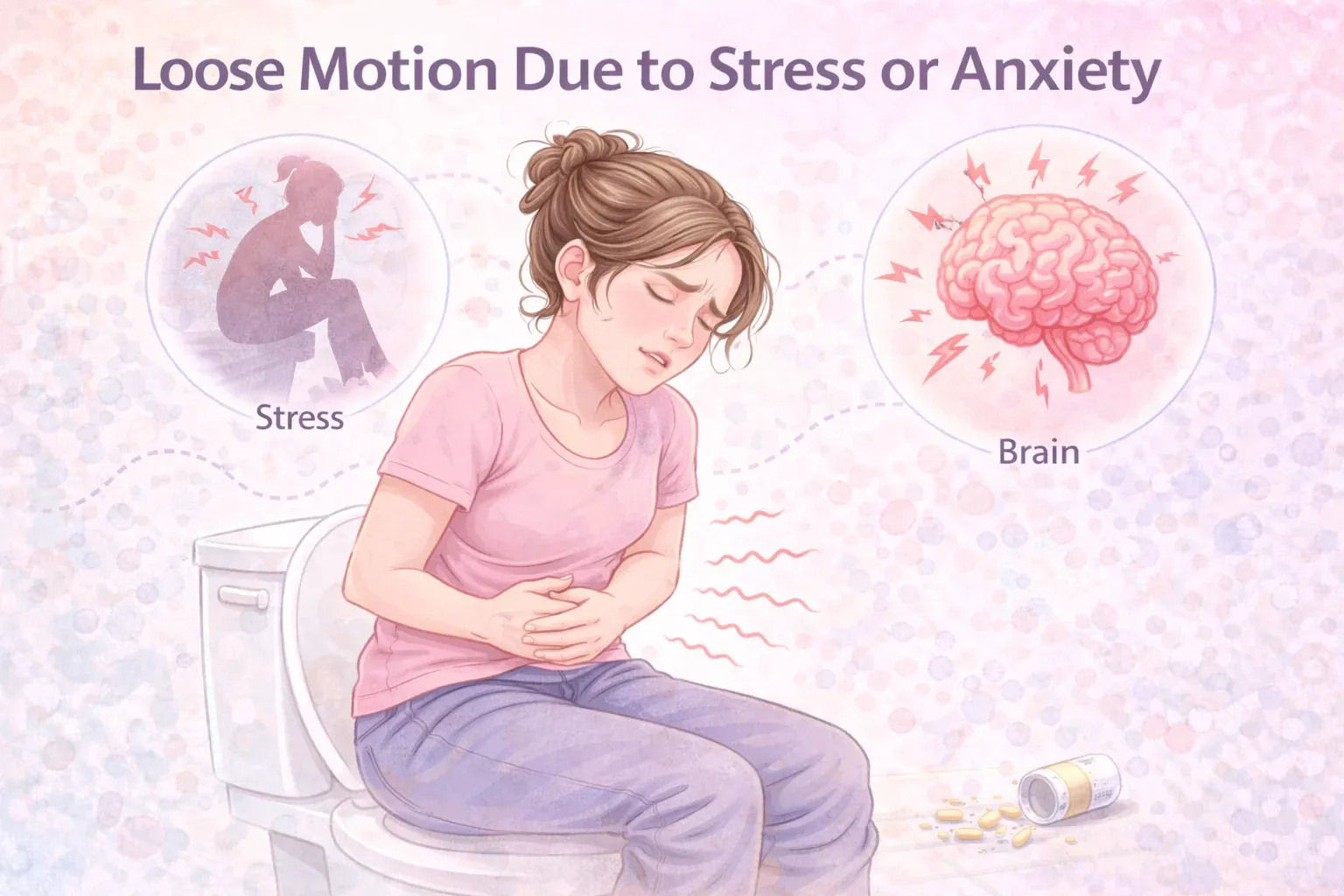
Quick Answer:
Loose motion due to stress can happen when anxiety or emotional pressure affects the gut-brain axis and changes bowel activity. It often improves as the stressful situation settles, but repeated loose stools should not automatically be blamed on stress.
- Stress can make bowel movements feel more urgent or become looser for some people.
- Hydration and electrolyte replacement are important during active diarrhea.
- Keeping a food, stress, and symptom diary can help reveal patterns.
- Fever, blood in stool, severe pain, dehydration, or frequent episodes need medical advice.
- Long-term relief may require support for both digestive symptoms and stress management.
Stress can affect bowel habits through the gut-brain axis, the two-way communication network between your brain and digestive system. During anxiety or acute stress, some people notice urgency, cramping, or loose stools. The symptom is real, but infection, food intolerance, medicines, and other causes should still be considered.
What Is Loose Motion Due to Stress?
Loose motion due to stress is diarrhea that occurs as a direct result of psychological stress, anxiety, or emotional distress , without an underlying infection or food-related cause. The gut and brain communicate continuously through the enteric nervous system (ENS), sometimes called the "second brain." When the brain perceives a threat or stressor, it sends signals that alter gut motility, fluid secretion, and bowel habits.
Stress is a commonly reported trigger in disorders of gut-brain interaction, including irritable bowel syndrome (IBS). However, recurring loose motion can have more than one cause, so it is important not to self-diagnose.
What Exactly Causes Loose Motion Due to Stress?
The triggers can range from acute stressors to chronic background anxiety:
- Exam pressure or work deadlines
- Public speaking or performance anxiety
- Relationship conflict or grief
- Financial stress or job insecurity
- Chronic anxiety: Ongoing stress can affect sleep, appetite, and daily routines, all of which may influence bowel habits.
Key Terms to Know
- Gut-brain axis: The two-way communication network between the central nervous system and the enteric nervous system
- Cortisol: The primary stress hormone that affects gut motility
- Enteric nervous system (ENS): The network of neurons lining the GI tract
- Functional diarrhea: Loose stools with no identifiable structural or infectious cause
How Loose Motion Due to Stress Works: The Mechanism Explained
Loose motion due to stress may occur because the brain and gut share neural and hormonal communication pathways. When stress is high, these pathways can change gut sensitivity and bowel movement patterns.
Stress is one possible contributor. Recurrent loose motion can also occur with infections, food intolerance, medicines, and other digestive problems.
The Gut-Brain Connection: Step-by-Step
- Stress perceived by the brain: The amygdala (the brain's threat centre) detects a stressor , real or perceived.
- Cortisol and adrenaline released: The hypothalamic-pituitary-adrenal (HPA) axis triggers the release of stress hormones into the bloodstream.
- ENS receives stress signals: The vagus nerve carries signals directly from the brain to the gut, altering muscle contraction speed (motility).
- Gut motility increases: Intestinal contractions accelerate, pushing stool through the colon faster than normal , reducing water and electrolyte absorption.
- Loose, watery stools result: Because water remains in the stool instead of being absorbed, the output is loose or liquid in consistency.
- Gut sensitivity may increase: Ongoing stress can make normal gut sensations feel more uncomfortable for some people, which may worsen cramping, urgency, or bloating.
Common Misconceptions
- "It's just nerves" , Stress-induced loose motion involves real physiological changes in gut chemistry and motility. It is not imaginary.
- "Only people with IBS get it" , Even individuals without any diagnosed GI condition can experience loose motion during high-stress periods.
- "It always stops when the stress stops" , In chronic stress states, gut dysregulation can persist even after the stressor resolves.
Why Does Stress Cause Loose Motion? Key Causes and Risk Factors
Stress can contribute to loose motion by activating the body’s stress response. In some people, this can change how the bowel contracts and how urgently they need to pass stool.
Primary Causes
- Acute psychological stress , Sudden, intense stressors (e.g., a job interview, an accident) trigger rapid cortisol spikes that accelerate colon transit time
- Chronic anxiety: Ongoing stress can affect sleep, appetite, and daily routines, all of which may influence bowel habits.
- Stress-triggered IBS: Stress can worsen symptoms in people with diarrhea-predominant IBS, a condition that needs a proper clinical assessment.
- Changes in routine: Stress can affect meal timing, food choices, sleep, and physical activity, which may influence digestive symptoms.
- Sleep deprivation from stress , Poor sleep worsens cortisol dysregulation, creating a cycle of ongoing GI disturbance
Who Is Most at Risk?
- Individuals with a diagnosed anxiety disorder
- Students during exam seasons
- Professionals in high-pressure work environments
- People with a personal or family history of IBS
- Those experiencing major life changes (bereavement, divorce, relocation)
Types of Stress-Related Loose Motion: What Pattern Are You Experiencing?
Stress-related loose motion does not present identically in every person. The following patterns can help describe what you are experiencing:
| Type | Description | Common Trigger | Typical Duration |
|---|---|---|---|
| Acute Stress Diarrhea | Sudden loose stools immediately before or during a stressful event | Public speaking, exams, urgent deadlines | Often short-lived |
| Chronic Stress Diarrhea | Recurring loose motion over weeks or months, often linked to ongoing anxiety | Work burnout, relationship conflict, financial stress | Can recur while stress persists |
| IBS-D (Stress-Triggered) | Diagnosed functional GI disorder where stress is the primary flare trigger | Any sustained psychological stressor | Recurring pattern |
Which Type Applies to You?
- If loose motion occurs only before specific events and resolves quickly: Acute stress diarrhea
- If loose motion occurs most mornings or frequently throughout the week without a clear event: Chronic stress diarrhea
- If loose motion is accompanied by bloating, cramping, and mucus in stool: Possible IBS-D, which warrants a clinical evaluation
How to Stop Loose Motion Due to Stress: A Step-by-Step Relief Guide
Relieving loose motion that appears linked with stress involves supporting hydration and managing the stress response. Because diarrhea has many causes, ongoing symptoms should be assessed rather than treated as stress alone.
Immediate Relief Steps (Acute Episodes)
- Hydrate: Loose stools can lead to fluid and electrolyte loss. Sip water and consider an oral rehydration solution if losses are significant. For mild symptoms, supportive home remedies for diarrhea may be used alongside hydration, provided there are no warning signs.
- Eat foods you tolerate: If you feel like eating, choose small portions of plain rice, toast, banana, soup, or other foods to eat during loose motion. Return to your usual meals as your appetite and symptoms allow.
- Use slow breathing: Slow, comfortable belly breathing may help you manage the stress response and feel less tense during an episode. Try breathing in gently, pausing, and breathing out a little longer than you breathed in.
- Avoid personal triggers: Caffeine, alcohol, greasy foods, and dairy if you do not tolerate it can worsen symptoms for some people. Choose familiar, easy-to-tolerate foods and drinks until you feel better.
- Apply warmth to the abdomen: A warm compress may ease mild cramping for some people.
Preventing Recurrence (Ongoing Management)
- Identify stress triggers , Keep a stress-GI diary for 2 weeks, noting stressors, food intake, and bowel patterns. This helps isolate which stressors most reliably trigger episodes.
- Incorporate stress management daily: A brief daily practice such as mindfulness, yoga, relaxation training, or a walk can make stress feel more manageable over time.
- Review supplements carefully: Evidence for probiotics in diarrhea is mixed. Discuss probiotics or other digestive supplements with a qualified clinician before using them routinely.
- Consult a professional if episodes are recurring: Seek medical advice when loose motion happens often, changes your daily routine, or does not improve.
Common Mistakes to Avoid
- Using medication without checking warning signs: Over-the-counter anti-diarrheal medicines may not be suitable if you have fever, blood in the stool, severe pain, or possible infection. Ask a clinician or pharmacist when unsure.
- Forcing yourself to fast: Focus on fluids first, then eat small amounts of food you tolerate when your appetite returns.
- Ignoring the stress pattern: Recurrent symptoms may continue if stress, sleep, and anxiety are not addressed alongside digestive habits.
Stress-Induced Loose Motion vs. Other Causes: How to Tell the Difference
Loose motion linked with stress can overlap with several digestive conditions. The comparison below is not a diagnosis, but it can help you notice when another cause may need to be considered.
| Feature | Stress-Related Loose Motion | Infectious Diarrhea | IBS-D | Food Intolerance |
|---|---|---|---|---|
| Onset | Linked to identifiable stressor | Sudden, post-exposure | Episodic, chronic | After specific food |
| Fever | No | Often yes | No | No |
| Blood in stool | No | Possible | Rare | No |
| Mucus in stool | Occasional | Possible | Common | Rare |
| Resolves with stress reduction | May improve | Not a reliable clue | May improve partly | Not a reliable clue |
| Nausea / vomiting | Mild | Common | Rare | Possible |
| Duration | May be brief or recurring | Often a few days | Recurring pattern | Often follows the trigger food |
If loose motion repeatedly follows dairy, consider whether bloating after drinking milk and lactose intolerance may be contributing instead of, or alongside, stress.
When to see a doctor immediately:
- Blood, pus, or black stool
- High fever or frequent vomiting
- Severe or worsening abdominal pain
- Loose motion lasting more than 2 days in an adult
- Signs of dehydration, such as dark urine, dizziness, extreme thirst, or urinating less than usual
How Long Does Loose Motion Due to Stress Last? Timeline and Expectations
The duration of loose motion linked with stress can vary. A brief episode may settle as the situation passes, while recurring symptoms need a medical review to rule out other causes.
Typical Timeline
| Phase | Duration | What Happens |
|---|---|---|
| Acute episode | Hours to a day | Symptoms may improve as the stressful situation settles, but other causes should still be considered. |
| Ongoing stress pattern | May recur | Loose stools may return while stress, poor sleep, or another trigger continues. |
| Possible IBS or another condition | Can be recurring | A clinician can assess persistent patterns and associated symptoms such as abdominal pain, bloating, or mucus in stool. |
| Recovery | Varies | Hydration, sleep, stress support, and treatment of any underlying cause can all affect recovery. |
Factors That Affect Recovery Time
- Severity and duration of stress: A brief stressor may be easier to recover from than ongoing anxiety or burnout.
- Other digestive causes: Food intolerance, infection, medicines, and conditions such as IBS can affect bowel habits.
- Food and fluid intake: Dehydration and foods that worsen symptoms may make recovery feel harder.
- Sleep and coping support: Regular sleep, manageable routines, and stress support may reduce flare-ups for some people.
Best Practices for Managing Loose Motion Due to Stress: Expert Tips
Managing loose motion that seems linked with stress involves supporting hydration, noticing symptom patterns, and addressing stress in a practical, sustainable way.
Evidence-Based Best Practices
- Prioritise sleep: Aim for a regular sleep routine. Poor sleep can make stress and digestive symptoms feel harder to manage.
- Return to fibre gradually: Once stools are settling, return to your usual balanced meals. Some high-fibre foods can worsen gas or urgency during an active episode.
- Limit caffeine during high-stress periods: Caffeine can increase urgency in some people. Consider whether tea during diarrhea is helping or making your symptoms worse.
- Use a grounding practice for anxiety: Name a few things you can see and hear, then focus on slow breathing or gentle movement. Use the method that feels practical for you.
- Use a consistent meal schedule: Regular meals may make it easier to recognise which patterns are linked with symptoms.
- Stay hydrated between episodes: Sip water regularly. If you are losing a lot of fluid, an oral rehydration solution may be more suitable.
- Track your pattern before adding treatments: A short record of stress levels, sleep, meals, medicines, and bowel movements can help a clinician look for patterns. A light walk after meals may also feel helpful once you are no longer having urgent stools.
Optimisation Checklist
- Fluids are being replaced, with oral rehydration solution when appropriate.
- Food choices are based on tolerance rather than a rigid diet.
- Caffeine and alcohol are reduced if they worsen symptoms.
- A short, regular breathing, mindfulness, or relaxation practice is in place.
- Supplements are discussed with a clinician before routine use.
- A stress, food, sleep, and bowel diary is kept for at least 2 weeks when symptoms recur.
- Medical advice is sought for frequent, persistent, or severe loose motion.
What the Research Says About Stress and Loose Motion
Research on disorders of gut-brain interaction supports a connection between psychological stress, symptom perception, and changes in bowel habits. This does not mean that every episode of loose motion is caused by stress.
Irritable bowel syndrome can include abdominal pain with changes in bowel movements, such as diarrhea, constipation, or both. Diet and lifestyle changes, sleep support, mental health therapies, and clinician-guided treatment may be considered when symptoms are recurrent.
- Stress can be a trigger, but infection, food intolerance, medicines, and inflammatory conditions can also cause loose stools.
- Hydration and electrolyte replacement are core parts of acute diarrhea care.
- Persistent symptoms, severe pain, fever, blood in stool, and dehydration need medical assessment.
Mool Health Perspective
Recurring loose motion deserves a root-cause approach. Looking at stress, sleep, food patterns, hydration, medicines, and warning signs together can make the next step clearer.
Stress management can support gut comfort, but persistent or changing symptoms should be discussed with a qualified healthcare professional.
Understand Your Gut Pattern
Explore your digestive pattern and take a more informed next step for recurring loose motion, bloating, or discomfort.
Medical Disclaimer
This blog is for informational purposes only and does not substitute for professional medical advice, diagnosis, or treatment. Always consult a qualified healthcare provider with any questions you may have regarding a medical condition. Never disregard professional medical advice or delay seeking it because of something you have read here.
Key Takeaways
- Stress can affect bowel habits, but it is not the only possible cause of loose motion.
- Hydration, rest, and foods you tolerate can support short-term recovery.
- Track stress, meals, sleep, and bowel patterns when symptoms keep returning.
- Do not ignore fever, blood or black stool, severe pain, frequent vomiting, dehydration, or persistent diarrhea.
Your gut is unique your healing should be too.

FAQs
Stress can contribute to loose motion in some people because stress can affect the gut-brain axis and bowel movement patterns. However, stress is not the only possible cause. Infection, food intolerance, medicines, and digestive conditions can cause similar symptoms.
Anxiety can activate the body’s stress response, which may make the gut more sensitive and change how urgently the bowel contracts. Some people notice loose stools, cramping, nausea, or an urgent need to use the toilet during periods of anxiety.
Start by replacing fluids and electrolytes, resting, and choosing foods you tolerate when your appetite returns. Try a simple calming practice, such as slow breathing, and notice whether caffeine, alcohol, greasy food, or poor sleep are making symptoms worse. Get medical advice for symptoms that are frequent, persistent, or severe.
Warning signs include recurrent loose stools without a clear pattern, symptoms that interfere with daily life, abdominal pain that keeps returning, changes in appetite or weight, and bowel symptoms that continue even after the stressful period has passed. Fever, blood in stool, black stool, severe pain, vomiting, or dehydration need prompt medical attention.
It can recur during ongoing stress, but daily or frequent diarrhea should be assessed by a clinician. Conditions such as IBS, food intolerance, medicine side effects, infection, and inflammatory bowel disease may need to be ruled out.
A pharmacist or clinician can advise whether an over-the-counter medicine is appropriate. Do not self-treat with anti-diarrheal medicine if you have blood in the stool, fever, severe abdominal pain, or possible infection. Children should be assessed before receiving these medicines.
Talk with a doctor promptly if diarrhea lasts more than 2 days in an adult, if you have six or more loose stools in a day, a high fever, frequent vomiting, severe pain, blood or black stool, or signs of dehydration. Seek advice sooner for children, pregnancy, older age, weakened immunity, or other health conditions.
Disclaimer
The content provided by Mool Health is for educational and informational purposes only and should not be considered a substitute for professional medical advice, diagnosis, or treatment.