
SIBO Symptoms: Causes, Types, Diagnosis and Treatment
Guide to SIBO symptoms, causes, gas types, SIBO vs IBS, diagnosis, breath testing, treatment, recurrence, red flags and Mool Health’s gut approach.
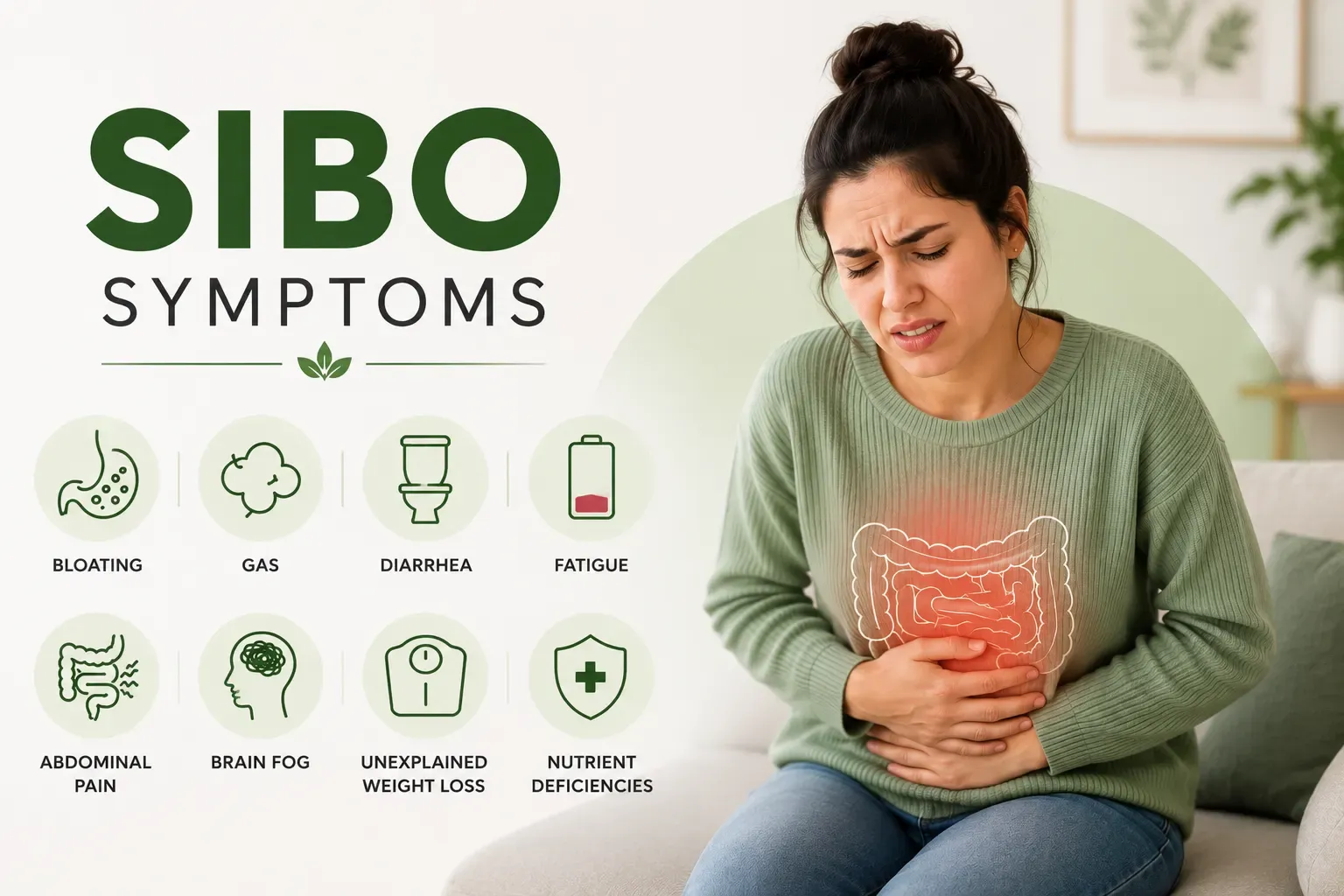
Quick Answer
Small Intestinal Bacterial Overgrowth (SIBO) occurs when the bacteria from the large intestine abnormally migrate or multiply beyond normal levels in the small intestine, which can trigger uncomfortable digestive symptoms. To diagnose and manage it properly, patients should undergo a specialised lactulose or glucose breath test and take targeted antibiotic or herbal therapy under the guidance of a doctor.
What is SIBO?
Small Intestinal Bacterial Overgrowth (SIBO) is a condition in which excessive bacteria grow in the small intestine. Most gut bacteria naturally live in the large intestine. So normally, the small intestine contains relatively few bacteria, as its primary role is to digest food and absorb nutrients.
When the bacteria multiply excessively in the small intestine, they begin fermenting food before it's fully digested. This process produces excess gas and may interfere with the absorption of nutrients such as vitamin B12, fat-soluble vitamins, and sometimes iron and calcium.
Over time, this imbalance can contribute to symptoms like bloating, abdominal pain, diarrhoea, constipation, fatigue, and nutritional deficiencies.
Although SIBO isn't always life-threatening, untreated bacterial overgrowth may significantly affect your quality of life and increase the risk of long-term digestive problems.
How Does Small Intestinal Bacterial Overgrowth Develop?
Your digestive system has several natural mechanisms that prevent excessive bacterial growth in the small intestine. These include healthy stomach acid, bile acid production, normal intestinal movement (gut motility), digestive enzymes, and the ileocecal valve, which separates the small and large intestines.
When one or more of these protective mechanisms stop working properly, bacteria can remain in the small intestine instead of moving through the digestive tract. This is why slow digestion symptoms can sometimes overlap with SIBO-like discomfort.
The table shows common factors that increase the risk of developing SIBO.
| Risk factor | How it contributes |
|---|---|
| Slow gut motility | Food stays longer in the small intestine, allowing bacteria to multiply. |
| Diabetes | Nerve damage can slow digestion. |
| IBS | Altered gut transit and gut-brain signalling changes seen in IBS may allow bacterial overgrowth to develop. |
| Previous abdominal surgery | Structural changes can encourage bacterial growth. |
| Long-term acid-suppressing medications | Reduced stomach acid may allow more bacteria to survive. |
| Crohn's disease or intestinal narrowing | Food and bacteria may become trapped. |
What Causes SIBO?
SIBO develops when the natural balance of bacteria in the digestive tract is disrupted. Normally, stomach acid, digestive enzymes, and regular intestinal movement help keep bacteria from accumulating in the small intestine. When these protective mechanisms don't work properly, bacteria can multiply, leading to SIBO.
Some common causes and risk factors include:
- •Slow gut motility: When food moves slowly through the digestive tract, bacteria have more time to grow.
- •Previous abdominal surgery: Structural changes or scar tissue can trap bacteria in the small intestine.
- •Reduced stomach acid: Low stomach acid, including from long-term acid-suppressing medications, may allow bacteria to survive and multiply.
- •Digestive disorders: Conditions such as IBS symptoms, Crohn's disease, and coeliac disease can increase the risk of SIBO.
- •Diabetes: Nerve damage caused by diabetes may slow digestion and affect gut motility.
- •Hypothyroidism: An underactive thyroid can reduce the speed at which food moves through the intestines.
- •Frequent or improper antibiotic use: It may disrupt the broader gut microbiome, leading to general dysbiosis that may alter overall digestive health.
- •Chronic stress: Stress doesn't directly cause SIBO but may affect digestion and worsen existing symptoms.
Not everyone with these risk factors develops SIBO. A healthcare professional can help determine whether your symptoms are related to bacterial overgrowth or another digestive condition.
Why Does SIBO Cause Digestive Symptoms?
Most digestive symptoms in SIBO occur because bacteria start digesting your food before your body can absorb it. As microorganisms ferment carbohydrates, they release gases such as hydrogen, methane, or hydrogen sulfide. These gases stretch the intestine, causing symptoms like bloating, abdominal discomfort, and excessive flatulence.
The bacterial overgrowth can also:
- •Reduce nutrient absorption
- •Damage the intestinal lining
- •Affect normal bowel movements
- •Trigger inflammation in some people
This is why SIBO symptoms can vary so much from person to person. Some people mainly experience diarrhoea, while others struggle with constipation or alternating bowel habits. Hormonal conditions such as hypothyroidism or endometriosis, which are known to slow gut motility, may also play a role, making it important to identify the actual cause instead of treating symptoms alone.
Rather than being just gas, recurring digestive symptoms may be your body's way of signalling that something deeper is affecting your gut health.
What Are the Symptoms of SIBO?
SIBO symptoms often develop gradually and may resemble other digestive conditions, especially Irritable Bowel Syndrome (IBS). Because the symptoms overlap, many people spend years treating individual complaints without identifying the underlying cause.
Symptoms may appear after meals, become worse as the day progresses, or fluctuate depending on the foods you eat.
Common Symptoms of SIBO
Not everyone experiences all of these symptoms. The type of bacteria producing the excess gas often influences which symptoms become more noticeable. Here's a quick overview of the symptoms people commonly experience.
| Symptom | What it may feel like |
|---|---|
| Bloating | Your stomach feels swollen or tight, especially after meals. |
| Gas | Frequent burping or passing gas throughout the day. |
| Abdominal pain | Cramping or discomfort that may improve after passing gas. |
| Diarrhoea | Loose or frequent bowel movements. |
| Constipation | Difficulty passing stools or fewer bowel movements. |
| Feeling full quickly | Unable to finish normal-sized meals. |
| Fatigue | Low energy despite adequate rest. |
| Brain fog | Difficulty concentrating or thinking clearly. |
| Weight loss | Unintentional weight loss due to poor nutrient absorption. |
Symptoms of SIBO Infection
SIBO is an overgrowth of bacteria that are normally present in the digestive tract but have multiplied in the wrong location. Symptoms commonly associated with SIBO include:
- •Persistent bloating after eating or excessive gas
- •Ongoing abdominal discomfort
- •Diarrhoea or constipation
- •Difficulty digesting certain carbohydrates
- •Fatigue related to nutrient deficiencies
Since these symptoms overlap with several digestive disorders, testing is usually required to confirm the diagnosis.
Early Warning Signs of SIBO You Shouldn't Ignore
Many people dismiss the first signs of SIBO as occasional indigestion. However, recurring symptoms may suggest an underlying imbalance rather than a temporary digestive upset.
Some early warning signs include:
- •Bloating after almost every meal
- •Frequent burping even after small meals
- •Feeling unusually full very quickly
- •Excessive gas throughout the day
- •Unpredictable bowel habits
- •Ongoing stomach discomfort without an obvious cause
If these symptoms continue for several weeks or keep returning despite dietary changes, it's worth discussing them with a healthcare professional.
Early evaluation may help prevent nutritional deficiencies and improve long-term gut health.
When SIBO Symptoms Become Severe
Mild digestive discomfort can often be managed while the underlying cause is being investigated. However, some symptoms should never be ignored.
Seek medical attention if you experience:
- •Severe or persistent abdominal pain
- •Blood in your stool
- •Ongoing vomiting
- •Significant, unexplained weight loss
- •Frequent diarrhoea leading to dehydration
- •Signs of vitamin deficiencies, such as extreme fatigue or numbness
These symptoms may indicate SIBO, another digestive condition, or a more serious gastrointestinal disorder that requires prompt medical evaluation.
SIBO Symptoms in Women
While SIBO can affect anyone, women are diagnosed more frequently than men. This may be linked to hormonal changes, differences in gut motility, and the higher prevalence of digestive conditions such as irritable bowel syndrome (IBS) among women.
The symptoms themselves are similar in both sexes, but hormonal fluctuations can sometimes make digestive discomfort feel worse during certain phases of the menstrual cycle.
SIBO Symptoms That Female Patients Commonly Experience
Many women with SIBO describe symptoms that interfere with everyday activities, work, and social life. These symptoms may fluctuate depending on diet, stress, sleep, and hormonal changes. Actual symptoms often include bloating, cramping, and irregular bowel habits that may shift with the menstrual cycle.
Note: Not every woman with bloating has SIBO, but recurring digestive symptoms deserve proper evaluation rather than self-diagnosis.
Do Men Experience SIBO Symptoms Differently?
The digestive symptoms of SIBO are largely the same in men and women. However, men may delay seeking medical advice because they attribute symptoms to stress, eating habits, or irregular meals.
By the time they consult a healthcare provider, symptoms may have been present for months or even years.
SIBO Symptoms That Male Patients Commonly Experience
If SIBO continues untreated, nutrient deficiencies may develop over time, potentially affecting energy levels and overall well-being. The table below lists common symptoms in males and their impact.
| Common symptom | Possible impact |
|---|---|
| Gas and bloating | Discomfort after meals |
| Constipation or diarrhoea | Disrupted daily routine |
| Fatigue | Reduced productivity |
| Weight loss | Poor nutrient absorption |
| Vitamin deficiencies | Long-term health concerns |
Regardless of gender, persistent digestive symptoms shouldn't be ignored.
Types of SIBO and Their Symptoms
Not all cases of SIBO are the same. The symptoms often depend on the type of gas produced by the overgrown microorganisms in your gut. The three main types are:
| Type | Main gas produced | Common bowel pattern |
|---|---|---|
| Hydrogen SIBO | Hydrogen | Diarrhoea |
| Methane SIBO | Methane | Constipation |
| Hydrogen Sulfide SIBO | Hydrogen sulfide | Diarrhoea or mixed symptoms |
Hydrogen SIBO Symptoms
Hydrogen SIBO occurs when bacteria produce excess hydrogen gas while fermenting carbohydrates.
This form is more commonly associated with faster bowel movements. Many people notice that symptoms worsen after eating foods rich in fermentable carbohydrates (FODMAPs), although triggers vary from person to person.
Methane SIBO Symptoms
Methane-predominant SIBO is now often referred to as intestinal methanogen overgrowth (IMO) because methane is produced by archaea rather than bacteria. However, many people still search for the term methane SIBO, so you'll commonly see both names used.
Methane slows intestinal movement, making constipation the most noticeable symptom. Methane SIBO symptoms often include:
- •Chronic constipation or hard stools
- •Persistent bloating or feeling of incomplete bowel emptying
- •Abdominal discomfort and excessive gas
Hydrogen Sulfide SIBO Symptoms
Hydrogen sulfide SIBO is a newer area of research and is less commonly diagnosed than hydrogen- or methane-predominant SIBO.
Some people may experience loose stools, abdominal pain, bloating, urgency after meals, or gas with a sulphur or rotten egg smell.
Research on hydrogen sulfide overgrowth is still evolving, and testing availability may vary depending on your healthcare provider.
Before and After SIBO Symptoms: What Changes Can You Expect?
Recovery from SIBO isn't the same for everyone. Some people notice improvements within a few weeks of starting treatment, while others recover more gradually, especially if they've been living with symptoms for a long time or have an underlying condition affecting gut motility.
As bacterial overgrowth decreases and digestion begins to improve, many symptoms become less frequent or less severe. However, complete recovery depends on addressing the root cause and following your healthcare provider's treatment plan.
| Before Treatment | After Successful Treatment |
|---|---|
| Frequent bloating after meals | Less bloating and abdominal discomfort |
| Excessive gas or burping | Reduced gas production |
| Diarrhoea or constipation | More regular bowel movements |
| Feeling full quickly | Improved appetite and digestion |
| Fatigue due to nutrient deficiencies | Better energy as nutrient levels improve |
| Brain fog | Improved concentration in some people |
Symptoms of SIBO vs IBS
One of the biggest challenges with SIBO is that its symptoms closely resemble Irritable Bowel Syndrome (IBS). However, the two conditions aren't the same. This is why testing is important before assuming the cause of your symptoms.
The table below shows the difference between SIBO and IBS.
| Feature | SIBO | IBS |
|---|---|---|
| Cause | Excess bacteria in the small intestine | Functional gut disorder with multiple contributing factors |
| Bloating | Very common | Common |
| Gas | Common | Common |
| Constipation | Especially methane type | IBS-C |
| Diarrhoea | Especially hydrogen type | IBS-D |
| Vitamin deficiencies | May occur | Uncommon |
| Weight loss | Possible | Less common |
| Breath test | May help diagnose SIBO | No specific diagnostic test |
How Is SIBO Diagnosed?
SIBO symptoms often overlap with conditions such as irritable bowel syndrome (IBS), lactose intolerance, coeliac disease, and inflammatory bowel disease. That's why diagnosis isn't based on symptoms alone.
Your doctor will usually consider:
- •Your symptoms and how long you've had them
- •Your medical history
- •Any previous gastrointestinal conditions or surgeries
- •Breath test results
- •Additional investigations if another digestive condition is suspected
Getting the right diagnosis is important because treatment depends on the underlying cause. Treating bloating alone won't resolve SIBO if bacterial overgrowth continues to persist. In some cases, testing may also check for lactose intolerance or other carbohydrate digestion issues.
Breath Testing
The hydrogen and methane breath test is currently the most commonly used non-invasive test for SIBO.
Medical History
A detailed medical history often provides valuable clues about why SIBO may have developed. Your doctor will also ask when your symptoms started, whether they're related to meals, and if certain foods make them worse.
This information helps identify possible risk factors and guides the next steps in diagnosis.
SIBO Symptoms and Treatment
Treating SIBO isn't just about reducing gas or bloating. The goal is to lower bacterial overgrowth, improve digestion, correct nutritional deficiencies, and address the underlying reason why SIBO developed in the first place.
Because recurrence is common, long-term management often focuses on preventing bacterial overgrowth from returning. SIBO Treatment may include one or more of the following.
| Treatment | Purpose | May help with |
|---|---|---|
| Prescription antibiotics | Reduce bacterial overgrowth | Gas, bloating, diarrhoea, constipation |
| Personalised dietary changes | Reduce symptom-triggering fermentation | Bloating, abdominal discomfort |
| Nutritional supplements | Correct deficiencies | Fatigue, weakness |
| Gut motility management | Improve intestinal movement | Prevent recurrence |
| Lifestyle changes | Support long-term gut health | Overall digestive wellness |
Can SIBO Come Back After Treatment?
Yes. Unfortunately, SIBO can recur, especially if the underlying cause isn't addressed. Recurrence is more likely in people with diabetes, IBS, previous intestinal surgery, chronic motility disorders, or long-term acid-suppressing medication use. This is why many specialists focus not only on treating bacterial overgrowth but also on understanding why it developed.
Mool Health’s Perspective on SIBO Symptoms
At Mool Health, we believe recurring digestive symptoms are signals, not just inconveniences. While medicines may temporarily reduce bloating or acidity, long-term relief often depends on understanding why those symptoms keep returning.
That's why our approach focuses on identifying potential root causes through the Mool Health Gut Test, followed by customised recommendations that include dietary guidance and ongoing expert care. Every gut is different, so your treatment journey should be too. A broader gut health view can help connect symptoms, food triggers and daily routine.
Bloating, Gas or Irregular Bowels Keep Coming Back?
Recurring digestive symptoms may need a clearer gut pattern, not guesswork. Take Mool Health’s free gut test and understand what your gut may be signalling.
Medical Disclaimer
This article is intended for educational purposes only and should not be considered medical advice, diagnosis, or treatment. SIBO symptoms can overlap with several digestive conditions, and an accurate diagnosis requires evaluation by a qualified healthcare professional. Never ignore persistent digestive symptoms or delay seeking medical care because of information you have read online. Treatment recommendations vary from person to person based on individual health needs.
Key Takeaways
Guide to SIBO symptoms, causes, gas types, SIBO vs IBS, diagnosis, breath testing, treatment, recurrence, red flags and Mool Health’s gut approach.
Your gut is unique your healing should be too.

Disclaimer
The content provided by Mool Health is for educational and informational purposes only and should not be considered a substitute for professional medical advice, diagnosis, or treatment.