Piles: Symptoms, Causes, Types, Treatment & Prevention
Piles are swollen blood vessels around the anus and lower rectum. Learn about their types, causes, symptoms, home remedies, medicines with a focus on managing constipation and diarrhoea.

Ayurvedic Physician at Mool
Published on 13,November 2026
Updated on 13,November 2026
Quick Answer
Piles, also called haemorrhoids or bawasir, are swollen blood vessels in or around the anus and lower rectum. They may cause itching, pain, swelling, or bleeding during bowel movements. Constipation, straining, low-fibre diets, pregnancy, and prolonged toilet sitting can contribute. Mild piles may improve with fibre, hydration, sitz baths, and suitable medicines, while persistent or severe cases may need medical treatment.
Piles, also called haemorrhoids (bawasir in Hindi), are swollen blood vessels in and around the anus and lower rectum. They can be internal, external, or thrombosed (when a blood clot forms) and can cause itching, pain, and bleeding during bowel movements.
Piles can develop due to chronic constipation or diarrhoea, eating low-fibre meals, straining to pass stools, sitting on the toilet for a long time, pregnancy, ageing, or lifting heavy objects.
Many cases improve with simple home care, such as taking a warm sitz bath, increasing fibre intake, or applying over-the-counter creams with lidocaine or hydrocortisone. Persistent or severe symptoms may need medical treatment.[1,2]
What Are Piles?
Piles are the veins in your anus or lower rectum that have become swollen. This condition is common and not usually serious or dangerous.[1,2]
What Are the Types of Piles?
Based on where piles develop, they are categorised into three types: internal piles, external piles, and thrombosed piles.
- Internal Piles
Internal haemorrhoids develop inside the rectum. They may cause bleeding during bowel movements, but are generally painless. In some cases, they may prolapse, meaning they bulge out of the anal opening, which is when they can become painful.
- External Piles
These haemorrhoids form under the skin around the anal opening. External piles can be painful and may even cause itching in the anal area, swelling, and bleeding.
- Thrombosed Piles
These develop when a blood clot forms in external haemorrhoids. Thrombosed piles can cause sudden, intense pain and a discoloured lump.
What Causes Piles?
Piles develop when pressure builds up in the blood vessels around the anus and lower rectum. This pressure can cause the vessels to swell.
The following table explains a few common factors that can contribute to haemorrhoids, either by increasing pressure in the pelvic or anal region or by irritating the anal lining:[1,3]
| Factors That Can Contribute to Piles | How They Affect |
|---|---|
| Straining during bowel movements | Increases pressure in the anal region |
| Sitting for a long time on the toilet | Increases pressure in the anal region |
| Eating a low-fibre diet | Hardens stools and leads to constipation |
| Chronic constipation | Leads to straining |
| Chronic diarrhoea | Irritates the anal lining |
| Pregnancy | Puts pressure on the pelvic area |
| Lifting heavy weights | May cause straining and increase pressure in the pelvic area |
| Ageing | Supporting tissues around the rectum and anus may weaken with age |
Also Read: What Is Constipation?
What Are the Symptoms of Piles?
The symptoms you may experience due to piles depend on the type and severity of the condition. Generally, they include the following:
- Itching or irritation around the anus
- Pain or discomfort in the anal region, especially while sitting or passing stool
- Swelling or a lump around the anus
- A feeling that you still need to pass stool after a bowel movement
- Mucus around the anus or on toilet paper
- Bleeding (with or without pain)
Important: Rectal bleeding should not automatically be attributed to piles. It can be due to other serious conditions, such as colorectal cancer. Seek medical advice, particularly if bleeding is new, persistent, heavy, or accompanied by other symptoms.[1,2]
How Do Piles Differ From Anal Fissures?
Piles, or haemorrhoids, are swollen veins in the anal and rectal region, while anal fissures are tears or cracks in the anal lining. Fissures usually cause sharp pain during bowel movements, while piles do not always cause pain, and when they do, it can be more constant.
Both conditions can result from chronic constipation and straining during bowel movements, and both can cause bleeding.
A healthcare professional can examine the area to help identify the cause of the symptoms and recommend appropriate treatment. Since other conditions can cause similar symptoms, it’s best not to self-diagnose.
How Can You Treat Piles?
The treatment you may need for piles depends on the severity of your symptoms. Mild piles often improve with dietary changes and home care. Medicines and topical creams can help relieve pain and discomfort. Severe cases may need a medical procedure.[2,3]
Home Remedies for Piles
The following home remedies can ease discomfort associated with piles or address some of its underlying causes, thereby preventing the symptoms from worsening:
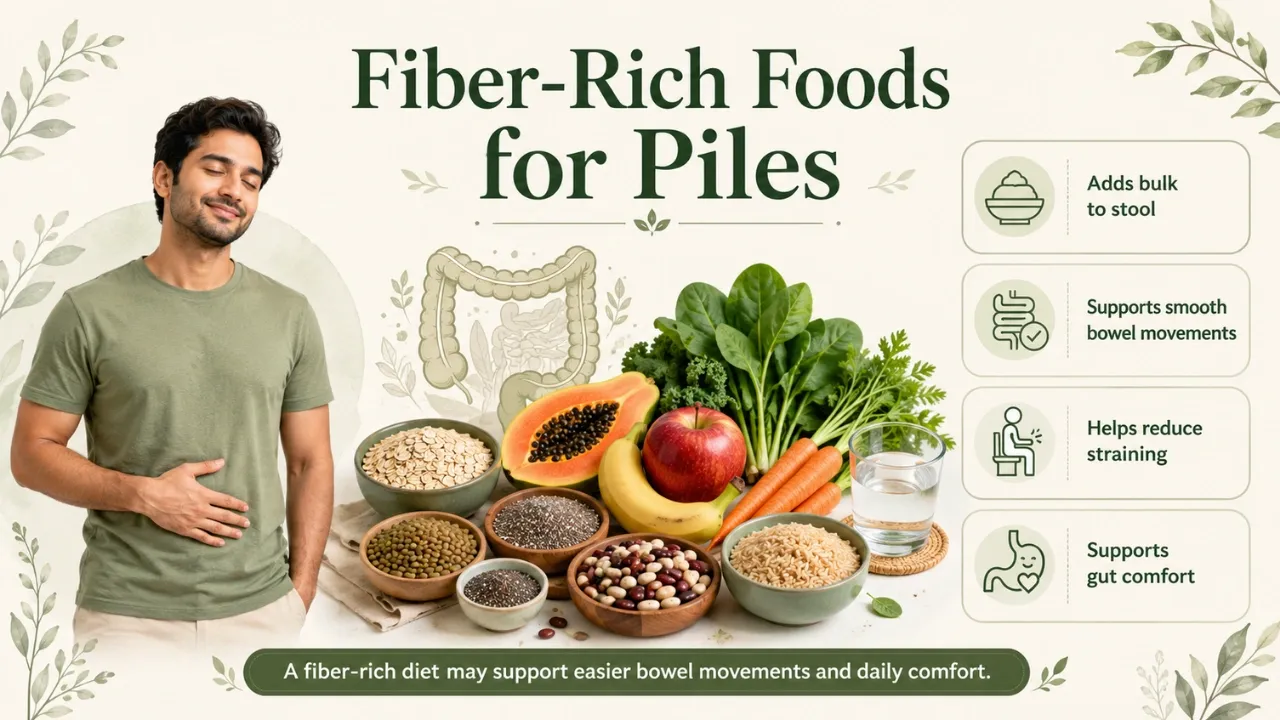
- Eat more fibre. Include fruits, vegetables, whole grains, and pulses in your meals. Fibre adds bulk to stool and makes it easier to pass, which prevents constipation and straining.
- Drink enough water. Fluids help keep stool soft, which also prevents straining and constipation.
- Try a warm sitz bath. A sitz bath refers to a shallow bath that only covers your buttocks. To try this remedy, fill a clean tub with warm (not hot) water and sit in it for 10–15 minutes. This will help relieve pain and itching.
- Use a cold compress. Wrap an ice pack in a towel and apply it briefly to the area of pain. This will help reduce the discomfort and swelling.
These measures can relieve some symptoms, but they may not eliminate serious or persistent piles.[2,4]
Medicines for Piles
Certain medications can help manage pain, itching, and swelling associated with piles. Medicines that can help relieve constipation may also help. They do not necessarily remove the piles themselves.
Ask a doctor which option is suitable, especially if you are pregnant, have other medical conditions, or take other medicines.[2,4]
The following table lists a few haemorrhoid medications and how they help:
| Medicines or Products | How They May Help | Over-the-Counter (OTC) or Prescription |
|---|---|---|
| Lidocaine creams or ointments | Temporary relief from itching and pain | Often OTC; some formulations require a prescription |
| Hydrocortisone creams or ointments | Short-term relief from inflammation and itching | Depends on the product and country |
| Stool softeners or laxatives | Soften stool and relieve constipation, reducing straining | Depends on the medicine |
| Pain relievers | Help manage pain | Some are OTC; suitability depends on symptoms and medical history |
| Mool Health’s Constipation Relief Kit (non-laxative, Ayurvedic) | Can relieve constipation, reducing straining | OTC, formulated by a gut specialist |
A note on Mool Health’s Constipation Relief Kit: The product is a complete Ayurvedic formulation, made by a gut specialist, that offers support for both mild and severe constipation. It does not target piles directly, but constipation, one of the causes of piles.
Cautionary Note: Use topical hydrocortisone only for the duration advised on the product label or by a healthcare professional. Prolonged use can irritate or thin the skin. If piles bleed, ask a clinician or pharmacist before using pain medicines such as ibuprofen.[4]
Medical Procedures for Piles
If symptoms do not improve with home care or medicines, a doctor may recommend one of the following procedures, based on the type, size, and severity of the piles.[2,4]
- Rubber band ligation: A small band is placed around the base of an internal pile, cutting off its blood supply so it shrinks and falls off.
- Sclerotherapy: A solution is injected into the pile to shrink it.
- Infrared coagulation: Heat is used to create scar tissue that reduces blood flow to the pile.
- Electrocoagulation: An electrical current generates heat to shrink the pile.
- Haemorrhoidectomy: The surgeon removes the piles. This procedure is generally used for large, severe, or persistent piles.
- Stapled haemorrhoidopexy: A surgical stapling device repositions internal piles and reduces their blood supply.
Rubber band ligation, sclerotherapy, infrared coagulation, and electrocoagulation are minimally invasive options that generally do not require cutting or stitching. More extensive surgery may be considered when other treatments do not work, or piles are severe. [2,4]
How Can You Prevent Piles?
You can lower your risk of piles or help prevent symptoms from returning by keeping bowel movements regular and reducing pressure around the anus.
The following habits can help prevent constipation, soften stools, and reduce straining.[1,3]
- Eat more fibre to prevent constipation.
- Drink enough water to keep stools soft.
- Stay physically active to support regular bowel movements.
- Avoid straining during bowel movements to reduce pressure on the anal region.
- Do not ignore the urge to pass stools.
- Avoid sitting on the toilet for too long.
- Speak with a healthcare professional to manage chronic constipation or diarrhoea.
When Should You Consult a Doctor?
Consult a doctor if you have rectal bleeding, persistent pain, or symptoms that do not improve with home care. You should also seek medical advice if piles keep returning or you notice a new or unusual lump around the anus.[1,4]
Seek urgent medical care if you have heavy or continuous bleeding, severe pain, fever, or feel very unwell. Rectal bleeding can have causes other than piles, so getting it checked is important.[1,4]
Mool Health’s Perspective on Piles
Piles can be difficult to deal with, especially if they cause severe discomfort and affect your daily life. If the condition develops due to constipation or diarrhoea, managing it would require addressing those concerns rather than relying on symptom relief alone.
At Mool Health, we believe that understanding your gut health is an important first step towards managing digestive concerns. The Mool Health Gut Test can help you learn more about your gut health and identify areas that may need attention.
References
- Mayo Clinic. Hemorrhoids: Symptoms and causes.
- Mayo Clinic. Hemorrhoids: Diagnosis and treatment.
- National Institute of Diabetes and Digestive and Kidney Diseases (NIDDK). Hemorrhoids.
- NHS. Piles (haemorrhoids).
- Cleveland Clinic. Hemorrhoids: Symptoms, causes, and treatment.
- GoodRx Health. 6 Foods to Avoid If You Have Hemorrhoids (and 3 to Try Instead).
Key Takeaways
- Piles, also known as haemorrhoids or bawasir, are swollen blood vessels in or around the anus and lower rectum.
- The main types are internal, external, and thrombosed piles, each with different symptoms and levels of discomfort.
- Common causes include constipation, straining during bowel movements, low-fibre diets, pregnancy, and prolonged toilet sitting.
- Symptoms may include itching, pain, swelling, anal lumps, mucus, and bleeding during bowel movements.
- Increasing fibre intake, drinking enough water, and taking warm sitz baths may help relieve mild symptoms.
- Medicines such as lidocaine creams, short-term hydrocortisone preparations, and suitable stool softeners may provide symptom relief.
- Persistent or severe piles may require medical procedures such as rubber band ligation, sclerotherapy, or surgery.
- Regular bowel movements, adequate hydration, physical activity, and avoiding straining may help prevent piles from returning.
- Rectal bleeding should never automatically be assumed to be caused by piles because other medical conditions may produce similar symptoms.
- Heavy bleeding, severe pain, fever, or persistent symptoms require medical assessment.
Your gut is unique your healing should be too.

FAQs
Painful piles are often caused by external haemorrhoids, which develop under the skin around the anus. A blood clot that forms inside an external pile can also cause sudden, intense pain and a firm, painful lump. Constipation and straining may further irritate the area and worsen discomfort.[1,3]
Piles are usually not dangerous and often improve with home care. However, some of its symptoms, such as rectal bleeding, can also be a sign of another condition and warrant medical attention. Heavy bleeding, severe pain, or persistent symptoms also require medical assessment.[1,2]
Non-surgical ways to remove piles include minimally invasive procedures, such as rubber band ligation, sclerotherapy, infrared coagulation, or electrocoagulation. A doctor can advise which treatment is suitable. Home remedies, such as eating more fibre, drinking water, and using a warm sitz bath or cold compress, can also help relieve symptoms.[2,4]
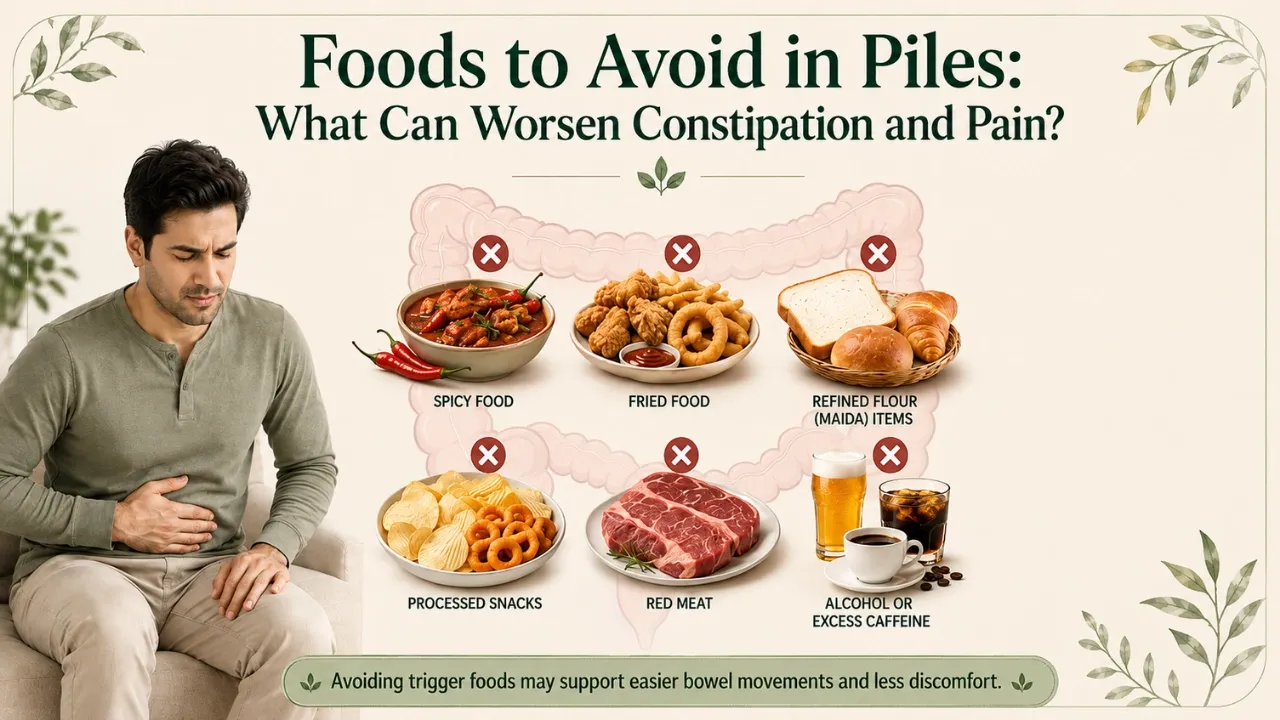
With piles, it is recommended to limit foods that are low in fibre, such as white bread, pastries, and processed meats, as they may contribute to constipation. Spicy foods and alcohol may also worsen discomfort for some people.[6]
Mild piles often improve on their own within a few days, especially when you avoid straining and keep your stool soft. Larger or persistent piles may need medical treatment.[4]
Yes. Bawasir is a common Hindi term for piles, which are clinically known as haemorrhoids. It refers to swollen blood vessels in or around the anus and lower rectum.
Disclaimer
The content provided by Mool Health is for educational and informational purposes only and should not be considered a substitute for professional medical advice, diagnosis, or treatment.