
What is Gastritis? Symptoms, Causes, Treatment & Prevention
Gastritis is stomach lining inflammation that may cause pain, nausea, bloating and indigestion. This guide covers causes, types, diet and treatment.
Quick Answer
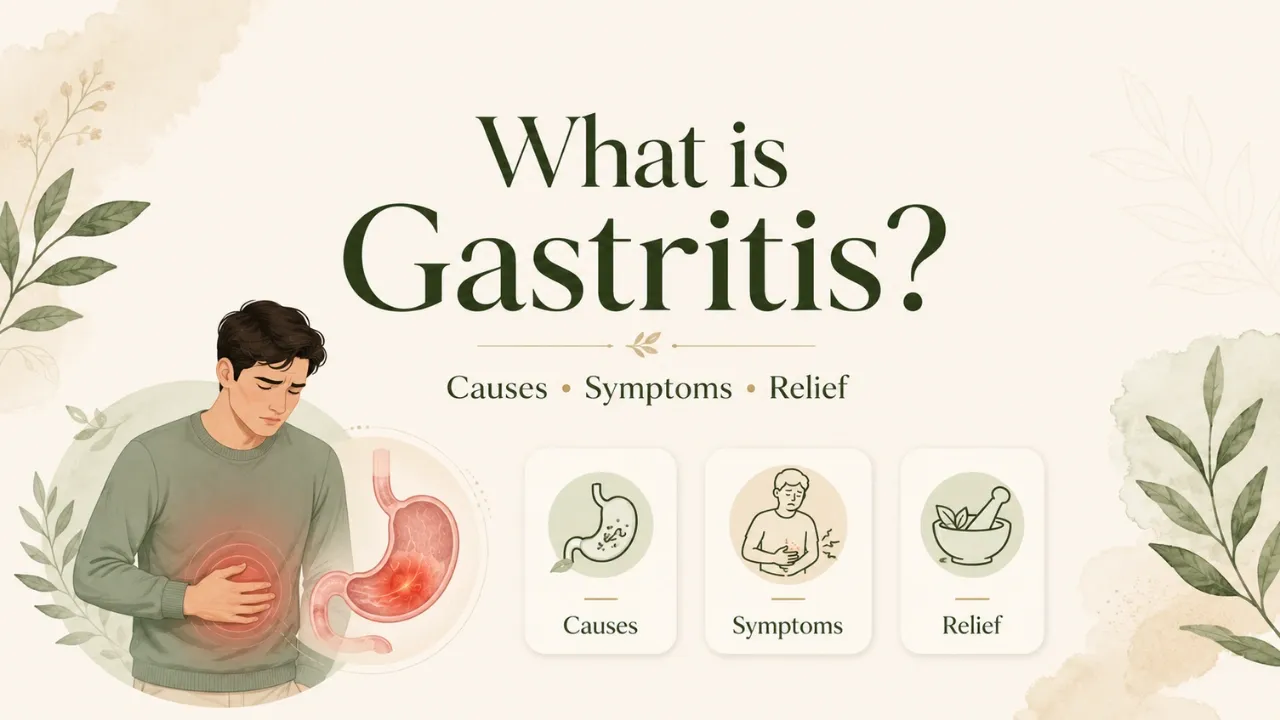
Gastritis is when people experience inflammation, irritation, or erosion of the stomach’s protective lining. It occurs when the gastric mucosa, the stomach’s barrier, is weakened or damaged. As a result, the digestive acids inside your stomach can damage the stomach tissue lining.
The symptoms of gastritis can be a burning sensation, nausea, vomiting, feeling full right after eating, bloating and even loss of appetite. Common causes are usually a bacteria that causes chronic inflammation, regular use of painkillers, excessive alcohol consumption, autoimmune diseases, and even stress.
This blog will guide you in understanding everything from the causes and symptoms to treatment and lifestyle changes that help manage and prevent the condition.
What is Gastritis?
Just like the skin barrier, your stomach lining is the stomach’s barrier. Its job is to protect your inside tissues from a pool of highly concentrated stomach acid secreted for digestion. Gastritis is basically what happens when that barrier gets torn or compromised. The acid leaks through, irritates the tissue, and causes a massive, burning inflammation.
What is Antral Gastritis?
Antral gastritis is inflammation in the lower lining of your stomach, called the antrum. It is strongly associated with Helicobacter pylori infection and may present with bloating and early satiety. Antral gastritis is most commonly caused by H. pylori infection and is confirmed by endoscopy with biopsy, not symptoms alone.
What is Gastritis Disease?
Gastritis is a disease, because unlike a regular stomach ache, this won’t go away on its own in a few hours. Your stomach carries digestive juices, and normally, that acid doesn’t harm you. When the stomach's mucosal barrier is damaged or eroded, gastric acid irritates the underlying tissue, causing pain and discomfort.
Mild acute cases may resolve once the trigger is removed, but most forms of gastritis recur until you treat it completely, and the pain and discomfort won’t stop.
What is Acute Gastritis?
Acute gastritis is sudden-onset inflammation of the stomach lining, typically triggered by NSAIDs, alcohol, or infection. You get a burning pain that hurts, but also clears once you fix the problem or trigger. It can happen due to excessive alcohol or a reaction to some medications.
What is Chronic Gastritis?
Chronic gastritis occurs slowly and feels like a slow-burning fire that wears down your digestive health and can stay for months or years. You experience mild stomach cramps and do not see severe symptoms from the beginning. If you ignore the small symptoms, it can also affect your digestive health.
Acute vs Chronic Gastritis
Acute gastritis develops suddenly and is usually symptomatic, whereas chronic gastritis is frequently asymptomatic, often being discovered incidentally during endoscopy.
This table will help you understand the key differences between acute and chronic gastritis:
| Feature | Acute Gastritis | Chronic Gastritis |
|---|---|---|
| Onset | Sudden | Gradual |
| Causes | NSAIDs, alcohol, stress | H. pylori, autoimmune disease |
| Symptoms | Nausea, epigastric pain | Mild or absent symptoms |
| Clinical Note | Usually symptomatic | Often asymptomatic and found incidentally on endoscopy |
| Treatment | Remove trigger, PPIs | Treat the cause, eradicate H. pylori |
What is Gastritis in the Stomach?
When your body is in a normal state, the stomach has a thick, slimy lining that protects it from digestive juices, including acid. Gastritis is a condition in which the stomach lining or barrier is affected, resulting in burning and other painful sensations.
What Are the Gastritis Symptoms?
Gastritis isn’t a regular stomach ache; it won’t let you be comfortable and will annoy you most of the time.
Gastritis symptoms may vary greatly from person to person, depending on the severity of the condition. Some people experience mild discomfort, while others develop severe digestive symptoms.
Here are some of the most common symptoms of gastritis:
- Burning sensation in the stomach - The inner lining of the stomach burns due to the digestive acid leak.
- Upper abdominal pain - The inflammation makes the abdomen ache.
- Bloating - Impaired gastric motility and altered digestion can lead to gas accumulation, producing a sensation of abdominal fullness.
- Nausea and vomiting - The digestive system is affected and results in feeling nauseous and vomiting.
- Loss of appetite - The irritation can reduce the desire to eat.
- Indigestion - Digestion slows as the stomach lining is compromised.
- Early satiety: Inflammation and impaired gastric motility can disrupt normal gastric emptying, causing patients to feel uncomfortably full after consuming only small amounts of food.
- Belching (eructation) - The inflammation produces more air, resulting in burping more than usual.
- Acid reflux: Sometimes acid moves back into the oesophagus, causing more discomfort.
- Black or tarry stools in severe cases - This can indicate upper gastrointestinal bleeding and is a medical emergency which requires prompt evaluation from a doctor.
Some people may not notice symptoms initially, especially in chronic gastritis. If symptoms become severe or persistent, your doctor may perform tests like endoscopy or laboratory tests to examine the stomach lining.
What is the Main Cause of Gastritis?
Gastritis develops when specific triggers, such as infection, medications, or lifestyle factors, damage the gastric mucosa, leading to inflammation.
People develop gastritis due to different reasons, based on any other underlying condition or habits. Some of the most common causes of gastritis are:
- Helicobacter pylori (H. pylori) bacterial infection.
- Long-term use of painkillers like ibuprofen and aspirin.
- Excessive alcohol consumption or smoking.
- Bile reflux can damage the gastric mucosa.
- Autoimmune diseases
- Viral or bacterial infections.
Lifestyle factors that may worsen or contribute to symptoms include eating too many spicy and oily foods, irregular meal times, excessive caffeine intake, and stress. Chronic psychological stress may impair mucosal defence mechanisms and worsen existing gastritis, but is considered a contributing factor rather than a confirmed direct primary cause.
Many people also search for the reason for gastritis because stress and unhealthy eating patterns can silently worsen digestive health over time.
Food That Causes Gastritis
Certain foods can irritate the stomach lining and worsen gastritis symptoms. Avoiding trigger foods can help reduce inflammation and discomfort.
Foods that may cause gastritis include:
- Spicy foods: The spices can affect the stomach lining.
- Deep-fried foods: Very oily meals can cause inflammation.
- Fast food, packaged foods and processed snacks - The preservatives can affect digestion.
- Excess caffeine: Coffee can increase acidity and worsen symptoms.
- Carbonated drinks: The acids in them can irritate the stomach lining.
- Alcohol:This intensifies the erosion of the stomach lining.
- Citrus fruits in excess: They can directly irritate an inflamed mucosal lining. Individual tolerance varies considerably.
Everyone’s triggers can differ, so it is important to observe which foods worsen your symptoms.
What is the Best Treatment for Gastritis?
The best treatment for gastritis depends on the severity and diagnostic results. Doctors recommend treating the root cause and reducing the stomach acid that causes it.
A gastroenterologist may recommend these treatments:
- Proton Pump Inhibitors (PPIs): These are the most effective medications to reduce acid production.
- H2 Blockers: Medications that help to control acid production and provide relief.
- H. pylori Treatment: Infection is first confirmed via urea breath test, stool antigen test, or endoscopic biopsy. Confirmed infection is then treated with clarithromycin-based triple therapy (PPI + clarithromycin + amoxicillin or metronidazole, for 10-14 days) or bismuth-based quadruple therapy.
- Antacids: Doctors suggest this to provide quick, temporary relief by neutralising existing stomach acid.
- Mucoprotective Agents: Medications are used to protect the stomach lining.
- Probiotics: These support gut microbiome health and may reduce H. pylori-associated inflammation.
Note: Ranitidine has been withdrawn from the market globally (FDA/EMA, 2020); famotidine is the currently preferred H2 blocker. Please consult your doctor before taking any medications for relief.
Apart from medications, lifestyle modifications are equally important. Eating small meals, being mindful of portion sizes, avoiding trigger foods, reducing stress, and improving sleep can support faster recovery.
What Food is Good for Gastritis?
Diet often plays a major role in reducing stomach irritation and supporting healing. People dealing with gastritis should focus on eating foods that are gentle on the stomach and easy to digest. Here are some foods that may help with gastritis:
- Bananas may help coat and soothe the stomach lining, as they are low in acidity, making them generally well-tolerated
- Oatmeal helps coat and soothe the stomach lining and reduce inflammation.
- Rice helps soothe the stomach lining and helps manage symptoms.
- Cooked or boiled vegetables are softer, easier to digest, and less irritating to the stomach lining than raw vegetables, without putting a load on digestion.
- Probiotic-rich foods like plain yoghurt and curd support gut microbiome balance, help soothe the stomach lining, and aid digestion.
- Well-cooked or peeled apples are fine; however, raw apples are moderately acidic and may aggravate symptoms. Individual tolerance varies.
- Broth-based, low-fat soups provide nutrition without loading the stomach.
- Certain Herbal teas help soothe gastric discomfort.
- Lean protein, like fish and chicken, cooked in less oil and spices, helps soothe the inflammation.
Note: Peppermint tea can relax the lower oesophageal sphincter (LES) and worsen reflux - avoid it if you have symptoms of acid reflux.
Gastritis Risk Factors and Complications
Some people are more likely to develop gastritis due to their lifestyle habits or health conditions. Knowing the risk factors associated with gastritis and avoiding them can help people avoid developing it.
Some of the risk factors of gastritis are:
- Excessive alcohol consumption
- Smoking
- Frequent use of painkillers
- Poor eating habits
- Ageing
- Untreated infection
If you ignore gastritis symptoms for too long and do not make changes in your lifestyle, it may lead to severe complications, such as:
- Stomach ulcers
- Bleeding in the stomach
- Increased risk of gastric atrophy, intestinal metaplasia, and gastric cancer (adenocarcinoma).
- Anaemia or vitamin B12 deficiency
You should always consult your doctor if you spot unusual symptoms related to your digestive health.
Gastritis Prevention
You can prevent gastritis from recurring by protecting your stomach lining from irritation or inflammation. If H. pylori infection is confirmed, completing a full eradication course is one of the most effective strategies for preventing chronic gastritis and reducing long-term gastric cancer risk.
Some prevention tips that you can follow are:
- Avoid eating excessive oily or spicy foods.
- Limit alcohol consumption and smoking.
- Eat your meals on time.
- Avoid overusing painkillers.
- Manage your stress levels.
- Stay hydrated, get proper rest and sleep.
- Include gut-friendly foods in your diet.
With these simple lifestyle changes, you can reduce your chances of developing chronic gastritis.
Mool Health’s Perspective on Gastritis
Mool Health focuses on understanding the root causes of digestive issues rather than only managing symptoms temporarily. By combining Ayurveda and modern science, the goal is to support long-term gut health with personalised digestive care.
The early signs of gastritis are a burning sensation in the stomach, bloating, nausea and vomiting. People ignore them until the symptoms become severe. But repeated bloating, stomach burning, nausea, and discomfort should never be overlooked. Your daily eating habits, stress levels, sleep cycle, and lifestyle choices directly affect your digestive system. Early diagnosis, dedicated treatment and proper digestive care can help prevent long-term stomach complications.
Key Takeaways
Gastritis is stomach lining inflammation that may cause pain, nausea, bloating and indigestion. This guide covers causes, types, diet and treatment.
Your gut is unique your healing should be too.

Disclaimer
The content provided by Mool Health is for educational and informational purposes only and should not be considered a substitute for professional medical advice, diagnosis, or treatment.