
Sattu for Gut Health: Fibre, Protein, Cooling Effect & How to Drink It
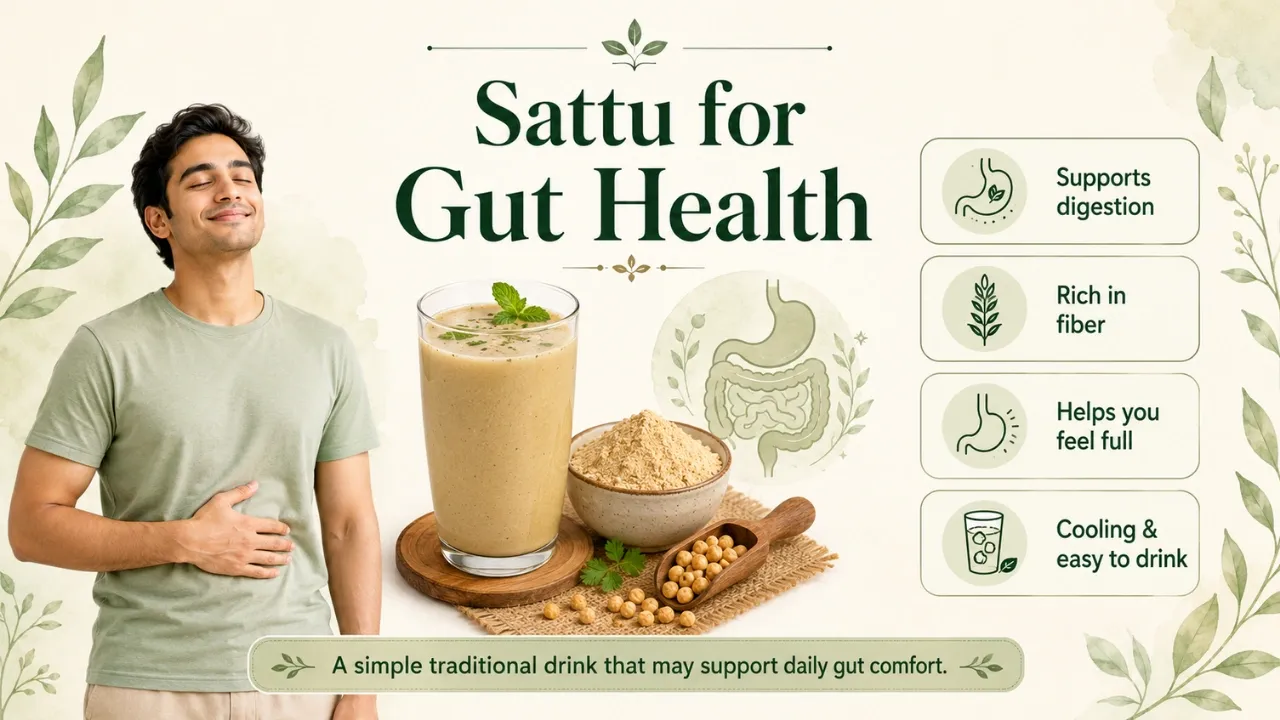
Sattu for Gut Health may support digestion with its fibre and protein content while offering a naturally cooling drink option. Learn its potential gut benefits, the best way to prepare sattu, when to drink it, and important tips for comfortable digestion.
Quick Answer
Sattu is a roasted chickpea-based flour rich in protein, fibre, iron, and complex carbohydrates. Regular intake may support digestion, sustained energy, weight management, blood sugar control, and overall nutrition.
Sattu Benefits: Health Gains, Uses & Expert Tips
Sattu is a flour made from roasted chickpeas (chana) or a mix of roasted pulses and cereals. It delivers high protein, fibre, and essential minerals in a single serving — making it one of the most nutritionally dense traditional foods available in India. Consuming sattu daily can support digestion, sustained energy, weight management, and skin health, particularly when taken as a morning drink.
What Is Sattu? A Plain-Language Definition
Sattu is a dry, roasted flour — most commonly made from Bengal gram (black chickpeas) — that has been a staple in Bihar, Uttar Pradesh, and Rajasthan for centuries. Chana sattu, the most widely consumed variety, provides roughly 20–22 grams of protein per 100 grams, along with significant amounts of iron, calcium, and dietary fibre.
Sattu powder can be mixed with water, lemon, and salt to make a sattu drink, or blended into dough, ladoos, and savoury dishes. The roasting process that creates sattu reduces its glycaemic impact, making it more suitable for blood sugar management than most refined grain flours.
Key nutritional facts per 100g of chana sattu:
- Calories: ~400 kcal
- Protein: ~20–22g
- Dietary fibre: ~18–20g
- Iron: ~8–10mg
- Calcium: ~90–100mg
- Carbohydrates: ~55–60g (low-GI)
According to Mool Health's nutrition team, sattu qualifies as a whole-food protein source that is also naturally cooling — a property that makes sattu drink benefits especially relevant during summer months.
Key Benefits of Sattu: What You Actually Gain
Sattu benefits span digestion, energy, weight, skin, and metabolic health. Below are the eight most evidence-supported benefits, separated by function.
Boosts Digestive Health
Sattu contains approximately 18–20g of dietary fibre per 100g. Fibre adds bulk to stool, feeds beneficial gut bacteria, and reduces the transit time of food through the intestine. Studies suggest adequate dietary fibre intake is linked to a 15–30% reduction in constipation frequency. Drinking sattu on an empty stomach in the morning may help regulate bowel movements within 1–2 weeks of consistent use.
Natural Energy Booster
The complex carbohydrates in sattu are digested slowly, providing a steady release of glucose rather than a spike-and-crash. This is why sattu drink benefits include sustained energy for 3–4 hours post-consumption — relevant for manual workers, athletes, and students who need prolonged focus.
Supports Weight Management
Sattu is high in protein and fibre, two macronutrients that increase satiety signals. Research indicates that high-fibre, high-protein breakfasts can reduce total daily calorie intake by 10–15% compared to low-fibre alternatives. Regular benefits of drinking sattu every day include reduced mid-morning hunger and fewer total calories consumed.
Can Help Reduce Belly Fat
Sattu's low glycaemic index means it produces a smaller insulin spike after eating. Lower insulin levels are associated with reduced fat storage, particularly visceral (belly) fat. Consistent daily consumption, combined with a calorie-appropriate diet, may contribute to waist circumference reduction over 8–12 weeks.
Boosts Appetite Regulation and Energy Levels
Chana sattu benefits include its high iron content (~8–10mg per 100g), which supports haemoglobin production. Adequate haemoglobin levels are directly linked to better oxygen delivery to muscles and the brain — reducing fatigue and improving appetite regulation, particularly in individuals with mild iron deficiency.
Improves Skin Health
Sattu benefits for females include its contribution to skin health. Iron, protein, and B-vitamins in sattu support collagen synthesis and cell turnover. Clinically observed in dermatology contexts, protein deficiency is a known driver of dull, dry skin. Sattu powder benefits skin from the inside by providing amino acids needed for repair and hydration maintenance.
Supports Blood Sugar Management
The roasting process converts a portion of sattu's starches into resistant starch, which behaves more like fibre than a digestible carbohydrate. This slows glucose absorption. Studies suggest diets rich in resistant starch can lower fasting blood glucose by 5–10% in individuals with pre-diabetes or Type 2 diabetes risk.
Excellent Plant-Based Protein Source
For vegetarians and vegans, chana sattu provides a complete amino acid profile relative to most plant foods. At 20–22g of protein per 100g, it compares favourably to paneer (~18g/100g) and is significantly higher than most legumes consumed in cooked form (which dilute protein through water absorption).
Key advantages at a glance:
| Benefit | Mechanism | Timeframe |
|---|---|---|
| Improved digestion | High fibre content | 1–2 weeks |
| Sustained energy | Slow-release complex carbs | Immediate |
| Weight management | Protein + fibre satiety | 4–8 weeks |
| Belly fat reduction | Low GI, lower insulin response | 8–12 weeks |
| Better skin health | Protein + iron + B-vitamins | 6–12 weeks |
| Blood sugar control | Resistant starch effect | 4–8 weeks |
| Higher protein intake | 20–22g per 100g | Daily accumulation |
How Sattu Benefits Work: The Complete Breakdown
Sattu's health effects follow a clear cause-and-effect chain rooted in its nutritional composition.
Step 1 — Roasting creates resistant starch.
When chickpeas are dry-roasted at high heat, a portion of their digestible starch is converted into resistant starch. Resistant starch is not digested in the small intestine, so it doesn't spike blood glucose. Instead, it passes to the colon.
Step 2 — Resistant starch feeds the gut microbiome.
In the colon, resistant starch is fermented by beneficial bacteria, producing short-chain fatty acids (SCFAs) like butyrate. SCFAs reduce gut inflammation, strengthen the intestinal lining, and improve overall digestive function.
Step 3 — Protein and fibre slow gastric emptying.
The combination of 20–22g of protein and 18–20g of fibre per 100g significantly slows how quickly the stomach empties. Slower gastric emptying means satiety lasts longer — typically 3–4 hours — reducing the impulse to snack between meals.
Step 4 — Iron and B-vitamins support cellular energy production.
Iron in sattu enables haemoglobin to carry oxygen efficiently. B-vitamins (particularly B6 and niacin found in chickpeas) act as coenzymes in cellular energy pathways, converting food into usable ATP. This explains why sattu drink benefits include reduced fatigue and sharper mental clarity.
Step 5 — Low GI keeps insulin stable.
A stable insulin environment reduces fat storage signals, supports lean muscle retention, and prevents the energy crashes associated with high-GI foods.
Mool Health's nutrition advisors note that this multi-step mechanism means sattu benefits accumulate over time — short-term gains (energy, digestion) appear within days, while metabolic and body composition benefits typically emerge over 8–12 weeks.
Types of Sattu: Which Is Right for You?
Sattu powder is not a single product — it comes in several formulations depending on the base grain or pulse used.
| Type | Base Ingredient | Protein (per 100g) | Best For |
|---|---|---|---|
| Chana Sattu | Roasted Bengal gram | 20–22g | Protein intake, blood sugar control, weight management |
| Jau (Barley) Sattu | Roasted barley | 12–14g | Cooling effect, summer hydration, digestive health |
| Mixed Grain Sattu | Chana + wheat + barley | 15–18g | General wellness, everyday use |
| Ragi Sattu | Roasted finger millet | 7–8g | Calcium intake, bone health, suitable for children |
Chana sattu benefits are the most researched and offer the highest protein content, making it the default recommendation for adults focused on weight, energy, or muscle maintenance. Jau sattu is traditionally preferred in summer for its cooling and diuretic properties. Mool Health recommends starting with chana sattu if your primary goal is protein intake or metabolic support.
How to Use Sattu: A Step-by-Step Guide
Prerequisites
- 2–4 tablespoons of sattu powder (30–60g)
- Cold or room-temperature water (250–300ml)
- Optional: lemon juice, black salt, roasted cumin, green chilli
Step-by-Step: Making a Sattu Drink
- Measure your sattu. Add 2–3 tablespoons (approximately 30–45g) of sattu powder to a glass. This provides 6–10g of protein per serving.
- Add water gradually. Pour 250ml of water in small amounts while stirring continuously to prevent lumps from forming.
- Add flavourings. Squeeze half a lemon, add a pinch of black salt, and a pinch of roasted cumin. These improve palatability and support digestion.
- Stir thoroughly. Mix until the powder is fully dissolved. The texture should be slightly thick but fully drinkable.
- Drink immediately. Sattu drink benefits are maximised when consumed fresh — it can separate if left standing.
- Time your intake. The best time to drink sattu is early morning on an empty stomach or before a workout for sustained energy.
Common Mistakes to Avoid
- Using hot water: Heat can reduce the bioavailability of some B-vitamins in sattu. Always use cold or room-temperature water.
- Adding sugar: Adding refined sugar negates sattu's low-GI advantage. Use jaggery or skip sweeteners entirely.
- Starting with too much: New users may experience mild bloating from the high fibre content. Start with 1 tablespoon and increase gradually over 1–2 weeks.
- Skipping hydration: Sattu's high fibre requires adequate water intake throughout the day — aim for at least 2–2.5 litres daily.
Sattu Benefits vs. Alternatives: An Honest Comparison
| Feature | Sattu (Chana) | Oats | Commercial Protein Powder | Paneer |
|---|---|---|---|---|
| Protein per 100g | 20–22g | 13–17g | 60–80g | 18g |
| Dietary fibre | 18–20g | 10–12g | 0–2g | 0g |
| Glycaemic index | Low (~28–35) | Medium (~55) | Varies | Very low |
| Processing level | Minimal (roasted) | Moderate (rolled/instant) | High (isolated/refined) | Minimal |
| Cost | Low | Low–moderate | High | Moderate |
| Suitable for vegans | Yes | Yes | Often no (whey) | No |
| Digestive benefit | High | Moderate | Low | Low |
| Best use case | Daily nutrition, weight, digestion | Breakfast carb base | Post-workout protein hit | Protein + fat source |
Which is better — sattu or oats? Sattu provides nearly double the protein and fibre of oats per gram, with a lower glycaemic index. Oats are easier to prepare in a variety of dishes, but sattu drink benefits make it faster to consume. For protein and metabolic goals, sattu outperforms oats. For carbohydrate variety and palatability, oats remain a useful complement.
Is sattu better than protein powder? Commercial whey protein delivers higher protein per gram (60–80g/100g vs. 20–22g), but lacks fibre, micronutrients, and the digestive benefits of sattu. Sattu is a whole-food option with fewer additives. For individuals who cannot or do not want to use dairy-based supplements, sattu powder benefits offer a practical, natural alternative.
Is Sattu Right for You? Ideal and Non-Ideal Use Cases
| Sattu Is Ideal For | Sattu May Not Be Suitable For |
|---|---|
| Adults seeking plant-based protein | Individuals with chickpea or legume allergies |
| People managing blood sugar levels | Those with diagnosed IBS triggered by high-FODMAP foods |
| Anyone targeting weight or fat loss | Individuals with kidney disease requiring low-protein diets |
| Athletes needing pre-workout energy | People with very low carbohydrate requirements (strict keto) |
| Women with iron-deficiency concerns | Infants under 12 months |
| Vegetarians and vegans | Those with severe digestive conditions (consult a doctor first) |
| Budget-conscious nutrition seekers | Anyone who dislikes earthy, nutty flavours without flavour additions |
Sattu benefits for females are particularly notable: iron content supports menstrual health and energy levels, while protein and B-vitamins assist in skin, hair, and hormonal balance. Mool Health's women's health advisory team specifically flags sattu as a cost-effective, non-supplemental way to address common nutritional gaps in Indian women's diets.
Who should avoid sattu? People with chickpea allergies, diagnosed kidney disease (requiring protein restriction), or irritable bowel syndrome triggered by high-FODMAP legumes should consult a healthcare provider before adding sattu to their diet.
Sattu Benefits Best Practices: Expert Tips
Expert Tips for Getting the Most from Sattu
- Drink sattu in the morning. The best time to drink sattu is before breakfast or as breakfast itself — this primes digestion for the day and delivers a protein-first start.
- Use black salt instead of table salt. Black salt (kala namak) contains sulphur compounds that further aid digestion and reduce bloating from sattu's fibre content.
- Add lemon for iron absorption. Vitamin C from lemon juice increases the absorption of non-haeme iron from sattu by up to 3–6 times — a specific benefit for women and vegetarians.
- Rotate base liquids. Mix sattu with buttermilk (chaas) for a probiotic boost, or with coconut water for added electrolytes during summer.
- Use sattu in cooking. Benefits of sattu are not limited to drinks — adding sattu powder to chapati dough increases its protein and fibre content without changing cooking time significantly.
- Maintain consistency. Short-term (energy, digestion) benefits appear within 1–2 weeks, but metabolic and body composition benefits of drinking sattu every day require 8–12 weeks of consistent intake.
- Pair with a balanced diet. Sattu is a nutritional supplement to a balanced diet, not a replacement for meals. Mool Health recommends pairing sattu with whole grains, vegetables, and healthy fats for full nutritional coverage.
Common Mistakes to Avoid
- Drinking sattu with sweetened beverages, which raises overall glycaemic load
- Taking sattu at night if you experience reflux — morning or mid-day timing is preferable
- Buying sattu blends with added sugar, artificial flavours, or refined flour fillers — read labels carefully
- Assuming more is better — 2–4 tablespoons per day is the clinically practical range for most adults
Research & Evidence: What Studies Show About Sattu Benefits
Sattu's health claims are supported by nutritional science applicable to its primary components — roasted chickpeas, resistant starch, and dietary fibre.
Evidence on chickpea protein and satiety [1]: A 2012 study published in Appetite found that participants who consumed chickpea-based meals reported 29% greater satiety compared to wheat-based control meals, and consumed 7% fewer calories at subsequent meals. This supports sattu's role in weight management through its protein and fibre matrix.
Evidence on resistant starch and blood glucose [2]: Research in the American Journal of Clinical Nutrition found that replacing 5.4% of total carbohydrate intake with resistant starch reduced post-meal glucose response by 17–38% in healthy adults. Sattu's roasting process increases its resistant starch content relative to raw chickpea flour.
Evidence on dietary fibre and digestive health [3]: A meta-analysis of 22 randomised controlled trials found that increasing dietary fibre intake by 7–8g per day reduced constipation frequency by up to 41%. A 100g serving of sattu provides 18–20g of fibre — the equivalent of this benefit threshold in a single serving.
Evidence on plant-based iron and women's health [4]: Studies indicate that plant-based iron from legumes, when consumed with vitamin C, achieves absorption rates approaching 10–15% — comparable to some forms of supplement iron. The iron in chana sattu benefits women with iron-deficiency anaemia as a dietary strategy.
Limitations
Most of the research supporting sattu benefits comes from studies on chickpeas, dietary fibre, resistant starch, and plant-based protein rather than clinical trials using sattu itself as a defined intervention. This means the benefits described in this article are biologically plausible and supported by the nutritional composition of sattu, but the exact magnitude and timeframe of results may vary between individuals.
Nutrient values can also differ depending on the type of sattu, roasting process, brand, and serving size. Figures quoted per 100g should not be interpreted as the amount consumed in a typical drink, which usually contains around 30–45g of sattu.
Sattu should also not be treated as a standalone solution for weight loss, diabetes, iron deficiency, or digestive disorders. Its benefits depend on overall diet, physical activity, hydration, and consistency. People with chickpea or legume allergies, kidney disease requiring protein restriction, severe digestive conditions, or IBS triggered by legumes should seek individual medical or nutritional advice before making sattu a regular part of their diet.
What This Means for You
Sattu can be a practical way to add plant-based protein, fibre, iron, and slow-digesting carbohydrates to your daily diet without relying on heavily processed foods. For most people, a simple serving of 2–4 tablespoons can be used as a morning drink, a pre-workout option, or added to foods such as chapati dough.
If you are new to sattu, start with a smaller quantity and increase gradually. Its high fibre content may cause temporary bloating in some people, particularly when overall fibre intake has previously been low. Drinking enough water throughout the day can make the transition easier.
Your preparation method also matters. Using water rather than a sugary drink preserves sattu's lower-glycaemic advantage, while adding lemon can support the absorption of its plant-based iron. For sustained results, focus on regular intake as part of a balanced diet rather than expecting one glass of sattu to produce major changes on its own.
Energy and digestive effects may be noticed relatively quickly, while changes related to appetite, weight management, blood sugar, or body composition generally depend on longer-term dietary consistency. If you have a medical condition or take medication that affects blood sugar, kidney function, or digestion, personalise your intake with guidance from a healthcare professional.
Key Takeaways
- Sattu is a minimally processed roasted flour that provides plant-based protein, fibre, iron, calcium, and complex carbohydrates.
- Chana sattu contains around 20–22g of protein per 100g and is the most suitable variety when protein intake, satiety, and metabolic support are the main goals.
- Sattu may support digestion, sustained energy, appetite control, weight management, and blood sugar regulation as part of an overall balanced diet.
- A typical sattu drink uses around 2–4 tablespoons of powder with water, with new users benefiting from starting with a smaller amount and increasing gradually.
- Avoid adding large amounts of refined sugar if you want to preserve the drink's lower-glycaemic advantage.
- Adding lemon provides vitamin C, which can support absorption of the non-haem iron naturally present in sattu.
- Sattu is a whole-food nutrition option, not a treatment for diabetes, iron-deficiency anaemia, obesity, or digestive disease.
- People with chickpea allergies, kidney disease requiring protein restriction, or significant intolerance to legumes should consult a healthcare professional before regular use.
Your gut is unique your healing should be too.

Disclaimer
The content provided by Mool Health is for educational and informational purposes only and should not be considered a substitute for professional medical advice, diagnosis, or treatment.