
Oral Rehydration Solution: Dosage & Solution
ORS helps replace fluids and electrolytes lost through diarrhoea, vomiting, sweating, or illness. Learn how it works, dosage, benefits, home preparation, and precautions.

Ayurvedic Physician at Mool
Published on 24,September 2026
Updated on 24,September 2026
.cta-wrap{text-align:center;margin:34px 0} .btn-primary{ background:#746021; color:#fff!important; padding:11px 18px; border-radius:6px; text-decoration:none!important; display:inline-block; margin:8px } .btn-outline{ background:#fff; color:#746021!important; padding:10px 17px; border:2px solid #746021; border-radius:6px; text-decoration:none!important; display:inline-block; margin:8px }
table{width:100%;border-collapse:collapse;margin:20px 0} th{background:#746021;color:#fff;padding:12px 14px;border:1pt solid #000;text-align:left} td{border:1pt solid #000;padding:12px 14px;vertical-align:top}
.faq-item{margin-bottom:22px;padding-bottom:22px;border-bottom:1px solid #EDE5CE} .faq-q{font-weight:600} .q-badge{background:#746021;color:#fff;padding:2px 7px;border-radius:3px} .faq-a{padding-left:20px}
Quick Answer
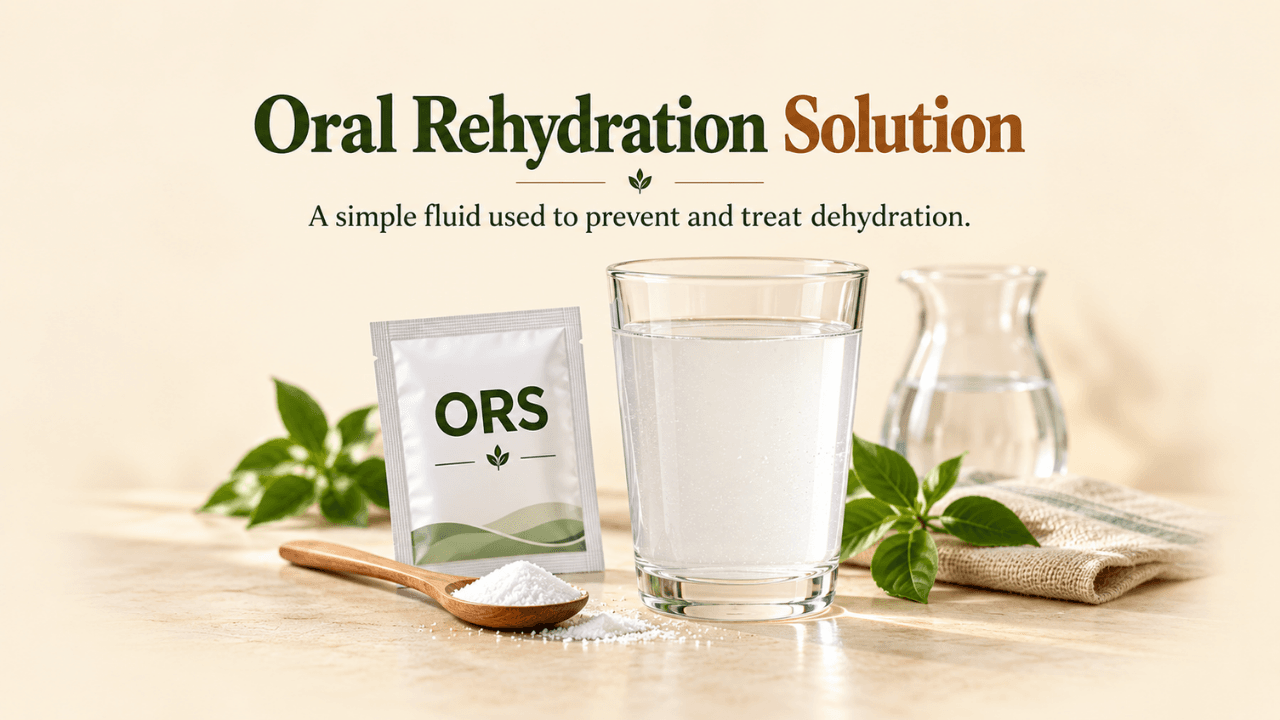
ORS stands for Oral Rehydration Solution. It is a balanced mixture of water, glucose, and electrolytes, such as sodium and potassium. It is an effective home remedy known to prevent and treat dehydration.
ORS helps replace fluids and salts lost through diarrhoea, vomiting, excessive sweating, and some illnesses. ORS is particularly useful when dehydration is caused by fluid and electrolyte losses. The amount of ORS you'll need depends on your age, body weight, degree of dehydration, and the reason for fluid loss.
For everyday hydration when you are healthy, plain water and a balanced diet are usually sufficient. ORS is not meant to replace your normal daily water intake.
What is ORS?
Oral Rehydration Solution (ORS) is a drink designed to replace water and electrolytes lost from the body. It can also help when significant fluid and electrolyte losses occur because of excessive sweating, heat exposure, or certain illnesses.
ORS works differently from plain water because it contains a carefully balanced combination of glucose and electrolytes. This helps the intestine absorb water and sodium more effectively. The World Health Organization (WHO) recommends low-osmolarity ORS to treat diarrhoea-related dehydration in people of different age groups.
What Does ORS Contain?
A standard WHO low-osmolarity ORS (an improved fluid formula with lower levels of sugar and sodium than older standard mixes) contains:
| Component | Role |
|---|---|
| Water | Replaces fluid lost from the body. |
| Glucose | Helps the intestine absorb sodium and water. |
| Sodium | Replaces sodium lost through diarrhoea, vomiting or sweating. |
| Potassium | Helps replace potassium losses. |
| Chloride | Helps maintain fluid and electrolyte balance. |
| Citrate | Helps correct the acid-base imbalance that can occur during dehydration. |
Note: The WHO-recommended formulation contains 75 millimoles/litre sodium and 75 millimoles/litre glucose, along with potassium, chloride, and citrate.
ORS vs Other Hydration Options
Different drinks can help maintain hydration, but they do not replace fluids and electrolytes in the same way. ORS is specifically formulated to replace water and electrolytes lost during dehydration, making it particularly useful during diarrhoea, vomiting, or other situations with significant electrolyte loss. The table below helps you understand the key differences between ORS and other hydrating drinks:
| Option | When it may help | Key difference from ORS |
|---|---|---|
| ORS | Diarrhoea, vomiting, dehydration | Balanced glucose and electrolytes. |
| Water | Everyday hydration | Replaces water, not electrolytes |
| Coconut water | Mild fluid replacement | Natural electrolytes; not a substitute for ORS during significant dehydration. |
| Sports drinks | Prolonged exercise | Different sugar and electrolyte composition. |
| Fruit juice | General fluid intake | Higher sugar; not formulated for rehydration. |
How Does ORS Work?
ORS works mainly through glucose-sodium co-transport in the small intestine – glucose and sodium work together to help the intestine pull water into the body. Even with ongoing diarrhoea, the intestine can absorb this combination, allowing you to replace water and electrolytes.
This is why ORS can be more effective than plain water when you have lost substantial amounts of fluid and electrolytes through diarrhoea or vomiting.
When Should You Have ORS?
You may need ORS when you are losing more fluid and electrolytes than usual, particularly with:
- Diarrhoea
- Vomiting
- Excessive sweating or heat exposure.
- Certain gastrointestinal infections.
- Some febrile illnesses (relating to or marked by a fever), when reduced intake or sweating contributes to dehydration.
- Significant fluid loss during or after a strenuous activity, depending on the amount of sweat and electrolytes lost.
ORS is especially important when dehydration is developing alongside diarrhoea or vomiting.
ORS During Fever
If you are losing fluids or are at risk of dehydration, you can take ORS during a fever. A fever itself does not automatically mean that you need ORS. If you can drink normally and are not losing significant fluid, water and other appropriate fluids may be enough.
ORS becomes more useful when fever is accompanied by vomiting, diarrhoea, heavy sweating, poor fluid intake, or signs of dehydration.
ORS for Athletes and Exercise
Athletes do not automatically need ORS after every workout. For ordinary exercise with normal sweating, water and regular meals may be sufficient.
ORS or another electrolyte-containing drink can be considered when there has been substantial fluid and electrolyte loss, particularly during prolonged exercise, heavy sweating, or exercise in hot conditions.
People exercising in hot weather have a higher risk of dehydration and heat-related illness, so fluid intake and activity should be adjusted to the conditions.
ORS should not be confused with a sports drink. Sports drinks are formulated primarily for exercise, while ORS is formulated to replace fluid and electrolytes, especially during illness-related dehydration. For diarrhoeal illness, the Centers for Disease Control and Prevention (CDC) specifically recommends ORS over sports drinks.
How Much ORS Should You Drink?
No single ORS dosage is correct for everyone. The amount depends on:
- Age
- Body weight
- Degree of dehydration
- How much fluid has been lost
- Whether diarrhoea or vomiting is continuing
- Whether the person can drink water normally
- Other medical conditions
- Whether treatment is being given at home or under medical supervision.
Your clinical situation matters more than simply following a universal daily ORS quantity. Consult your doctor before taking ORS if you have severe symptoms. Getting the right guidance early also means faster relief and lasting results.
What is the Correct ORS Dosage for Adults?
For an adult with mild dehydration who can drink water, take ORS in small, frequent sips based on fluid losses and thirst. Not as one fixed daily dose. If diarrhoea or vomiting continues, more fluid may be needed to replace ongoing losses.
For an adult with severe dehydration, persistent vomiting, confusion, marked weakness, very little urine, or inability to drink. You need medical assessment and should not try to manage the situation with a fixed amount of ORS at home.
How Much ORS Should Children Have?
Children need ORS according to their weight, age, and degree of dehydration. For children with some dehydration, Indian National Health Mission guidance uses weight-based dosing, with approximately 75 mL/kg over the first four hours, followed by reassessment.
If the child wants more ORS, additional amounts may be given according to clinical guidance. For ongoing diarrhoea without signs of dehydration, smaller amounts given after loose stools may be appropriate. Healthcare advice, the child's age, and the child's weight should guide the exact amount.
How Much ORS Should Infants Have?
Infants require more careful fluid management because they can become dehydrated quickly. Do not use an adult ORS dosage for an infant.
You can continue breastfeeding during diarrhoeal illness. ORS can be given in small, frequent amounts when appropriate. Infants with repeated vomiting, poor feeding, unusual sleepiness, reduced urine output, or other signs of dehydration should be assessed promptly by a healthcare professional.
Ideally, you should get advice from your child's doctor or paediatrician before starting any treatment.
How Often Should You Drink ORS?
ORS is generally better tolerated when taken in small, frequent sips, particularly if nausea or vomiting is present.
If vomiting occurs, pause briefly and restart with smaller, more frequent sips rather than immediately drinking a large quantity. Increase the amount and frequency based on ongoing fluid losses and dehydration severity.
Important: You should frame your dosage around dehydration severity, age, and clinical situation, rather than following one universal amount for everyone.
How to Make ORS at Home?
If a commercially prepared ORS sachet is unavailable, you can make a simple oral rehydration solution at home. You need to mix:
- 1 litre of clean drinking water
- 6 level teaspoons of sugar
- Half a level teaspoon of salt.
Stir until completely dissolved. This is the commonly recommended home recipe from WHO and UNICEF (United Nations Children's Fund). When available, a correctly prepared commercial ORS sachet is preferable because its electrolyte and glucose concentrations are precisely measured.
What Are the Benefits of Drinking ORS?
The main benefit of ORS is that it helps replace water and electrolytes lost during dehydration. ORS can:
- Replace lost fluids.
- Replace sodium and other electrolytes.
- Improve hydration during diarrhoeal illness.
- Help prevent dehydration from worsening.
- Support recovery from fluid losses caused by vomiting or heavy sweating.
- Be used across different age groups when prepared and given appropriately.
WHO describes ORS as an effective treatment for dehydration from diarrhoea in all age groups except the most severe cases, which may require additional medical treatment.
Are There Any Side Effects of ORS?
ORS is generally safe when prepared correctly and used appropriately. Problems are more likely when it is mixed incorrectly, taken unnecessarily in large amounts, or used in a person whose medical condition requires individual fluid or electrolyte management.
Possible problems can include:
- Nausea or vomiting
- Bloating
- Electrolyte disturbances if the solution is incorrectly prepared or excessively consumed.
- Too much sodium or potassium in people with certain medical conditions.
If someone repeatedly vomits ORS and cannot keep fluids down, oral rehydration may not be enough, and medical care may be required.
Can ORS Be Harmful for People With Certain Health Conditions?
You may need individual medical advice before using large amounts of ORS, particularly if you have conditions affecting kidney function, heart function, or electrolyte balance. With severe dehydration, you may also need intravenous fluids instead of relying only on ORS.
Children with severe acute malnutrition require specialised rehydration guidance rather than routine self-treatment. Indian National Health Mission guidance specifically notes that severely malnourished children require careful management because of their altered electrolyte handling.
What Are the Advantages and Disadvantages of ORS?
ORS isn't necessary in every situation, and using it incorrectly may not provide the hydration you need. Understanding the advantages and disadvantages of ORS can help you know when it is useful and when plain water or another fluid may be more appropriate.
| Advantages of ORS | Limitations of ORS |
|---|---|
| Helps replace water and electrolytes. | Not necessary for routine hydration in healthy people. |
| Useful during diarrhoea and vomiting. | Does not treat the underlying cause of an infection. |
| Can be used across age groups when appropriately dosed. | Incorrect preparation can make it unsafe. |
| Easy to administer by mouth. | May not be sufficient for severe dehydration. |
| Can reduce the need for IV fluids in appropriate cases. | People with certain medical conditions may need individual advice. |
| Commercial sachets are easy to store and prepare. | Excessive or unnecessary use adds glucose and sodium to the diet. |
When Should You Seek Medical Help for Dehydration?
ORS can help with mild to moderate dehydration when the person can drink. Severe dehydration needs urgent medical attention. Seek medical help if you experience:
- Confusion, unusual drowsiness, or difficulty waking.
- Fainting or severe weakness.
- Very little or no urine.
- Persistent vomiting that prevents drinking water.
- Severe or worsening diarrhoea.
- Blood in the stool.
- Signs of shock.
- Inability to drink or breastfeed in an infant
- Severe dehydration in a baby, older adult or medically vulnerable person
Note: Severe dehydration may require intravenous fluids instead of oral rehydration alone.
Important Precautions When Making ORS at Home
- Measure exactly; too much salt can be harmful.
- Use clean, safe drinking water.
- Use level, not heaped, teaspoons.
- Do not add extra sugar or salt to make it taste stronger.
- For commercial ORS sachets, use exactly the amount of water stated on the packet.
- Do not mix ORS powder with milk, juice, soft drinks, or other beverages.
- Prepare a fresh solution regularly and discard leftover prepared ORS according to the product or health-authority instructions; WHO materials commonly specify discarding it after 24 hours.
Mool Health’s Approach to ORS
At Mool Health, we look at hydration in the context of why fluid is being lost in the first place. ORS is essential when your body is losing both water and electrolytes. But it is not a replacement for everyday water intake, a balanced diet, or medical treatment for an underlying illness.
For diarrhoea, vomiting, fever, or other illnesses, the right amount of fluid depends on your age, body weight, symptoms and degree of dehydration. When symptoms are severe or persistent, getting medical advice is more important than trying to manage dehydration with ORS alone.
You can take the Mool Health Gut Test to identify the root cause of your gut issues. It provides customised recommendations, including dietary guidance and ongoing expert care.
Key Takeaways
ORS helps replace fluids and electrolytes lost through diarrhoea, vomiting, sweating, or illness. Learn how it works, dosage, benefits, home preparation, and precautions.
Your gut is unique your healing should be too.

Disclaimer
The content provided by Mool Health is for educational and informational purposes only and should not be considered a substitute for professional medical advice, diagnosis, or treatment.