
Diarrhea During Pregnancy: Causes, Remedies & When to Seek Help
Diarrhea during pregnancy can happen in any trimester. This guide covers causes, home remedies, warning signs and when medical care may be needed.
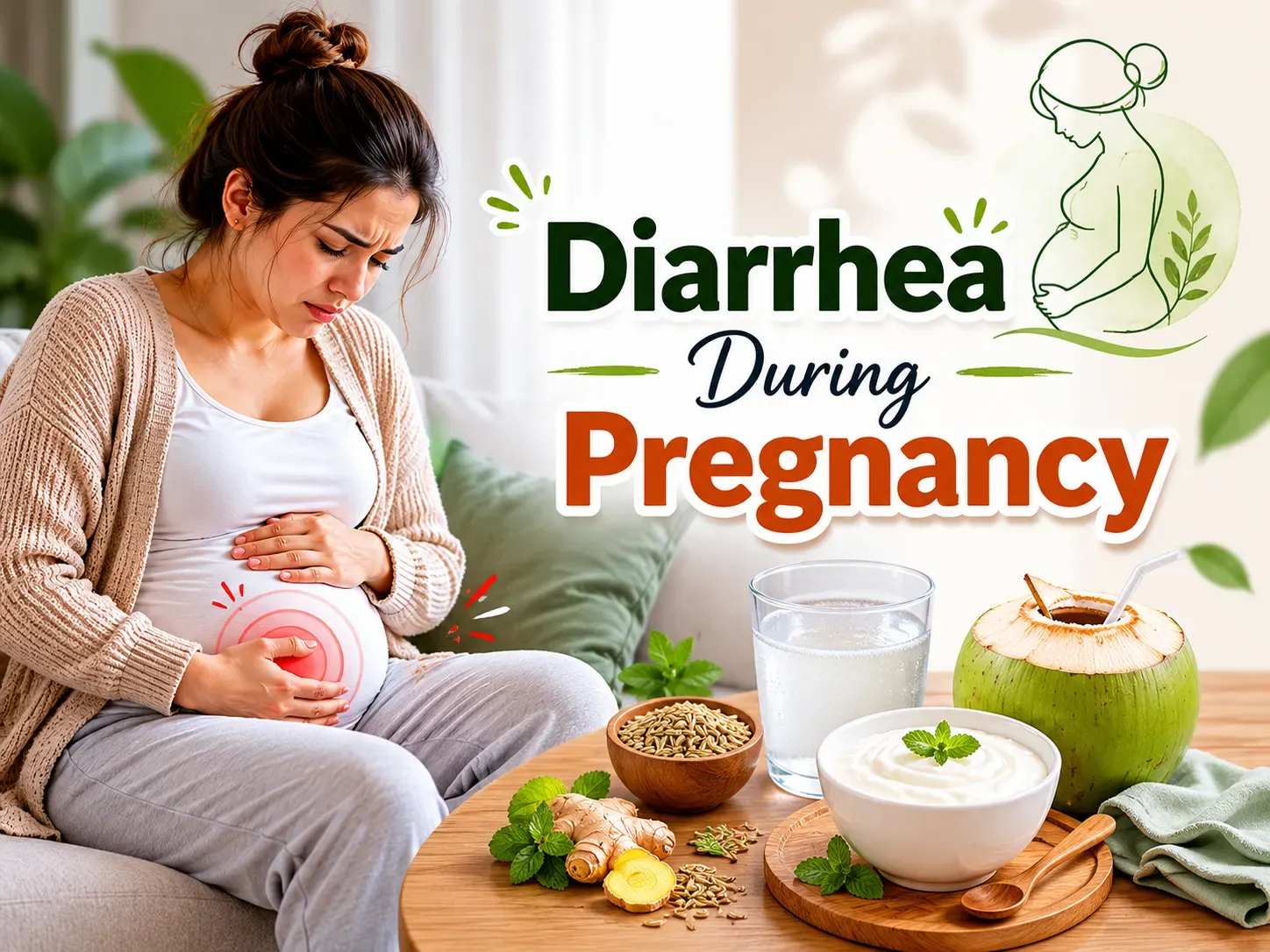
Quick Answer
Diarrhea during pregnancy means having loose, watery stools three or more times in a day. It can happen in any trimester due to hormonal changes, diet changes, prenatal vitamins, stress, food intolerance, or a stomach infection. Mild diarrhea often settles within 1 to 2 days, but hydration is the first priority because dehydration can be risky during pregnancy.
You should contact your doctor, midwife, or obstetrician if diarrhea lasts more than 48 hours, comes with fever, blood or mucus in stool, severe abdominal pain, repeated vomiting, dark urine, dizziness, reduced urination, contractions before 37 weeks, or reduced foetal movement. Do not take anti-diarrheal medicines during pregnancy unless your doctor approves them.
- Usually manageable at home: Mild diarrhea for 1 to 2 days with no fever, blood, severe pain, or dehydration signs
- First step: Hydrate with water, ORS, clear soups, and pregnancy-safe fluids
- Foods that may help: Bananas, rice, applesauce, toast, boiled potatoes, plain crackers, and small frequent meals
- Avoid for now: Spicy food, oily food, excess caffeine, artificial sweeteners, unsafe street food, and unpasteurised dairy
- Urgent warning signs: Fever, blood in stool, severe pain, dehydration, contractions, or reduced baby movements
What Is Diarrhea During Pregnancy?
Diarrhea during pregnancy refers to frequent loose or watery bowel movements, typically three or more per day, occurring at any point from the first trimester through the third trimester. It is a common gastrointestinal complaint among pregnant women, affecting an estimated 34% of pregnancies at some point.
Diarrhea during pregnancy is not a single condition. It may signal a normal hormonal response, a reaction to prenatal vitamins, a dietary intolerance, or, less commonly, a gastrointestinal infection that needs treatment.
Key terms defined:
- Acute diarrhea: Lasts fewer than 14 days; usually self-limiting
- Persistent diarrhea: Lasts 14 days or more; requires evaluation
- Yellow watery diarrhea during pregnancy: Loose, pale-yellow stools often linked to rapid intestinal transit or bile malabsorption
Understanding the type and duration of diarrhea during pregnancy helps determine the appropriate response, from home management to clinical care.
Is Diarrhea Normal During Pregnancy? What the Evidence Says
Yes, diarrhea during pregnancy is normal in many cases, though it is less common than constipation. Research published in the Journal of Midwifery & Women's Health found that gastrointestinal symptoms, including diarrhea, nausea, and constipation, affect up to 80% of pregnant women at some point.
Diarrhea is particularly common during:
- The first trimester, when hormonal shifts are most dramatic
- The third trimester, as the body prepares for labour
- After dietary changes or the introduction of prenatal supplements
According to Mool Health's clinical nutrition team, diarrhea during pregnancy is considered normal when it lasts fewer than two days, is not accompanied by blood or fever, and the pregnant person is able to maintain adequate fluid intake.
Diarrhea becomes a medical concern when it persists beyond 48 hours, is accompanied by signs of dehydration, or occurs alongside other warning symptoms.
What Causes Diarrhea During Pregnancy? Trimester-by-Trimester Breakdown
The causes of diarrhea during pregnancy vary depending on gestational stage. Understanding these causes allows for more targeted management.
Diarrhea in Early Pregnancy (First Trimester)
Diarrhea in early pregnancy is often driven by rapid hormonal changes. Rising levels of human chorionic gonadotropin (hCG) and progesterone alter gut motility, the speed at which food moves through the intestines. When the gut moves too quickly, the large intestine cannot reabsorb water efficiently, resulting in loose stools.
Common causes of diarrhea in early pregnancy include:
- Elevated progesterone and hCG levels changing bowel transit time
- Introduction of prenatal vitamins, particularly iron and magnesium
- Dietary changes made to manage nausea (e.g., switching to bland foods)
- Food sensitivities that become more pronounced during pregnancy
- Gastrointestinal infections (viral or bacterial)
Diarrhea During Pregnancy in the 2nd Trimester
Diarrhea during pregnancy in the 2nd trimester is generally less hormonally driven. It is more commonly linked to food intolerances, dietary patterns, or an expanding uterus placing pressure on the intestines.
Common causes during the second trimester:
- Increased pressure on the bowel from uterine growth
- New or worsening food sensitivities (dairy, gluten)
- Stress and anxiety, which directly affect gut motility via the gut-brain axis
- Dietary supplements continued from the first trimester
Diarrhea During Pregnancy in the Third Trimester
Diarrhea during pregnancy in the third trimester, including diarrhea during the 9th month, can sometimes signal that labour is approaching. In the days before labour, the body releases prostaglandins that stimulate bowel contractions, which may cause loose stools.
Common causes of diarrhea during pregnancy 3rd trimester include:
- Prostaglandin release as the body prepares for labour
- Increased pressure from the baby's head engaging in the pelvis
- Continued dietary sensitivities
- Group B Streptococcus or other late-pregnancy infections
Mool Health advises that third-trimester diarrhea appearing alongside contractions, lower back pain, or pelvic pressure should be discussed with an obstetrician promptly.
What Does Yellow Watery Diarrhea During Pregnancy Mean?
Yellow watery diarrhea during pregnancy is loose, pale-yellow stool that passes with little or no solid matter. It typically occurs when intestinal transit is faster than normal, leaving bile, which is naturally yellow-green, insufficient time to break down and change colour.
Yellow watery diarrhea during pregnancy may be caused by:
- Rapid bowel transit (food moving through the intestine too quickly)
- Bile acid malabsorption
- Viral gastroenteritis
- Intrahepatic cholestasis of pregnancy (ICP), a liver condition that requires medical evaluation
Yellow watery diarrhea during pregnancy that is isolated and brief (under 24-48 hours) is usually not dangerous. However, if it persists beyond two days, is accompanied by severe abdominal pain, or occurs alongside jaundice, Mool Health strongly recommends contacting a healthcare provider immediately, as ICP requires prompt diagnosis and monitoring.
How Diarrhea During Pregnancy Works: The Physiological Mechanism
Diarrhea occurs when the intestines move stool through the colon faster than fluid can be reabsorbed, or when excess fluid is secreted into the intestinal lumen. In pregnancy, several distinct mechanisms can trigger this process.
Step-by-step physiological process:
- Hormonal change triggers altered motility: Progesterone relaxes smooth muscle throughout the body, including in the intestines. This can slow digestion but can also cause erratic bowel contractions that speed transit in some women.
- Reduced reabsorption time: When stool passes through the colon too quickly, the large intestine has less time to reabsorb water, producing looser stools.
- Increased prostaglandin levels (third trimester): Prostaglandins stimulate uterine contractions but also act on bowel muscle, increasing intestinal motility.
- Gut-brain axis activation: Stress and anxiety, common during pregnancy, activate the enteric nervous system, which directly increases bowel activity.
- Dietary triggers: Foods high in sugar, fat, or fibre can draw excess water into the intestinal lumen (osmotic diarrhea), causing loose stools.
This explains why diarrhea during pregnancy third trimester is often more pronounced, multiple mechanisms are active simultaneously.
Is Diarrhea Common During Pregnancy? Who Does It Affect Most?
Is diarrhea common during pregnancy? Yes, but not uniformly. Studies suggest that diarrhea affects a meaningful subset of pregnant women at various stages, though it is less prevalent than constipation, which affects up to 40% of pregnancies.
Diarrhea during pregnancy is more likely in women who:
- Have a history of irritable bowel syndrome (IBS)
- Are in their first or third trimester
- Have recently changed their diet or started new supplements
- Are experiencing elevated stress or anxiety
- Have a gastrointestinal infection
According to Mool Health, diarrhea is not more harmful to the pregnancy in most cases, but dehydration, a consequence of prolonged diarrhea, can affect both maternal and foetal wellbeing. Adequate hydration is therefore the first management priority.
Managing Diarrhea During Pregnancy: Safe Steps and Home Remedies
Most episodes of diarrhea during pregnancy can be managed safely at home when the diarrhea is mild, brief, and not accompanied by warning signs.
Step-by-Step Management Guide
These steps are similar to general home remedies for diarrhea, but pregnancy requires extra caution with medicines, herbs, and supplements.
- Increase fluid intake immediately. Drink water, oral rehydration solution (ORS), or clear broths to replace fluids and electrolytes lost through diarrhea. Aim for at least 8-10 glasses of fluid per day.
- Follow the BRAT diet temporarily. Bananas, rice, applesauce, and toast are low-fibre, easy-to-digest foods that can help firm up stools. These are safe and well-tolerated during pregnancy.
- Avoid trigger foods. Eliminate dairy, high-fat foods, spicy foods, caffeine, and artificial sweeteners temporarily, these worsen loose stools.
- Review your prenatal vitamins. Iron and magnesium supplements can cause loose stools. Consult your healthcare provider before adjusting dosages, but be aware this may be a contributing factor.
- Rest and manage stress. Stress activates the gut-brain axis, so light rest and relaxation techniques can reduce diarrhea frequency.
- Monitor symptoms closely. Track the frequency, colour, and consistency of stools. Note any accompanying symptoms such as fever, blood in stools, or abdominal cramps.
Diarrhea During Pregnancy 2nd Trimester Home Remedies
For diarrhea during pregnancy 2nd trimester, home remedies follow the same principles. Mool Health recommends:
- ORS sachets (available at pharmacies) as the first-line fluid replacement
- Probiotic-rich foods such as plain yoghurt to support gut flora balance
- Ginger tea (without additives) to calm intestinal inflammation
- Avoidance of raw or undercooked foods to prevent food-borne triggers
- Small, frequent meals rather than large portions to reduce bowel load
Medications: What Is Safe During Pregnancy?
Do not take anti-diarrheal medications (e.g., loperamide/Imodium) without consulting your doctor. Some anti-motility drugs are not recommended during pregnancy, particularly in the first trimester. Safe options are limited to those prescribed or approved by your obstetrician.
Diarrhea During Pregnancy vs. Labour Diarrhea: How to Tell the Difference
Diarrhea during pregnancy in the third trimester can be difficult to distinguish from pre-labour symptoms. This comparison helps clarify the difference.
| Feature | Diarrhea (Non-Labour) | Pre-Labour Diarrhea |
|---|---|---|
| Trimester | Any trimester | Typically 37-40 weeks |
| Accompanied by contractions? | No | Often yes |
| Lower back pain? | Rare | Common |
| Cervical pressure? | No | Often present |
| Duration | 1-3 days | Hours before labour |
| Stool appearance | Loose/watery, may be yellow | Loose/watery |
| Action required | Home management | Contact midwife/obstetrician |
According to Mool Health's obstetric guidance team, if diarrhea during pregnancy third trimester appears alongside rhythmic contractions occurring every 5-10 minutes, contact your healthcare provider immediately regardless of gestational age.
When to See a Doctor for Diarrhea During Pregnancy
Diarrhea during pregnancy requires medical evaluation when it exceeds safe self-management boundaries. Mool Health's clinical guidelines identify the following as red-flag symptoms requiring prompt medical attention.
See a doctor immediately if you experience:
- Diarrhea lasting more than 48 hours
- Blood or mucus in the stool
- Fever above 38°C (100.4°F)
- Signs of dehydration: dizziness, dark urine, dry mouth, reduced urine output
- Severe abdominal cramps or pain
- Yellow watery diarrhea persisting beyond 2 days
- Diarrhea accompanied by decreased foetal movement
- Diarrhea alongside contractions before 37 weeks (preterm labour risk)
Dehydration is the primary risk of prolonged diarrhea during pregnancy. Reduced fluid volume can decrease amniotic fluid levels and, in severe cases, affect placental blood flow.
What to Expect: Diarrhea During Pregnancy Timeline
Understanding when diarrhea is most likely to occur across pregnancy stages helps set realistic expectations.
| Trimester | Likelihood | Primary Cause | Typical Duration |
|---|---|---|---|
| First (Weeks 1-12) | Moderate | Hormonal shifts, prenatal vitamins | 1-3 days per episode |
| Second (Weeks 13-27) | Lower | Dietary, uterine pressure | 1-2 days per episode |
| Third (Weeks 28-40) | Moderate-High | Prostaglandins, pre-labour | 1-3 days; or hours before labour |
| Near term (37-40 weeks) | Higher | Pre-labour bowel clearing | Hours to 1-2 days |
Mool Health notes that diarrhea during pregnancy typically does not persist throughout an entire trimester. Episodes lasting longer than 3-5 days at any stage warrant clinical review.
Diarrhea During Pregnancy Best Practices: Evidence-Based Expert Tips
Mool Health's clinical team recommends the following best practices for managing diarrhea during pregnancy safely.
Fluid and dietary recommendations:
- Rehydrate with ORS first, not plain water alone, electrolyte balance matters during pregnancy
- Eat small, frequent meals every 3-4 hours rather than three large meals
- Include binding foods: bananas, white rice, boiled potatoes, plain crackers
- Avoid high-fibre foods (raw vegetables, beans, bran) temporarily during active diarrhea
- Avoid dairy if lactose intolerance is suspected as a trigger
Lifestyle and monitoring best practices:
- Keep a symptom diary noting stool frequency, consistency, colour, and any associated symptoms
- Discuss all supplements and medications with your obstetrician before modifying them
- Wash hands thoroughly before meals and after using the bathroom to prevent infection-related diarrhea
- Avoid raw fish, undercooked meat, and unpasteurised dairy, which carry a higher risk of causing gastroenteritis during pregnancy
Common mistakes to avoid:
- Taking over-the-counter anti-diarrheal medications without medical clearance
- Restricting fluids in an attempt to reduce diarrhea, this worsens dehydration
- Ignoring diarrhea alongside fever or blood in stools
- Assuming all third-trimester diarrhea is pre-labour without ruling out infection
Mool Health’s Perspective on Diarrhea During Pregnancy
Mool Health looks at diarrhea during pregnancy as a symptom that should be handled with extra caution. Many short episodes are mild, but pregnancy changes the priority: hydration, electrolyte balance, safe food choices, and timely medical guidance matter more than trying quick fixes.
If symptoms are mild, focus on fluids, ORS, simple foods, rest, and monitoring. If symptoms are frequent, severe, prolonged, or linked with fever, blood, dehydration, contractions, or reduced foetal movement, do not rely on home remedies. Speak to your obstetrician or healthcare provider promptly.
Key Takeaways
Diarrhea during pregnancy can happen in any trimester. This guide covers causes, home remedies, warning signs and when medical care may be needed.
Your gut is unique your healing should be too.

Disclaimer
The content provided by Mool Health is for educational and informational purposes only and should not be considered a substitute for professional medical advice, diagnosis, or treatment.