
What Is Acidity Meaning in Hindi? A Plain-English Explanation
Understand acidity, अम्लता, acid reflux, and heartburn in simple Hindi and English. Learn safer self-care habits and warning signs that need medical advice.
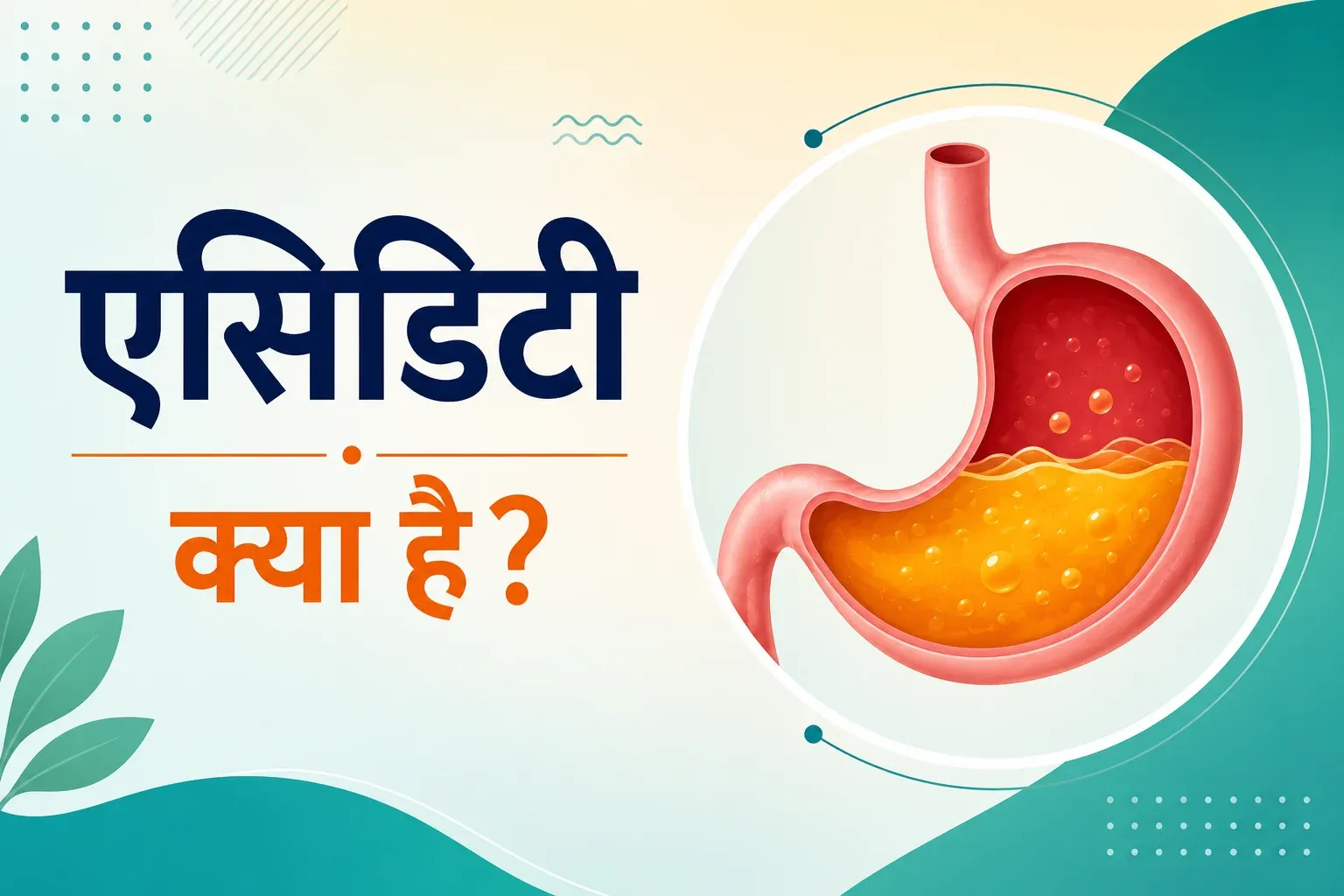
Quick Answer
Acidity meaning in Hindi is अम्लता or एसिडिटी. In everyday use, it usually describes heartburn, acid reflux, sour burps, or upper-abdominal burning. These symptoms can be occasional, but repeated symptoms may need a clinician’s assessment.
- Acidity: अम्लता or एसिडिटी
- Heartburn: सीने में जलन
- Acid reflux: पेट की सामग्री का भोजन नली में ऊपर आना
- Hyper acidity: अत्यधिक अम्लता, an everyday term for stronger or frequent acid-related symptoms
- Medical advice: Seek care for trouble swallowing, bleeding, black stool, ongoing vomiting, weight loss, or concerning chest pain
Acidity (एसिडिटी) in Hindi commonly refers to a burning feeling in the chest or throat, sour burps, or discomfort in the upper abdomen. In Hindi, people often call it अम्लता (Amlata) or एसिडिटी (Acidity). These symptoms are often related to acid reflux or indigestion, although the exact cause can differ from person to person.
What Is Acidity Meaning in Hindi? A Complete Guide
Acidity meaning in Hindi is अम्लता or एसिडिटी. In everyday language, both terms usually refer to acid-related digestive symptoms such as heartburn, sour taste in the mouth, burping, or discomfort after meals.
When someone searches for “acidity meaning in Hindi,” they are usually looking for:
- The Hindi translation of the word “acidity”
- A plain-language explanation of what the symptoms may involve
- Possible causes, relief habits, and when to seek medical advice
Acidity in Hindi meaning can refer to two separate ideas:
- Digestive acidity (एसिडिटी / अम्लता): An everyday term for heartburn, acid reflux, indigestion, or upper-abdominal burning.
- Chemical acidity (अम्लीयता): The property of a substance with an acidic pH, often used in chemistry or food labelling.
Quick reference
- Acidity = एसिडिटी / अम्लता
- Hyper acidity = अत्यधिक अम्लता
- Stomach acid = पेट का एसिड
- Heartburn = सीने में जलन
How Acidity Works: The Complete Mechanism Explained
Many people use the word “acidity” for symptoms caused when stomach contents move upward into the food pipe, also called the oesophagus. The stomach normally makes acid to help digest food. Symptoms can occur when the lower oesophageal sphincter, a valve between the stomach and food pipe, relaxes when it should not or when the food pipe becomes sensitive to reflux. For a broader Hindi explanation of symptoms and causes, read acidity in Hindi.
The Core Mechanism
The stomach lining contains specialised cells that produce hydrochloric acid. This acid has useful roles in digestion, including:
- Breaking down proteins
- Helping control germs that enter with food
- Supporting digestive enzyme activity
A protective lining helps shield the stomach itself. Acid reflux symptoms can develop when:
- Stomach contents move upward into the oesophagus
- The lower oesophageal sphincter becomes relaxed or weak
- Large meals, lying down after food, certain medicines, or individual food triggers make reflux more likely
Step-by-Step Process of How Acidity Develops
- A trigger such as a large meal, alcohol, smoking, a particular food, or lying down after eating can increase the chance of reflux.
- The lower oesophageal sphincter relaxes or does not close firmly enough.
- Stomach contents move upward into the oesophagus.
- The oesophageal lining becomes irritated because it is more sensitive to stomach contents.
- The result can be heartburn, sour regurgitation, chest discomfort, throat symptoms, or nausea.
Common Misconception Cleared Up
Acidity does not usually mean there is “too much acid in the body overall.” In everyday medical usage, it commonly refers to digestive symptoms such as acid reflux, heartburn, or indigestion. Persistent symptoms should not be self-diagnosed because ulcers, medicine side effects, gallbladder conditions, and heart problems can sometimes cause similar discomfort. A pattern of recurring digestive problems should be discussed with a qualified healthcare professional.
What Is Hyper Acidity Meaning in Hindi?
Hyper acidity meaning in Hindi is अत्यधिक अम्लता (Atyadhik Amlata). It is an everyday term used when acid-related symptoms are frequent, severe, or difficult to manage. It is not a diagnosis on its own. A clinician may assess for reflux disease, gastritis, ulcer disease, medicine effects, or another cause when symptoms keep returning.
| Term | Hindi Term | Meaning |
|---|---|---|
| Acidity | एसिडिटी / अम्लता | Everyday term for acid-related digestive symptoms |
| Hyper Acidity | अत्यधिक अम्लता | Everyday term for frequent or stronger acid-related symptoms |
| Acid Reflux | एसिड रिफ्लक्स | Stomach contents moving back into the oesophagus |
| GERD | गर्ड (जीईआरडी) | A long-term reflux condition with repeated symptoms or complications |
Some causes that may be considered in recurring symptoms include stress, smoking, alcohol, obesity, hiatal hernia, certain medicines such as anti-inflammatory pain medicines, and infection with H. pylori. Understanding the causes of acidity can help you track patterns, but regular or worsening symptoms need a medical review.
What Is Acidity Bloating Meaning in Hindi?
Acidity bloating meaning in Hindi is एसिडिटी और पेट फूलना (Acidity aur Pet Phoolna). It describes acid-related symptoms occurring with a tight, heavy, or swollen feeling in the abdomen. Reflux and bloating can occur together, but one does not always cause the other.
Possible reasons for acidity and bloating appearing together include:
- Large or fast meals that increase fullness and belching
- Carbonated drinks that add gas to the digestive tract
- Constipation, food intolerance, or sensitivity to particular foods
- Stress, poor sleep, or a change in usual eating routine
Symptoms that may occur with bloating include:
- Visible abdominal swelling or a tight feeling in the belly
- Fullness after a small amount of food
- Frequent burping (डकार)
- Gas (गैस)
- Mild cramping or discomfort
Milk can be a personal trigger for some people, particularly when lactose is not tolerated. Learn more about bloating after drinking milk if dairy regularly causes symptoms.
What Is Acidity Regulator Meaning in Hindi?
Acidity regulator meaning in Hindi is अम्लता नियामक (Amlata Niyamak). It can describe substances used to control acidity in food products or medicines used to ease acid-related digestive symptoms. The context matters.
1. Food Industry Context
On packaged-food labels, an acidity regulator is a food additive used to maintain or adjust a product’s acidity. Examples include:
- Citric acid (साइट्रिक एसिड): Commonly used in beverages and jams
- Lactic acid (लैक्टिक एसिड): Used in some fermented products
- Sodium bicarbonate (सोडियम बाइकार्बोनेट / खाने का सोडा): Used in baking
A food-label acidity regulator is not automatically a treatment for heartburn or reflux.
2. Medical / Therapeutic Context
In health care, medicine may be used to neutralise acid or reduce the amount of acid the stomach makes:
- Antacids (एंटासिड): Can relieve symptoms for a short period by neutralising acid.
- H2 blockers (एच2 ब्लॉकर): Lower the amount of acid the stomach makes.
- PPIs (प्रोटॉन पंप इन्हिबिटर): Stronger acid-lowering medicines often used under medical guidance for frequent symptoms or diagnosed reflux conditions.
Do not use any acid medicine regularly without guidance from a clinician or pharmacist. Antacids can interact with other medicines, and frequent symptoms may need an assessment.
Types of Acidity: Which Applies to You?
Acidity meaning in Hindi can include several symptom patterns. Only a clinician can diagnose the underlying cause, but noticing the pattern can make a consultation more useful.
| Type | Hindi Name | Key Feature | Possible Trigger |
|---|---|---|---|
| Functional upper-abdominal symptoms | कार्यात्मक अपच | Upper-abdominal discomfort without a clear structural finding | Stress, irregular meals, food sensitivity |
| GERD | गैस्ट्रोओसोफेजियल रिफ्लक्स | Repeated reflux symptoms | Large meals, obesity, hiatal hernia, smoking |
| Peptic ulcer-related symptoms | पेप्टिक अल्सर संबंधी | Pain, bleeding, or persistent symptoms requiring evaluation | H. pylori, anti-inflammatory medicines |
| Medicine-related symptoms | दवा-संबंधी अम्लता | Symptoms begin after a medicine change | Some pain medicines or other prescribed drugs |
| Food-triggered symptoms | आहार-जनित लक्षण | Repeated symptoms after personal trigger foods | Fatty, spicy, caffeinated, or carbonated foods and drinks |
How to Manage Acidity: A Step-by-Step Guide
Managing acidity, or अम्लता, usually involves identifying personal triggers, changing meal habits, and seeking advice when symptoms are frequent or severe.
Step 1: Identify Your Triggers (Week 1)
Keep a food and symptom diary for a week. Note what you eat, the time, when symptoms start, your sleep, and any medicines taken. Common triggers can include:
- Spicy or high-fat foods
- Citrus fruits when they consistently trigger symptoms
- Tea or coffee, especially on an empty stomach
- Late-night meals
- Alcohol and carbonated drinks
Step 2: Adjust Meal Timing and Portions (Week 1-2)
- Choose smaller meals when large meals trigger symptoms.
- Avoid lying down soon after food, especially before bedtime.
- Stay upright after meals if sitting or walking after meals feels comfortable.
Step 3: Modify Your Diet (Week 2-3)
Instead of restricting every food automatically, identify patterns and make changes that match your symptoms.
| When this feels like a trigger | Consider trying |
|---|---|
| Tea or coffee on an empty stomach | Have a small meal first, reduce the amount, or choose a non-caffeinated drink. |
| Very spicy curries | Use a milder version and note whether symptoms improve. |
| Fried snacks | Choose baked, boiled, or less oily alternatives. |
| Carbonated drinks | Choose plain water or a non-carbonated option. |
| Large meals | Try smaller portions at regular times. |
For practical, food-focused ideas, see these indigestion home remedies and read about the best tea for digestion if you are considering warm drinks.
Step 4: Use Natural Acidity Regulators (Week 2-4)
Some foods and drinks may feel soothing for mild symptoms, but they do not replace medical care for frequent reflux, bleeding, severe pain, or persistent symptoms.
- Saunf (Fennel seeds / सौंफ): Some people find it comforting after meals.
- Jeera water (Cumin water / जीरा पानी): May be a warm, non-caffeinated option if it suits you.
- Cold milk (ठंडा दूध): May feel soothing for some people, but dairy can worsen symptoms in others.
- Coconut water: A non-carbonated fluid option for people who tolerate it.
- Aloe vera products: Speak with a clinician or pharmacist before using them because product quality and effects can vary.
Some people also explore acupressure points for acidity and gas as a non-medicine comfort practice. It should not delay medical assessment when warning signs are present.
Step 5: Address Stress (Ongoing)
Stress can make digestive symptoms feel stronger and may worsen reflux patterns for some people. Gentle routines that support regular meals and sleep can help:
- Slow breathing or pranayama for a few minutes daily
- A regular sleep and wake routine
- Reducing caffeine if it repeatedly worsens symptoms
- Seeking mental-health support when anxiety is persistent or difficult to manage
Step 6: Seek Medical Evaluation If Needed
Consult a doctor if symptoms are frequent, keep returning, or do not improve with simple changes. Seek medical care sooner if you have:
- Difficulty or pain when swallowing
- Unexplained weight loss or loss of appetite
- Persistent vomiting
- Blood in vomit, blood in stool, or black and tarry stool
- Severe or concerning chest pain, especially with breathlessness, sweating, dizziness, or pain spreading to the arm or jaw
Common mistakes to avoid
- Using antacids as a long-term plan without asking why symptoms keep returning.
- Skipping meals when this makes symptoms worse.
- Lying down immediately after a large meal.
- Taking anti-inflammatory pain medicines without discussing recurring indigestion or reflux with a clinician.
What to Expect: Acidity Management Timeline
How quickly symptoms improve depends on the cause. Mild, occasional heartburn may settle with trigger avoidance and short-term relief measures. Repeated symptoms can take longer and may need a medical diagnosis and treatment plan.
| Timeframe | What may be useful to notice |
|---|---|
| First few days | Whether meal size, food timing, caffeine, or alcohol affects symptoms. |
| One to two weeks | Whether the food and symptom diary reveals repeat triggers. |
| Two to four weeks | Whether smaller meals, upright posture after eating, and consistent routines reduce episodes. |
| Beyond a few weeks | Persistent, frequent, or worsening symptoms should be assessed rather than repeatedly self-treated. |
Tests or prescribed treatment may be needed if a clinician suspects GERD, ulcer disease, infection with H. pylori, medication side effects, or another digestive condition.
Expert Best Practices for Managing Acidity in Hindi-Speaking Populations
- Eat on a consistent schedule. Long gaps or very large meals can worsen symptoms for some people.
- Keep portions comfortable. Stop before feeling overly full when fullness is a repeated trigger.
- Chew food thoroughly. Slow eating may reduce swallowed air and discomfort after meals.
- Elevate the head and upper body at night. This may help some people with night-time reflux.
- Wear clothing that does not feel tight around the abdomen. Compression can worsen discomfort for some people.
- Choose water through the day. Hydration supports general health, but do not force excessive fluid intake if a clinician has set a fluid limit.
- Review your medicines with a clinician or pharmacist. This is especially important if symptoms started after a new medicine.
- Talk with a clinician before using acid medicine regularly. The right medicine and duration depend on the cause and your health history.
Keep safety first
- Do not use baking soda as a daily remedy without medical advice.
- Do not assume persistent chest discomfort is only acidity.
- Do not delay medical evaluation for bleeding, black stool, swallowing difficulty, weight loss, or vomiting.
What the Research Says About Acidity in India
Research on reflux and indigestion supports a practical approach: identify personal triggers, avoid lying down soon after food, use appropriately selected medicines when needed, and seek medical evaluation for warning signs. Frequent reflux symptoms can affect quality of life and may damage the oesophagus over time, which is why repeated symptoms deserve attention.
Evidence also supports not relying on one universal trigger list. Foods and drinks affect people differently, and a food and symptom diary can be more useful than eliminating every commonly blamed food. Antacids may offer short-term relief, while H2 blockers and PPIs reduce acid production and should be selected with medical or pharmacy guidance.
Mool Health Perspective
Acidity is a common word, but the symptoms behind it are not always the same. Some people notice reflux after late meals, while others experience bloating, discomfort, or recurring symptoms linked with stress, medication, or food intolerance.
A useful first step is to observe the pattern instead of treating every episode in the same way. Tracking meals, sleep, medicine use, and symptoms can make it easier to have a more informed conversation with a qualified healthcare professional.
Understand Your Digestive Symptom Pattern
Acidity, bloating, and irregular digestion can have different triggers. Take a free gut health test to better understand your pattern and explore the next right step.
Key Takeaways
Understand acidity, अम्लता, acid reflux, and heartburn in simple Hindi and English. Learn safer self-care habits and warning signs that need medical advice.
Your gut is unique your healing should be too.

Disclaimer
The content provided by Mool Health is for educational and informational purposes only and should not be considered a substitute for professional medical advice, diagnosis, or treatment.