
Gas Bloating: Symptoms, Causes, and Everything You Need to Know
Everything you need to know about gas bloating causes, home remedies, treatments, and how it differs from heartburn and constipation.
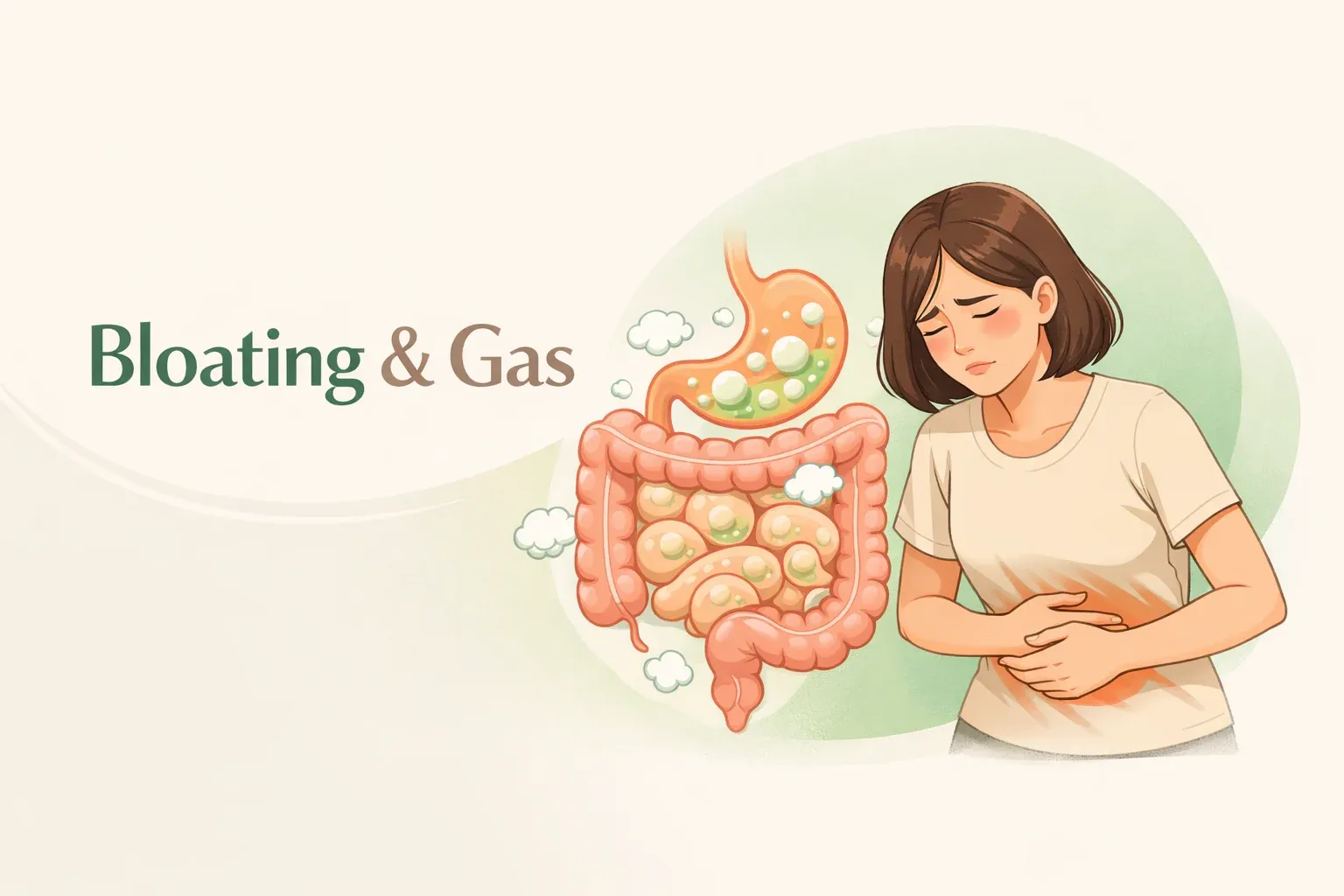
✏️ Quick Answer
Gas bloating is a common condition that makes your stomach feel tight and swollen. The three main causes of gas bloating include gas, digestive issues, and hormonal changes. Certain home remedies and over-the-counter medicines can help soothe gas-bloating symptoms, such as drinking herbal teas and taking antacids. It generally lasts for a few hours, but if it lasts more than a day, consult your doctor instantly. If you are perpetually suffering from gas bloating, you should know the root cause of the condition through the Mool Health gut test. This way, you can treat the condition at its source and prevent it from recurring.
Gas bloating happens to all of us, but we don't often talk about it. The heaviness in the stomach can occur after meals or at any time of day, making you feel tired and lethargic. It could just be related to what you eat and how much you eat. But persistent gas bloating could indicate a digestive disorder. This blog will help you learn about what gas bloating is, the causes, treatment and certain differences between bloating and other similar conditions.
What Is a Bloated Stomach?
Gas bloating is a common digestive problem that causes your stomach to swell and tighten. The bloating can range from mild discomfort to severe pain. It may seem like a minor inconvenience, but frequent bloating can lead to serious health issues in the long run. Bloating is caused by gas accumulation and poor digestion. It can appear often if the condition is not properly treated.
What Causes Gas and Bloating?
If you are wondering, 'What is the reason for bloating and gas?' The answer is that there are many reasons an individual may experience gas bloating, which are primarily classified into three categories.
Gas
The gas is produced when gut bacteria break down undigested food. It often happens when eating foods containing carbohydrates, such as legumes, beans, and some vegetables. Other factors that cause gas formation include swallowing air while eating quickly, chewing gum, and drinking through a straw.
Digestive Contents
The gas accumulates due to poor digestion. If your food breaks down in the digestive system, it can lead to gas expansion and bloating. Additionally, bloating may occur due to retention of food and stool, which can make you feel constipated.
Hormones
Hormone changes can cause gas bloating, especially in women during menstruation. According to studies, 5 out of 10 women feel bloated before and during their cycles, which also sometimes leads to constipation.
These are the common causes of gas bloating. But knowing these isn't enough until you understand what foods to avoid for gas and bloating. This is important because most health conditions result from poor eating habits.
Other Causes Of Gas Bloating People Do Not Know
Gas bloating that recurs occasionally is generally due to digestive or hormonal factors. It can make you feel sick and tired, but they are not dangerous as long as they eventually go away. The problem starts when the symptoms stay longer than they should.
Here are some of the other causes of gas bloating:
Ascites
It can gradually build up in your abdominal muscles, mostly caused by kidney failure. However, it can also be caused by liver and heart problems.
Pancreatic Insufficiency
Your pancreas secretes enzymes that help digest food. If there's a lack of enzymes, your body struggles to break down the food, leading to poor digestion and gas bloating.
Stomach Inflammation
Inflammation occurs when the lining of your stomach or intestines is irritated or swollen. The condition is generally caused by a bacterial infection or by the consumption of intoxicating food or drinks.
Home-made Remedies for Gas Bloating
Here are some simple home remedies that often give relief from gas bloating:
Warm water
One of the easiest remedies to try for bloating is warm water. Drink a glass of warm water, preferably after meals, to help digestion.
Ginger
Another popular home remedy for gas bloating is ginger. You can consume it as ginger tea or incorporate it into your diet. It is believed that this ingredient will help minimise gas formation and enhance digestion.
Peppermint tea
Peppermint tea acts as a muscle relaxant in the digestive system. Muscle relaxation enables excess gas to move through, thereby providing fast relief.
Carom seeds
Carom seeds are a traditional remedy for gas. Take one tablespoon of carom seeds with a warm glass of water. The remedy improves digestion while preventing gas and bloating.
Fennel seeds
Fennel seeds are another option to reduce bloating. They can be used directly to soothe stomach problems after meals.
In addition, avoid lying down immediately after eating, as this can cause acidity and bloating. Hence, some light physical activity, such as walking, is always advised after meals.
Management & Treatment of gas bloating
Managing gas bloating needs a combination of dietary and lifestyle changes. But before we know the treatment, you need to know the causes of bloating, based on its duration, to fix it at the root.
How Long Does a Bloated Stomach Last?
The duration of gas bloating usually depends on the cause. Bloating happening after meals is likely to resolve in a few hours. However, it can sometimes last longer if caused by other conditions, such as constipation or hormonal changes.
Treatments
- Eat small and frequent meals
- Avoid overeating
- Increase fiber intake
- Walk or exercise
- Limit carbonated beverages
- Drink herbal tea
- Massage the stomach area with peppermint oil
- Take over-the-counter antacids
- Take psyllium husks for regular stools
Additionally, regular exercising or walking after meals can help prevent occasional gas bloating. Make sure to keep track of what to eat to help with gas and bloating.
When to Consult the Doctor for Gas Bloating?
While gas bloating is normal, certain conditions need immediate doctor consultation. Here are some of them you should know.
- When your condition becomes progressively worse
- Excessive abdominal bloating and pain
- You see the blood in your stool.
- If it brings other conditions, like fever or vomiting.
What Is the Difference Between Bloating and Gas?
If you have ever wondered what causes gas and bloating, you must first understand the difference between these conditions. Gas and bloating can be related, but they aren't the same condition. Look at the differences below to know the difference.
| Bloating | Gas |
|---|---|
| Bloating is a feeling of tightness and fullness in your stomach that may not be due to gas. | Gas is air present in the digestive system that can be expelled through burps and flatulence. |
| Feels like pressure that makes the cloth tight. | Feels like movement or an air buildup that can cause abdominal cramps. |
| It makes your stomach visibly expand. | It may not make your stomach expand, but it can cause bloating later. |
| It goes away when the food digestion settles. | It can give relief by passing through burps and flatulence. |
| Can be fixed through home remedies. Usually, they do not cause severe health conditions. | Can be fixed through home remedies, but it can also cause some severe health issues if not treated in time. |
Although the conditions differ, they can occur together in some cases.
Bloating Vs Heartburn Vs Constipation
As with bloating, heartburn, and constipation, these conditions aren't similar, but they can appear together from time to time. Hence, knowing the difference between them can help you quickly detect the actual health issue.
| Bloating | Heartburn | Constipation |
|---|---|---|
| A feeling of fullness and swelling in the abdomen due to gas or indigestion. | Indigestible food that flows back into the oesophagus can cause a burning sensation. | A condition where the bowel movements are infrequent or difficult to pass. |
| Gas buildup and poor digestion cause bloating. | Overeating and indigestible food cause heartburn. | Low-fibre food and dehydration cause constipation. |
| It generally occurs after having a meal or due to hormonal changes. | It occurs after heavy meals or when the food flows back to the oesophagus. | Constipation develops over time due to poor diet and lifestyle habits. |
| Improving digestion, reducing gas and making certain lifestyle changes. | Avoid triggering foods and take antacids when needed. | Increase your fibre intake and hydrate yourself during physical activity. |
How Can Mool Health Help With Gas Bloating?
Mool health doesn't just treat the symptoms. It focuses on identifying the root cause of digestive issues. Through the Mool health gut test, you will find the real reason behind the occurrence of your frequent gas bloating. Once the test is complete, you will receive guidance and recommendations for lifestyle changes that will fix your gut forever. This approach provides long-term relief from the gut problem.
Conclusion
Now you know 'what is gas bloating' and 'what is the reason for bloating and gas.' Although bloating from time to time may be quite familiar, continuous bloating usually indicates a problem with your digestive system that needs to be addressed. Hence, understanding the causes of gas bloating, being cautious about what you eat, and maintaining good habits can help you minimise bloating and boost your gut's health.
Key Takeaways
Everything you need to know about gas bloating causes, home remedies, treatments, and how it differs from heartburn and constipation.
Your gut is unique your healing should be too.

Disclaimer
The content provided by Mool Health is for educational and informational purposes only and should not be considered a substitute for professional medical advice, diagnosis, or treatment.