
Drinks to Help Digestion and Bloating: Complete Guide
A complete guide to drinks that help digestion and bloating, including herbal teas, warm water, probiotic drinks, ACV, safety tips and FAQs.
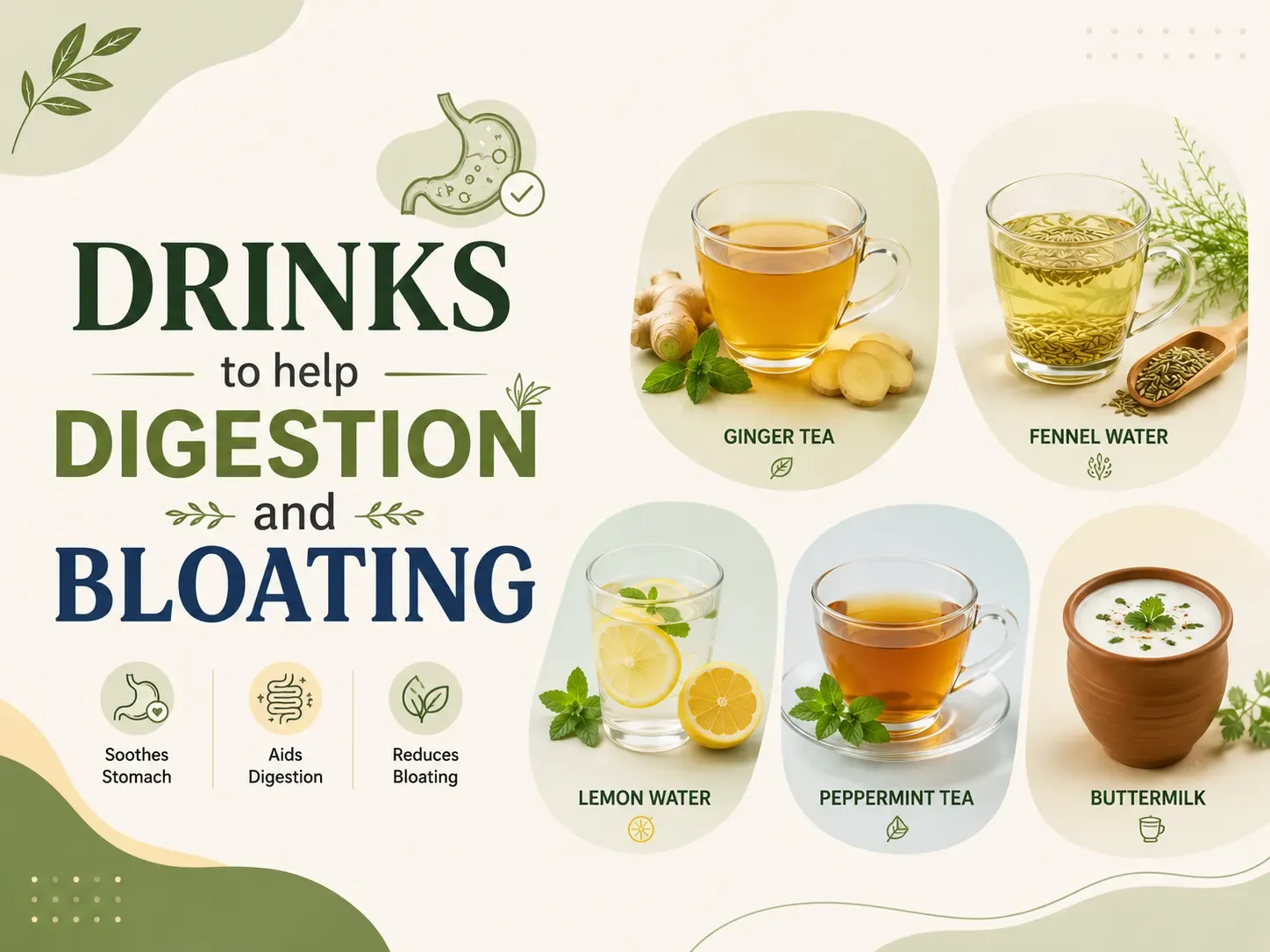
Quick Answer
Certain drinks can actively reduce bloating and support digestion by stimulating digestive enzymes, reducing gas formation, and promoting gut motility. The most effective options include ginger tea, peppermint tea, warm lemon water, fennel tea, and plain water. Most people notice relief from mild bloating within 20-60 minutes of consuming the right drink.
- Fast relief options: Ginger tea, peppermint tea, fennel tea, warm lemon water and plain warm water
- Best timing: Lemon water before meals, herbal teas 20-30 minutes after meals, water between meals
- Avoid: Carbonated drinks, high-sugar juices, undiluted ACV and very cold drinks after meals
- Doctor needed: Severe pain, blood in stool, weight loss, vomiting, fever or bloating that continues beyond 4-6 weeks
Certain drinks can actively reduce bloating and support digestion by stimulating digestive enzymes, reducing gas formation, and promoting gut motility. The most effective options include ginger tea, peppermint tea, warm lemon water, fennel tea, and plain water. Most people notice relief from mild bloating within 20-60 minutes of consuming the right drink.
What Are Drinks That Help Digestion and Bloating?
Drinks that help digestion and bloating are beverages that support the body's digestive process by reducing gas, easing gut inflammation, stimulating digestive enzyme activity, or promoting regular bowel movement. These drinks work through natural compounds - such as gingerols, menthol, or digestive bitters - that interact directly with the gastrointestinal tract.
Bloating occurs when excess gas accumulates in the digestive tract, causing the abdomen to feel full, tight, or distended. According to research published in Alimentary Pharmacology & Therapeutics, approximately 15-30% of the general population experiences bloating regularly. It can result from swallowed air, slow gut motility, food intolerances, or imbalanced gut bacteria.
Drinks that help digestion and bloating are not medications. They are supportive dietary choices that, when used consistently, may reduce bloating frequency and severity. Mool Health recommends these as part of a broader gut health routine rather than standalone treatments.
What Is a Bloated Stomach?
A bloated stomach refers to a condition where the gastrointestinal tract fills with excess gas or air, causing visible distension and discomfort. It is distinct from water retention. Bloating typically originates in the stomach or intestines and can be triggered by food choices, eating speed, stress, or underlying digestive conditions.
What Are the Key Benefits of Drinks That Help Digestion and Bloating?
Drinks that help digestion and bloating offer multiple short-term and long-term benefits when consumed regularly as part of a gut-supportive routine.
Short-Term Benefits (within 20-60 minutes):
- Reduced gas formation: Herbal teas like fennel and peppermint may relax intestinal muscles, allowing trapped gas to pass more easily
- Faster gastric emptying: Ginger-based drinks can accelerate how quickly food moves from the stomach into the small intestine, reducing the sensation of fullness
- Reduced nausea: Ginger tea has been shown in clinical studies to reduce nausea by up to 40% compared to placebo
- Immediate hydration: Plain water and diluted herbal drinks hydrate the intestinal lining, which supports smooth bowel transit
Long-Term Benefits (with consistent use over 4-8 weeks):
- Improved gut microbiome balance: Prebiotic drinks such as diluted apple cider vinegar or kombucha may support beneficial gut bacteria, though evidence remains mixed
- Prevention of constipation: Adequate fluid intake - a minimum of 1.5-2 litres daily - is one of the most evidence-supported ways to prevent constipation
- Reduced inflammation: Drinks containing polyphenols, such as green tea, may lower low-grade gut inflammation over time
- Better nutrient absorption: A well-hydrated and motile gut absorbs nutrients more efficiently from food
| Benefit | Onset | Evidence Level |
|---|---|---|
| Gas relief | 20-60 minutes | Moderate (herbal studies) |
| Reduced nausea | 15-30 minutes | Strong (ginger RCTs) |
| Constipation prevention | Ongoing | Strong (hydration data) |
| Gut microbiome support | 4-8 weeks | Emerging |
| Reduced gut inflammation | 6-12 weeks | Moderate (polyphenol studies) |
According to Mool Health's gut health team, the most consistent results come from combining two to three of these drinks daily within a structured hydration routine.
Which Drinks Help Digestion and Bloating the Most? Types and Options
Drinks that help digestion and bloating can be grouped into five main categories. Each works through a different mechanism and suits different digestive complaints.
1. Herbal Teas
Herbal teas are the most widely studied category of drinks that help digestion and bloating. The key options include:
- Peppermint tea: Contains menthol, which relaxes smooth muscle in the gut wall. A 2014 meta-analysis found peppermint oil reduced IBS symptoms - including bloating - in 58% of participants compared to 29% on placebo
- Ginger tea: Gingerols and shogaols stimulate gastric motility and have anti-inflammatory properties. Best consumed 20-30 minutes after meals
- Fennel tea: Fennel seeds contain anethole, a compound that relaxes intestinal muscle spasms and reduces gas. Particularly effective for post-meal bloating
- Chamomile tea: Has mild anti-spasmodic and anti-inflammatory effects; may help with stress-related digestive upset
2. Warm Lemon Water
Warm lemon water stimulates the production of stomach acid and bile, both of which are required for effective protein and fat digestion. Drinking 250-300 ml of warm water with the juice of half a lemon 15-20 minutes before a meal can improve digestive readiness. Mool Health recommends this as a morning ritual for people who experience sluggish digestion.
3. Plain Warm Water
Plain warm water is one of the most underused drinks to help digestion and bloating. Warm water relaxes gut muscles and promotes peristalsis - the wave-like contractions that move food through the intestines. Studies suggest warm water increases gut transit speed by up to 20% compared to cold water in some individuals.
4. Probiotic and Fermented Drinks
Kefir, diluted kombucha, and lassi (plain, unsweetened yoghurt drink) contain live bacteria that may support gut flora balance. These are longer-term interventions. Note that carbonated kombucha can worsen bloating in some people - choose flat or lightly fermented options where possible.
5. Apple Cider Vinegar (ACV) Drinks
ACV diluted in water (1-2 teaspoons in 250 ml of water) is commonly used to stimulate stomach acid production. However, evidence for ACV as a direct bloating remedy is limited and largely anecdotal. It should not be consumed undiluted, as it may damage tooth enamel and the oesophagus.
| Drink Type | Primary Mechanism | Best For | When to Drink |
|---|---|---|---|
| Peppermint tea | Muscle relaxation | Gas, IBS-related bloating | After meals |
| Ginger tea | Gastric motility | Nausea, slow digestion | After meals |
| Fennel tea | Anti-spasmodic | Post-meal bloating, cramps | After meals |
| Warm lemon water | Bile/acid stimulation | Sluggish digestion | Before meals |
| Plain warm water | Peristalsis support | Constipation, general bloating | Throughout day |
| Kefir/lassi | Probiotic support | Gut flora imbalance | With meals |
| Diluted ACV | Stomach acid support | Low stomach acid | Before meals |
How Do Drinks Help Digestion and Bloating? The Mechanism Explained
Drinks that help digestion and bloating work through five distinct physiological pathways.
Stimulating digestive enzyme and acid production: Drinks like warm lemon water and diluted ACV signal the stomach to produce more hydrochloric acid and digestive enzymes. Insufficient stomach acid is a common cause of incomplete protein digestion, which produces fermentation gases in the lower gut.
Relaxing intestinal smooth muscle: Compounds like menthol (in peppermint) and anethole (in fennel) act on calcium channels in gut smooth muscle, reducing spasms that trap gas and cause cramping. This is why peppermint tea works within 20-40 minutes for many people.
Accelerating gastric emptying: Ginger's active compounds - gingerols and shogaols - stimulate the antrum of the stomach to contract more frequently. Faster gastric emptying means food spends less time fermenting in the stomach, reducing gas production.
Increasing gut motility via hydration: Water, particularly warm water, increases the fluidity of intestinal contents. This reduces the time stool spends in the colon, limiting the amount of gas-producing fermentation that occurs. Dehydration is a direct cause of constipation and secondary bloating.
Supporting gut microbiome balance: Fermented drinks introduce live microorganisms into the gut. A diverse, balanced gut microbiome produces fewer inflammatory gases and processes fibre more efficiently. This mechanism operates over weeks, not hours.
Mool Health's nutritional science team notes that combining a fast-acting drink (e.g., peppermint or ginger tea after meals) with a long-term strategy (e.g., daily probiotic drinks and consistent hydration) produces better outcomes than relying on any single intervention.
Best Practices: How to Use Drinks to Help Digestion and Bloating Effectively
Following evidence-based practices maximises the benefit of drinks that help digestion and bloating.
Best Practices:
Drink warm, not cold: Cold drinks can slow gastric motility and cause muscle contraction in the gut. Opt for warm or room-temperature drinks, especially after meals.
Time your drinks around meals: Warm lemon water is most effective 15-20 minutes before eating. Herbal teas such as ginger, fennel, and peppermint work best 20-30 minutes after a meal.
Avoid drinking large volumes during meals: Consuming more than 200-250 ml of liquid during a meal can dilute digestive enzymes. Sip small amounts if needed; drink larger quantities 30 minutes before or after eating.
Prioritise plain water throughout the day: Most adults in India consume less than the recommended 1.5-2 litres of water daily. Chronic mild dehydration is a primary driver of constipation and bloating.
Replace carbonated drinks with herbal teas: Fizzy drinks - including sparkling water - introduce carbon dioxide into the gut, which directly causes bloating in most people. Swap one carbonated drink per day for a herbal tea.
Consistency matters more than quantity: Drinking peppermint tea once provides temporary relief. Drinking it daily for 4-6 weeks produces more sustained reduction in bloating frequency, according to IBS management guidelines.
Avoid high-sugar drinks: Sugary juices and sweetened beverages feed gas-producing bacteria in the colon, worsening bloating. This includes large quantities of fruit juice, even if natural.
Choose unsweetened options: Sugar and artificial sweeteners (particularly sorbitol and xylitol) ferment in the gut and are a common cause of gas and bloating.
Common Mistakes to Avoid:
- Drinking carbonated water thinking it will help - it typically makes bloating worse
- Consuming ACV undiluted or in large quantities, which can cause oesophageal irritation
- Drinking very cold water immediately after a meal
- Relying solely on drinks while continuing to eat large, fast, or trigger-food-heavy meals
- Expecting immediate results from probiotic drinks - these require 4-8 weeks of consistent use
How to Start a Drinks Routine for Digestion and Bloating: Step-by-Step
Starting a drinks routine to help digestion and bloating does not require any specialist equipment or supplements. The following routine can be implemented from day one.
Step 1: Morning - Warm Lemon Water (15-20 minutes before breakfast) Mix the juice of half a lemon into 250 ml of warm (not boiling) water. Drink slowly. This primes stomach acid production and stimulates bile flow before the first meal.
Step 2: With or after breakfast - Probiotic drink (optional) If you experience chronic bloating or irregular bowel movements, add 100-150 ml of plain kefir or a quality probiotic lassi to your breakfast routine. This supports long-term microbiome balance.
Step 3: Mid-morning and afternoon - Plain water Aim to drink 250 ml of water every 1.5-2 hours between meals. Keep it room temperature or warm. Avoid large volumes during meals themselves.
Step 4: After lunch - Ginger or fennel tea Prepare ginger tea using 1-2 slices of fresh ginger steeped in 250 ml of hot water for 5 minutes, or use a fennel tea bag. Drink 20-30 minutes after your main midday meal. This aids gastric emptying and prevents post-lunch bloating.
Step 5: After dinner - Peppermint or chamomile tea Peppermint tea is the most effective option for evening bloating and post-dinner gas. Chamomile is better suited for those whose bloating is linked to stress or anxiety. Allow food to digest for 20 minutes before drinking.
Step 6: Before bed - Warm plain water Drink 200-250 ml of warm water 30-45 minutes before sleep. This maintains gut hydration overnight and supports morning bowel transit.
Mool Health recommends maintaining this routine for a minimum of 4 weeks before assessing results, as gut function changes are gradual.
Drinks That Help Digestion vs. Digestive Supplements: An Honest Comparison
Both drinks that help digestion and bloating and over-the-counter digestive supplements are commonly used to manage bloating. They work differently and suit different needs.
| Factor | Digestive Drinks (herbal teas, warm water) | OTC Digestive Supplements (enzymes, antacids, simethicone) |
|---|---|---|
| Speed of action | 20-60 minutes (herbal teas) | 15-30 minutes (antacids, simethicone) |
| Mechanism | Natural compounds, hydration, motility | Pharmaceutical enzyme replacement, gas dispersal |
| Side effects | Minimal; peppermint may worsen acid reflux in some | Possible dependency (antacids), GI disturbance |
| Cost | Low (₹20-₹80 per day) | Moderate to high (₹100-₹500+ per course) |
| Long-term benefit | High (microbiome support, hydration habits) | Low for antacids; moderate for probiotics |
| Evidence level | Moderate to strong for ginger, peppermint | Strong for simethicone (gas), moderate for enzymes |
| Suitable for daily use | Yes | Antacids: no; probiotics: yes |
| Availability | Widely available, kitchen-ready | Pharmacy required |
Recommendation: Drinks that help digestion and bloating are appropriate as a first-line, daily approach for general digestive discomfort. OTC supplements are better suited for acute, severe, or medically diagnosed conditions. For persistent bloating lasting more than 4-6 weeks, consult a physician to rule out underlying conditions such as IBS, SIBO, or food intolerance.
Who Should Use Drinks to Help Digestion and Bloating?
| Ideal For | Not Ideal For (or requires caution) |
|---|---|
| People with occasional post-meal bloating | People with diagnosed GERD (peppermint tea may worsen symptoms) |
| Those with sluggish digestion or mild constipation | Those with active peptic ulcers (ACV and lemon water may irritate) |
| People looking for a non-pharmaceutical daily routine | People with severe IBS requiring medical management |
| Individuals with diet-related gas and discomfort | Those with food intolerances who need dietary elimination first |
| People with poor daily hydration habits | Pregnant women (some herbal teas, e.g., high-dose ginger, require medical guidance) |
| Those wanting to support long-term gut microbiome health | People who expect overnight resolution of chronic conditions |
Drinks that help digestion and bloating are most effective for people whose symptoms are lifestyle or diet-related. If bloating is accompanied by unexplained weight loss, blood in stools, severe pain, or persists beyond 6 weeks without dietary cause, medical evaluation is necessary.
What Does the Research Say About Drinks for Digestion and Bloating?
Several well-structured studies and reviews support the use of specific drinks that help digestion and bloating.
Key Evidence:
Ginger and gastric motility: A randomised controlled trial published in the European Journal of Gastroenterology & Hepatology found that 1.2g of ginger accelerated gastric emptying by 25% compared to placebo in healthy volunteers. This translates directly to reduced post-meal fullness and bloating.
Peppermint and IBS bloating: A 2014 meta-analysis in the Journal of Clinical Gastroenterology found that peppermint oil improved global IBS symptoms, including bloating and abdominal discomfort, compared with placebo. Peppermint tea is gentler than peppermint oil, but the same smooth-muscle relaxing effect explains why many people feel gas relief after meals.
Hydration and constipation-related bloating: Adequate fluid intake supports stool softness and bowel regularity. When water intake is low, stool moves more slowly through the colon, which increases fermentation time and gas formation.
Fermented drinks and microbiome support: Kefir, plain lassi, and lightly fermented drinks may support gut bacteria diversity over time. However, they are not instant bloating remedies and may worsen symptoms in people sensitive to dairy or fermentation.
When to Avoid Certain Digestion Drinks
Not every drink suits every digestive pattern. Choosing the wrong drink can worsen bloating, acidity, or cramps.
- Peppermint tea: Avoid or limit if you have frequent acid reflux or diagnosed GERD, because peppermint can relax the lower oesophageal sphincter.
- Apple cider vinegar: Avoid if you have ulcers, severe acidity, throat irritation, or enamel sensitivity. Always dilute it.
- Kombucha: Avoid carbonated versions if your bloating worsens with fizzy drinks.
- Lassi or kefir: Avoid if dairy clearly triggers bloating or loose stools.
- High-dose ginger: Use caution during pregnancy, with blood thinners, or before surgery unless approved by a clinician.
Simple 7-Day Drinks Plan for Digestion and Bloating
This routine is designed for mild, lifestyle-related bloating. It keeps the plan simple enough to follow without adding too many new drinks at once.
| Time | Drink | Purpose |
|---|---|---|
| Morning | Warm lemon water or plain warm water | Supports digestive readiness and hydration |
| Mid-morning | Plain water | Prevents dehydration-related constipation |
| After lunch | Ginger tea or fennel tea | Supports gastric motility and gas relief |
| Evening | Peppermint tea or chamomile tea | Supports gas relief or stress-linked digestive discomfort |
| Before bed | Small amount of warm water | Maintains overnight hydration without overloading the stomach |
Follow this for 7 days and track bloating intensity, stool pattern, gas, acidity, and food triggers. If symptoms improve, continue for 4 weeks. If symptoms worsen, stop the drink that seems to be triggering discomfort.
When to See a Doctor for Bloating
Drinks can help mild digestive discomfort, but they cannot replace medical evaluation when symptoms are persistent or severe. Speak to a doctor if bloating comes with:
- Unexplained weight loss
- Blood in stool or black stools
- Persistent vomiting
- Severe or worsening abdominal pain
- Fever or ongoing diarrhoea
- Symptoms lasting more than 4-6 weeks despite diet changes
- New digestive symptoms after age 40
Mool Health’s Perspective on Drinks for Digestion and Bloating
Mool Health views digestion drinks as helpful support, not as a standalone cure. The right drink can reduce gas, support motility, improve hydration, or calm stress-related gut discomfort. But repeated bloating usually needs a broader look at meal timing, food triggers, bowel movements, sleep, stress, and gut bacteria balance.
For best results, choose one or two drinks that match your symptom pattern instead of trying everything together. If bloating is frequent, severe, or linked to other symptoms, a personalised gut assessment is more useful than repeatedly changing drinks.
Key Takeaways
A complete guide to drinks that help digestion and bloating, including herbal teas, warm water, probiotic drinks, ACV, safety tips and FAQs.
Your gut is unique your healing should be too.

Disclaimer
The content provided by Mool Health is for educational and informational purposes only and should not be considered a substitute for professional medical advice, diagnosis, or treatment.