
Bloating Meaning in Bengali: A Complete Guide
A Bengali-focused guide explaining bloating meaning, পেট ফাঁপা, causes, types, symptoms, relief steps, timeline and warning signs.
Quick Answer
পেট ফাঁপা (pet phapa) - that is the primary Bengali meaning of bloating. Bloating refers to a condition where the abdomen feels full, tight, or swollen due to excess gas or fluid buildup in the digestive tract. It is one of the most commonly reported digestive complaints in India, affecting an estimated 16-31% of the general population at any given time.
What Is Bloating Meaning in Bengali? A Complete Guide
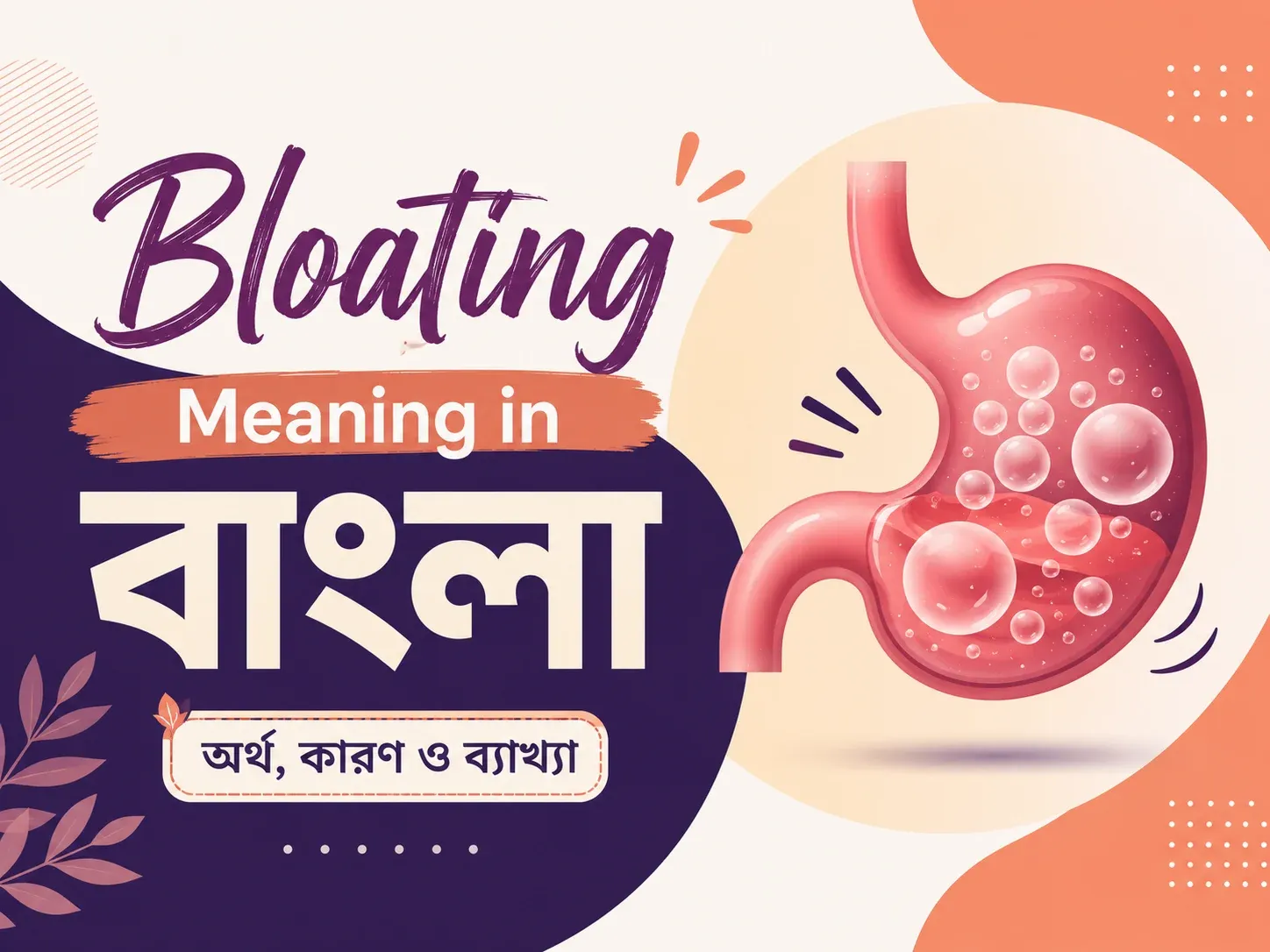
Bloating meaning in Bengali is পেট ফাঁপা (pet phapa) or পেট ফোলা (pet phola). Both terms describe the uncomfortable sensation of abdominal fullness, tightness, or visible swelling caused by trapped gas, excess fluid, or slow digestion in the stomach and intestines.
In everyday Bengali conversation, people may also use:
- পেট ভার লাগা (pet bhar laga) - feeling of heaviness in the stomach
- গ্যাস হওয়া (gas howa) - having gas
- পেট ফুলে যাওয়া (pet phule jaoa) - stomach swelling up
- বদহজম (badhajam) - indigestion, often used interchangeably when bloating is caused by poor digestion
The English term "bloating" maps most precisely to পেট ফাঁপা in standard Bengali medical and conversational usage. Stomach bloating meaning in Bengali and abdominal bloating meaning in Bengali both refer to the same term - পেট ফাঁপা - with the distinction that abdominal bloating may also involve visible distension of the belly, referred to as উদর স্ফীতি (udar sphiti) in formal clinical Bengali.
Key Bengali vocabulary at a glance:
| English Term | Bengali Term | Transliteration |
|---|---|---|
| Bloating | পেট ফাঁপা | Pet phapa |
| Stomach bloating | পেট ফোলা | Pet phola |
| Abdominal bloating | উদর স্ফীতি | Udar sphiti |
| Gas / Flatulence | গ্যাস | Gas |
| Indigestion | বদহজম | Badhajam |
| Heaviness in stomach | পেট ভার | Pet bhar |
According to Mool Health's digestive health team, understanding the Bengali meaning of bloating - পেট ফাঁপা - is the first step toward identifying the correct cause and choosing the right course of action.
How Does Bloating Work? The Complete Mechanism Explained
Bloating (পেট ফাঁপা) occurs when excess gas, air, or fluid accumulates inside the gastrointestinal (GI) tract - specifically the stomach, small intestine, or large intestine.
The step-by-step process:
- Food enters the stomach. Digestion begins with stomach acid and enzymes breaking down food.
- Bacteria ferment undigested food. When certain carbohydrates - particularly FODMAPs (fermentable oligosaccharides, disaccharides, monosaccharides, and polyols) - are not fully absorbed in the small intestine, they reach the large intestine where gut bacteria ferment them.
- Gas is produced. Bacterial fermentation releases hydrogen, carbon dioxide, and sometimes methane. This gas distends the intestinal walls.
- Motility slows. If the intestines are slow to move gas along - due to stress, diet, or gut sensitivity - gas accumulates, causing the sensation of পেট ফাঁপা.
- The abdomen distends. In some individuals, the abdominal muscles relax outward in response to internal pressure, causing visible stomach bloating - পেট ফোলা.
Why bloating feels worse in the evening: Gas typically accumulates over the course of a day's eating, meaning পেট ফাঁপা often peaks by evening, even if it began mildly in the morning.
Mool Health's clinical team notes that visceral hypersensitivity - where the gut nerves are more sensitive than average - can make even normal amounts of gas feel like significant পেট ফাঁপা.
What Causes Bloating (পেট ফাঁপা)? Common Triggers
Stomach bloating meaning in Bengali - পেট ফাঁপা - can result from dietary, lifestyle, or underlying medical causes. Research suggests that in approximately 75% of cases, bloating is linked to functional gut issues rather than structural disease.
Dietary causes:
- Eating gas-producing foods: lentils (ডাল), cabbage, cauliflower, onions, beans
- Swallowing air while eating quickly or drinking carbonated beverages
- Consuming excess lactose (milk sugar) in lactose-intolerant individuals - affects an estimated 60-70% of South Asians
- High intake of refined carbohydrates and maida-based foods
- Overeating in a single sitting, which slows gastric emptying
Lifestyle causes:
- Eating too fast without chewing properly
- Sedentary behaviour after meals - reduces gut motility by up to 30%
- High stress levels, which disrupt the gut-brain axis and slow digestion
- Disrupted sleep, which impairs gut microbiome function
Medical causes (less common but important):
- Irritable Bowel Syndrome (IBS) - affects 4-9% of the Indian population
- Small Intestinal Bacterial Overgrowth (SIBO)
- Gastroparesis (delayed stomach emptying)
- Celiac disease or non-celiac gluten sensitivity
- Hypothyroidism, which slows all metabolic processes including digestion
Common mistake to avoid: Many people confuse পেট ফাঁপা (bloating) with weight gain. Bloating is a temporary functional condition - it typically resolves within hours to a day. Persistent bloating lasting more than 3 weeks warrants medical evaluation.
Types of Bloating: Which Kind Are You Experiencing?
Understanding the type of পেট ফাঁপা you have helps determine the correct response. Mool Health categorises abdominal bloating meaning in Bengali into three primary types:
| Type | Bengali Term | Main Cause | Typical Duration |
|---|---|---|---|
| Gas bloating | গ্যাস থেকে পেট ফাঁপা | Fermentation, swallowed air | 2-6 hours |
| Fluid retention bloating | জল জমা থেকে পেট ফোলা | Hormonal changes, excess sodium | 1-3 days |
| Functional bloating (IBS) | IBS-জনিত পেট ফাঁপা | Gut sensitivity, motility issues | Recurring |
Gas Bloating (গ্যাস থেকে পেট ফাঁপা)
This is the most common form of পেট ফাঁপা. It results directly from fermentation of food in the colon. It typically resolves on its own within a few hours and may be accompanied by belching (ঢেঁকুর) or flatulence.
Fluid Retention Bloating (পেট ফোলা)
This type involves water retention rather than gas. It is more common in women around their menstrual cycle - studies suggest up to 73% of women experience this form of পেট ফোলা premenstrually. High-sodium diets and certain medications can also cause it.
Functional or IBS-Related Bloating
In IBS, bloating (পেট ফাঁপা) is a chronic, recurring symptom linked to gut hypersensitivity and dysbiosis. This type requires a more structured dietary and medical management plan.
How to Get Relief from Bloating (পেট ফাঁপা): Step-by-Step Guide
The following steps address stomach bloating meaning in Bengali - পেট ফাঁপা - across its most common triggers. Results may vary depending on the underlying cause.
Immediate relief steps:
- Walk for 10-15 minutes. Light physical movement stimulates intestinal motility and can help move trapped gas within 20-30 minutes.
- Apply gentle heat. A warm compress or hot water bottle on the abdomen can relax intestinal muscles and reduce the sensation of পেট ফাঁপা.
- Try peppermint tea or ajwain (carom seeds) water. Both have antispasmodic properties and can reduce gas pressure. Ajwain water - a traditional Bengali and South Asian remedy - may reduce bloating symptoms within 30-60 minutes in many individuals.
- Avoid carbonated drinks. Carbonation introduces additional CO₂ into the GI tract, worsening gas-related পেট ফাঁপা.
- Adopt the knee-to-chest yoga pose (Pawanmuktasana). This posture physically aids the expulsion of trapped gas from the intestines.
Dietary adjustments for prevention:
- Reduce FODMAP foods gradually. Foods like raw onion, garlic, lentils, and wheat are common triggers of পেট ফাঁপা in sensitive individuals. A low-FODMAP elimination trial for 4-6 weeks may reduce bloating episodes by up to 50-80% in IBS patients.
- Eat smaller, more frequent meals. Large meals overwhelm gastric capacity and slow emptying.
- Chew each bite 20-30 times. Thorough chewing reduces the volume of undigested material reaching the colon.
- Limit sodium intake to under 2,300 mg/day to prevent fluid retention-type পেট ফোলা.
- Stay hydrated. Drinking 2-2.5 litres of water daily supports gut motility and reduces constipation, a major driver of পেট ফাঁপা.
Common mistakes to avoid:
Taking antacids for every episode of পেট ফাঁপা - antacids reduce stomach acid, which may impair digestion over time. Skipping meals to avoid bloating - this often worsens gut dysbiosis. Self-diagnosing and avoiding all lentils/vegetables - fibre is essential for gut health; remove only confirmed trigger foods.
Bloating in Bengali Sentences: Real-World Usage Examples
Understanding how পেট ফাঁপা is used in context helps in communicating the condition accurately - to doctors, family members, or when reading Bengali health information.
Example sentences:
"আমার পেট ফাঁপছে এবং অস্বস্তি লাগছে।" (Amar pet phapche ebong oshosti lagche.) "My stomach is bloated and I feel uncomfortable."
"ডাল খাওয়ার পর আমার সবসময় পেট ফাঁপে।" (Dal khawar por amar sobsomoy pet phape.) "After eating lentils, I always get bloating."
"পেট ফোলা এবং গ্যাসের সমস্যায় কী করা উচিত?" (Pet phola ebong gaser somoshay ki kora uchit?) "What should be done for stomach bloating and gas?"
"তার পেটে ফাঁপা ধরেছে, তাই সে ঠিকমতো খেতে পারছে না।" (Tar pete phapa dhoreche, tai se thikamoto khete parche na.) "She has bloating, so she is unable to eat properly."
These examples reflect how the meaning of bloating in Bengali - পেট ফাঁপা - appears in everyday health conversations across West Bengal and Bangladesh.
Bloating vs. Related Conditions: An Honest Comparison
Stomach bloating meaning in Bengali (পেট ফাঁপা) is often confused with other digestive conditions. The comparison below clarifies the distinctions.
| Condition | Bengali Term | Key Symptom | Main Difference from Bloating |
|---|---|---|---|
| Bloating | পেট ফাঁপা | Fullness, gas, distension | Core condition being defined |
| Indigestion | বদহজম | Discomfort after eating, heaviness | No necessarily involves gas |
| Acidity / GERD | অ্যাসিডিটি | Burning in chest/throat | Acid reflux, not primarily gas |
| Constipation | কোষ্ঠকাঠিন্য | Difficulty passing stool | Stool retention, may cause secondary bloating |
| IBS | আইবিএস | Recurring pain, altered bowel habits | Chronic disorder; bloating is a symptom |
| Gastritis | গ্যাস্ট্রাইটিস | Upper stomach pain, nausea | Stomach lining inflammation |
Key takeaway: পেট ফাঁপা (bloating) can occur independently or as a symptom of বদহজম, IBS, or গ্যাস্ট্রাইটিস. Treating the underlying condition typically resolves bloating. According to Mool Health's clinical advisors, misidentifying পেট ফাঁপা as simple acidity is one of the most common diagnostic errors in self-managed gut health.
What to Expect: Bloating Relief Timeline
The speed of relief from পেট ফাঁপা depends on the cause and the intervention used. Mool Health provides the following general expectations:
| Timeframe | What Typically Happens |
|---|---|
| Within 30-60 minutes | Gas-related bloating may reduce with walking, ajwain water, or peppermint tea |
| Within 2-4 hours | Most acute gas bloating (পেট ফাঁপা) resolves naturally without intervention |
| Within 1-3 days | Fluid retention bloating (পেট ফোলা) improves with reduced sodium and adequate hydration |
| Within 2-4 weeks | Dietary changes (e.g., reducing FODMAP triggers) begin showing consistent results |
| Within 4-8 weeks | Probiotic supplementation and gut microbiome rebalancing show measurable improvement in chronic bloating |
| 3-6 months | Structural lifestyle changes (diet, stress management, sleep) produce lasting reduction in recurring পেট ফাঁপা episodes |
Factors that affect results: pre-existing conditions (IBS, SIBO, hypothyroidism), baseline gut microbiome health, dietary compliance, stress levels, and individual gut sensitivity.
If পেট ফাঁপা persists for more than 3 weeks, recurs daily, or is accompanied by unexplained weight loss, blood in stool, or severe pain, seek medical evaluation promptly.
Expert Tips and Best Practices for Managing Bloating (পেট ফাঁপা)
Mool Health's gut health team recommends the following evidence-informed practices for reducing পেট ফাঁপা frequency and severity:
Dietary best practices:
- Eat cooked vegetables over raw ones - cooking breaks down cell walls, reducing fermentable fibre and gas production by approximately 30-40%.
- Introduce high-fibre foods gradually - sudden increases in fibre intake are a leading cause of acute পেট ফাঁপা.
- Use digestive spices in cooking - jeera (cumin), ajwain (carom), and ginger have clinically observed carminative (gas-reducing) properties.
- Limit artificial sweeteners - sorbitol and xylitol, found in sugar-free products, are among the most potent FODMAP triggers for পেট ফাঁপা.
Lifestyle best practices:
- Do not lie down immediately after meals - wait at least 2 hours; horizontal positioning slows gastric emptying and promotes gas accumulation.
- Manage stress actively - the gut-brain axis is bi-directional. Chronic stress measurably slows gut motility. Practices such as 10 minutes of diaphragmatic breathing daily can reduce IBS-related পেট ফাঁপা episodes.
- Maintain a consistent meal schedule - irregular eating disrupts circadian rhythms and can worsen gas movement, constipation, and recurring পেট ফাঁপা.
- Walk for 10-15 minutes after meals - light movement improves gut motility and helps trapped gas move forward naturally.
- Track personal triggers - keep a 7-day food and symptom diary to identify whether lentils, dairy, wheat, onions, stress, or late meals worsen bloating.
When to seek medical help: Do not ignore bloating if it is severe, daily, worsening, or linked with vomiting, blood in stool, fever, unexplained weight loss, or persistent constipation.
Understand Your পেট ফাঁপা Pattern
If bloating, gas, constipation, or stomach heaviness keeps repeating, start by understanding your gut pattern instead of guessing with home remedies.
Key Takeaways
A Bengali-focused guide explaining bloating meaning, পেট ফাঁপা, causes, types, symptoms, relief steps, timeline and warning signs.
Your gut is unique your healing should be too.

FAQs
Bloating meaning in Bengali is পেট ফাঁপা (pet phapa) or পেট ফোলা (pet phola). It means the abdomen feels full, tight, swollen, or distended due to gas, fluid, or slow digestion.
Stomach bloating meaning in Bengali is পেট ফাঁপা or পেট ফোলা. It refers to stomach fullness, heaviness, gas pressure, or visible swelling after eating.
Abdominal bloating meaning in Bengali is উদর স্ফীতি or পেট ফাঁপা. It describes swelling or distension in the belly area caused by gas, fluid, or digestive slowdown.
Not exactly. Gas means air or gas formation in the digestive tract, while পেট ফাঁপা means the abdomen feels full, swollen, or tight because gas, food, or fluid is trapped.
Common triggers include lentils, beans, cabbage, cauliflower, onion, milk in lactose-sensitive people, maida-based foods, carbonated drinks, artificial sweeteners, and large heavy meals.
You can reduce bloating by eating slowly, walking after meals, drinking warm water, avoiding carbonated drinks, identifying trigger foods, managing stress, and treating constipation early.
See a doctor if bloating lasts more than 3 weeks, happens daily, worsens over time, or comes with severe pain, vomiting, fever, blood in stool, or unexplained weight loss.
Disclaimer
The content provided by Mool Health is for educational and informational purposes only and should not be considered a substitute for professional medical advice, diagnosis, or treatment.