
Leaky Gut Syndrome: Symptoms, Causes, & Treatment
Leaky gut syndrome affects intestinal lining and may cause digestive issues like bloating, gas, and discomfort. Learn symptoms, causes, management, and diet tips.
Quick Answer
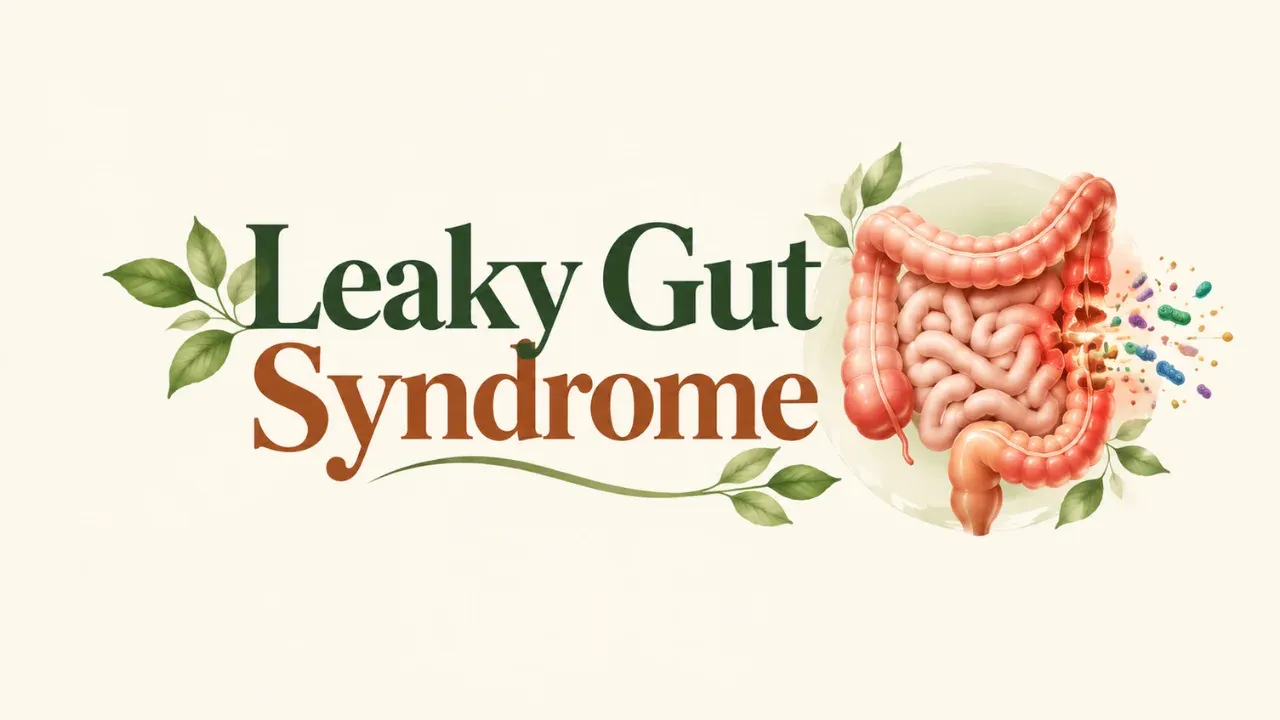
Leaky gut syndrome is a digestive condition in which the lining of the small intestine becomes damaged. This causes the tight junctions between intestinal cells to loosen, allowing undigested food particles, pathogens, and microbial products such as LPS to pass through. It triggers inflammation and immune reactions. Symptoms include bloating and gas, abdominal pain, and diarrhoea. Potential causes of leaky gut include poor diet and long-term use of NSAIDs such as ibuprofen. It could also be the consequence of certain health disorders such as Inflammatory Bowel Disease (IBD), Irritable Bowel Syndrome (IBS), and Celiac disease.
Have you ever experienced symptoms such as bloating, gas, or unexplained stomach discomfort that appeared suddenly? If yes, you may have confused their causes with stress and an unhealthy lifestyle. They could be the reason for your stomach problems, but sometimes problems come from the place we least expect: Gut Health. One digestive issue is leaky gut syndrome, which affects your gut's overall health. This article will explain everything you need to know about what leaky gut syndrome is, including its symptoms, causes and treatment in detail.
What Is Leaky Gut?
Leaky gut, also known as increased intestinal permeability, is a condition in which the lining of your intestines becomes extremely damaged. Our intestines filter the food we eat, absorb nutrients, and block harmful substances from entering. A tiny hole in the intestinal wall can enlarge over time, allowing unwanted toxins and germs to pass through easily.
What Are the Symptoms of Leaky Gut Syndrome?
While everyone experiences digestive upset differently, true intestinal lining issues typically present as lower digestive tract irregularities. However, some common overlapping symptoms you may notice include:
- Diarrhoea
- Painful indigestion
- Gas and bloating
- Low energy levels
A burning sensation and pain in the upper abdomen are typically secondary to upper GI imbalances or concurrent conditions, rather than primary symptoms of a compromised lower intestinal wall.
These are symptoms you may experience with intestinal permeability, but they are also common in other conditions, such as gastric conditions. You should visit your doctor to understand the actual cause of the above symptoms, rather than mistaking them for acidity and managing the condition with over-the-counter medicine.
What Are the Causes of Leaky Gut?
The main cause of leaky gut syndrome is damaged intestinal lining. However, it may be caused by other severe health disorders such as:
- Irritable bowel syndrome (IBS)
- Overconsumption of NSAIDs
- Food infection
- Celiac and Crohn diseases
The current accepted clinical concept treats these autoimmune and systemic inflammatory diseases, such as Celiac disease and Crohn's disease as direct causes of the intestinal wall degradation.
Additionally, severe health conditions such as human Immunodeficiency Virus (HIV) and acquired immunodeficiency syndrome (AIDs) can weaken the immune system, which may lead to leaky gut syndrome. Long-term stress, poor diet, and certain infections, such as H. pylori, may also contribute to intestinal permeability.
When to See a Doctor for Leaky Gut?
While gas and bloating are common, they can lead you to self-treat the condition. However, you should skip managing the condition on your own and consult your doctor immediately. Below is the list of the symptoms you shouldn't ignore.
- Sudden weight loss
- Blood in the stool
- Severe abdominal pain
- Persistent fever
- Extreme burning sensation in the stomach
Diagnosis and Tests of Leaky Gut Syndrome
Since intestinal permeability isn't an official disease, there's no standard test for it. However, the tests mentioned below are currently being trialled by medical specialists to identify leaky gut syndrome.
1. Tissue Biopsy
In this procedure, a small sample of intestinal tissue is taken and studied in a laboratory. Researchers may use a device called a "Ussing chamber" to examine how substances like ions and water move through the intestinal lining. Increased movement can suggest that the intestinal barrier is weaker or more permeable than normal. This method is mainly used in research settings rather than standard medical testing.
2. Urine Test
In a urine test, you are asked to drink different types of sugars mixed with molecules. Now, many of them don't get absorbed by the intestines, but in a urine test, if any of them are found, you likely have a leaky gut.
3. Blood Test
The blood test checks for certain antibodies that are caused by gut infection and inflammation. High antibody levels mean your body is reacting to an infection or irritation in the digestive system.
4. Confocal Endoscopy
In confocal endoscopy, your doctor uses a flexible tube with a light to see your intestinal condition in high resolution. It shows if your intestines are damaged or have leaked.
Management & Treatment of Leaky Gut
Leaky gut syndrome doesn't have treatment options, as it occurs as a symptom of other medical disorders like IBS and celiac disease. Treating the condition that has been causing leaky gut is the actual way to manage the intestinal permeability. However, there are some management tips for leaky gut syndrome. They won't treat the condition, but it supports the condition while preventing it from getting worse.
Management tips include:
- Consume probiotics like yoghurt to support gut health and provide good bacteria to fight against the unhealthy ones
- Consume prebiotics, veggies, and fruits such as garlic, onions, bananas, apples, oats, flaxseeds, and cabbage to support gut health
- Avoid intake of refined high-carb foods like chocolates, bread, pasta, and sugary drinks, as they can encourage the growth of unhealthy bacteria
- Consume micronutrients, such as vitamins, and macronutrients, such as carbohydrates and protein, to provide your body with the energy it needs
What to Eat & Avoid for Leaky Gut Syndrome?
Understanding which foods are best for your gut during leaky gut syndrome will help you choose a diet that supports and speeds up recovery. The table below enlists which foods to focus on and which ones to avoid to help your gut heal.
| Food to Eat | Food to Avoid |
|---|---|
| Fermented foods such as kimchi, curds, dosa, and sauerkraut | Refined high-carb foods such as soda, candy, cereals, and condiments |
| High-fibre foods such as fruits, vegetables, legumes, whole grains, and oats | Processed foods such as chips, cheese, bread, and fast foods |
| Healthy fats such as olive oil, almonds, avocados, and nuts | Avoid alcohol and smoking, as they can also worsen the condition |
| Lean protein foods such as egg white, lentils, tofu, turkey, bone broth, and Greek yoghurt | Overconsumption of painkillers and drugs like NSAIDs |
Mool Health Perspective on Leaky Gut Syndrome
Mool Health is a gut-oriented brand that identifies the root cause of your stomach disorder and helps you choose the right treatment. Although leaky gut syndrome isn't a clinically recognised disease, it can cause stomach problems that persist even after treatment. Medicines can manage the condition, but if it isn't fixed, it may lead to other health issues. Taking the Mool Health gut test helps you understand the underlying cause of the condition. This is crucial, especially when you deal with chronic digestive issues.
People experience several stomach problems, such as bloating and gas, but doctors usually can't identify the exact cause. Often, it is due to gut inflammation rather than leaky gut syndrome, and vice versa. In many cases, the above-mentioned symptoms can be caused by poor diet and lifestyle choices, and a bad sleep cycle. The factors are numerous; hence, visiting your doctor and treating the condition effectively are important. Doctors will run the tests and perform physical examinations to determine the actual cause of your digestive condition.
Key Takeaways
Leaky gut syndrome affects intestinal lining and may cause digestive issues like bloating, gas, and discomfort. Learn symptoms, causes, management, and diet tips.
Your gut is unique your healing should be too.

Disclaimer
The content provided by Mool Health is for educational and informational purposes only and should not be considered a substitute for professional medical advice, diagnosis, or treatment.