
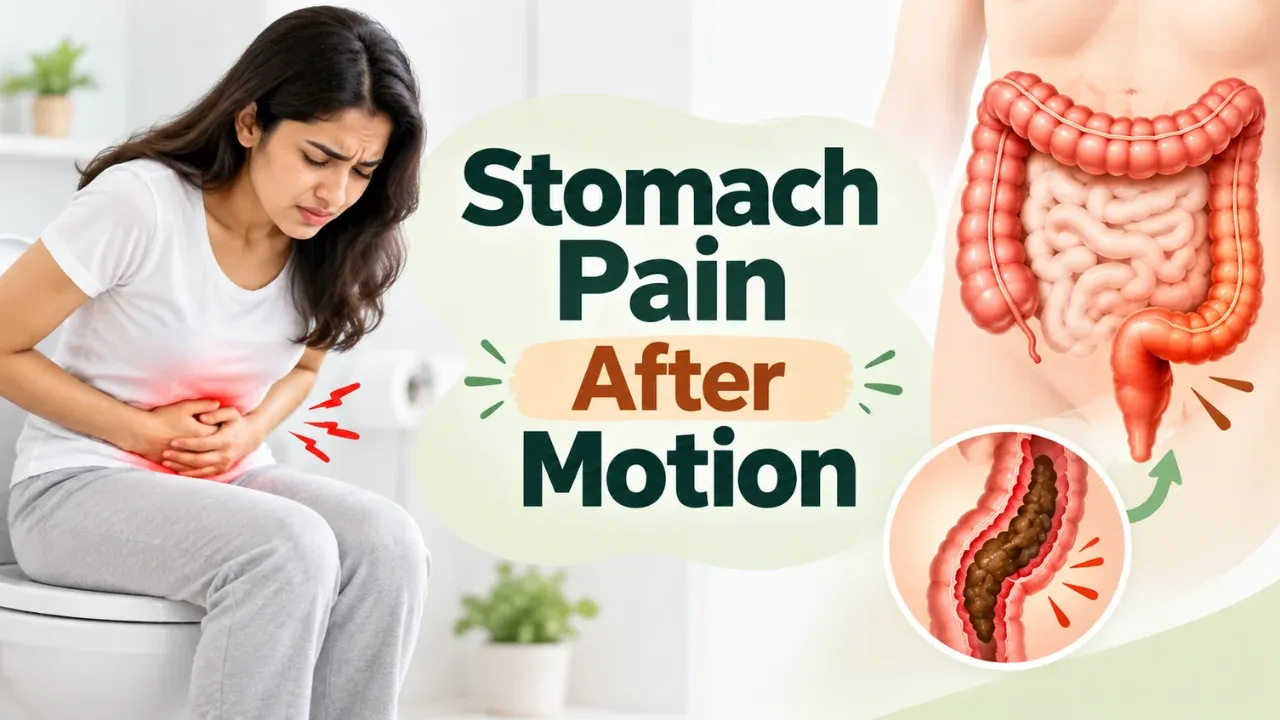
Stomach Pain After Motion: Causes, Relief & When to See a Doctor
Stomach pain after motion may result from intestinal cramps, infections,food intolerance, or incomplete bowel emptying. Learn about causes, home remedies, warning signs, and when to seek medical care.
Ayurvedic Physician & Medical Operations Lead at Mool
Published on 1,October 2026
Updated on 1,October 2026
Quick Answer:
Stomach pain after motion — whether after a bowel movement or loose motion — is typically caused by intestinal cramping, inflammation, or incomplete emptying of the bowel. In most cases, the pain resolves within a few hours with rest, hydration, and simple home remedies.
What Is Stomach Pain After Motion?
Stomach pain after motion refers to abdominal discomfort or cramping that occurs following a bowel movement, including loose motion (diarrhea). The pain may be felt in the lower abdomen, around the navel, or across the entire belly.
This condition is not a disease itself — it is a symptom of an underlying digestive process. According to Mool Health's digestive wellness team, stomach pain after motion is one of the most commonly reported gastrointestinal complaints, affecting an estimated 1 in 5 adults at some point each year.
Common Characteristics
- Cramping or sharp pain in the lower abdomen
- A sensation of bloating or pressure after passing stool
- Relief or worsening of pain after a bowel movement
- May occur after both solid stools and loose motion
Why Does Stomach Pain Occur After Motion? Common Causes
Stomach pain after motion is caused by a range of gastrointestinal and dietary factors. Understanding the root cause helps determine the right treatment approach.
Common Causes of Stomach Pain and Loose Motion
- Irritable Bowel Syndrome (IBS): Affects approximately 10–15% of the global population. IBS causes bowel muscle spasms before and after motion, leading to cramping and discomfort.
- Gastroenteritis (Stomach Infection): Viral or bacterial infection of the gut causes inflammation of the intestinal lining, triggering stomach pain after loose motion.
- Food Intolerance or Sensitivity: Lactose intolerance affects roughly 68% of the world's adult population and commonly causes stomach pain and loose motion within 30 minutes to 2 hours of eating.
- After Eating Stomach Pain and Motion: Consuming spicy, oily, or high-fibre foods can stimulate the gastrocolic reflex — a natural colon contraction triggered by eating — which may cause urgent loose motion and cramping after meals.
- Inflammatory Bowel Disease (IBD): Conditions like Crohn's disease or ulcerative colitis cause chronic intestinal inflammation, resulting in persistent stomach pain after motion.
- Parasitic or Bacterial Infection: Contaminated food or water can introduce pathogens such as Giardia or E. coli, causing stomach pain, loose motion, and nausea.
- Anxiety and Stress: The gut-brain axis directly links psychological stress to bowel motility changes, producing cramping and loose stools.
- Incomplete Bowel Emptying: When the bowel doesn't fully empty, residual stool and gas can cause post-motion bloating and pain.
How Stomach Pain After Loose Motion Happens: The Mechanism
Stomach pain after loose motion occurs because the intestinal walls experience abnormal muscular contractions. Here is how the process typically unfolds:
- 1. Trigger is introduced: An infection, food irritant, or stress signal reaches the gut.
- 2. Intestinal lining becomes irritated: Inflammation or hypersensitivity of the gut wall develops.
- 3. Peristalsis accelerates: Bowel muscles contract more rapidly than normal, pushing contents through too quickly.
- 4. Loose motion occurs: Rapid transit means water isn't fully absorbed, producing liquid or semi-liquid stools.
- 5. Post-motion cramping follows: After the bowel empties, residual muscle spasms or inflammation cause lingering stomach pain after motion.
- 6. Gas and bloating develop: Incomplete digestion and bacterial fermentation in the colon produce gas, adding pressure and discomfort.
Types of Stomach Pain After Motion: Identifying Your Pattern
Different patterns of stomach pain after motion suggest different underlying causes. Identifying your type helps guide the right home remedy or medical response.
| Type | When It Occurs | Likely Cause | Key Feature |
|---|---|---|---|
| Post-loose motion cramping | During or immediately after loose stools | Infection, IBS, food intolerance | Comes in waves; often improves after passing stool |
| After eating stomach pain and motion | 30 mins–2 hours after meals | Gastrocolic reflex, food sensitivity | Triggered consistently by specific foods |
| Stomach pain after motion in kids | Any time; often with school-age children | Viral gastroenteritis, anxiety | May include mild fever; usually resolves in 48–72 hours |
| Chronic post-motion pain | Recurring over weeks or months | IBS, IBD, parasitic infection | Does not fully resolve between episodes |
| Motion sickness stomach pain | During or after travel-related nausea | Vestibular disturbance, stomach motion sickness | Associated with nausea, vomiting, dizziness |
Stomach Pain After Motion in Kids: What Parents Should Know
Stomach pain after motion in kids is common and, in most cases, not a cause for serious concern. Children's digestive systems are more sensitive to infections, dietary changes, and emotional stress.
Common Causes in Children
- Viral gastroenteritis (stomach flu) — the leading cause in children under 10
- Lactose intolerance, which may go undiagnosed until school age
- Anxiety around school or social situations, triggering the gut-brain response
- Food allergies or introduction of new foods
Warning Signs That Require Medical Attention in Children
- Stomach pain after loose motion lasting more than 24–48 hours
- Signs of dehydration: dry lips, reduced urination, sunken eyes
- Blood or mucus in stool
- Fever above 38.5°C (101.3°F)
- Severe or worsening abdominal pain
According to Mool Health's paediatric advisory guidelines, most cases of stomach pain after motion in kids resolve with oral rehydration, rest, and a bland diet within 1–3 days.
Stomach Pain After Motion Home Remedies: Step-by-Step Relief
Stomach pain after motion home remedies can effectively manage mild to moderate discomfort in most adults and children over 5 years.
Step 1: Rehydrate Immediately
Loose motion causes significant fluid and electrolyte loss. Drink ORS (Oral Rehydration Solution), coconut water, or plain water — at least 200–250 ml after each loose motion episode.
Step 2: Follow the BRAT Diet
Eat Bananas, Rice, Applesauce, and Toast for 12–24 hours after loose motion. These foods are low in fibre, easy to digest, and help firm up stools.
Step 3: Apply a Warm Compress
Place a warm (not hot) cloth or heating pad on the lower abdomen for 10–15 minutes. Heat relaxes intestinal muscle spasms and can reduce stomach pain after motion within 20–30 minutes.
Step 4: Try Ginger or Fennel Tea
Ginger contains gingerols and shogaols, which have clinically studied anti-inflammatory and anti-spasmodic effects on the gut. Fennel seeds reduce gas and bloating. Both are widely recommended by Mool Health's nutrition team as first-line stomach pain after motion home remedies.
Step 5: Rest and Limit Physical Activity
Avoid strenuous activity for 12–24 hours. Physical exertion increases intestinal motility, which can worsen cramping after loose motion.
Step 6: Avoid Trigger Foods
For at least 24–48 hours, avoid dairy, fried foods, raw vegetables, caffeine, and alcohol — all of which can reactivate intestinal irritation.
Step 7: Try Probiotics
Probiotic strains such as Lactobacillus rhamnosus and Saccharomyces boulardii have been shown in studies to reduce the duration of diarrhea-associated stomach pain by up to 25% [1].
- Do not self-administer anti-diarrheal medication (e.g., loperamide) for infectious diarrhea without medical advice — stopping loose motion can trap pathogens in the gut.
- Do not skip fluids assuming rest is enough.
- Do not give adult medications to children without guidance.
After Eating Stomach Pain and Motion: A Specific Pattern to Recognise
After eating stomach pain and motion — where discomfort and loose stools occur predictably after meals — is a distinct pattern related to the gastrocolic reflex.
The gastrocolic reflex is a normal physiological response: when food enters the stomach, the colon contracts to make room. In people with IBS, food intolerances, or a sensitised gut, this reflex is exaggerated, causing urgent loose motion and cramping within 30 minutes to 2 hours of eating.
Foods Most Likely to Trigger After Eating Stomach Pain and Motion
- High-fat meals: Trigger stronger gastrocolic reflex
- Spicy food: Capsaicin irritates the gut lining
- Dairy: In lactose-intolerant individuals
- Gluten: In those with celiac disease or gluten sensitivity
- Artificial sweeteners like sorbitol and xylitol: Osmotic effect draws water into the colon
What the Research Says About Stomach Pain After Motion
Studies consistently link stomach pain after motion to identifiable, manageable causes.
- A 2021 systematic review published in Gut found that IBS affects approximately 11.2% of the global population, with post-motion abdominal pain being the primary reported symptom in 73% of cases [2].
- Research published in the World Journal of Gastroenterology (2020) found that oral rehydration combined with probiotic therapy reduced the severity of diarrhea-associated abdominal pain by 24–32% compared to rehydration alone [3].
- A 2019 study in Pediatric Gastroenterology found that stomach pain after motion in kids was most commonly caused by viral gastroenteritis (42% of cases), followed by functional abdominal pain related to anxiety (28%) [4].
- The American College of Gastroenterology (2022) recommends dietary modification as a first-line intervention for recurring stomach pain and loose motion before pharmacological treatment [5].
These findings support Mool Health's approach of addressing the root cause — diet, hydration, and gut microbiome health — rather than suppressing symptoms alone.
Stomach Pain After Motion vs. Other Abdominal Pain: Key Differences
Not all stomach pain is related to motion. Understanding how stomach pain after motion differs from other types helps avoid misdiagnosis.
| Type of Pain | Relation to Motion | Location | Other Symptoms | Likely Cause |
|---|---|---|---|---|
| Stomach pain after motion | During or after bowel movement | Lower abdomen | Bloating, loose stools | IBS, infection, intolerance |
| Appendicitis | Unrelated to motion | Lower right abdomen | Fever, nausea, rebound tenderness | Appendix inflammation |
| Period pain (dysmenorrhea) | Unrelated to motion | Lower abdomen, back | Cramping during menstruation | Hormonal |
| Gastric ulcer pain | Worsens with empty stomach | Upper abdomen | Burning sensation, acid reflux | H. pylori, NSAIDs |
| Kidney stone pain | Unrelated to motion | Flank, radiating to groin | Severe, colicky pain; blood in urine | Kidney stones |
Best Practices for Managing Stomach Pain After Loose Motion
Mool Health's digestive health team recommends the following evidence-informed practices for ongoing management.
Expert Tips
- Stay consistently hydrated: Drink a minimum of 2 litres of water daily; increase to 3 litres during episodes of loose motion.
- Eat smaller, more frequent meals: Large meals trigger a stronger gastrocolic reflex; 4–5 small meals may reduce after eating stomach pain and motion.
- Introduce probiotics regularly: Daily probiotic use may reduce IBS flare frequency by up to 21% over 8 weeks [1].
- Manage stress actively: Since the gut-brain axis is a documented mechanism, techniques such as diaphragmatic breathing, yoga, and cognitive behavioural therapy can reduce functional stomach pain after motion.
- Avoid self-medicating with antibiotics: Antibiotic overuse disrupts the gut microbiome and can worsen recurring stomach pain and loose motion.
- Track symptoms over time: Noting when, what you ate, and the nature of pain helps Mool Health clinicians identify patterns quickly.
- Seek early assessment for recurring symptoms: If stomach pain after loose motion occurs more than 3 times per week for over 4 weeks, a stool test and clinical review are recommended.
Key Takeaways
- Stomach pain after motion is a symptom, not a disease — it signals an underlying digestive issue such as IBS, infection, or food intolerance.
- The most common causes include irritable bowel syndrome, gastroenteritis, food intolerances (especially lactose), and stress acting through the gut-brain axis.
- After eating stomach pain and motion is often linked to an exaggerated gastrocolic reflex, triggered by fatty, spicy, or intolerant foods within 30 minutes to 2 hours of a meal.
Your gut is unique your healing should be too.

FAQs
Stomach pain after pooping is typically caused by intestinal muscle spasms that continue after the bowel empties. In people with IBS or gut inflammation, the intestinal lining remains sensitised even after motion, causing cramping. A warm compress and hydration usually help ease the pain within 20–30 minutes.
The most effective stomach pain after motion home remedies include oral rehydration, the BRAT diet (bananas, rice, applesauce, toast), a warm compress on the abdomen, and ginger tea. Avoid dairy, caffeine, and spicy food for at least 24 hours. If symptoms worsen or persist beyond 48 hours, consult a doctor.
Intermittent stomach pain after motion is most commonly associated with IBS, food intolerances, or a recurring gut infection. The pain follows a pattern of muscle contraction and relaxation. Mool Health recommends tracking episodes to identify dietary or stress-related triggers.
Upper stomach pain after motion may indicate gastritis, a hiatal hernia, or an ulcer rather than a lower-bowel issue. If upper abdominal pain consistently accompanies loose motion, Mool Health advises consulting a gastroenterologist rather than managing it solely with home remedies.
In most cases, stomach pain after motion in kids is caused by viral gastroenteritis and resolves within 48–72 hours. It becomes serious if accompanied by high fever, blood in stool, signs of dehydration, or if pain is severe and localised to the right lower abdomen (which may indicate appendicitis).
Stomach pain after motion sickness refers to abdominal discomfort following travel-related nausea and vomiting. The stomach muscles contract repeatedly during nausea, leaving the abdominal wall sore. Ginger, rest, and avoiding heavy meals for 2–3 hours after travel typically resolve this type of pain.
Consult a doctor if stomach pain after loose motion is accompanied by blood in stool, fever above 38.5°C, symptoms lasting more than 48 hours in adults (24 hours in children under 5), signs of dehydration, or severe localised pain. Mool Health's clinical team recommends early evaluation for recurring episodes.
Yes. The gut-brain axis means that psychological stress directly alters gut motility. Stress triggers the release of corticotropin-releasing hormone (CRH), which accelerates intestinal contractions, leading to loose motion and cramping. Studies suggest that stress-related stomach pain after motion accounts for up to 28% of functional abdominal pain cases [4].
Disclaimer
The content provided by Mool Health is for educational and informational purposes only and should not be considered a substitute for professional medical advice, diagnosis, or treatment.