Projectile Vomiting: Causes, Treatment and Warning Signs
Projectile vomiting is the forceful expulsion of stomach contents. Learn about its causes, treatment, complications, and warning signs that require medical attention.


Quick Answer
Projectile vomiting means forceful expulsion of stomach contents through the mouth. Possible causes include gastroenteritis, food poisoning, certain medications, intestinal obstruction and, in young infants, pyloric stenosis. Treatment depends on the cause and may involve fluid replacement or medical treatment. Repeated forceful vomiting, blood or green vomit, severe abdominal pain, or signs of dehydration require prompt medical assessment.
What Is Projectile Vomiting?
Projectile vomiting is the sudden, forceful expulsion of stomach contents through the mouth. Unlike a small amount of milk or food coming back up, projectile vomiting involves greater force and may occur with little warning.
The term describes how vomiting happens, not a specific disease. It does not identify the cause on its own, and the force of the vomiting cannot reliably tell you whether the underlying condition is mild or serious.
Projectile Vomiting Causes
Projectile vomiting can occur for several reasons. The likely cause depends on the person's age, medical history, other symptoms and how suddenly the vomiting started.
1. Gastroenteritis
Gastroenteritis is an infection or inflammation of the stomach and intestines. Viruses are a common cause, although bacteria and other organisms can also be responsible. Symptoms may include vomiting, diarrhoea, abdominal cramps and fever.
Some people with gastroenteritis vomit forcefully. The presence of forceful vomiting alone, however, does not confirm that an infection is responsible.
2. Food Poisoning
Food poisoning can develop after consuming food or drinks contaminated with harmful microorganisms or their toxins. Depending on the cause, symptoms may include vomiting, diarrhoea, abdominal cramps and fever. The time between eating contaminated food and developing symptoms varies.
Severe or persistent vomiting, bloody diarrhoea, intense abdominal pain or signs of dehydration need medical assessment.
3. Pyloric Stenosis in Infants
Hypertrophic pyloric stenosis is a condition in which the muscle at the lower end of the stomach becomes thickened and narrows the passage into the small intestine. This can prevent milk from passing through normally and cause increasingly forceful vomiting after feeds.
Symptoms often begin during the first several weeks of life. A baby may vomit after feeding, remain hungry afterwards, produce fewer wet nappies or fail to gain weight adequately.
Repeated projectile vomiting in a young infant requires prompt medical assessment. Pyloric stenosis may require treatment with fluids and electrolytes followed by surgery. Do not assume that forceful vomiting in a baby is ordinary reflux.
4. Intestinal Obstruction
An intestinal obstruction occurs when something blocks the normal movement of contents through the digestive tract. Depending on its location and cause, symptoms may include vomiting, abdominal swelling, severe or cramping pain and difficulty passing stool or gas.
A suspected bowel obstruction needs urgent medical evaluation. Green vomit can indicate bile and may be a warning sign of obstruction, particularly in infants. Do not try to manage suspected obstruction with home remedies.
5. Medicines, Toxins and Other Conditions
Some medicines and toxic substances can trigger nausea and vomiting. Other possible causes include migraine, delayed stomach emptying, pregnancy-related nausea and certain neurological or metabolic conditions.
Sudden vomiting accompanied by a severe headache, stiff neck, confusion, weakness or other neurological symptoms may indicate a serious condition and needs urgent assessment.
Projectile Vomiting in Adults
Projectile vomiting in adults can occur with food poisoning, gastroenteritis, medication side effects and other digestive or non-digestive conditions. The severity of the vomiting does not identify the underlying cause.
Pay attention to when the vomiting began, how often it occurs, whether it follows meals and whether other symptoms are present. For example, vomiting with diarrhoea and cramps may occur with a gastrointestinal infection, while vomiting with severe abdominal pain and swelling may suggest a more serious abdominal problem.
Adults should seek medical assessment if vomiting is repeated, persistent or worsening, or if they cannot keep fluids down. Urgent care is necessary if vomiting occurs with blood, green vomit, severe abdominal pain, fainting, confusion, a severe headache or signs of significant dehydration.
Also Read: Stomach Pain and Nausea
Projectile Vomiting in Babies and Children
Vomiting in babies and children needs particular attention because they can become dehydrated more quickly than adults. Projectile vomiting in an infant, especially when it repeatedly occurs after feeding, should be assessed promptly by a healthcare professional.
One possible cause in young infants is pyloric stenosis, in which the outlet of the stomach becomes narrowed. It can lead to forceful vomiting after feeds, persistent hunger, poor weight gain, or signs of dehydration. Only a healthcare professional can determine whether this or another condition is responsible.
Seek urgent medical assessment if a baby or child has repeated forceful vomiting, green or bloody vomit, severe abdominal pain, a swollen abdomen, unusual sleepiness, difficulty waking, or markedly fewer wet nappies or urinations.
How Is Projectile Vomiting Different?
Projectile vomiting, ordinary vomiting, nausea, retching and regurgitation are related terms, but they describe different experiences.
| Term | What it means |
|---|---|
| Projectile vomiting | Stomach contents are expelled suddenly and forcefully. |
| Ordinary vomiting | Stomach contents are expelled through the mouth. The force and timing can vary. |
| Nausea | The uncomfortable sensation of feeling sick or needing to vomit. Vomiting may or may not follow. |
| Retching | Repeated contractions or heaving movements associated with trying to vomit, sometimes without bringing anything up. |
| Regurgitation | Food or liquid comes back up from the oesophagus, usually without the forceful contractions typical of vomiting. |
These differences can help describe symptoms to a healthcare professional, but they cannot replace an examination when warning signs are present.
Projectile Vomiting Treatment
Projectile vomiting treatment depends on its underlying cause, the person's age and the degree of dehydration. There is no single treatment that is appropriate for every episode.
1. Replace Lost Fluids
Vomiting can lead to dehydration because the body loses fluid and may be unable to replace it. If the person is alert, can swallow safely and has no emergency warning signs, small, frequent sips of an oral rehydration solution may help replace lost fluid and salts.
If vomiting continues or the person cannot keep fluids down, seek medical advice. Severe dehydration may require treatment in a healthcare facility.
Also Read: Dehydration
2. Eat According to Tolerance
Once vomiting settles and fluids can be tolerated, food can usually be reintroduced gradually as appetite returns. Start with small portions of foods that are comfortable to eat and return to a balanced diet as tolerated.
Do not force food during active vomiting. Infants and young children need age-appropriate feeding and hydration advice from a healthcare professional, particularly if vomiting is repeated.
3. Treat the Underlying Cause
Medical treatment varies according to the diagnosis. A clinician may recommend treatment for an infection or medication-related problem, provide fluids and electrolyte replacement, or arrange urgent treatment for an obstruction or another serious condition.
Pyloric stenosis in infants usually requires surgery after the baby's fluid and electrolyte problems are corrected. An intestinal obstruction may also require hospital treatment and, in some cases, surgery.
4. Use Medicines Only With Appropriate Advice
Anti-vomiting medicines may be appropriate in some situations, but they are not suitable for everyone and do not treat every underlying cause. Do not give prescription or over-the-counter anti-vomiting medicines to a child or infant without appropriate medical advice.
Avoid self-medicating when vomiting is severe, unexplained or accompanied by warning signs. Medicines should not delay urgent assessment.
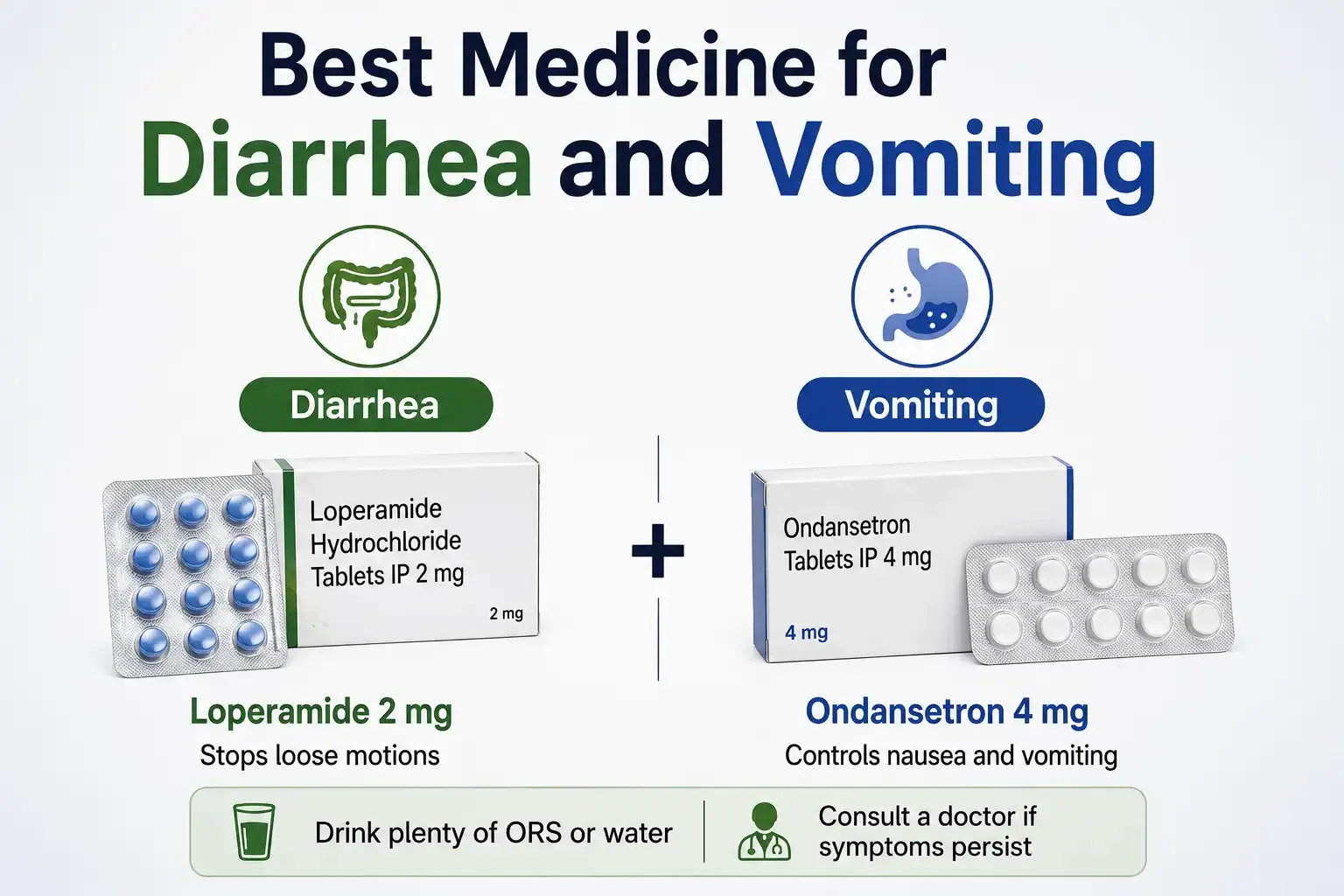
Also Read: Medicine for Diarrhea and Vomiting
Complications of Projectile Vomiting
Repeated or severe projectile vomiting can lead to complications, especially when fluids cannot be retained or the underlying cause is serious.
Dehydration
Fluid loss may cause thirst, dry mouth, dark urine, reduced urination, dizziness and weakness. Infants may have fewer wet nappies, fewer tears when crying or unusual sleepiness. Severe dehydration requires urgent medical care.
Electrolyte Imbalances
Vomiting can reduce levels of important salts and minerals in the body. Significant electrolyte disturbances can affect normal body functions and may require blood tests and medical treatment.
Oesophageal Injury
Forceful or repeated vomiting can sometimes injure the lining of the oesophagus, the tube connecting the mouth to the stomach. Rarely, a serious tear can occur. Blood in vomit or sudden severe chest pain after forceful vomiting needs urgent medical assessment.
Aspiration
Aspiration occurs when vomit enters the airway or lungs. This can be dangerous, especially in someone who is unconscious, very drowsy or unable to protect their airway.
Poor Nutrition and Weight Loss
Prolonged vomiting can make it difficult to retain enough food and fluids. In infants, persistent vomiting may affect weight gain and growth. Ongoing symptoms need medical evaluation to identify and treat the cause.
When Should You Seek Medical Help?
Do not rely on home care alone if projectile vomiting is repeated, severe or accompanied by concerning symptoms.
Seek urgent medical care if:
- The vomit contains blood or looks like coffee grounds.
- The vomit is green, particularly in a baby or child.
- There is severe or worsening abdominal pain or abdominal swelling.
- The person has a severe headache, stiff neck, confusion, fainting or reduced consciousness.
- There are signs of significant dehydration, such as very little urine, marked drowsiness or inability to keep fluids down.
- Projectile vomiting is repeated in a young infant, especially during the first few months of life.
- Vomiting follows a suspected poisoning or is associated with a serious allergic reaction.
If a person is unconscious or cannot swallow safely, do not give food, water or oral medicines. Seek emergency assistance. If the person is vomiting while drowsy, protect their airway while waiting for help.
Also Read: When to Worry About Diarrhea in Adults
How Is Projectile Vomiting Diagnosed?
A healthcare professional will assess the symptoms, the person's age and medical history, and whether there are signs of dehydration or another serious condition.
Questions may include when the vomiting began, how frequently it occurs, whether it follows meals, what the vomit looks like, which medicines the person takes and whether symptoms such as fever, diarrhoea, abdominal pain or headache are present.
Depending on the findings, tests may include blood tests to assess fluid and electrolyte balance, urine tests, imaging or other investigations. An ultrasound may be used when pyloric stenosis is suspected in an infant. Other imaging or procedures may be needed if an obstruction or another condition is suspected.
The tests and treatment depend on the suspected cause. Not everyone with vomiting needs every test.
Mool Health’s Perspective on Projectile Vomiting
Projectile vomiting can have several causes, and its force alone cannot determine whether the condition is mild or serious. Understanding the person's symptoms, hydration status, age, and medical history is important in identifying the next steps.
At Mool Health, we believe that understanding digestive symptoms is an important part of making informed health decisions. However, projectile vomiting should not be self-diagnosed, particularly when it is repeated, severe, or occurs in an infant.
The [Mool Health Gut Test](https://quiz.mool.health/gut-test) is designed to assess selected gut-related markers. It is not a standalone test for projectile vomiting and cannot replace medical assessment when vomiting is forceful, persistent, or accompanied by warning signs. Consult a healthcare professional to identify the cause and receive appropriate treatment.
References
- American Academy of Pediatrics. Hypertrophic Pyloric Stenosis: Help for Babies With Forceful Vomiting.
- Merck Manual Consumer Version. Nausea and Vomiting in Adults.
- Healthdirect Australia. What Causes Vomiting?
- Great Ormond Street Hospital. Pyloric Stenosis.
Key Takeaways
Projectile vomiting is the forceful expulsion of stomach contents. Learn about its causes, treatment, complications, and warning signs that require medical attention.
Your gut is unique your healing should be too.

FAQs
Projectile vomiting is sudden, forceful vomiting in which stomach contents are expelled with considerable force. It is a symptom rather than a disease, and the cause depends on the person's age, other symptoms, and medical history.
The term describes the forceful way vomit is expelled from the mouth. It does not identify a specific illness by itself. Repeated episodes or vomiting accompanied by warning signs need medical assessment.
Possible causes include gastroenteritis, food poisoning, migraine, medicine side effects, and other digestive or medical conditions. Persistent vomiting, severe abdominal pain, blood or green vomit, or dehydration requires prompt medical attention.
It can be, depending on the cause and severity. Repeated vomiting can lead to dehydration and electrolyte imbalances, while conditions such as intestinal obstruction may require urgent treatment. The force of vomiting alone cannot determine how serious it is.
Treatment depends on the cause. It may involve replacing fluids and electrolytes, medicines prescribed by a healthcare professional, or treatment of an underlying condition. Severe, persistent, or unexplained vomiting should be medically assessed.
Seek emergency care if vomiting occurs with blood, green vomit, severe abdominal pain, a swollen abdomen, confusion, fainting, difficulty breathing, or signs of severe dehydration. Repeated forceful vomiting in babies also needs prompt assessment.
Yes. Repeated forceful vomiting in an infant may be associated with conditions such as pyloric stenosis, although other causes are possible. Contact a healthcare professional promptly, especially if the baby has fewer wet nappies, poor feeding, unusual sleepiness, or poor weight gain.
Possible complications include dehydration, electrolyte imbalance, irritation or injury to the food pipe, and aspiration of vomit into the airways. Delayed treatment of the underlying cause can also be dangerous.
Disclaimer
The content provided by Mool Health is for educational and informational purposes only and should not be considered a substitute for professional medical advice, diagnosis, or treatment.