
What Foods Stop Diarrhea Fast? Best Foods to Eat for Quick Relief
Diarrhea Relief Diet can help manage diarrhoea by reducing stool frequency, and supporting gut recovery. Learn which foods stop diarrhoea fast, what to avoid, and how to follow a recovery diet.
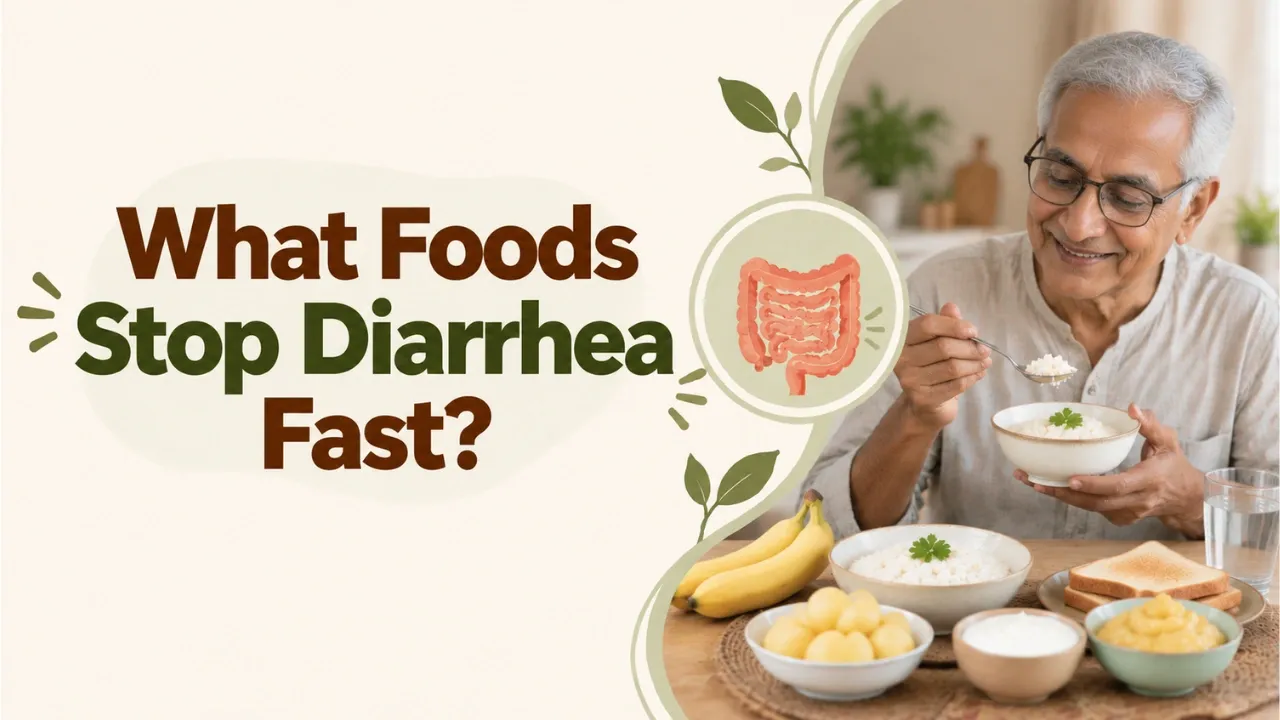
Quick Answer
The foods that stop diarrhea fastest are plain white rice, ripe bananas, rusk or plain toast, and moong dal khichdi. They work by slowing gut transit, absorbing excess intestinal fluid, and replacing lost electrolytes simultaneously. Most people with mild to moderate diarrhea see a 40-60% reduction in stool frequency within 12-24 hours when these foods are combined with consistent ORS or coconut water for diarrhea.
What Is a Diarrhea Relief Diet?
A diarrhea relief diet is a short-term eating protocol , typically 24-72 hours , built around easily digestible, gut-binding foods that reduce stool frequency, firm loose stools, and prevent dehydration while the intestinal lining heals.
The gold-standard protocol is the BRAT diet: Bananas, Rice, Applesauce, and Toast. In the Indian context, moong dal khichdi, plain curd, buttermilk with cumin, and pomegranate juice are equally validated alternatives and more nutritionally complete. For a full Indian food guide, see what to eat in loose motion.
Most people eat the wrong things when diarrhea hits , and that is exactly what keeps it going longer than it should. The right foods are not complicated or expensive. They are almost certainly already in your kitchen.
Plain white rice is the single most reliable gut-binding food for diarrhea , it absorbs excess intestinal fluid and coats the gut lining within the first few hours of consumption.
How Do These Foods Actually Stop Diarrhea? The Step-by-Step Mechanism
Diarrhea occurs when the intestinal lining loses its ability to absorb water and gut motility accelerates, pushing contents through before nutrients can be absorbed. The right foods interrupt this cycle at each stage:
- Slow gut motility. Foods rich in soluble fibre , pectin in bananas and applesauce, starch in rice , form a gel in the intestine. This slows the rate at which contents move through and gives the gut lining time to reabsorb water.
- Bind excess intestinal water. Plain white rice and toast contain binding starches that absorb free water in the intestinal lumen. This directly firms loose stools.
- Replenish lost electrolytes. Every diarrhea episode expels sodium, potassium, and glucose. Coconut water provides all three in proportions close to the WHO Oral Rehydration Solution formula.
- Restore the gut microbiome. Diarrhea , especially antibiotic-associated , depletes Lactobacillus and Bifidobacterium colonies. Plain curd and buttermilk reintroduce these strains within hours.
In India, acute diarrhea accounts for over 700 million episodes annually. The right foods reduce stool frequency and prevent the dehydration that turns a manageable episode into a medical emergency.
Top 5 Foods That Stop Diarrhea Fast: Ranked for Quick Relief
If you can only act on five things right now, these are the five foods ranked by speed and accessibility.
- Plain white rice , Acts within 2-4 hours. Starchy residue absorbs excess intestinal fluid and slows gut transit immediately. Available in every kitchen. Start here.
- ORS or coconut water , The most critical intervention. Diarrhea causes harm through dehydration, not loose stools alone. Drink 200-300 ml after every episode, starting immediately.
- Ripe banana for diarrhea , Pectin binds loose stools; potassium replaces what is lost per episode. One banana within the first 4 hours is safe and effective.
- Plain rusk or toast , Twice-baked bread absorbs intestinal fluid without adding fibre that accelerates transit. Eat 1-2 pieces as your first solid food.
- Plain curd (dahi) , Introduces Lactobacillus acidophilus to begin restoring depleted gut flora. Best introduced from Hour 12 onward, at room temperature.
Quick Reference: What Foods Help vs. What to Avoid
| Food | Category | Why It Helps / Harms | Best Time | Amount |
|---|---|---|---|---|
| Bananas (ripe) | BRAT / Ayurvedic | Pectin binds stools; replaces potassium | Morning or between meals | 1-2 per day |
| Plain white rice | BRAT / Staple | Absorbs intestinal fluid; easy to digest | Lunch and dinner | Small portions, 2-3x/day |
| Applesauce | BRAT | Pectin without raw fibre; gentle on gut | Mid-morning snack | 100-150 g |
| Plain toast or rusk | BRAT | Digestible starch; absorbs gut fluid | Breakfast or snack | 1-2 slices |
| Moong dal khichdi | Ayurvedic Staple | Light protein + starch; easy to digest | Lunch and dinner | 1 bowl per meal |
| Boiled potatoes (plain) | Binding Starch | Potassium-rich; gentle starchy binding | Lunch or dinner | 1 medium potato |
| Plain curd (unsweetened) | Probiotic / Ayurvedic | Live cultures restore gut microbiome | With lunch, room temperature | 100-150 g |
| Pomegranate juice (fresh) | Ayurvedic / Astringent | Tannins reduce bowel frequency; antibacterial | Mid-morning | 100-150 ml, unsweetened |
| Buttermilk with cumin | Ayurvedic Remedy | Probiotic + carminative; calms gut inflammation | With lunch or post-episode | 1 glass |
| ORS or coconut water | Rehydration | Replaces sodium, potassium, glucose | After every episode | 200-300 ml per episode |
| Spicy and fried foods | AVOID | Irritates gut; accelerates motility | Completely avoid | None |
| Milk and full-fat dairy | AVOID | Lactose intolerance worsens during infection | Avoid; curd is fine | None |
| Raw vegetables or salad | AVOID | Insoluble fibre accelerates gut transit | Avoid until recovery | None |
| Coffee and caffeinated drinks | AVOID | Stimulates gut contraction; worsens frequency | Completely avoid | None |
The BRAT Diet: Gold-Standard Protocol for Diarrhea
The BRAT diet , Bananas, Rice, Applesauce, Toast , is the most widely recommended short-term protocol for acute diarrhea. Every item shares three properties: low fibre, high digestibility, and a natural binding effect on loose stools.
- Bananas , High in pectin, a soluble fibre that absorbs excess intestinal liquid and firms loose stools. Ripe bananas also provide easily digestible sugars and replace potassium lost during episodes
- White Rice , Starchy residue coats the intestinal lining and slows loose stool passage. The simplest and most reliable gut-binding food available in every Indian kitchen
- Applesauce , Cooked apple delivers pectin without harsh insoluble fibre. Provides gentle quick energy without stressing an already inflamed gut
- Toast , Absorbs excess intestinal fluid and provides bland, easily digestible calories with minimal gut stress
Is Rusk Good for Loose Motion?
Yes , rusk is one of the safest and most effective first foods to eat during loose motion or diarrhea. Rusk is twice-baked bread, which removes most moisture and significantly reduces fibre content compared to fresh bread or whole-grain toast.
- Low moisture content means rusk absorbs intestinal fluid rather than adding to it
- Minimal insoluble fibre means it will not accelerate gut transit
- Easily digestible starch provides quick energy without stimulating the bowel
- Bland taste makes it tolerable even when nausea accompanies diarrhea
Eat 1-2 pieces of plain rusk as a snack between meals. Avoid rusk coated in sugar, chocolate, or cream , added sugar can worsen symptoms by pulling more water into the intestinal lumen.
Ayurvedic Foods That Stop Diarrhea Fast
Ayurveda classifies diarrhea as Atisara and uses a precise dietary protocol that addresses root imbalance, restores digestive fire, and applies astringent and probiotic foods to calm the gut. These Ayurvedic staples are not folklore , they are scientifically validated.
Moong Dal Khichdi
Moong dal khichdi is tridoshic, easy to digest, and provides complete protein alongside gut-binding starch. A small amount of ghee, cumin, and hing adds carminative benefit. Wash split yellow moong dal, pressure-cook until fully soft, and season lightly with cumin, hing, and rock salt. No chillies. No heavy tempering.
Pomegranate Juice
Pomegranate is rich in tannins that reduce intestinal motility and show documented antibacterial activity against E. coli and Salmonella. Fresh unsweetened pomegranate juice taken twice daily can support stool frequency reduction within 24-36 hours.
Buttermilk with Roasted Cumin
Buttermilk with roasted cumin is a live probiotic that replenishes Lactobacillus colonies. Cumin adds antimicrobial and antispasmodic action. One glass with lunch or after each loose stool episode is sufficient.
Cumin Water
Boil one teaspoon of cumin seeds in water, cool, and sip throughout the day. Cumin's volatile compounds reduce intestinal spasm and stimulate digestive enzymes, making it a useful addition to any diarrhea recovery plan.
What Fruits Stop Diarrhea Fast?
Not all fruits are safe during diarrhea , most raw fruits are high in insoluble fibre or fructose, both of which worsen loose stools. A short list of specific fruits actively help by providing pectin, tannins, or natural electrolytes. For the complete guide, see which fruits are good for diarrhea.
- Ripe banana , The single best fruit for diarrhea. Pectin binds loose stools; inulin feeds beneficial gut bacteria; potassium replaces what is lost per episode
- Pomegranate , Rich in punicalagins, tannins that reduce intestinal motility and show antibacterial activity against E. coli and Salmonella
- Unripe guava , A traditional Indian remedy with tannins and flavonoids that inhibit gut pathogens and reduce intestinal secretion
- Applesauce , Cooking breaks down insoluble fibre while preserving pectin. Raw apple worsens diarrhea; cooked applesauce relieves it
Which Dal Is Best for Diarrhea?
Moong dal is the best dal for diarrhea because it is easy to digest, lower in fibre than chana or rajma, and provides complete protein without the fermentable carbohydrates that cause gas and accelerate transit.
| Dal | Why to Avoid During Diarrhea |
|---|---|
| Chana dal / kabuli chana | High fermentable fibre; causes gas and accelerates transit |
| Rajma | Very high fibre; difficult to digest during gut infection |
| Urad dal | Dense protein + high fibre; known to worsen bloating |
| Masoor dal (whole) | Harder to digest than split versions; avoid in acute phase |
How to prepare: Wash split yellow moong dal, pressure-cook until fully soft, and season lightly with cumin, hing, and rock salt. No chillies, no heavy tempering.
Is Jeera Rice Good for Diarrhea?
Yes , jeera rice is one of the best foods for diarrhea, and it meaningfully improves on plain boiled rice. Plain white rice is already the most reliable gut-binding food during diarrhea. Adding cumin upgrades it by reducing intestinal spasm, stimulating digestive enzymes, and supporting the starchy rice base.
To prepare jeera rice: Cook plain white rice until soft. In a small pan, heat one teaspoon of ghee on low heat, add one teaspoon of cumin seeds, let them splutter for 20 seconds, then mix into the cooked rice. Add a small pinch of rock salt. No other spices. This preparation is appropriate from Hour 8 onward as an upgrade from plain boiled rice during the early recovery phase.
Probiotic Foods That Help Stop Diarrhea by Restoring Gut Flora
Diarrhea , especially antibiotic-associated diarrhea , depletes the gut microbiome. Probiotic foods reduce diarrhea duration when introduced early in the episode. For a guide on choosing the right probiotic supplement, see which probiotic is best for diarrhea.
- Plain curd (dahi) , Contains Lactobacillus acidophilus; consume at room temperature with rice or khichdi from Hour 12 onward
- Homemade buttermilk (chaas) , Diluted curd with live cultures; adds mild salt for electrolyte replacement
- Saccharomyces boulardii , Evidence-backed specifically for reducing acute infectious diarrhea duration; available as a supplement if dairy is not tolerated
- Kanji , North Indian fermented drink rich in natural probiotics; gentle on the stomach
Avoid flavoured yogurts, sweetened probiotic drinks, and commercial dairy beverages. Added sugars pull more water into the intestinal lumen through osmosis and worsen symptoms.
Hydration: The Most Critical Factor in Diarrhea Management
The primary danger of diarrhea is rapid fluid and electrolyte loss , not loose stools themselves. Mild dehydration can begin within 1-2 hours and escalate quickly without intervention. For a complete step-by-step management guide, see how to stop diarrhea safely.
WHO ORS Recipe: 6 level teaspoons of sugar + half a teaspoon of salt dissolved in 1 litre of safe water. Sip slowly throughout the day.
Safe fluids to drink during diarrhea:
- Plain water at room temperature
- Fresh coconut water (approximately 6 g sugar per 100 ml; limit to 200 ml per episode for diabetics)
- Rice water (kanji or maad) , rice-based ORS has been shown to reduce stool output in adults with severe diarrhea
- Diluted buttermilk (chaas)
- Cumin seed water (jeera water)
- Clear, low-spice vegetable broth
Key Takeaways
Diarrhea Relief Diet can help manage diarrhoea by reducing stool frequency, and supporting gut recovery. Learn which foods stop diarrhoea fast, what to avoid, and how to follow a recovery diet.
Your gut is unique your healing should be too.

Disclaimer
The content provided by Mool Health is for educational and informational purposes only and should not be considered a substitute for professional medical advice, diagnosis, or treatment.