
Enema: What It Is, How It Works, Procedure, Benefits
An enema is a procedure that introduces liquid into the rectum to relieve constipation, clear the bowel, or deliver medication. Learn about its uses, types, benefits, risks, and safety precautions.

Ayurvedic Physician at Mool
Published on 30,September 2026
Updated on 30,September 2026
Quick Answer:
An enema is a medical procedure that involves administering a liquid via the anus into the rectum to stimulate bowel movement, clear the colon, or deliver medication. It is commonly suggested to relieve constipation.
The benefits of an enema include:
| Benefit | Purpose |
|---|---|
| Relieving constipation | Severe or occasional constipation |
| Treating fecal impaction | Helps pass a hard mass of stool stuck in the bowel |
| Preparing for medical examinations | Clears the bowel before certain tests |
| Preparing for surgery | Empties the bowel before some surgeries |
Note: Enemas can cause side effects or complications, particularly when used incorrectly or too frequently. Use them according to medical advice rather than as a routine way to cleanse the bowel.
What Is an Enema?
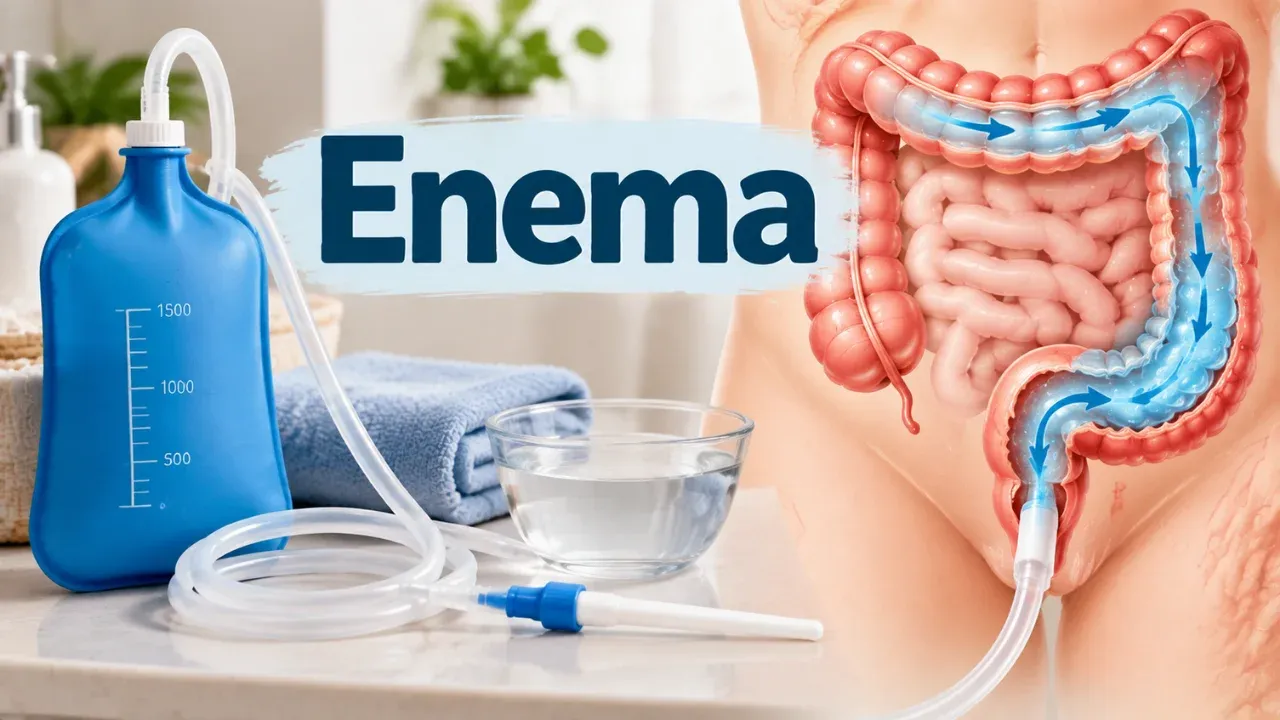
An enema is a procedure in which a fluid is introduced into the rectum through the anus. The procedure can help empty the lower bowel and clear the colon.
Once the fluid has been inserted into the rectum, it can either soften the stools, enlarge the bowels, or lubricate the colon and rectum, making stool easier to pass. Enemas are primarily performed to either treat constipation, remove a mass of stool stuck in the bowel, or clear the colon for an examination or surgery.
How Does an Enema Work?
An enema works by introducing a liquid solution into the rectum and the large intestine, which can expand the colon, soften stool, draw water into the bowel, or stimulate bowel movements. The effect depends on the solution used.
What Are the Uses and Benefits of an Enema?
An enema can provide short-term relief from concerns such as constipation or serve a specific medical purpose, including preparing the colon for imaging or surgery. A healthcare professional may recommend an enema for the following reasons:
1. Relieving Constipation
An enema may be considered when constipation has not improved with measures such as adequate fluids, dietary fibre, or oral laxatives. It is generally intended for occasional or severe constipation rather than regular bowel management.
2. Treating Fecal Impaction
Fecal impaction is when a large, hard mass of stool becomes stuck in the bowel. An enema may help soften or lubricate it so that it can be passed.
3. Delivering Medication
Some medicines can be given as enemas so that they act directly in the rectum or lower bowel. Mesalamine enemas, for example, may be prescribed for certain cases of ulcerative colitis.
4. Preparing the Bowel for an Examination
An enema may be used to clear stool from the rectum or bowel before certain diagnostic procedures, such as X-rays and colonoscopy.
5. Preparing for Surgery
In some cases, an enema may be recommended before surgery involving the colon or rectum to help empty the bowel.
What Are the Types of Enemas?
Enemas are categorised according to why they are used and what solution they contain. Different solutions work in different ways, so the type chosen depends on the intended purpose.
Types of Enemas Based on Their Purpose
Based on their purpose, enemas are categorised into two types:
- Cleansing enemas: Used to empty the bowel, either to relieve constipation or to prepare the bowel for a medical procedure.
- Retention enemas: The solution is kept in the rectum for a specified period rather than expelled immediately. Depending on the solution, the purpose may be to lubricate the colon or allow a medication to work on the bowel.
Types of Enemas Based on the Solution Used
Enemas can also be classified according to the liquid or medication used in them. The following table gives a simple breakdown of some common types of enema based on the solution used, and their purpose:
| Type of Enema (Based on the Solution) | What It Does | Purpose |
|---|---|---|
| Barium | Improves the clarity of colon images | For imaging procedures |
| Glycerin | Pulls water into the colon | To soften the stools |
| Mineral oil | Lubricates the colon | To ease the passing of hard stools |
| Bisacodyl | Stimulates muscular contractions in the colon | To push the stool out |
| Sodium phosphate (saline and water enema) | Draws water into the large intestine and softens the stools | To ease bowel movement |
How Is an Enema Performed?
An enema is a medical procedure and is best performed by a healthcare professional or under appropriate medical supervision. This allows the procedure to be adapted to your needs and helps reduce the risk of injury or complications.
Before performing an enema, your doctor will first assess your condition and confirm if the procedure is required. They may also ask about allergies, existing medical conditions, medications, and any symptoms that could affect the procedure. Once the doctor confirms those details, they may ask you to empty your bladder to avoid discomfort during the procedure. They will then begin the process, which generally involves the following steps:
- Step 1: You will be asked to lie on your left side with your knees bent. This position follows the natural anatomy of the lower bowel and allows the solution to be introduced more easily. A waterproof pad may be placed beneath you to protect the bed or examination surface.
- Step 2: The area around the anus may be checked for problems such as haemorrhoids, bleeding, a rash, discharge, or rectal prolapse that could affect the procedure.
- Step 3: The healthcare professional will lubricate the enema nozzle before carefully introducing it into the rectum.
- Step 4: The enema solution, which may be warmed to a suitable temperature beforehand, will then be introduced slowly. You may be asked to breathe deeply during this part of the procedure, so your body can relax.
- Step 5: Depending on the type of enema, you may be asked to retain the solution for a short period before having a bowel movement.
Once the procedure is complete, your doctor will carefully remove the equipment and dispose of it. Your healthcare professional may continue monitoring you after the procedure for discomfort or any adverse reaction.
Can You Perform an Enema at Home?
Home enema kits are available, allowing you to perform the procedure at home. Certain enema solutions, such as sodium phosphate and glycerin, are also available for purchase. However, while the apparatus is available, using one without appropriate guidance can carry risks. If a healthcare professional has advised you to use an enema at home, follow the instructions provided with the specific product and any advice given by your doctor.
Instructions If Advised to Use One at Home
- Empty your bladder before starting.
- Wash your hands thoroughly before handling the equipment.
- Choose a clean, private area close to a toilet.
- Lay down towels or waterproof pads on the surface where you will be performing the procedure.
- Prepare the enema solution exactly as directed on the product or by your healthcare professional.
- Lie on your left side with your right knee bent toward your chest.
- Lubricate the nozzle of the kit using the manufacturer-recommended lubricant before inserting the nozzle.
- Introduce the nozzle gently. Do not force it if you experience resistance or pain.
- Allow the solution to enter slowly rather than forcing it into the bowel.
- Follow the product instructions or your doctor’s advice about how long to retain the solution.
- Remain close to a bathroom because the urge to have a bowel movement may come quickly.
Are Coffee Enemas Safe?
Coffee enemas are sometimes promoted as a way to cleanse the bowel or remove toxins, but there is no established medical benefit that justifies using them. A study reports several adverse effects associated with coffee enemas, including colitis (inflammation of the inner lining of the colon).
Using any homemade or improperly prepared enema solutions can expose you to risks such as electrolyte disturbances, infection, bleeding, burns to the rectum, bowel perforation, loss of bowel control, and, in some reported cases, pancreatitis.
What Are the Possible Risks and Side Effects of Enemas?
An enema can be safe when the right solution is used correctly and only when needed. However, it can also cause side effects or complications, particularly when it is used too often, administered incorrectly, or prepared with an unsuitable solution. Some possible risks and side effects include:
- Abdominal cramps and discomfort
- Imbalance in the body’s electrolyte levels
- Dehydration from excessive fluid loss
- Rectal injury from inserting the nozzle forcefully
- Bowel injury from using too much fluid
- Infection from using contaminated equipment
- Worsening constipation from overreliance on enemas
Mool Health’s Perspective on Enemas
Enemas can be an effective short-term remedy for constipation, particularly when there is a specific medical reason for using one. But while an enema can help empty the bowel, it does not address why constipation is happening in the first place.
At Mool Health, we believe that managing recurring digestive concerns such as constipation starts with understanding their root cause. Your gut health, nutrition, digestion, lifestyle, and other factors can all play a role in how your digestive system functions.
Take the Mool Health Gut Test to learn more about your gut health and understand what may be affecting your digestive well-being.
Key Takeaways
An enema is a procedure that introduces liquid into the rectum to relieve constipation, clear the bowel, or deliver medication. Learn about its uses, types, benefits, risks, and safety precautions.
Your gut is unique your healing should be too.

FAQs
An enema does not generally cause pain, although you may experience some pressure or discomfort as the solution enters the bowel. If you feel sharp or severe pain, or resistance upon inserting the nozzle, stop the procedure and speak with your doctor about it.
The urge to have a bowel movement can occur within 2 to 15 minutes of administering an enema, although the timing can vary depending on the type of enema and how your body responds.
An enema may not be appropriate for you if you have a severe bowel obstruction, acute abdominal symptoms, or have recently undergone gastrointestinal surgery. Other medical conditions can also make enemas unsafe, so speak with your doctor before using one if you have an existing digestive or other health condition.
No. Daily enemas are not recommended unless they have been specifically prescribed as part of medical treatment, since repeated use can contribute to dehydration and disturbances in the body’s electrolyte levels. Frequent use may also lead to reliance on enemas to have bowel movements.
An enema can cause temporary abdominal cramps, bloating, gas, loose stools, or discomfort around the rectum. More serious complications can occur if an enema is used incorrectly or too frequently, including dehydration, electrolyte disturbances, infection, bleeding, or injury to the bowel.
After an enema, focus on fluids and simple, nourishing foods that are easy for your digestive system to tolerate, such as bananas and rice. Water-rich foods such as cucumber and watermelon can also contribute to hydration. Introduce cooked vegetables and lean proteins in your diet once your bowel movements are back to normal.
Disclaimer
The content provided by Mool Health is for educational and informational purposes only and should not be considered a substitute for professional medical advice, diagnosis, or treatment.