
Constipation Meaning in Gujarati: Symptoms, Causes & Remedies
આ માર્ગદર્શિકા કબજિયાતનો ગુજરાતીમાં અર્થ (કબજિયાત), ક્રોનિક અને ગંભીર કબજિયાતનો ગુજરાતીમાં અર્થ, કારણો, પ્રકારો, લક્ષણો અને પગલું-દર-પગલાની સારવાર સમજાવે છે.
✏️ Quick Answer
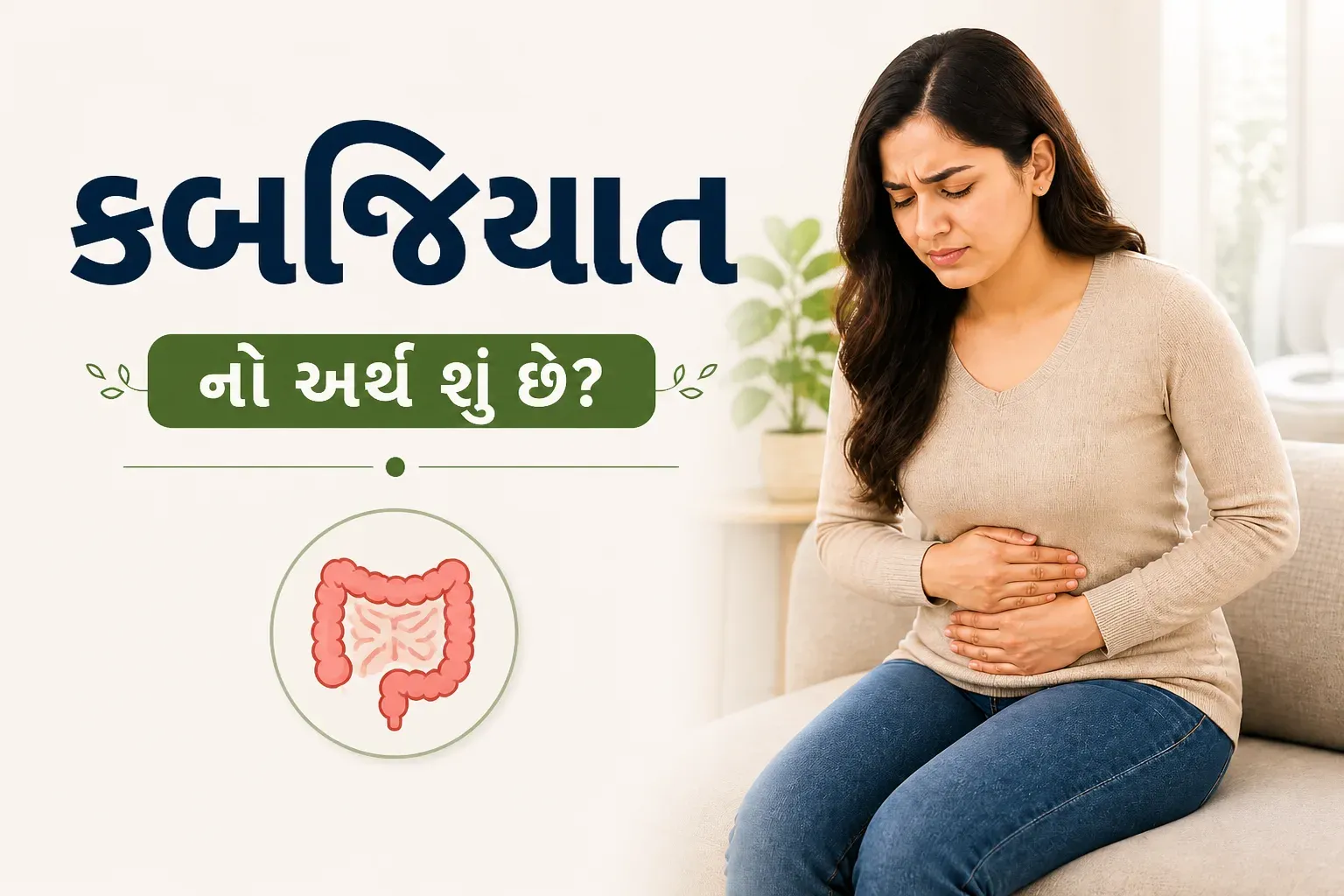
Constipation meaning in Gujarati is કબજિયાત (pronounced kabajiyaat). It refers to a condition where bowel movements become infrequent, difficult, or incomplete, typically defined as fewer than 3 bowel movements per week.
The meaning of constipation in Gujarati in everyday speech is also expressed as પેટ સાફ ન થવું (pet saaf na thaavu), meaning "stomach not getting clean." Understanding constipation in your native language helps you recognise symptoms earlier and seek the right treatment faster.
What Is Constipation Meaning in Gujarati?
Constipation meaning in Gujarati is કબજિયાત (kabajiyaat). In plain terms, kabajiyaat is a digestive condition in which the stool becomes hard, dry, or difficult to pass. A person with kabajiyaat may strain during bowel movements, feel bloated, or go more than 3 days without passing stool.
In Gujarati-speaking households, kabajiyaat is also sometimes referred to as પેટ સાફ ન થવું (pet saaf na thaavu), which literally translates to "stomach not getting clean." This everyday phrase captures the discomfort associated with constipation.
Chronic constipation meaning in Gujarati is લાંબા ગાળાની કબજિયાત (Lamba galana kabajiyaat) and severe constipation meaning in Gujarati is તીવ્ર કબજિયાત (Teevra kabajiyaat). Both terms are used clinically and in everyday Gujarati health conversations.
Key Gujarati terms related to constipation:
- કબજિયાત (kabajiyaat), constipation
- મળ (mal), stool
- પાચન (pāchan), digestion
- આંતરડા (āntaradā), intestines
- પેટ ફૂલવું (pet phūlvuṃ), bloating
- ઝાડા (jhādā), loose motions (opposite of constipation)
According to Mool Health's gut wellness team, kabajiyaat affects an estimated 22% of adults in India, making it one of the most common digestive complaints across Gujarati-speaking populations. For a complete medical understanding, see what is constipation and how it is clinically defined.
How Does Constipation (Kabajiyaat) Work in the Body?
Constipation occurs when the large intestine (આંતરડા) absorbs too much water from food waste, making the stool hard and difficult to move through the colon.
Here is a step-by-step explanation of how kabajiyaat develops:
- Food enters the colon: After digestion, waste material moves into the large intestine.
- Water is absorbed: The colon absorbs water from the waste as it travels through. If movement is slow, too much water is removed.
- Stool becomes hard: Hard, dry stool is difficult for the intestinal muscles to push forward.
- Muscle contractions slow down: Low fibre intake, dehydration, or physical inactivity can reduce colon muscle activity.
- Stool accumulates: Waste builds up, causing bloating, discomfort, and the urge to strain.
- Incomplete evacuation: Even when a person does pass stool, it may feel incomplete.
Mool Health's digestive health experts note that transit time, the time it takes food to travel from mouth to exit, can extend from a normal 24–72 hours to over 96 hours in chronic kabajiyaat cases.
What Are the Main Causes of Kabajiyaat (Constipation)?
Kabajiyaat can develop due to lifestyle, dietary, or medical reasons. In most cases, multiple factors contribute simultaneously.
Common causes of constipation include:
- Low fibre intake: Diets low in fruits, vegetables, and whole grains reduce stool bulk. Adults need 25–38 grams of fibre per day; most Indians consume less than 15 grams daily.
- Inadequate water intake: Drinking fewer than 6–8 glasses of water per day can harden stool.
- Physical inactivity: Sedentary lifestyles slow colon motility. Studies suggest people who exercise regularly have up to 35% lower risk of chronic constipation.
- Ignoring the urge to defecate: Repeatedly delaying bowel movements trains the bowel to become less responsive.
- High consumption of refined foods: Maida-based foods, processed snacks, and dairy-heavy diets common in some Gujarati eating patterns may contribute to kabajiyaat.
- Stress and anxiety: The gut-brain connection means emotional stress directly slows gut movement.
- Medications: Iron supplements, certain antacids, and painkillers can cause or worsen kabajiyaat.
- Medical conditions: Hypothyroidism, irritable bowel syndrome (IBS), and diabetes are commonly associated with constipation.
- Pregnancy: Hormonal changes during pregnancy slow bowel movements; kabajiyaat during pregnancy (ગર્ભાવસ્થા દરમ્યાન કબજિયાત) is reported by up to 40% of pregnant women. See constipation in pregnancy for a full guide.
For a comprehensive breakdown of all contributing factors, see the full guide on causes of constipation.
What Are the Types of Constipation?
Kabajiyaat is not a single condition. Mool Health classifies constipation into three main types based on mechanism and cause:
| Type | Gujarati Context | Key Feature | Common Cause |
|---|---|---|---|
| Normal Transit Constipation | Most common type | Stool moves at normal speed but feels hard to pass | Low fibre, low fluid intake |
| Slow Transit Constipation | Less frequent bowel movements overall | Colon muscles contract weakly | Nerve issues, sedentary lifestyle |
| Pelvic Floor Dysfunction | Straining despite urge | Pelvic muscles don't coordinate properly during defecation | Nerve or muscle dysfunction |
Normal Transit Constipation
This is the most common form of kabajiyaat. Stool moves through the colon at a normal pace but feels difficult to pass due to dryness or hardness. Dietary changes typically resolve this within 1–2 weeks.
Slow Transit Constipation
In slow transit constipation, the colon muscles contract too infrequently. Bowel movements may occur only once every 5–10 days. This type may require medical evaluation if it persists beyond 4 weeks.
Pelvic Floor Dysfunction
This type occurs when the muscles around the rectum don't relax properly during a bowel movement. Straining is the primary symptom even when the urge is present. Pelvic floor physiotherapy is often recommended.
What Are the Symptoms of Kabajiyaat?
The primary symptom of kabajiyaat is fewer than 3 bowel movements per week. Additional symptoms include:
- Hard, lumpy, or dry stool
- Straining for more than 10–15 minutes per bowel movement
- Feeling of incomplete evacuation after passing stool
- Bloating or abdominal discomfort (પેટ ફૂલવું)
- Loss of appetite
- Mild nausea in some cases
According to Mool Health's clinical observations, people with chronic constipation meaning in Gujarati context, lasting more than 3 months, are more likely to report associated symptoms such as fatigue and mood changes, likely linked to the gut-brain axis.
How to Treat and Relieve Constipation (Kabajiyaat): Step-by-Step
Kabajiyaat responds well to lifestyle-first approaches in most cases. Mool Health recommends the following steps:
Step 1, Increase dietary fibre
Add 5–10 grams of fibre per day gradually to avoid gas. Good sources include papaya, guava, amla, chikoo, oats, and whole wheat rotli. Target 25–30 grams per day total.
Step 2, Drink adequate water
Drink at least 8 glasses (2 litres) of water daily. Warm water first thing in the morning can stimulate bowel movement within 20–30 minutes.
Step 3, Move your body daily
Even 30 minutes of brisk walking per day has been shown to improve colon transit time by up to 30%. Physical activity stimulates peristalsis, the wave-like muscle contractions that move stool forward.
Step 4, Establish a toilet routine
Sit on the toilet at the same time each day, ideally 15–20 minutes after breakfast, when the gastrocolic reflex (a natural bowel signal triggered by eating) is strongest.
Step 5, Adopt a correct squatting posture
Using a footstool to raise your feet while seated on the toilet aligns the anorectal angle, making stool passage easier and reducing straining.
Step 6, Include probiotic-rich foods
Fermented foods such as chaas (buttermilk), dahi (curd), and idli may improve gut bacteria balance and ease kabajiyaat over 2–4 weeks.
Step 7, Consider fibre supplements if needed
Isabgol (psyllium husk) is widely available and effective. Take 5–10 grams with a full glass of water at bedtime. Results are typically seen within 12–24 hours.
Step 8, Consult a doctor for persistent cases
If kabajiyaat lasts more than 3 weeks despite lifestyle changes, seek medical evaluation. A doctor may recommend short-term laxatives or investigate underlying causes.
For additional daily habits that support long-term gut health alongside kabajiyaat management, see improve digestion naturally at home.
Best Practices for Managing Kabajiyaat: Expert Tips from Mool Health
Mool Health's gut health team recommends the following best practices for preventing and managing kabajiyaat:
- Eat seasonal fruits daily: Papaya and guava are widely consumed in Gujarat and naturally high in fibre and digestive enzymes.
- Do not skip breakfast: Eating breakfast triggers the gastrocolic reflex, stimulating bowel movement.
- Limit maida (refined flour): Theplas, fafda, and other maida-heavy snacks common in Gujarati cuisine can slow digestion when consumed in excess.
- Avoid iron supplements on an empty stomach: Iron commonly causes kabajiyaat; take it with food or switch to a gentler formulation after consulting your doctor.
- Don't strain or rush: Straining increases pressure in the rectum and can cause haemorrhoids (piles/bawasir) over time.
- Track your bowel habits: Note frequency, consistency, and effort. This helps your doctor assess whether kabajiyaat is functional or has an underlying cause.
- Stay consistent with hydration: Dehydration is one of the most reversible causes of kabajiyaat. Small, regular sips throughout the day are more effective than drinking large amounts at once.
- Using laxatives daily without medical supervision, can lead to dependency
- Drinking tea or coffee as a replacement for water, caffeine is mildly dehydrating
- Eating very low amounts of carbohydrates, extremely low-carb diets reduce fibre intake
- Ignoring the urge to use the toilet, habitual suppression worsens kabajiyaat over time
Constipation vs. IBS: What Is the Difference?
Both kabajiyaat and irritable bowel syndrome (IBS) involve bowel irregularity, but they are different conditions.
| Feature | Kabajiyaat (Constipation) | IBS-Constipation Type |
|---|---|---|
| Primary issue | Infrequent or hard stool | Abdominal pain + altered bowel habit |
| Abdominal pain | Mild, typically relieved by passing stool | Chronic, recurring, not always relieved |
| Diagnosis | Based on frequency and stool consistency | Requires ruling out other conditions |
| Triggers | Diet, hydration, inactivity | Stress, food sensitivities, hormones |
| Treatment | Fibre, water, lifestyle changes | Multi-modal: diet, stress management, medication |
| Duration | Can be short-term (acute) | Typically chronic (3+ months) |
Mool Health recommends seeing a gastroenterologist if constipation is accompanied by blood in stool, unintentional weight loss, or pain that does not resolve after a bowel movement, as these may indicate a condition beyond simple kabajiyaat. Supporting gut health and microbiome balance through daily dietary habits reduces the risk of both conditions.
What Does the Evidence Say About Constipation Treatments?
Research supports several evidence-based approaches to treating kabajiyaat:
- Fibre supplementation: A 2016 systematic review in the World Journal of Gastroenterology found that dietary fibre increased stool frequency by approximately 1.4 bowel movements per week in adults with chronic constipation [1].
- Psyllium husk (Isabgol): Isabgol has been shown in multiple clinical trials to significantly soften stool and improve frequency within 2–5 days of consistent use [2].
- Physical activity: A randomised controlled trial found that 30 minutes of moderate exercise 5 days per week reduced constipation symptoms by up to 40% compared to a sedentary control group [3].
- Probiotics: Research published in The American Journal of Clinical Nutrition suggests that probiotic supplementation may increase stool frequency by 1.3 bowel movements per week, particularly in adults over 60 [4].
- Hydration: While hydration alone is not sufficient in all cases, studies confirm that increasing fluid intake alongside fibre intake produces significantly better outcomes than fibre alone [5].
Mool Health integrates these evidence-based approaches into personalised gut health protocols for individuals experiencing kabajiyaat.
Key Takeaways
આ માર્ગદર્શિકા કબજિયાતનો ગુજરાતીમાં અર્થ (કબજિયાત), ક્રોનિક અને ગંભીર કબજિયાતનો ગુજરાતીમાં અર્થ, કારણો, પ્રકારો, લક્ષણો અને પગલું-દર-પગલાની સારવાર સમજાવે છે.
Your gut is unique your healing should be too.

Disclaimer
The content provided by Mool Health is for educational and informational purposes only and should not be considered a substitute for professional medical advice, diagnosis, or treatment.