Home Remedies for Allergies: A Complete Guide
Home remedies for allergies may help relieve mild symptoms through saline nasal rinses, allergen avoidance. Learn 10 remedies, safety precautions, and the possible gut health connection.

Ayurvedic Physician at Mool
Published on 10,November 2026
Updated on 30,October 2026
Quick Answer
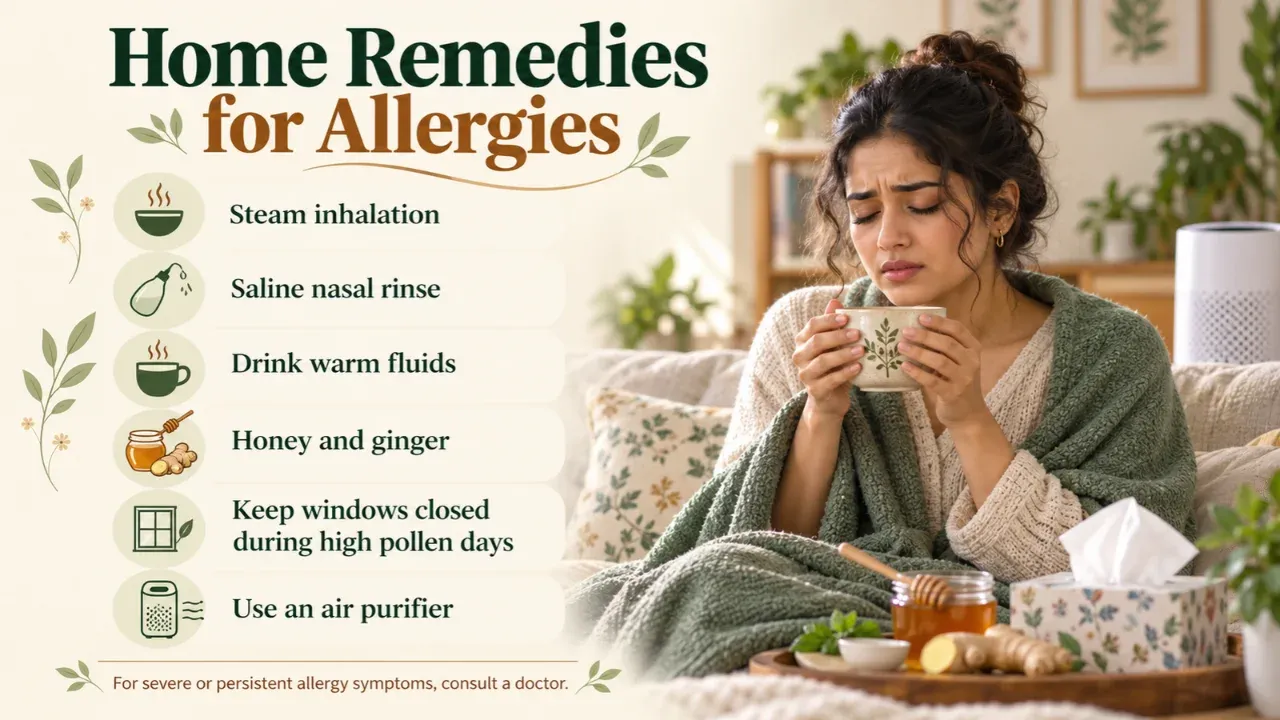
Home remedies for allergies can help ease certain symptoms and reduce exposure to common allergens such as pollen, dust mites, mould and pet dander. Helpful measures include saline nasal rinses, keeping indoor spaces clean, washing bedding regularly, showering after outdoor exposure and avoiding smoke or strong fragrances. However, these remedies do not cure allergies or replace prescribed medication. Their effectiveness also depends on the type of allergy and its severity.
What Are Home Remedies for Allergies?
Home remedies for allergies are simple practices and supportive measures that may help manage allergy-related discomfort without relying entirely on medication. They mainly involve reducing contact with allergens, maintaining a clean indoor environment and using certain methods to ease symptoms.
Allergies occur when the immune system reacts to substances such as pollen, dust mites, pet dander, mould or particular foods. Depending on the allergen, a person may experience nasal irritation, sneezing, itchy eyes, skin discomfort or other reactions.
Home care is generally more useful for managing mild environmental allergy symptoms, such as those associated with pollen or dust. It cannot reliably prevent or treat serious reactions to foods, medicines or insect stings.
10 Home Remedies for Allergies That May Help
The following home remedies may help reduce exposure to allergens or provide relief from some allergy symptoms. Not every method works for every type of allergy.
1. Try a Saline Nasal Rinse
A saline nasal rinse uses a salt-water solution to wash away mucus, dust, pollen and other irritants from the nasal passages. It may help people experiencing nasal congestion or symptoms associated with allergic rhinitis.
A saline rinse can be used with a suitable nasal irrigation bottle or neti pot. However, water safety is essential:
- Use distilled or sterile water, or water that has been boiled and allowed to cool.
- Never use untreated tap water for nasal irrigation.
- Follow the instructions for preparing the saline solution.
- Clean and dry the irrigation device after every use.
Research suggests that saline nasal irrigation may provide modest relief from seasonal allergy symptoms. It is a supportive measure rather than a cure.
2. Keep Your Home Clean and Dust-Free
Dust mites, pet dander and other indoor allergens can collect on bedding, carpets, curtains and upholstered furniture. Regular cleaning may help reduce exposure.
You can make a few changes to your cleaning routine:
- Dust surfaces using a damp cloth instead of dry dusting.
- Vacuum floors and carpets regularly, preferably with a HEPA-filter vacuum.
- Wash curtains and removable fabric covers when appropriate.
- Reduce clutter and items that collect dust.
- Clean areas where dust and pet dander tend to accumulate.
Avoid using strongly scented cleaning products if fragrances irritate your nose or airways.
3. Wash Bedding Regularly
Dust mites are microscopic organisms commonly found in mattresses, pillows, blankets and upholstered furniture. Their allergens can contribute to indoor allergy symptoms.
To reduce exposure:
- Wash bedsheets, pillowcases and blankets regularly.
- Follow fabric care instructions and use a hot wash when suitable.
- Consider allergen-resistant covers for mattresses and pillows.
- Keep soft toys and unnecessary fabric items away from the bed.
- Keep the bedroom clean and well-ventilated.
These steps may be particularly useful for people sensitive to dust mites.
4. Reduce Exposure to Pollen
Pollen from trees, grasses and weeds can trigger seasonal allergies. It may enter the home through open windows, clothing, footwear and hair.
Consider the following precautions:
- Check local pollen forecasts before spending extended time outdoors.
- Keep windows closed when pollen levels are high.
- Wear sunglasses when outdoors to reduce pollen exposure to the eyes.
- Avoid drying clothes or bedsheets outdoors during high-pollen periods.
- Shower and change clothes after returning home.
- Wash your hair if you have spent considerable time outside.
These habits can help limit the amount of pollen brought into your living space.
5. Control Indoor Moisture and Mould
Mould grows in damp areas and releases spores that can trigger allergic reactions in sensitive individuals. Bathrooms, kitchens, damp walls and poorly ventilated spaces may encourage mould growth.
To reduce exposure:
- Fix leaking taps, pipes and roofs.
- Keep bathrooms and kitchens dry and ventilated.
- Clean visible mould safely and address the source of moisture.
- Use an exhaust fan in areas that regularly become damp.
- Consider a dehumidifier if indoor humidity remains high.
Keeping indoor humidity under control can help discourage mould growth and reduce some indoor allergens.
6. Limit Contact With Pet Allergens
Pet allergies are commonly associated with proteins found in animal skin flakes, saliva and urine. These allergens can remain on furniture, bedding and clothing.
If you are sensitive to pet allergens:
- Keep pets out of the bedroom.
- Wash your hands after handling animals.
- Clean pet bedding regularly.
- Vacuum furniture and floors frequently.
- Ask someone who is not allergic to groom the pet, preferably outside.
If pet exposure causes persistent or significant symptoms, discuss appropriate management with a healthcare professional.
7. Use a Cool Compress for Itchy Eyes
A cool compress may provide temporary comfort when the eyes feel itchy or irritated due to allergies.
To use one:
- Take a clean, soft washcloth.
- Wet it with cool water.
- Gently place it over closed eyes for a few minutes.
- Repeat if needed using a clean cloth.
Avoid rubbing your eyes, as this can increase irritation. A cool compress may soothe discomfort but does not treat the underlying allergic reaction.
8. Avoid Smoke and Strong Fragrances
Smoke, perfumes, room fresheners and strong cleaning products can irritate the nose and airways. They may also make existing allergy-related discomfort feel worse.
Try to:
- Avoid cigarette smoke and second-hand smoke.
- Limit the use of heavily scented candles and room fresheners.
- Choose fragrance-free household products when possible.
- Keep indoor spaces ventilated while cooking or cleaning.
- Avoid exposure to strong chemical fumes.
Reducing these irritants may help make the indoor environment more comfortable.
Also Read: Dry Cough
9. Shower and Change Clothes After Outdoor Activities
Pollen and other outdoor particles can settle on the skin, hair and clothing. Bringing them indoors may increase exposure, especially during allergy seasons.
After spending time outside:
- Change out of outdoor clothing.
- Wash exposed skin.
- Shower and rinse your hair when necessary.
- Keep outdoor footwear near the entrance.
- Avoid placing worn outdoor clothes on beds or sofas.
This is a simple way to reduce the transfer of outdoor allergens into your home.
10. Maintain a Consistent Indoor Cleaning Routine
A regular cleaning schedule can help manage exposure to different indoor allergens. Focus on areas where dust, mould and pet allergens may collect.
A helpful routine includes:
- Cleaning floors and frequently touched surfaces.
- Washing bedding and pet bedding regularly.
- Keeping kitchens and bathrooms dry.
- Removing accumulated dust from furniture.
- Checking damp areas for signs of mould.
- Keeping pets away from sleeping areas if they trigger allergies.
The goal is not to make the home completely allergen-free, which may not be possible, but to reduce avoidable exposure.
Home Remedies for Different Types of Allergies
Home care depends on the type of allergy. A remedy that helps with nasal symptoms may not be useful for a food allergy or a reaction to medication.
Home Remedies for Dust Allergies
People sensitive to dust mites may benefit from:
- Washing bedding regularly.
- Using allergen-resistant mattress and pillow covers.
- Cleaning surfaces with a damp cloth.
- Vacuuming with a HEPA-filter vacuum.
- Reducing dust-collecting clutter in the bedroom.
Home Remedies for Pollen Allergies
For seasonal pollen allergies, consider:
- Keeping windows closed during high-pollen periods.
- Wearing sunglasses outdoors.
- Showering after returning home.
- Changing outdoor clothes.
- Avoiding drying laundry outside when pollen levels are high.
Home Remedies for Skin Allergies
For mild skin irritation, a cool compress may provide temporary comfort. Avoid scratching the affected area and stop using products that appear to irritate the skin.
However, not every rash is caused by an allergy. Persistent, spreading or severe skin reactions should be assessed by a healthcare professional.
Home Remedies for Food Allergies
There is no reliable home remedy that prevents or reverses a food allergy. The most important step is to avoid the food that has been identified as an allergen and follow a healthcare professional's allergy management plan.
Do not try to treat a food allergy by drinking herbal preparations, eating honey or introducing small amounts of the suspected food at home.
Home Remedies for Pet Allergies
Reducing contact with pet allergens may help limit exposure. Keep pets away from bedrooms, wash your hands after handling them and clean furniture and pet bedding regularly.
If symptoms continue despite these changes, professional advice may be needed.
Allergies and Gut Health: Is There a Connection?
The gut microbiome is the community of microorganisms that live in the digestive tract. Researchers are studying how these microorganisms interact with the immune system and whether differences in gut microbial composition are associated with allergic conditions.
Some research has explored possible links between gut microbiome patterns, food allergies and allergic conditions such as eczema and allergic rhinitis. However, the findings are still developing. There is not enough consistent evidence to recommend probiotics, fermented foods or specific diets as a general home remedy for allergies.
Maintaining a varied, balanced diet can support overall health, but people with confirmed food allergies should avoid their identified allergens and should not experiment with foods or supplements as a way to treat an allergic reaction.
Also Read: Gut Health Tips
Key Takeaways
- Home remedies for allergies may help reduce exposure to allergens and relieve certain mild symptoms, but they do not cure allergies.
- Saline nasal rinses may ease nasal symptoms associated with allergic rhinitis when prepared using safe water.
- Regular cleaning, damp dusting, HEPA-filter vacuuming and washing bedding may help reduce indoor allergens.
- Limiting pollen exposure by checking forecasts, closing windows and showering after outdoor activities may help manage seasonal allergies.
- Controlling indoor moisture, fixing leaks and addressing mould can reduce exposure to mould spores.
- Keeping pets out of bedrooms and cleaning pet bedding can help reduce pet-allergen exposure.
- Cool compresses may provide temporary relief from itchy eyes or mild skin irritation.
- Honey, herbal supplements and probiotics are not established cures for allergies, and evidence for many natural approaches remains limited.
- Home remedies cannot replace appropriate allergy management for food allergies, medicine allergies or potentially serious reactions to insect stings.
- Anaphylaxis is a medical emergency. Difficulty breathing, throat swelling, collapse or severe dizziness requires immediate medical attention.
- Research into the gut microbiome and allergies is ongoing, but gut-health interventions have not been established as universal allergy treatments.
Your gut is unique your healing should be too.

FAQs
Some useful home-care measures include saline nasal rinsing, reducing exposure to pollen and dust mites, washing bedding regularly, keeping indoor spaces dry and clean, and showering after outdoor activities. The most suitable approach depends on the type of allergy.
You can reduce exposure to common allergens by keeping windows closed during high-pollen periods, cleaning surfaces with a damp cloth, washing bedding regularly, controlling indoor moisture and limiting contact with known triggers.
There is no convincing scientific evidence that honey relieves seasonal allergy symptoms. It should not be considered a treatment for pollen or other allergies.
Saline nasal rinsing may help wash away mucus and allergens from the nasal passages and provide modest relief from some seasonal allergy symptoms. Always use distilled, sterile or previously boiled and cooled water for nasal irrigation.
No. Home remedies may help reduce exposure to allergens or ease certain symptoms, but they do not permanently cure allergies. Some people may need medication or specialist care to manage their condition.
No. Home remedies cannot reliably prevent or treat a food allergy. Avoiding the identified food allergen and following a healthcare professional's management plan are essential. Severe allergic reactions require emergency medical care.
Disclaimer
The content provided by Mool Health is for educational and informational purposes only and should not be considered a substitute for professional medical advice, diagnosis, or treatment.