
Stomach Pain at Night: Causes, Relief & Warning Signs
Stomach pain at night may be caused by gas, IBS, ulcers, reflux, gallstones or infections. Learn common causes, relief options and warning signs.

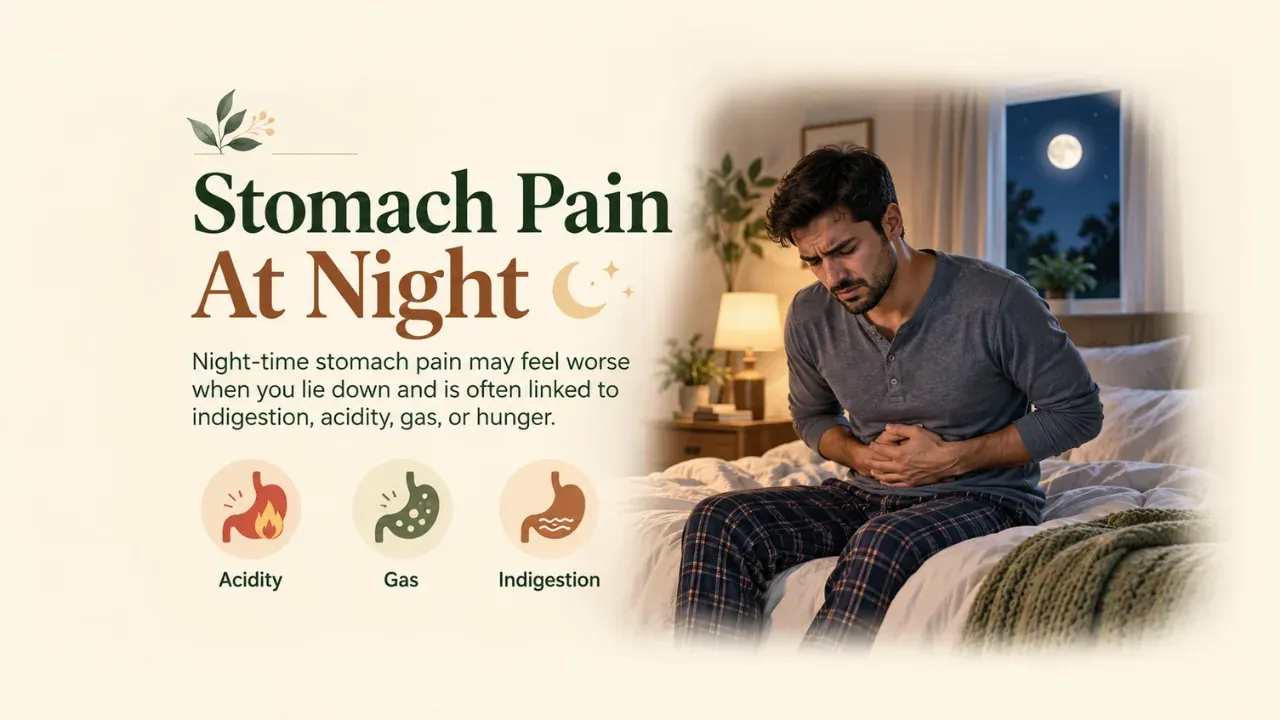
Quick Answer:
Stomach pain at night is abdominal discomfort that occurs or becomes worse during nighttime hours and can range from mild cramping to sharp, severe pain. Common causes include gas, IBS, stomach ulcers, acid reflux, gallstones, infections, and other digestive conditions. Severe, recurring, or worsening nighttime stomach pain may require medical evaluation.
What Can Cause Stomach Pain at Night?
Stomach pain at night most commonly results from ongoing digestive conditions that worsen when you lie down or when the body shifts into its overnight digestive cycle. Below are the most frequently identified causes.
Gas
Gas accumulates in the digestive tract when food is not fully broken down in the small intestine. Lying flat at night slows gas movement through the colon, which can cause bloating, cramping, and sharp pains. Foods high in fibre, lactose, or artificial sweeteners are common triggers. In most cases, gas-related stomach pain at night resolves on its own within a few hours.
Irritable Bowel Syndrome (IBS)
Irritable bowel syndrome (IBS) is a functional digestive disorder affecting approximately 10–15% of the global population [1]. IBS causes abdominal cramping, bloating, diarrhoea, and constipation — often in cycles. Stomach pain from IBS can worsen at night due to stress accumulated during the day, as the gut-brain axis remains active during sleep. IBS-related pain that consistently wakes you from sleep warrants medical evaluation, as this pattern is less typical and may point to another condition.
Stomach Ulcer
A stomach ulcer, also called a peptic ulcer, is an open sore on the lining of the stomach or upper small intestine. Stomach pain from ulcers typically peaks 2–3 hours after eating, when acid levels rise and the stomach is empty — a window that often falls during nighttime hours. The pain is usually described as a burning or gnawing sensation in the upper abdomen. Helicobacter pylori (H. pylori) infection and regular NSAID use are the two leading causes [2].
Diverticulitis
Diverticulitis occurs when small pouches (diverticula) that form in the walls of the colon become inflamed or infected. It affects approximately 4% of people with diverticulosis and is more common in adults over 40 [3]. Stomach pain at night from diverticulitis is typically felt in the lower left abdomen and may be accompanied by fever, nausea, and a change in bowel habits. This condition requires prompt medical assessment.
Acid Reflux
Acid reflux occurs when stomach acid flows back into the oesophagus, causing a burning sensation in the chest or upper abdomen. Lying down after eating significantly increases the risk because gravity no longer helps keep acid in the stomach. Stomach pain at night related to acid reflux is common in people who eat late, consume alcohol, or have a hiatal hernia. Chronic acid reflux is diagnosed as gastro-oesophageal reflux disease (GORD/GERD) and affects roughly 20% of adults in Western populations [4].
Gallstones
Gallstones are hardened deposits of digestive fluid that form in the gallbladder. They can block bile ducts, causing intense pain in the upper right abdomen that often radiates to the back or right shoulder. Gallstone attacks — known as biliary colic — frequently occur at night, typically 1–2 hours after a fatty meal. The pain can last from 30 minutes to several hours and may be accompanied by nausea or vomiting.
Sudden-Onset Conditions That May Cause Stomach Pain at Night
Some causes of stomach pain at night appear suddenly and may indicate a medical emergency. These conditions require immediate evaluation rather than home management.
Kidney Stones
Kidney stones are hard mineral deposits that form in the kidneys and cause severe pain as they move through the urinary tract. The pain — called renal colic — is typically felt in the flank or lower abdomen and may radiate to the groin. Kidney stone pain is often described as one of the most intense pain experiences and can begin at any time, including during sleep. Additional symptoms include blood in the urine, nausea, and an urgent need to urinate.
Viral Gastroenteritis
Viral gastroenteritis, commonly called stomach flu, is an intestinal infection caused by viruses such as norovirus or rotavirus. It causes sudden-onset stomach pain, cramping, nausea, vomiting, and diarrhoea. Symptoms typically begin within 12–48 hours of exposure and can be particularly disruptive during nighttime hours. Most healthy adults recover within 1–3 days with adequate hydration.
Food Poisoning
Food poisoning results from consuming food or water contaminated with bacteria, viruses, or toxins. Symptoms — including severe stomach pain, cramping, vomiting, and diarrhoea — can appear within hours of eating and frequently peak at night. Bacterial causes such as Salmonella and Campylobacter are among the most common culprits [5]. Mild cases resolve within 24–48 hours, but severe or prolonged symptoms require medical attention.
Cardiac Event
In some cases, what feels like stomach pain at night may be a cardiac event, particularly a heart attack. The heart shares nerve pathways with the upper abdomen, so cardiac pain can present as upper abdominal discomfort, nausea, or indigestion-like symptoms — especially in women and people with diabetes. If stomach pain at night is accompanied by chest tightness, shortness of breath, sweating, or pain radiating to the arm or jaw, seek emergency care immediately.
How to Treat Stomach Pain at Night
Treatment for stomach pain at night depends directly on the underlying cause. There is no single remedy that addresses all types of nighttime abdominal pain.
- Gas and bloating: Over-the-counter simethicone products can help break up gas. Avoiding carbonated drinks, high-fibre foods before bedtime, and eating slowly may reduce frequency.
- IBS: Dietary changes — particularly a low-FODMAP diet — can reduce IBS symptoms in up to 76% of patients [1]. Antispasmodic medications may be prescribed for cramping.
- Stomach ulcers: Treatment typically involves a combination of proton pump inhibitors (PPIs) to reduce acid and antibiotics if H. pylori is present. Avoid NSAIDs and alcohol during treatment.
- Diverticulitis: Mild cases may be managed with a liquid diet and oral antibiotics. Severe cases may require hospitalisation or surgery.
- Acid reflux: Elevating the head of the bed by 15–20 cm, avoiding meals within 3 hours of bedtime, and taking antacids or PPIs are standard first-line approaches.
- Gallstones: Symptomatic gallstones are usually treated with surgical removal of the gallbladder (cholecystectomy), which is a routine and highly effective procedure.
- Kidney stones: Small stones may pass on their own with increased fluid intake and pain relief. Larger stones may require lithotripsy or surgical intervention.
- Viral gastroenteritis and food poisoning: Oral rehydration and rest are the primary treatments. Medical care is needed if symptoms are severe or prolonged.
When to See a Doctor
Stomach pain at night should be evaluated by a doctor if any of the following are present:
- Pain that is severe, sudden, or rapidly worsening
- Pain that regularly wakes you from sleep
- Pain accompanied by fever above 38°C (100.4°F)
- Blood in stool, vomit, or urine
- Unexplained weight loss over a short period
- Yellowing of the skin or eyes (jaundice)
- Pain radiating to the chest, arm, or jaw
- Symptoms persisting beyond 48–72 hours without improvement
Mool Health recommends treating any stomach pain at night that disrupts sleep more than once a week as a symptom worth discussing with a healthcare provider, even if the pain feels manageable.
What You Can Do Now
If you are experiencing stomach pain at night and have not yet seen a doctor, the following steps can help you manage symptoms and gather useful information.
Keep a Journal
Track when stomach pain at night occurs, its location, severity (1–10 scale), duration, and any associated symptoms. Note what you ate, your stress levels, and your sleep position. This information helps clinicians identify patterns and significantly speeds up diagnosis. A one-week journal is typically sufficient to identify recurring triggers.
Try First-Line Treatments
For mild stomach pain at night without alarming symptoms, first-line options include:
- Take an antacid if you suspect acid reflux or indigestion
- Apply a warm compress to the abdomen to ease cramping
- Drink clear fluids — water or diluted electrolyte drinks — if nausea is present
- Avoid eating for 1–2 hours and observe whether pain subsides
- Try simethicone if bloating and gas are the primary complaints
Make Lifestyle Changes
Several lifestyle adjustments can reduce the frequency and severity of stomach pain at night:
- Eat earlier: Finish your last meal at least 2–3 hours before lying down
- Reduce trigger foods: Limit fatty, spicy, and highly processed foods, particularly in the evening
- Limit alcohol and caffeine: Both increase acid production and can irritate the gut lining
- Manage stress: The gut-brain connection means psychological stress can directly worsen digestive symptoms
- Sleep position: Sleeping on your left side may reduce acid reflux symptoms compared to the right side or lying flat
See a Doctor
If stomach pain at night is recurring, worsening, or accompanied by any red-flag symptoms listed above, book an appointment with your GP or a gastroenterologist. A clinical evaluation may include a physical examination, blood tests, stool tests, endoscopy, or abdominal imaging depending on your symptom profile. Early diagnosis leads to faster, more effective treatment in most cases.
Mool Health's integrated health platform connects individuals with qualified clinicians who can assess stomach pain at night and recommend evidence-based next steps without unnecessary delays.
Key Takeaways
- Stomach pain at night has multiple potential causes ranging from benign (gas, mild acid reflux) to serious (gallstones, cardiac events), and the cause determines the correct treatment.
- Lying down after eating, the body's overnight digestive cycle, and reduced distraction from daytime activity all contribute to why stomach pain may feel worse or more noticeable at night.
- Stomach pain at night that wakes you from sleep, occurs frequently, or is accompanied by fever, blood, or weight loss requires prompt medical evaluation.
- First-line home management — antacids, warm compresses, dietary adjustments, and improved sleep positioning — is appropriate only for mild, infrequent cases without alarm symptoms.
- Keeping a symptom journal for one to two weeks can significantly accelerate diagnosis by identifying patterns in timing, food triggers, and associated symptoms.
- Lifestyle changes including earlier mealtimes, reduced alcohol and caffeine intake, and left-side sleeping position can meaningfully reduce the frequency of acid reflux and gas-related nighttime stomach pain.
- Mool Health recommends consulting a qualified clinician for any stomach pain at night that recurs more than once per week or interferes with sleep quality over time.
Your gut is unique your healing should be too.

FAQs
Stomach pain at night is often position-related. Lying flat allows stomach acid to travel more easily into the oesophagus, gas moves more slowly through the colon, and certain conditions like ulcers produce more pain when the stomach is empty — which typically coincides with nighttime hours. Reduced activity also means fewer distractions from pain that may be present but unnoticed during the day.
Simethicone tablets can help break up trapped gas. A warm compress applied to the abdomen may ease muscle cramping. Peppermint tea has shown some evidence of reducing IBS-related spasms in small studies. Avoiding lying down immediately after eating and sleeping on your left side are also commonly recommended first steps. These measures are suitable for mild, infrequent stomach pain at night only.
Stomach pain at night may be accompanied by bloating, nausea, vomiting, changes in bowel habits (diarrhoea or constipation), heartburn, fever, or loss of appetite. The combination of symptoms is usually the most useful indicator of the underlying cause. Fever with abdominal pain, for example, points more strongly toward an infection or inflammatory condition than a functional disorder like IBS.
Morning abdominal pain that coincides with waking is commonly associated with IBS (which often causes urgency or cramping in the morning), peptic ulcers (empty stomach increases acid contact with the ulcer), or acid reflux. In some individuals, cortisol released during the early morning hours can stimulate gut motility and trigger cramping. If morning pain is consistently severe or paired with other symptoms, medical evaluation is recommended.
Stomach pain at night that wakes you from sleep is not considered a normal functional symptom. Conditions like IBS typically do not cause pain severe enough to interrupt sleep. Pain that reliably wakes you from sleep is more likely to indicate an organic condition — such as an ulcer, gallstones, or inflammatory bowel disease — and should be assessed by a doctor.
Stomach pain at night caused by gas or mild indigestion typically resolves within 30 minutes to a few hours. Food poisoning and viral gastroenteritis may cause stomach pain for 1–3 days. Pain that persists beyond 72 hours, worsens over time, or recurs on multiple nights warrants medical review. Mool Health advises against waiting more than one week before seeking assessment for recurring nighttime abdominal pain.
Yes, psychological stress can directly cause or worsen stomach pain at night through the gut-brain axis — the bidirectional communication network between the central nervous system and the enteric nervous system. Stress increases gut sensitivity, alters motility, and can exacerbate conditions like IBS and acid reflux. Managing stress through techniques such as progressive muscle relaxation or structured breathing before bed may reduce the frequency of stress-related nighttime stomach pain.
Disclaimer
The content provided by Mool Health is for educational and informational purposes only and should not be considered a substitute for professional medical advice, diagnosis, or treatment.