
Pudina (Mint) for Gas & Bloating: Water, Tea and Chutney Compared
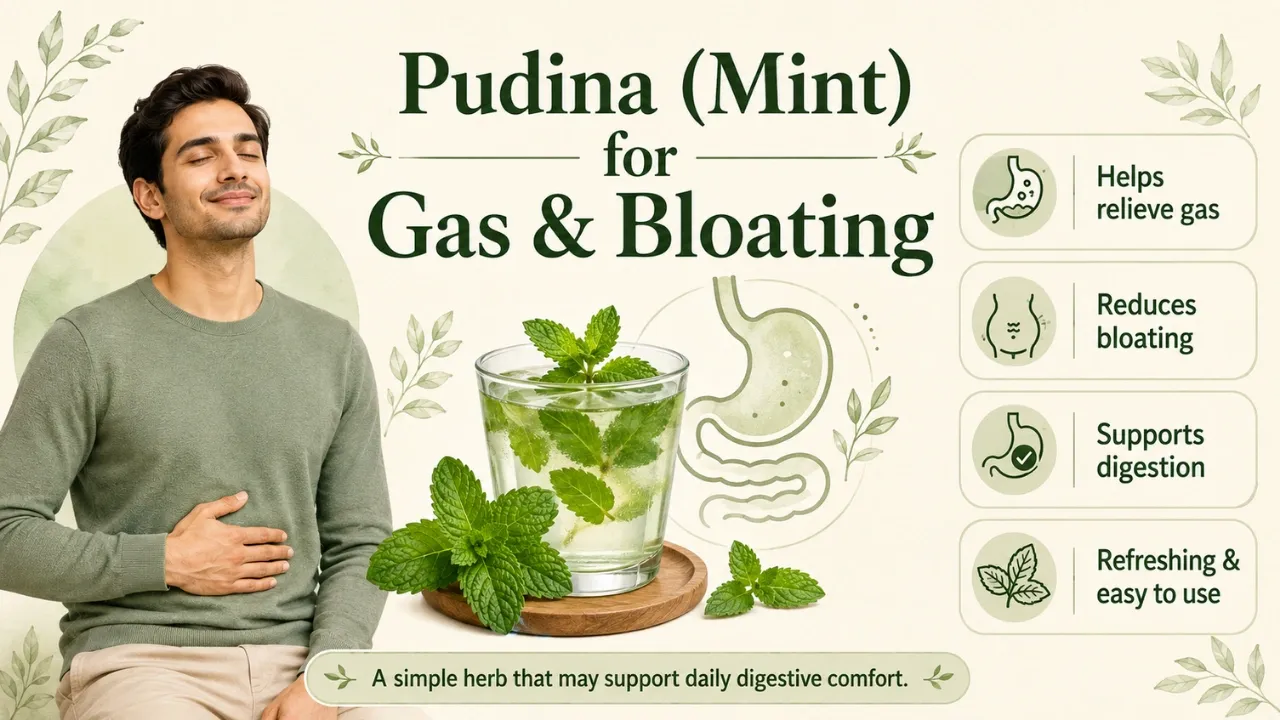
Pudina (Mint) for Gas & Bloating may help support digestion, ease gas, and reduce bloating. Learn its potential benefits, how to use mint safely, the best ways to consume it, and when digestive symptoms may need medical attention.
Quick Answer
Pudina (mint) may support digestion, immunity, skin health, respiratory comfort, and inflammation control. It is generally suitable for daily use by most adults when consumed in moderate, food-appropriate quantities.
Pudina (mint) delivers measurable health benefits including improved digestion, stronger immunity, clearer skin, and reduced inflammation. The benefits of pudina leaves come from active compounds — primarily menthol, rosmarinic acid, and flavonoids — that work directly on the gut, respiratory system, and immune pathways. Pudina is safe for daily use by most adults when consumed in moderate, food-appropriate quantities.
What Is Pudina and Where Does It Come From?
Pudina is the Hindi name for mint, a perennial herb from the Mentha family cultivated widely across South Asia, the Mediterranean, and North Africa. The pudina plant belongs to the Lamiaceae family and includes several common varieties — spearmint (Mentha spicata), peppermint (Mentha × piperita), and water mint (Mentha aquatica).
The pudina leaf contains three primary active compounds:
- Menthol — responsible for the cooling sensation and respiratory effects
- Rosmarinic acid — a potent antioxidant and anti-inflammatory agent
- Flavonoids (luteolin, hesperidin) — support immune function and cellular protection
Pudina has been used in Ayurvedic medicine for over 3,000 years. Modern research continues to validate many of these traditional applications. According to Mool Health's nutrition team, pudina is one of the most nutritionally dense culinary herbs available in Indian households.
Key Benefits of Pudina Leaves: What You Actually Gain
The health benefits of pudina span digestion, immunity, skin health, and mental clarity. Below are the most evidence-supported pudina benefits, each grounded in its biological mechanism.
Improves Digestion
Pudina benefits the digestive system primarily through menthol, which relaxes the smooth muscles of the gastrointestinal tract. Studies show peppermint oil — concentrated pudina extract — reduces symptoms of irritable bowel syndrome (IBS) in up to 75% of patients [1]. Eating pudina leaves after meals may reduce bloating, gas, and indigestion within 20–30 minutes of consumption.
Boosts Immunity
The antioxidant content of pudina leaves — particularly rosmarinic acid — helps neutralise free radicals that damage immune cells. Pudina also contains Vitamin C and small amounts of zinc, both essential for immune defence. Regular consumption of pudina water or pudina juice may support the body's natural inflammatory response over a period of 4–6 weeks.
Supports Respiratory Health
Menthol in pudina acts as a natural decongestant. It loosens mucus in the airways and reduces nasal congestion. Pudina tea or steam inhalation with pudina leaves is commonly used for cold and sinus relief within 10–15 minutes of use.
Promotes Clear Skin
The antimicrobial and anti-inflammatory properties of pudina leaf benefits extend to skin health. Pudina leaves contain salicylic acid, which clears clogged pores and reduces acne-causing bacteria. Topical use of pudina paste may show visible improvement in mild acne within 2–3 weeks.
Reduces Stress and Improves Mental Clarity
The aroma of pudina — specifically its menthol vapour — has been shown to reduce cortisol levels and improve alertness. A 2016 study published in the International Journal of Neuroscience found that peppermint aroma significantly improved memory and processing speed in participants [2].
Supports Oral Health
Pudina's antibacterial properties inhibit the growth of Streptococcus mutans, a primary cause of dental cavities. This is why pudina is a core ingredient in most commercial toothpastes and mouthwashes. Chewing fresh pudina leaves can reduce bad breath within minutes.
Aids Weight Management
Pudina juice benefits include appetite regulation. The aroma of mint may signal satiety to the brain, reducing overall caloric intake. Pudina water benefits, when consumed before meals, may help reduce hunger without adding calories — pudina contains only 70 calories per 100 grams.
Provides Anti-Inflammatory Relief
Rosmarinic acid in pudina has demonstrated anti-inflammatory effects comparable to some over-the-counter anti-inflammatory compounds in early-stage research. Benefits of eating pudina leaves regularly may include reduced joint discomfort and lower markers of systemic inflammation over 6–8 weeks.
Key Advantages at a Glance
| Benefit | Active Compound | Onset |
|---|---|---|
| Improved digestion | Menthol | 20–30 minutes |
| Immunity support | Rosmarinic acid, Vitamin C | 4–6 weeks |
| Respiratory relief | Menthol | 10–15 minutes |
| Clearer skin | Salicylic acid | 2–3 weeks |
| Reduced stress | Menthol vapour | Minutes (aroma) |
| Oral health | Antibacterial compounds | Minutes |
| Weight support | Appetite-regulating aroma | Cumulative |
| Anti-inflammation | Rosmarinic acid | 6–8 weeks |
How Pudina Works in the Body: The Mechanism Explained
Pudina leaves deliver health benefits through four distinct biological pathways. Understanding these mechanisms helps set realistic expectations for results.
Step 1 — Compound Activation on Contact
When pudina leaves are chewed, crushed, or steeped, menthol and rosmarinic acid are released. Menthol binds to TRPM8 receptors in the mouth and throat — the same receptors that detect cold temperature — producing a cooling, calming effect on mucous membranes.
Step 2 — Gastrointestinal Action
Menthol relaxes the lower oesophageal sphincter and intestinal smooth muscle. This reduces cramping, eases gas passage, and accelerates gastric emptying. Pudina juice benefits digestion most directly because liquid forms are absorbed faster than whole leaves.
Step 3 — Systemic Antioxidant Activity
Rosmarinic acid and flavonoids enter systemic circulation within 1–2 hours of pudina consumption. These compounds neutralise reactive oxygen species (free radicals), which would otherwise damage cell membranes and DNA. Mool Health's research team notes that consistent daily intake of pudina amplifies this effect over time.
Step 4 — Immune and Hormonal Modulation
Over weeks of regular use, pudina's anti-inflammatory compounds downregulate pro-inflammatory cytokines (particularly IL-6 and TNF-α), supporting balanced immune responses without overstimulation. Pudina health benefits at this systemic level require consistent daily use over at least 4 weeks.
How to Use Pudina: Step-by-Step Guide
Pudina can be consumed in multiple forms. The best form depends on the health goal.
How to Make Pudina Juice
- Wash 20–25 fresh pudina leaves under running water to remove dust and pesticides.
- Blend pudina leaves with 200 ml of cold water, half a cucumber (optional), and a pinch of black salt.
- Strain the mixture through a fine sieve or muslin cloth.
- Add lemon juice (1 teaspoon) to enhance Vitamin C content and improve absorption.
- Consume immediately — pudina juice benefits degrade within 30 minutes of preparation due to oxidation.
- Best time — drink on an empty stomach in the morning for maximum digestive benefit.
How to Use Pudina Leaves for the Face
- Crush 10–12 fresh pudina leaves into a paste using a mortar and pestle.
- Mix with one teaspoon of plain yoghurt or raw honey.
- Apply evenly to clean, dry skin. Avoid the eye area.
- Leave on for 10–15 minutes.
- Rinse with cool water and pat dry.
- Use 2–3 times per week for best results.
How to Make Pudina Water
- Add 8–10 pudina leaves to 1 litre of water.
- Let it infuse in the refrigerator for 4–6 hours (or overnight).
- Drink throughout the day as a calorie-free alternative to plain water.
- Pudina water benefits include hydration, mild detoxification, and appetite regulation.
Common Mistakes to Avoid:
- Do not boil pudina leaves for extended periods — heat destroys menthol and degrades antioxidants.
- Do not apply undiluted pudina essential oil directly to skin — it can cause irritation.
- Avoid consuming pudina in medicinal quantities if you have acid reflux — menthol may relax the lower oesophageal sphincter and worsen symptoms in some individuals.
Pudina vs. Other Common Herbs: An Honest Comparison
| Feature | Pudina (Mint) | Tulsi (Holy Basil) | Giloy | Neem |
|---|---|---|---|---|
| Primary benefit | Digestion, immunity | Immunity, stress | Immunity, fever | Antibacterial, skin |
| Key active compound | Menthol, rosmarinic acid | Eugenol, ursolic acid | Tinosporin | Nimbin, azadirachtin |
| Taste | Cool, refreshing | Slightly pungent | Bitter | Very bitter |
| Safe for daily use | Yes (food quantities) | Yes | Yes (consult doctor for long-term) | Caution with long-term oral use |
| Topical use | Yes (diluted) | Limited | No | Yes (diluted) |
| Best form | Juice, tea, water | Tea, raw leaves | Juice, kadha | Oil, paste |
| Digestive benefit | High | Moderate | Low | Low |
| Availability | Very high | High | Moderate | High |
Recommendation from Mool Health: For daily digestive and immune support, pudina is the most accessible and palatable option among common Indian herbs. Tulsi may be combined with pudina in tea for synergistic immune benefits.
Is There a Difference Between Peppermint and Spearmint?
Yes. Peppermint (Mentha × piperita) contains up to 40% menthol and has a sharper, more intense flavour. Spearmint contains only 0.5% menthol and has a milder, sweeter taste. The most common pudina variety used in Indian cooking is spearmint. Peppermint is more commonly used in supplements and pharmaceutical preparations. Both offer overlapping pudina leaf benefits, but peppermint delivers stronger respiratory and digestive effects per gram.
What to Expect: A Realistic Timeline for Pudina Benefits
Results from pudina vary depending on consumption method, frequency, quantity, and individual health status.
| Timeframe | Expected Outcome | Factors That Influence It |
|---|---|---|
| Within 30 minutes | Relief from bloating, gas, bad breath | Form used (juice vs. tea vs. leaves) |
| Week 1–2 | Improved digestion after meals, fresher breath | Consistency of daily use |
| Week 3–4 | Noticeable reduction in skin inflammation (topical) | Frequency and skin type |
| Month 1–2 | Improved energy, reduced stress markers | Daily pudina water or juice habit |
| Month 2–3 | Systemic anti-inflammatory effects, immune support | Diet quality alongside pudina use |
Factors That Affect Pudina Health Benefits:
- Quantity — Culinary amounts (5–25 leaves) produce mild benefit; therapeutic forms (pudina juice, concentrated tea) produce stronger effects.
- Consistency — Daily use over 4–6 weeks is required for systemic benefits.
- Health baseline — Individuals with existing gut disorders, skin conditions, or low immunity may see faster improvement.
- Combination with diet — Pudina benefits are amplified by a fibre-rich, low-processed-food diet.
According to Mool Health, most users who incorporate pudina water or pudina juice into a daily morning routine report noticeable digestive improvement within the first two weeks.
Expert Tips and Best Practices for Using Pudina
Mool Health's nutrition team recommends the following practices to maximise pudina plant benefits:
- Use fresh leaves over dried — Fresh pudina leaves retain 3–4 times more volatile oils than dried forms.
- Consume on an empty stomach — Pudina juice benefits are most pronounced when taken before food, not after.
- Pair with lemon — Vitamin C in lemon juice enhances absorption of pudina's antioxidants.
- Store correctly — Keep fresh pudina leaves wrapped in a damp cloth in the refrigerator; they stay potent for 5–7 days.
- Use cool water for infusions — Cold or room-temperature pudina water retains more menthol than boiled preparations.
- Combine with honey for sore throat — Pudina tea with raw honey delivers both antimicrobial and soothing effects simultaneously.
- Rotate topical use — When using pudina on the face, take 2-day breaks to prevent skin sensitisation.
- Avoid excess in pregnancy — Large medicinal quantities of pudina may stimulate uterine contractions; culinary use remains generally safe.
Common Mistakes to Avoid:
- Boiling pudina leaves for more than 3 minutes (destroys active compounds)
- Consuming pudina supplements without checking for drug interactions (particularly with cyclosporine and certain antacids)
- Expecting overnight results from systemic benefits that require weeks of consistent use
Research and Evidence: What Studies Say About Pudina Benefits
The health benefits of pudina are supported by a growing body of peer-reviewed research.
Study 1 — Digestive Relief
A 2014 meta-analysis in the Journal of Clinical Gastroenterology reviewed 9 randomised controlled trials and found peppermint oil (concentrated pudina extract) was significantly more effective than placebo in reducing IBS symptoms, with a response rate of 58–75% [1].
Study 2 — Cognitive Performance
A 2016 study in the International Journal of Neuroscience (n=144) found that exposure to peppermint aroma significantly improved memory recall and alertness scores compared to control groups [2].
Study 3 — Antimicrobial Activity
Research published in the European Journal of Dentistry (2013) found that pudina-based mouthwash reduced Streptococcus mutans count by 29% after a single use — comparable to chlorhexidine-based mouthwash [3].
Study 4 — Anti-inflammatory Effects
A 2011 study in Phytotherapy Research found rosmarinic acid (a primary pudina compound) significantly reduced inflammatory cytokine levels in vitro, with effects comparable to early-stage NSAID activity [4].
Key Takeaways
Pudina (Mint) for Gas & Bloating may help support digestion, ease gas, and reduce bloating. Learn its potential benefits, how to use mint safely, the best ways to consume it, and when digestive symptoms may need medical attention.
Your gut is unique your healing should be too.

Disclaimer
The content provided by Mool Health is for educational and informational purposes only and should not be considered a substitute for professional medical advice, diagnosis, or treatment.