
ਫੁੱਲਣਾ ਕੀ ਹੁੰਦਾ ਹੈ? Bloating Meaning in Punjabi Explained
A Punjabi-focused guide explaining bloating meaning, ਪੇਟ ਫੁੱਲਣਾ, ਅਫ਼ਾਰਾ, causes, symptoms, types, relief tips and when to see a doctor.
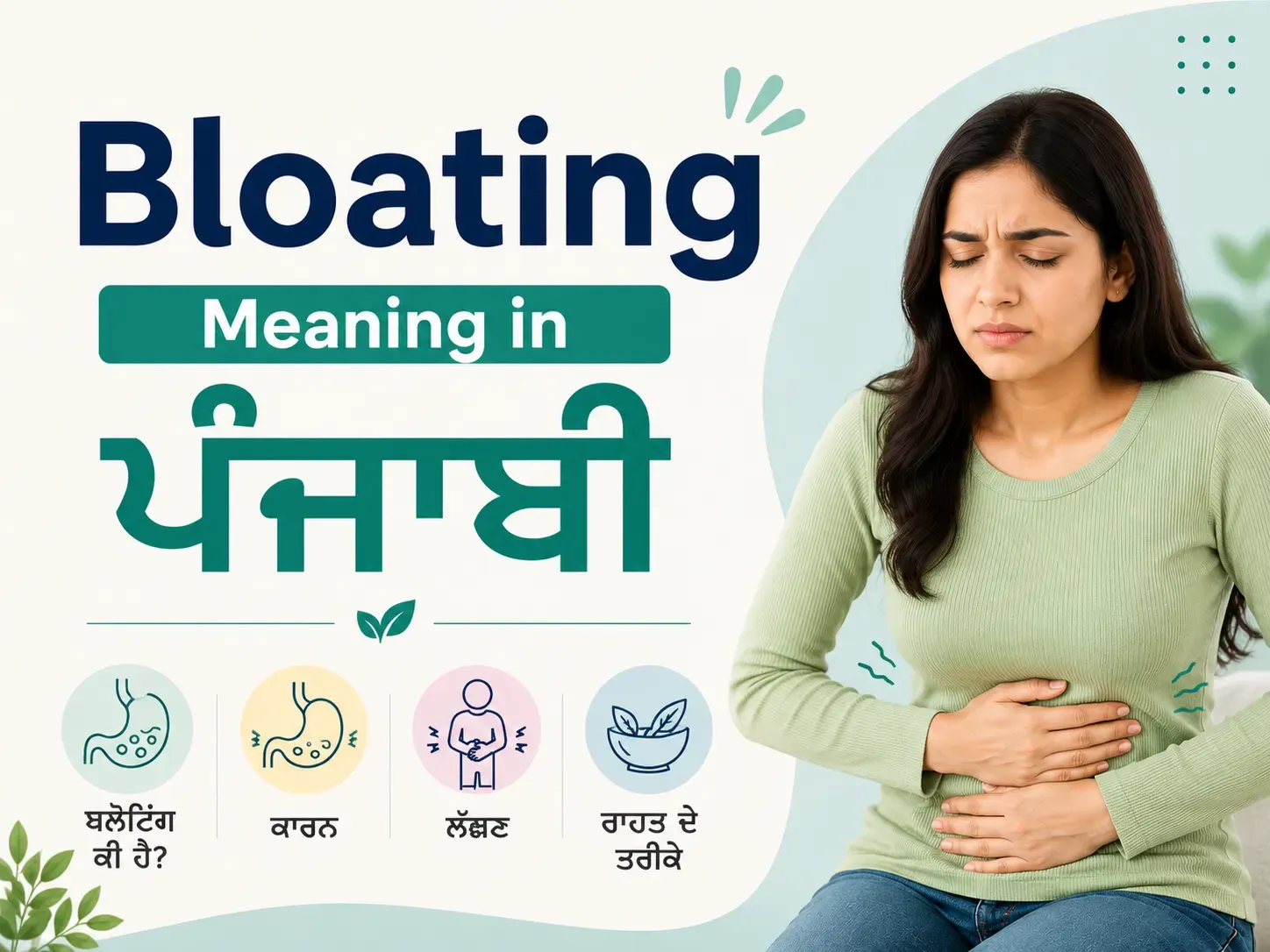
Quick Answer
Bloating in Punjabi is called "ਪੇਟ ਫੁੱਲਣਾ" (pet fulna) or "ਅਫ਼ਾਰਾ" (afara). It describes a condition where the stomach feels tight, swollen, or full of gas - causing visible distension and discomfort. Understanding stomach bloating meaning in Punjabi helps Punjabi-speaking individuals identify symptoms accurately and seek the right care.
What Is Bloating Meaning in Punjabi? A Complete Guide
Bloating meaning in Punjabi is "ਪੇਟ ਫੁੱਲਣਾ" (pet fulna), which literally translates to "stomach swelling." The condition is also commonly referred to as "ਅਫ਼ਾਰਾ" (afara) in everyday Punjabi conversation.
Abdominal bloating meaning in Punjabi specifically refers to swelling or distension in the abdominal region - the area between the chest and the pelvis. When the digestive system traps excess gas, fluid, or food, the belly expands and feels uncomfortably full.
What Exactly Is Bloating (ਪੇਟ ਫੁੱਲਣਾ)?
Bloating is a digestive condition in which the abdomen feels enlarged, tight, or pressurised. The sensation can range from mild discomfort to sharp pain. In Punjabi households, this condition is often described as:
- ਪੇਟ ਫੁੱਲਣਾ (pet fulna) - stomach bloating or stomach swelling
- ਅਫ਼ਾਰਾ (afara) - gas accumulation and fullness
- ਪੇਟ ਵਿੱਚ ਗੈਸ (pet vich gas) - gas in the stomach
- ਪੇਟ ਭਾਰਾ ਲੱਗਣਾ (pet bhara lagna) - heaviness in the stomach
Key Punjabi Terms for Bloating at a Glance
| English Term | Punjabi Term | Pronunciation |
|---|---|---|
| Bloating | ਪੇਟ ਫੁੱਲਣਾ | Pet fulna |
| Stomach bloating | ਪੇਟ ਫੁੱਲਣਾ | Pet fulna |
| Abdominal bloating | ਢਿੱਡ ਫੁੱਲਣਾ | Dhidd fulna |
| Gas / Flatulence | ਗੈਸ / ਅਫ਼ਾਰਾ | Gas / Afara |
| Indigestion | ਬਦਹਜ਼ਮੀ | Badhazmi |
| Distension | ਪੇਟ ਦਾ ਫੈਲਾਅ | Pet da failaa |
Why Knowing Bloating Meaning in Punjabi Matters
Understanding meaning of bloating in Punjabi is important because:
- Many Punjabi-speaking individuals describe symptoms to family or doctors in their native language
- Accurate terminology helps healthcare providers diagnose faster
- Cultural dietary habits - including dal, rajma, and fried foods common in Punjab - are frequent bloating triggers
- Early identification of bloating symptoms can prevent progression to more serious digestive conditions
According to Mool Health's digestive wellness team, over 30% of adults in India report experiencing bloating at least once a week, yet many cannot accurately name or describe their symptoms to a physician.
How Does Stomach Bloating (ਪੇਟ ਫੁੱਲਣਾ) Actually Happen?
Stomach bloating meaning in Punjabi is "ਪੇਟ ਫੁੱਲਣਾ," and it occurs when the digestive tract accumulates excess gas, air, or fluid that the body cannot expel efficiently.
The Core Mechanism: Step by Step
- Food enters the digestive tract. Poorly digested food - especially fibre-rich or fatty items - reaches the large intestine largely unbroken.
- Gut bacteria ferment the food. Bacteria in the colon produce gas (hydrogen, carbon dioxide, methane) as a byproduct of fermentation.
- Gas builds up faster than it can exit. When gas production exceeds the body's ability to pass it, pressure increases inside the abdomen.
- The abdominal wall stretches outward. This stretching causes the visible "swollen belly" appearance - the "ਪੇਟ ਫੁੱਲਣਾ" that people can see and feel.
- Pain signals activate. Nerve endings in the gut wall sense the pressure and send discomfort or pain signals to the brain.
Why Bloating (ਅਫ਼ਾਰਾ) Gets Worse at Certain Times
Bloating typically worsens because:
- Air swallowing during eating or drinking carbonated beverages adds more gas to the system
- Slow gut motility allows gas to accumulate longer
- Hormonal changes in women, particularly before menstruation, slow digestion by up to 30%
- Gut microbiome imbalances increase fermentation rates
Common Misconceptions About ਪੇਟ ਫੁੱਲਣਾ
- Myth: Bloating is always caused by overeating. Fact: Bloating can occur even after small meals if the food type triggers excess fermentation.
- Myth: Drinking water makes bloating worse. Fact: Adequate water (1.5-2 litres/day) actually supports digestion and can reduce bloating.
- Myth: Bloating is harmless and needs no attention. Fact: Chronic bloating lasting more than 4 weeks may indicate an underlying condition requiring medical evaluation.
What Causes Bloating (ਪੇਟ ਫੁੱਲਣਾ)? Common Reasons Explained
Abdominal bloating meaning in Punjabi - "ਢਿੱਡ ਫੁੱਲਣਾ" - can be triggered by dietary, lifestyle, or medical factors. Mool Health's nutrition experts note that in most cases, the cause can be identified and addressed with targeted changes.
Dietary Causes of ਪੇਟ ਫੁੱਲਣਾ
- Gas-producing foods: Dal (lentils), rajma (kidney beans), chhole (chickpeas), and cruciferous vegetables like cauliflower and cabbage are major bloating triggers in Punjabi diets
- Lactose intolerance: Approximately 60-70% of South Asians have some degree of lactose intolerance; milk, paneer, and lassi can cause bloating in this group
- Gluten sensitivity: Wheat-based foods like roti and parantha may trigger bloating in sensitive individuals
- High-fat foods: Fried snacks like pakora and samosa slow gastric emptying, prolonging the feeling of fullness
- Carbonated drinks: Sodas and sparkling water introduce excess gas directly into the gut
- Eating too fast: Swallowing air while eating quickly is a direct contributor to ਅਫ਼ਾਰਾ
Lifestyle Causes
- Irregular meal timings
- Sedentary habits (sitting for more than 6 hours daily increases bloating risk by up to 50%)
- High stress levels, which impair gut motility
- Poor sleep (less than 6 hours per night disrupts gut hormone cycles)
Medical Causes of Chronic ਪੇਟ ਫੁੱਲਣਾ
- Irritable Bowel Syndrome (IBS): Affects approximately 10-15% of Indians; bloating is its most reported symptom
- Small Intestinal Bacterial Overgrowth (SIBO): Excess bacteria in the small intestine causes rapid, severe bloating
- Constipation: Stool buildup directly increases abdominal pressure
- Celiac disease
- Gastroparesis: Delayed stomach emptying
Types of Bloating in Punjabi: Which Kind Are You Experiencing?
Meaning of bloating in Punjabi varies slightly based on the type of bloating experienced. Mool Health classifies bloating into two primary categories to help with targeted management.
Type 1: Gas Bloating (ਗੈਸ ਵਾਲਾ ਅਫ਼ਾਰਾ)
| Feature | Details |
|---|---|
| Punjabi name | ਗੈਸ ਵਾਲਾ ਅਫ਼ਾਰਾ |
| Cause | Excess gas from fermentation or air swallowing |
| Sensation | Gurgling, rumbling, urge to burp or pass gas |
| Duration | Usually resolves within 1-3 hours |
| Triggered by | Dal, beans, cruciferous vegetables, carbonated drinks |
Type 2: Fluid/Fullness Bloating (ਭਾਰ ਵਾਲਾ ਫੁੱਲਣਾ)
| Feature | Details |
|---|---|
| Punjabi name | ਭਾਰ ਵਾਲਾ ਪੇਟ ਫੁੱਲਣਾ |
| Cause | Fluid retention, slow digestion, or overeating |
| Sensation | Heavy, tight, persistent fullness |
| Duration | May last several hours or all day |
| Triggered by | High-sodium foods, hormonal changes, slow motility |
Gas Bloating vs. Fluid Bloating: Quick Comparison
| Factor | Gas Bloating (ਗੈਸ ਅਫ਼ਾਰਾ) | Fluid/Fullness Bloating (ਭਾਰ ਫੁੱਲਣਾ) |
|---|---|---|
| Main cause | Fermentation, air swallowing | Fluid retention, slow digestion |
| Relief method | Walking, gas-release postures | Light movement, reduced sodium |
| Resolution time | 1-3 hours | 4-24 hours |
| Medical concern | Low (if occasional) | Moderate (if chronic) |
How to Manage Bloating (ਪੇਟ ਫੁੱਲਣਾ): Practical Steps
Stomach bloating meaning in Punjabi - "ਪੇਟ ਫੁੱਲਣਾ" - can be managed effectively with dietary, lifestyle, and supplemental strategies. Mool Health recommends a structured approach for lasting relief.
Step-by-Step Guide to Reducing ਪੇਟ ਫੁੱਲਣਾ
Identify trigger foods. Maintain a 7-day food diary. Note which meals precede bloating episodes within 1-2 hours. Common culprits in Punjabi diets: dal, rajma, paneer, and fried snacks.
Soak and cook legumes properly. Soaking dal or rajma for 8-12 hours before cooking reduces gas-producing oligosaccharides by up to 40%, according to food science research.
Eat slowly and chew thoroughly. Aim for 20-30 chews per bite. This reduces air swallowing and improves enzymatic breakdown in the mouth.
Add digestive spices to meals. Jeera (cumin), ajwain (carom seeds), saunf (fennel), and hing (asafoetida) - all common in Punjabi cooking - have clinically demonstrated carminative properties that reduce gas buildup.
Walk for 10-15 minutes after meals. Post-meal walking stimulates gut motility and helps gas move through the digestive tract faster.
Stay hydrated. Drink 1.5-2 litres of water daily. Avoid drinking large quantities of water during meals, as this may dilute digestive enzymes.
Reduce carbonated beverages. Replacing sodas with plain water or jeera water can reduce bloating episodes within 1-2 weeks of consistent change.
Consult a digestive health specialist. If bloating occurs more than 3 times per week despite dietary changes, seek professional evaluation. Mool Health's gut health team can assess for IBS, SIBO, or food intolerances.
Quick-Start Checklist for ਪੇਟ ਫੁੱਲਣਾ Relief
- Soak legumes overnight before cooking
- Add ajwain or jeera to dal and sabzi
- Avoid eating within 2 hours of bedtime
- Walk 10 minutes after lunch and dinner
- Limit lassi or milk if lactose sensitivity is suspected
- Avoid carbonated drinks for 2 weeks and monitor change
Bloating (ਪੇਟ ਫੁੱਲਣਾ) vs. Other Digestive Symptoms: Key Differences
Abdominal bloating meaning in Punjabi is "ਢਿੱਡ ਫੁੱਲਣਾ," but it is often confused with other digestive conditions. Mool Health's clinical team outlines the key distinctions below.
| Condition | Punjabi Name | Main Symptom | Key Difference from Bloating |
|---|---|---|---|
| Bloating | ਪੇਟ ਫੁੱਲਣਾ | Swollen, tight abdomen | Caused by gas or fluid; usually temporary |
| Indigestion | ਬਦਹਜ਼ਮੀ | Discomfort after eating | Pain or burning, not necessarily distension |
| Constipation | ਕਬਜ਼ | Difficulty passing stool | Infrequent bowel movements; bloating is secondary |
| Acidity / GERD | ਐਸੀਡਿਟੀ | Burning in chest/throat | Acid rising upward; differs from abdominal pressure |
| IBS | ਅੰਤੜੀਆਂ ਦੀ ਸਮੱਸਿਆ | Recurring cramps, bloating, altered bowel habits | Chronic pattern with both bloating and bowel changes |
What Does Research Say About Bloating (ਪੇਟ ਫੁੱਲਣਾ)?
Stomach bloating meaning in Punjabi connects to a well-documented global health concern. Mool Health's evidence review highlights the following key findings.
- Prevalence: Studies published in the Journal of Neurogastroenterology and Motility (2020) found that bloating affects 10-30% of the global population, with higher rates in South Asian countries due to fibre-heavy, legume-rich diets.
- Dietary triggers: Research published in Nutrients (2021) confirmed that fermentable oligosaccharides, disaccharides, monosaccharides, and polyols - collectively called FODMAPs - are the primary dietary drivers of bloating in 75% of IBS patients.
- Gut microbiome link: A 2022 review in Gut Microbes found that individuals with lower bacterial diversity in the colon experience bloating episodes 2.3 times more frequently than those with healthy microbiomes.
- Probiotic evidence: A meta-analysis of 15 randomised controlled trials (2021) found that daily probiotic supplementation reduced bloating severity by 20-40% over an 8-week period.
- Lifestyle impact: According to the Indian Journal of Gastroenterology, sedentary individuals report bloating more frequently when long sitting hours, low water intake, irregular meals, and poor sleep are present together.
Key takeaway: Bloating is usually not one single issue. It is often a combination of food fermentation, gut motility, stress, constipation, and microbiome imbalance.
When to See a Doctor for Bloating (ਪੇਟ ਫੁੱਲਣਾ)
Occasional bloating after heavy meals is common. However, recurring or severe ਪੇਟ ਫੁੱਲਣਾ should not be ignored, especially when it affects daily routine or appears with warning symptoms.
See a doctor if bloating is linked with:
- Severe or worsening abdominal pain
- Vomiting that does not settle
- Blood in stool
- Unexplained weight loss
- Fever or weakness
- Persistent constipation or diarrhoea
- Bloating that lasts more than 4 weeks
A structured gut assessment can help identify whether bloating is related to food intolerance, IBS, constipation, acidity, SIBO, or another digestive issue.
Understand Your ਪੇਟ ਫੁੱਲਣਾ Pattern
If bloating, gas, constipation, or ਪੇਟ ਭਾਰਾ ਲੱਗਣਾ keeps repeating, start by understanding your gut pattern instead of guessing with home remedies.
Key Takeaways
A Punjabi-focused guide explaining bloating meaning, ਪੇਟ ਫੁੱਲਣਾ, ਅਫ਼ਾਰਾ, causes, symptoms, types, relief tips and when to see a doctor.
Your gut is unique your healing should be too.

FAQs
Bloating meaning in Punjabi is ਪੇਟ ਫੁੱਲਣਾ (pet fulna) or ਅਫ਼ਾਰਾ (afara). It means the stomach feels full, swollen, tight, or filled with gas.
Stomach bloating meaning in Punjabi is ਪੇਟ ਫੁੱਲਣਾ. It describes abdominal tightness, heaviness, visible swelling, or gas-related fullness after eating.
Abdominal bloating meaning in Punjabi is ਢਿੱਡ ਫੁੱਲਣਾ. It refers to swelling or pressure in the abdominal area between the chest and pelvis.
Not exactly. Gas means air or gas formation in the digestive tract, while ਪੇਟ ਫੁੱਲਣਾ means the abdomen feels swollen or tight because gas, food, or fluid is trapped.
Common Punjabi diet triggers include dal, rajma, chhole, cauliflower, cabbage, paneer, milk, lassi, fried snacks, carbonated drinks, and very spicy or oily meals.
You can reduce bloating by eating slowly, soaking legumes before cooking, walking after meals , limiting carbonated drinks, drinking enough water, and tracking trigger foods.
See a doctor if bloating is severe, frequent, lasts more than 4 weeks, disrupts daily life, or comes with pain, vomiting, blood in stool, fever, or weight loss.
Disclaimer
The content provided by Mool Health is for educational and informational purposes only and should not be considered a substitute for professional medical advice, diagnosis, or treatment.