
What to Eat in Typhoid for Fast Recovery: Complete Diet Guide
A practical guide to what to eat during typhoid, covering hydration, easy-to-digest foods, fruits, foods to avoid, phase-wise recovery, and tips for children.
Quick Answer
A typhoid diet supports recovery by providing easily digestible foods, enough fluids, and essential nutrients while reducing stress on the inflamed gut.
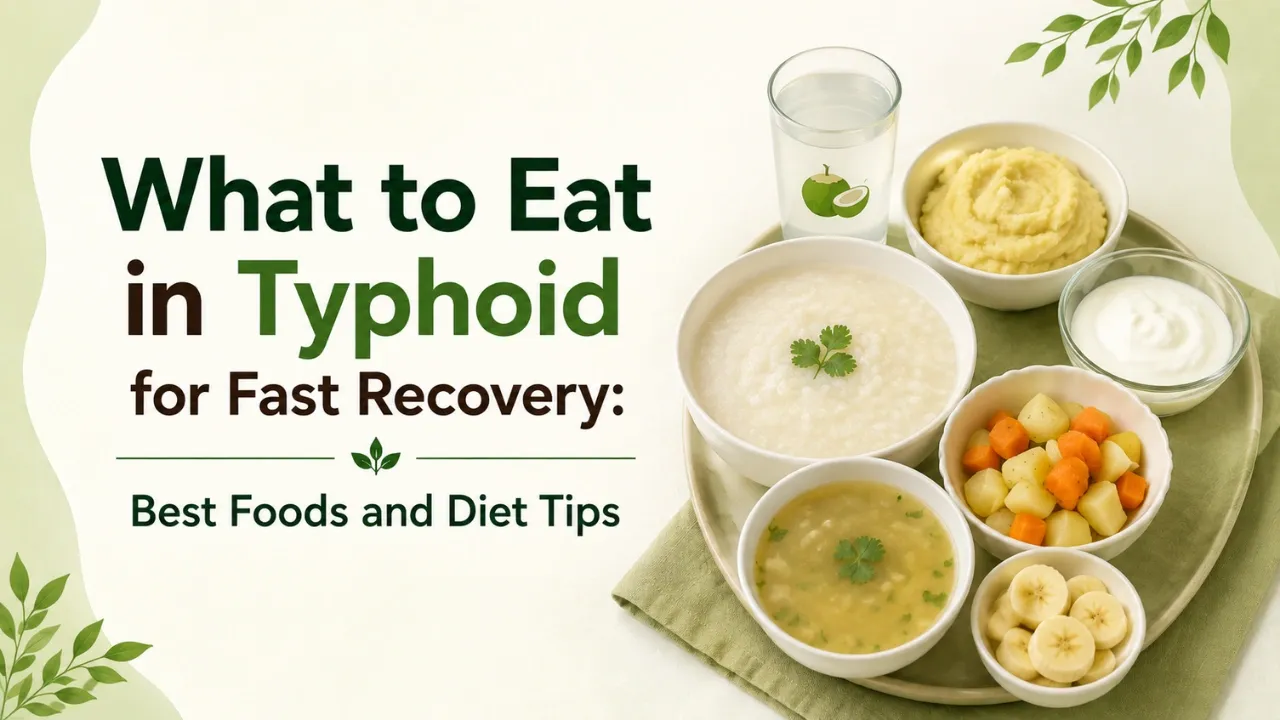
- Choose soft foods such as khichdi, rice, curd, banana, boiled vegetables, and clear soups.
- Stay hydrated with ORS, coconut water, and rice water.
- Avoid spicy, fried, high-fibre, raw, and packaged foods during recovery.
- Gradually return to a normal diet as symptoms improve.
- Follow your prescribed antibiotic treatment alongside the diet.
During typhoid fever, eating the right foods can significantly reduce recovery time and prevent complications. The typhoid diet focuses on soft, easily digestible, nutrient-dense foods that support the immune system, protect the inflamed gut, and restore lost energy — without putting stress on the digestive tract. Most adults with typhoid can begin transitioning to a near-normal diet within 3–4 weeks of antibiotic treatment, provided dietary choices are managed carefully throughout recovery.
Reviewed by the Nutrition and Internal Medicine Team at Mool Health.
What Is the Typhoid Diet and Why Does It Matter for Fast Recovery?
The typhoid diet is a structured eating plan used during and after a Salmonella typhi infection to support intestinal healing, maintain hydration, and rebuild immune function. Typhoid fever inflames the small intestine and can cause ulceration of the gut lining — making food choices a direct factor in how quickly a person recovers.
According to the clinical nutrition team at Mool Health, the typhoid diet is not a single rigid plan. It progresses through phases based on symptom severity, and what a person eats in week one differs substantially from what they eat in week three.
Why the typhoid diet is used:
- Salmonella typhi damages the intestinal wall, making high-fibre and hard-to-digest foods potentially harmful.
- Fever raises the body's metabolic rate by approximately 7% per degree Celsius rise in temperature, increasing caloric and fluid needs.
- Vomiting and diarrhoea — present in up to 30–40% of typhoid cases — cause significant nutrient and electrolyte loss.
- A poorly chosen diet can worsen inflammation, prolong diarrhoea, and increase the risk of intestinal perforation, a life-threatening complication.
Who the typhoid diet applies to:
- Adults and children diagnosed with typhoid fever (confirmed or clinically suspected).
- Individuals in the post-typhoid recovery phase (typically weeks 3–6).
- Caregivers managing a typhoid patient at home.
What Are the Key Benefits of Eating Right During Typhoid?
Eating the right foods during typhoid fever directly accelerates recovery across several biological mechanisms. The Mool Health nutrition team identifies the following as the most clinically significant benefits:
Short-Term Benefits (Week 1–2)
- Gut wall protection: Soft, low-fibre foods reduce mechanical stress on the inflamed intestinal lining, lowering the risk of perforation.
- Reduced fever duration: Adequate caloric intake prevents the body from catabolising muscle tissue for energy, which can prolong systemic stress.
- Electrolyte replacement: Fluids such as ORS (Oral Rehydration Solution), coconut water, and rice water restore sodium and potassium lost through sweating and diarrhoea.
- Prevention of dehydration: Typhoid patients can lose 2–3 litres of fluid per day; consistent fluid intake maintains blood pressure and kidney function.
Long-Term Benefits (Week 3–6)
- Immune system recovery: Zinc, vitamin C, and protein-rich foods rebuild immune cell populations depleted during infection.
- Strength restoration: Gradual reintroduction of proteins and complex carbohydrates rebuilds lean muscle mass lost during fever.
- Prevention of relapse: An estimated 5–10% of typhoid cases relapse within 2–3 weeks of initial recovery, often triggered by premature return to a normal diet.
| Benefit | Mechanism | Timeline |
|---|---|---|
| Gut protection | Reduced mechanical stress on intestinal lining | Week 1–2 |
| Hydration maintenance | Fluid and electrolyte replacement | Ongoing |
| Immune recovery | Zinc, vitamin C, and protein intake | Week 2–4 |
| Strength restoration | Protein and carbohydrate reintroduction | Week 3–6 |
| Relapse prevention | Gradual dietary progression | Week 4–8 |
What to Eat in Typhoid for Fast Recovery: Phase-by-Phase Breakdown
The typhoid diet is most effective when structured in phases. Mool Health's internal medicine team recommends a three-phase approach based on symptom progression.
Phase 1: Acute Phase (Days 1–7, High Fever)
During this phase, the goal is hydration and minimal gut irritation. Solid food is often difficult to tolerate.
Recommended foods:
- ORS (Oral Rehydration Solution): Replaces sodium and potassium lost through fever and diarrhoea; consume 200–250 ml after every loose stool.
- Coconut water: Natural source of electrolytes; typically well-tolerated and gentle on the stomach.
- Rice water (kanji): Easy to digest; provides light carbohydrates without stressing the gut.
- Clear broths (vegetable or chicken): Provide sodium, fluids, and minimal protein.
- Fruit juices (strained, no pulp): Apple juice or mosambi (sweet lime) juice offer vitamin C and quick-energy sugars.
- Glucose water or barley water: Easy-to-absorb energy sources during high-fever periods.
Foods to strictly avoid in Phase 1:
- All solid foods until fever begins to reduce.
- High-fibre fruits and vegetables.
- Dairy (except small amounts of curd if tolerated).
- Fried or spicy foods.
Phase 2: Sub-Acute Phase (Days 7–14, Fever Reducing)
As fever subsides, introduce soft solids gradually. The gut is still healing, so foods must remain easy to digest.
Recommended foods:
- Khichdi (rice and moong dal): A traditional Indian staple that provides carbohydrates and protein in a soft, easily digestible form; moong dal is low in fibre compared to other legumes.
- Boiled or mashed potatoes: High in potassium and easy to digest; avoid adding spices.
- Soft-cooked rice: Plain or with a small amount of ghee; provides energy without gut stress.
- Curd (plain, unsweetened): Probiotics in curd can support gut microbiome recovery — generally safe in typhoid when consumed in moderate quantities [1].
- Bananas: Soft texture, high in potassium, and contain pectin which can help firm loose stools.
- Boiled eggs (well-cooked): A soft protein source; avoid fried preparations.
- Steamed vegetables: Carrots, bottle gourd (lauki), and pumpkin — all low-fibre and anti-inflammatory.
- Soft idli or upma (made with semolina): Light fermented foods that are easy on digestion.
Phase 3: Convalescence Phase (Weeks 3–6, Regaining Strength)
During recovery, the focus shifts to rebuilding nutrition, immunity, and strength. Mool Health recommends a gradual, monitored reintroduction of normal foods.
Recommended foods:
- Paneer (cottage cheese): A soft, high-protein food that supports muscle recovery.
- Boiled or poached chicken/fish: Lean protein for immune and muscle rebuilding; chicken soup is particularly beneficial.
- Whole-grain soft chapati (no added ghee in excess): Introduces moderate fibre gently; can typically be reintroduced in week 3–4.
- Lentil soups (dal): Iron, protein, and zinc to rebuild immunity.
- Papaya: Enzyme-rich fruit that supports digestion; soft and easy to eat.
- Pomegranate: Anti-inflammatory polyphenols; clinically observed to support gut recovery [2].
- Stewed apples: Pectin content supports gut lining repair.
What to Eat in Typhoid for Fast Recovery: Fruits That Help
Fruits are a valuable part of the typhoid diet because they provide vitamins, natural sugars for energy, and antioxidants that support immune recovery — but fruit choice matters. Mool Health recommends prioritising low-fibre, soft, and easy-to-digest fruits.
Best fruits to eat during typhoid:
| Fruit | Key Benefit | Phase to Introduce |
|---|---|---|
| Banana | High potassium, firms stools, soft texture | Phase 2 (Day 7+) |
| Mosambi (sweet lime) juice | Vitamin C, hydration, light on gut | Phase 1 (strained) |
| Papaya | Digestive enzymes, anti-inflammatory | Phase 2–3 |
| Pomegranate | Polyphenols, anti-inflammatory, iron | Phase 3 |
| Stewed apple | Pectin for gut lining repair | Phase 2 |
| Watermelon | 92% water content, hydration support | Phase 2 |
| Coconut water | Natural electrolytes (potassium, sodium) | Phase 1 |
Fruits to avoid during typhoid:
- Raw pineapple (acidic, irritates gut lining).
- Citrus fruits in excess (lemon, orange — high acidity in acute phase).
- Guava (high fibre, seeds can irritate gut).
- Whole grapes with seeds.
- Raw mangoes.
What to Eat in Typhoid for Fast Recovery for Kids: Age-Specific Guidance
Children with typhoid require the same dietary principles as adults — gentle, hydrating, easily digestible foods — but with age-specific considerations. According to Mool Health's paediatric nutrition guidelines, children are at higher risk of dehydration and nutritional deficiency during typhoid because of their lower body reserves.
For infants still breastfeeding:
- Continue breastfeeding on demand — breast milk provides antibodies and hydration simultaneously.
- Do not stop breastfeeding during typhoid; it is one of the most protective measures available.
For toddlers (1–3 years):
- ORS is the priority fluid; avoid fruit juices with added sugar.
- Soft khichdi, mashed banana, curd, and boiled carrot puree are appropriate.
- Reintroduce normal weaning foods only once fever has been absent for 48 hours.
For school-age children (4–12 years):
- Follow the same three-phase approach as adults, adjusted for portion size.
- Plain rice, dal soup, boiled eggs, soft idli, banana, and curd are suitable from Phase 2.
- Avoid spicy food, raw vegetables, street food, and packaged snacks throughout recovery.
- Children need approximately 1.5–2 litres of fluid per day during fever; monitor urine output to assess hydration.
Common mistakes caregivers make with children:
- Forcing solid foods too early, before fever subsides.
- Offering packaged fruit juices (high sugar, low nutrition).
- Withholding curd due to misconception that it worsens diarrhoea — plain curd with probiotics is generally beneficial.
- Returning to a normal school canteen diet as soon as the child "seems better."
What Not to Eat in Typhoid for Fast Recovery: Foods to Avoid
Knowing what not to eat in typhoid is as important as knowing what to eat. Certain foods can worsen inflammation, trigger diarrhoea, and increase the risk of intestinal complications.
Foods to strictly avoid throughout typhoid recovery:
- Fried and oily foods: Difficult to digest; can worsen nausea and diarrhoea; include pakoras, samosas, puri, and deep-fried snacks.
- High-fibre raw vegetables: Cabbage, cauliflower, radish, raw spinach, and broccoli require significant digestive effort and may cause bloating and cramping.
- Spicy foods: Chilli, pepper, and spice blends irritate the gut lining directly.
- Whole legumes and beans: Rajma, chhole, whole moong (uncooked), and kidney beans are high in fibre and gas-producing; can worsen abdominal discomfort.
- Processed and packaged foods: High in sodium, preservatives, and artificial additives; impair immune recovery.
- Carbonated drinks: Gas-producing; can cause intestinal distension, which is dangerous in typhoid.
- Alcohol: Severely immunosuppressive; absolutely contraindicated during typhoid treatment.
- Raw street food and salads: High contamination risk; typhoid is primarily spread through contaminated food and water [3].
- High-fat dairy: Cream, butter in excess, full-fat cheese — difficult to digest during acute illness.
- Refined sugar in excess: Suppresses immune function; found in sweets, mithai, and sugary beverages.
How Does the Typhoid Diet Work: The Mechanism Behind Food Choices
The typhoid diet works because it aligns food choices with the physiological state of the gut during a Salmonella typhi infection.
Step-by-step mechanism:
- Salmonella typhi colonises the small intestine: The bacteria penetrate the intestinal wall, causing inflammation (enteritis) and potentially ulceration of Peyer's patches — lymphoid tissue in the gut.
- Inflammation raises metabolic demands: The body requires more calories and protein to sustain immune response. Simultaneously, the inflamed gut has reduced capacity to absorb nutrients efficiently.
- Soft, low-fibre foods reduce mechanical stress: Rough or fibrous foods require greater muscular activity from the intestinal wall to move through. In an inflamed gut, this can cause bleeding, perforation, or increased diarrhoea.
- High fluid intake prevents dehydration and maintains circulation: Fever increases insensible fluid loss; diarrhoea increases direct fluid loss. Maintaining plasma volume is essential for organ function.
- Probiotics (from curd) may stabilise the gut microbiome: Typhoid and its antibiotic treatment both disrupt the normal gut flora. Lactobacillus species in curd can partially counteract this disruption.
- Progressive protein and micronutrient reintroduction rebuilds immunity: Zinc, iron, and vitamin C are directly required for the production of white blood cells and antibody response. These are reintroduced in Phase 2 and Phase 3 of the typhoid diet.
- Gradual dietary normalisation prevents relapse: Returning to a full normal diet too quickly stresses a gut that is still healing, potentially triggering a secondary inflammatory response.
How to Start the Typhoid Diet: A Step-by-Step Setup Guide
Mool Health recommends the following structured approach to starting the typhoid diet from Day 1 of diagnosis.
- Confirm the diagnosis and begin antibiotics: The typhoid diet supports treatment — it does not replace it. Ensure a confirmed diagnosis (Widal test, blood culture, or typhoid rapid antigen test) before beginning a structured dietary intervention.
- Prioritise fluids immediately: Begin ORS, coconut water, rice water, and clear broths from the first day. Target a minimum of 2.5–3 litres of fluid daily for adults; 1.5–2 litres for children aged 5–12.
- Introduce Phase 1 foods only (Days 1–7): Limit food intake to liquids and semi-liquids: broths, fruit juices (strained), glucose water, barley water. Do not attempt to eat solid food while fever is above 38.5°C.
- Shift to Phase 2 foods when fever reduces below 38°C (typically Day 7–10): Introduce khichdi, soft rice, boiled potatoes, banana, and curd. Eat small amounts — 4–6 small meals per day — rather than 2–3 large meals. Small, frequent meals reduce gut workload.
- Monitor stool frequency and consistency daily: If diarrhoea worsens after introducing a new food, withdraw that food and wait 2–3 days before trying again. Loose stools should progressively decrease by Day 10–14.
- Begin Phase 3 reintroduction at Week 3: Add boiled chicken or fish, paneer, soft chapati, dal, and stewed fruits. Continue to avoid fried, spicy, and raw foods.
- Full dietary normalisation by Week 6–8: Most patients can return to a near-normal diet by week 6–8, provided there is no relapse and blood tests confirm resolution of infection.
Common Mistakes to Avoid
- Eating solid food during the high-fever phase (Days 1–5).
- Drinking packaged fruit juices instead of freshly squeezed or coconut water.
- Stopping the typhoid treatment or antibiotic course without medical advice.
What This Means for You
The right diet can support recovery during typhoid by keeping the body hydrated, providing easily digestible energy, protecting the recovering digestive tract, and gradually rebuilding strength.
Here is what you can do next:
- Prioritise fluids such as ORS, coconut water, rice water, and clear broths.
- Choose soft, easily digestible foods as your symptoms improve.
- Introduce protein and more varied foods gradually during the recovery phase.
- Avoid fried, spicy, raw, high-fibre, and heavily processed foods while your gut is recovering.
- Complete your prescribed antibiotic course and follow your doctor's instructions.
- Seek medical care promptly if symptoms become severe or do not improve.
The goal is not to follow an unnecessarily restrictive diet for longer than needed. The goal is to provide gentle nutrition during the acute phase and gradually return to a balanced, normal diet as recovery progresses.
Mool's Perspective
At Mool Health, we believe recovery from typhoid is supported by three essentials: appropriate medical treatment, adequate hydration, and a gradual return to nourishing foods.
The goal of a typhoid diet is not to follow a rigid food list or replace antibiotic treatment. Instead, food choices should match the stage of recovery and the person's tolerance. During the acute phase, softer and easier-to-digest foods and adequate fluids can help support comfort and hydration. As fever and digestive symptoms improve, protein, carbohydrates, and other nutrient-rich foods can be introduced progressively to help restore strength.
Individual needs can vary, especially for children, older adults, or people experiencing persistent vomiting, diarrhoea, dehydration, or other complications. When symptoms are severe or recovery is not progressing as expected, medical assessment should take priority over dietary experimentation.
Conclusion
Knowing what to eat in typhoid for fast recovery can help support hydration, energy levels, gut comfort, and nutritional recovery. Soft foods such as khichdi, rice, curd, banana, boiled vegetables, clear soups, and gradually reintroduced protein sources can form an important part of the recovery diet.
The typhoid diet should progress according to symptoms rather than following one rigid meal plan. During the acute phase, hydration and easily tolerated foods are the priority. As fever reduces, soft solids can be introduced, followed by a gradual return to a more complete diet during convalescence.
Diet should always be used alongside appropriate medical treatment. Typhoid fever can cause serious complications, so persistent fever, severe abdominal pain, vomiting, blood in the stool, signs of dehydration, or worsening symptoms require prompt medical attention.
This content is for educational purposes only and should not replace professional medical advice, diagnosis, or treatment. Consult a qualified healthcare professional for personalized guidance, especially if symptoms are severe or persistent.
Key Takeaways
A practical guide to what to eat during typhoid, covering hydration, easy-to-digest foods, fruits, foods to avoid, phase-wise recovery, and tips for children.
Your gut is unique your healing should be too.

Disclaimer
The content provided by Mool Health is for educational and informational purposes only and should not be considered a substitute for professional medical advice, diagnosis, or treatment.