
Stomach Infection: Symptoms, Causes, Treatment, and Remedies
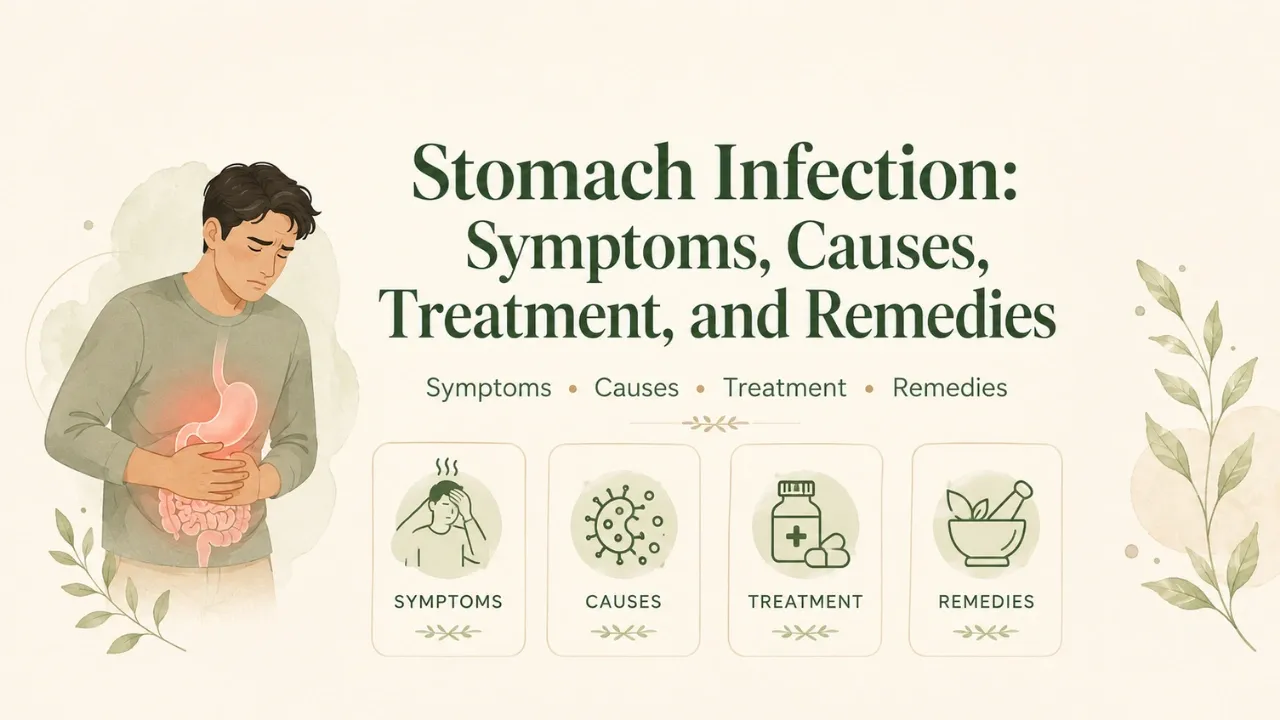
This blog on Stomach Infection covers common symptoms, causes, treatment options, home remedies, and how to manage digestive discomfort.
Quick Answer
A stomach infection, either viral or bacterial gastroenteritis, causes acute inflammation of the digestive tract. While symptoms typically appear within 1 to 3 days of exposure, most mild cases resolve quickly with proper rest and hydration. However, bacterial and parasitic infections may take longer and sometimes need medical treatment.
How to Identify Stomach Infection Symptoms?
Symptoms often appear suddenly and can last anywhere from a few days to several weeks, depending on the cause. The following table categorises the common systemic and digestive symptoms of a gastrointestinal infection:
| Symptom Category | Symptoms |
|---|---|
| Digestive Symptoms | Watery diarrhoea, nausea, vomiting |
| Abdominal Symptoms | Stomach cramps, abdominal pain, bloating |
| General Symptoms | Fever, fatigue, weakness |
| Appetite Changes | Reduced appetite, difficulty eating |
| Hydration-Related Symptoms | Dry mouth, dizziness, headache |
Experiencing frequent bowel movements can lead to significant fluid loss, which is why hydration becomes an important part of recovery. Because active nausea and vomiting make oral intake challenging, prioritising small, frequent sips is crucial to offset the risk of dehydration.
How Symptoms Differ in Adults vs Children?
While adults and children can experience similar symptoms, younger children are often more vulnerable to dehydration. In adults, symptoms typically include diarrhoea, cramps, nausea, and fatigue. Children may additionally become irritable, unusually sleepy, or less interested in feeding. Parents and caregivers should closely monitor infants and young children for the following clinical signs of dehydration:
- Fewer wet diapers: A noticeable decrease in wet diapers may indicate that your child is not getting enough fluids.
- Dry lips and mouth: Dry, cracked lips and a sticky or dry mouth are common signs of dehydration.
- Sunken eyes: Eyes that appear sunken or less full than usual can be a sign of fluid loss.
- Lack of tears when crying: Crying with little or no tears may suggest that the body is low on fluids.
- Unusual drowsiness: Your child may be harder to wake than usual or seem unresponsive to normal activity.
Because dehydration can develop quickly in infants and young children, parents should monitor symptoms closely.
When to Seek Medical Care for a Stomach Infection?
Most stomach infections improve without medical intervention. However, certain symptoms should never be ignored. Seek prompt medical evaluation if you experience any of the following severe warning signs:
- Blood in the stool: Blood in your stool during a stomach infection can be a sign of a more serious bacterial infection and should be treated as urgent; seek medical care promptly, not just at your next available appointment.
- Persistent vomiting: If you are unable to keep fluids down due to ongoing vomiting, medical attention may be needed to prevent dehydration.
- High fever: A fever above 38.5°C (101.3°F) that persists or worsens may indicate a more serious infection and requires medical evaluation.
- Severe abdominal pain: Intense or worsening stomach pain should not be ignored, especially if it interferes with daily activities.
- Signs of dehydration: Symptoms such as dizziness, dry mouth, dark urine, or extreme thirst may indicate significant fluid loss.
- Diarrhoea lasting more than a few days: Diarrhoea that continues beyond a few days may require medical evaluation to determine the underlying cause.
- Extreme weakness: Feeling unusually weak, disoriented, can be a sign that the infection is affecting your overall health and requires prompt attention.
Prompt medical evaluation can help identify serious infections and prevent complications.
What are the Common Causes of Stomach Infection?
A stomach infection occurs when harmful microorganisms enter the digestive system and trigger inflammation. These microorganisms are usually spread through contaminated food, water, surfaces, or close contact with infected individuals.
The three main causes of infection in the stomach are viruses, bacteria, and parasites.
Viral Infections
Viruses are among the most common causes of gastroenteritis worldwide. Norovirus is the most common cause in adults and older children. Rotavirus is the leading cause of diarrhoea in infants and young children and is preventable by vaccine in most countries.
These infections spread easily in households, schools, offices, cruise ships, and other crowded environments. Viral stomach infections often develop suddenly and can cause diarrhoea, vomiting, nausea, and stomach cramps. Most cases resolve on their own within a few days.
Bacterial Infections
Certain bacteria can infect the digestive tract after consuming contaminated food or water.
Bacterial gastroenteritis is frequently traced back to a few specific pathogens like Salmonella, Escherichia coli (E. coli), Campylobacter, and Shigella.
Bacterial infections may produce more severe symptoms than viral infections. In some cases, they can cause high fever, severe diarrhoea, or bloody stools.
Undercooked meat, unpasteurised dairy products, contaminated produce, and unsafe drinking water are common sources of bacterial infection.
Parasitic Infections
Parasites are less common but can still cause significant digestive symptoms. A few examples include: Giardia, Cryptosporidium, and Entamoeba histolytica.
Parasitic infections often spread through contaminated water and may cause prolonged diarrhoea, bloating, abdominal discomfort, and weight loss, which may occur in longer-lasting parasitic infections but is not typical in the early stages. Unlike many viral infections, parasitic infections often require specific medical treatment.
Risk Factors of Stomach Infection
Anyone can develop a stomach infection, but some factors increase the likelihood.
| Risk Factors | Risk Caused |
|---|---|
| Poor hand hygiene | Spreads germs into the digestive system. |
| Consuming contaminated food | Increases the risk of foodborne infections. |
| Drinking unsafe water | Exposes the body to harmful pathogens. |
| Travelling to areas with poor sanitation | Raises the risk of infection from contaminated sources. |
| Weakened immune function | This includes older adults, young children, people with diabetes, or those on long-term medication that affects the immune system. |
| Close contact with infected individuals | Increases the spread of contagious infections. |
Simple preventive measures such as handwashing and safe food handling can significantly reduce the risk of infection.
How Is a Stomach Infection Diagnosed?
Many mild stomach infections can be identified based on symptoms alone. However, when symptoms are severe, persistent, or unusual, further testing may be necessary. A healthcare provider may ask about:
- Recent travel: Travel history can help identify exposure to region-specific infections or contaminated food and water sources.
- Foods eaten before symptoms started: Recent meals may help pinpoint a potential source of foodborne illness.
- Contact with sick individuals: Exposure to someone with similar symptoms can suggest a contagious infection.
- Duration and severity of symptoms: The pattern and intensity of symptoms can help determine the likely cause and whether further testing is needed.
In some situations, additional tests may be recommended. These may include:
- Stool tests to identify bacteria, viruses, or parasites
- Blood tests to assess infection and dehydration
- Tests to rule out other digestive conditions
Diagnosis becomes particularly important when symptoms are severe or fail to improve as expected.
Effective Treatment for Stomach Infection
The primary goal of stomach infection treatment is to prevent dehydration and support recovery while the body clears the infection. Most people recover with supportive care and do not require aggressive treatment.
Hydration and Electrolyte Replacement
- One of the most important aspects of treatment is replacing lost fluids. Diarrhoea and vomiting can quickly deplete water and essential electrolytes such as sodium and potassium. Several targeted fluid options can help replace lost water and critical minerals during recovery:
- Water: Helps replace fluids lost through diarrhoea, vomiting, and sweating.
- Oral Rehydration Solutions (ORS): Replenish both fluids and essential electrolytes lost during a stomach infection.
- Coconut water: Coconut water can help with general hydration and provides some potassium, but it should not replace oral rehydration solutions (ORS) when diarrhoea or vomiting is significant.
- Clear broths: Help maintain hydration while supplying small amounts of minerals and nutrients.
Taking small, frequent sips is often easier than drinking large amounts at once, particularly when nausea is present.
How Most Stomach Infections Are Treated?
Rest and recovery help your immune system work hard to fight infection. Adequate rest allows your body to focus its energy on recovery. Most people benefit from:
- Getting enough sleep: Adequate rest allows the body to focus its energy on fighting the infection and recovering.
- Limiting strenuous activity: Reducing physical exertion helps conserve energy and prevents further fluid loss.
- Eating light meals as tolerated: Bland, easy-to-digest foods can provide nourishment without irritating the stomach.
- Staying hydrated throughout the day: Regular fluid intake helps replace lost fluids and supports normal body functions during recovery.
Recovery may take several days even after symptoms begin improving.
Medical Treatments for Severe Cases of Stomach Infection
When symptoms become severe, dehydration develops, or the infection does not improve after several days, medical treatment is required.
A doctor recommends intravenous (IV) fluids if vomiting or diarrhoea makes it difficult to stay hydrated. IV fluids help replace lost water and electrolytes more quickly than drinking fluids alone.
In certain situations, hospital care is necessary. This is more likely to occur in young children, older adults, and people with weakened immune systems who are at a higher risk of complications.
Medical treatment will also be required if the infection is caused by specific bacteria or parasites that need targeted medication. The right treatment depends on the underlying cause, which is why self-diagnosis and self-medication are not recommended.
Antibiotic for Stomach Infection: When Is It Needed?
Many people assume that antibiotics are the standard treatment for every stomach infection, but this is not the case. In fact, most stomach infections are caused by viruses, and antibiotics do not work against viral infections.
Doctors may prescribe an antibiotic for a stomach infection when testing suggests a bacterial cause or when symptoms indicate a more serious bacterial illness. Examples include certain cases of Salmonella, Shigella, or Campylobacter infections.
Taking antibiotics unnecessarily can sometimes do more harm than good. Overuse may contribute to antibiotic resistance and can also disrupt the balance of beneficial bacteria in the gut.
For this reason, antibiotics should only be used when recommended by a healthcare professional. If symptoms are severe or persistent, seeking medical advice is a safer approach than starting antibiotics without a diagnosis. In some bacterial infections, particularly those caused by toxin-producing E. coli, antibiotics may worsen the illness. Always follow a doctor's guidance before starting antibiotic treatment.
Stomach Infection Tablet: Medicines Commonly Used
There is no single stomach infection tablet that treats every case. The medicines used depend on the symptoms and the underlying cause of the infection. Anti-diarrhoeal medicines may help in some cases of non-bloody diarrhoea, but should not be used if there is blood in the stool or suspected bacterial infection. Always check with a doctor first.
Doctors may recommend oral rehydration solutions (ORS) to replace fluids and electrolytes lost through diarrhoea and vomiting. These solutions are often one of the most important parts of recovery. Depending on the symptoms, other medications may include:
| Symptom | Medication Type |
|---|---|
| Fever and body aches | Antipyretics and pain relievers |
| Nausea and vomiting | Antiemetic medications |
| Diarrhoea | Anti-diarrhoeal medicines (when appropriate) |
| Bacterial infections | Prescription antibiotics |
| Parasitic infections | Antiparasitic medications |
Not all medicines are suitable for every person or every type of infection. Some anti-diarrhoeal medicines, for example, may not be recommended in certain bacterial infections. Always follow medical advice before taking medication.
What to Eat for a Stomach Infection?
After a stomach infection, eating normally may feel difficult. Nausea, vomiting, and a reduced appetite can make even small meals seem unappealing. However, once symptoms begin to settle, reintroducing food gradually can help support recovery and restore energy levels. The goal is to choose foods that are gentle on the digestive system and easy to tolerate.
Instead of eating large meals, many people find it easier to have small portions throughout the day. Drinking fluids regularly alongside meals can also help prevent dehydration. As your appetite returns, you can slowly transition back to your normal eating pattern.
Best Food for Stomach Infection
When recovering from a stomach infection, simple and easily digestible foods are often the best choice. These foods are less likely to irritate the digestive system while providing the nutrients your body needs for recovery.
| Food Item | Why It May Help |
|---|---|
| Bananas | Easy to digest and rich in potassium. |
| Rice | Gentle on the stomach and provides energy. |
| Toast | Mild and easy to tolerate. |
| Applesauce | Contains easily digestible carbohydrates. |
| Boiled potatoes | Soft, filling, and easy to digest. |
| Plain crackers | Light and unlikely to upset the stomach. |
| Yoghurt or curd | Help restore gut bacteria disrupted by the infection. |
| Clear soups and broths | Provide fluids and nourishment. |
| Coconut water | Helps replace fluids and electrolytes. |
Foods to Avoid During Recovery from Stomach Infection
Just as some foods may support recovery, others can worsen symptoms or place additional stress on the digestive system. It is often best to avoid fried and greasy foods, spicy meals, highly processed foods, sugary drinks, alcohol, excess caffeine, and carbonated beverages.
These foods and drinks can worsen diarrhoea, upset an already irritated digestive system, or trigger more nausea. The key is to listen to your body and progress at a pace that feels comfortable.
Stomach Infection Home Remedies
Home care plays an important role in helping the body recover from a stomach infection. While home remedies cannot cure every infection, they can support the recovery process and improve comfort. Some commonly recommended stomach infection home remedies include:
- Stay Hydrated: Replacing lost fluids is one of the most important things you can do. Water, oral rehydration solutions, clear broths, and coconut water can all help maintain hydration.
- Get Plenty of Rest: Your body uses energy to fight infection. Rest allows the immune system to focus on recovery and may help reduce feelings of fatigue.
- Eat Small, Frequent Meals: Large meals can sometimes worsen nausea or digestive discomfort. Smaller portions are often easier to tolerate while recovering.
- Try Ginger: Ginger has some clinical evidence supporting its use for nausea. Ginger tea or a small piece of fresh ginger may help ease nausea during a stomach infection for some people.
- Practise Good Hygiene: Stomach infections can spread easily. Washing your hands regularly and disinfecting commonly touched surfaces can help prevent the infection from spreading to others.
While these remedies may support recovery, persistent or severe symptoms should always be assessed by a healthcare professional.
How Long Does a Stomach Infection Last?
The duration of a stomach infection depends largely on its cause.
| Cause | Typical Duration |
|---|---|
| Viral infections | 1-7 days (Norovirus typically 1-3 days; Rotavirus up to 7 days in children) |
| Bacterial infections | 3-10 days, depending on the organism involved. |
| Parasitic infections | May last for weeks without treatment |
Many people begin to feel better within a few days, although fatigue and digestive sensitivity can sometimes linger after other symptoms have resolved. Recovery time may also vary depending on age, overall health, hydration status, and the severity of the infection. If symptoms continue longer than expected or begin to worsen, medical evaluation is recommended.
Can Stomach Infections Be Prevented?
Although not every stomach infection can be prevented, simple hygiene and food safety practices can significantly reduce your risk. Adopting consistent food safety and hygiene habits can significantly reduce your risk of contracting a digestive tract infection:
- Wash your hands with soap and water rather than hand sanitiser alone; some stomach viruses (like Norovirus) are not effectively killed by alcohol-based sanitisers.
- Drink clean, safe water.
- Cook food thoroughly
- Avoid cross-contamination during food preparation
- Wash fruits and vegetables before eating
- Store food at appropriate temperatures
- Avoid food from unreliable sources when travelling
These habits help reduce exposure to harmful viruses, bacteria, and parasites that can cause digestive infections.
Most stomach infections are temporary and improve with proper care. However, prevention remains one of the most effective ways to protect both your digestive health and overall well-being.
Mool Health’s Perspective on Stomach Infection
At Mool Health, we believe that recovery from a stomach infection goes beyond simply managing symptoms. While most infections are temporary, they can place significant stress on the digestive system and temporarily disrupt the balance of your gut microbiome.
The Mool Health Gut Test helps you take proactive steps towards supporting digestive resilience, overall wellness, and long-term health.
Medical Disclaimer
This article is for informational and educational purposes only. It does not replace professional medical advice, diagnosis or treatment. Please consult a qualified healthcare provider immediately if you experience severe abdominal pain, frequent vomiting, blood in your stool, a high fever, or signs of dehydration.
Key Takeaways
This blog on Stomach Infection covers common symptoms, causes, treatment options, home remedies, and how to manage digestive discomfort.
Your gut is unique your healing should be too.

FAQs
Eat bland, easy-to-digest foods such as bananas, rice, toast, applesauce, boiled potatoes, and clear soups. Stay hydrated with water, oral rehydration solutions, and electrolyte-rich fluids.
A stomach infection is an inflammation of the digestive tract caused by viruses, bacteria, or parasites. It commonly causes diarrhoea, nausea, vomiting, stomach cramps, bloating, and sometimes fever.
For most stomach infections caused by viruses, the best approach is staying hydrated, resting, and replacing lost electrolytes. If symptoms are severe, persistent, or involve blood in the stool, medical treatment is needed.
The first signs of a stomach infection often include nausea, stomach cramps, diarrhoea, loss of appetite, and fatigue. Some people may also develop vomiting or fever.
Healing a stomach infection involves resting, maintaining hydration, replacing electrolytes, and gradually eating bland foods. Most infections resolve within days, though severe cases may require medical treatment.
Disclaimer
The content provided by Mool Health is for educational and informational purposes only and should not be considered a substitute for professional medical advice, diagnosis, or treatment.