
Indigestion: Symptoms, Causes, Home Remedies & Treatment Options
Indigestion refers to discomfort in the upper abdomen, often causing bloating, fullness, belching, or nausea. This article covers the symptoms, common causes, home remedies, and treatment options for managing indigestion.
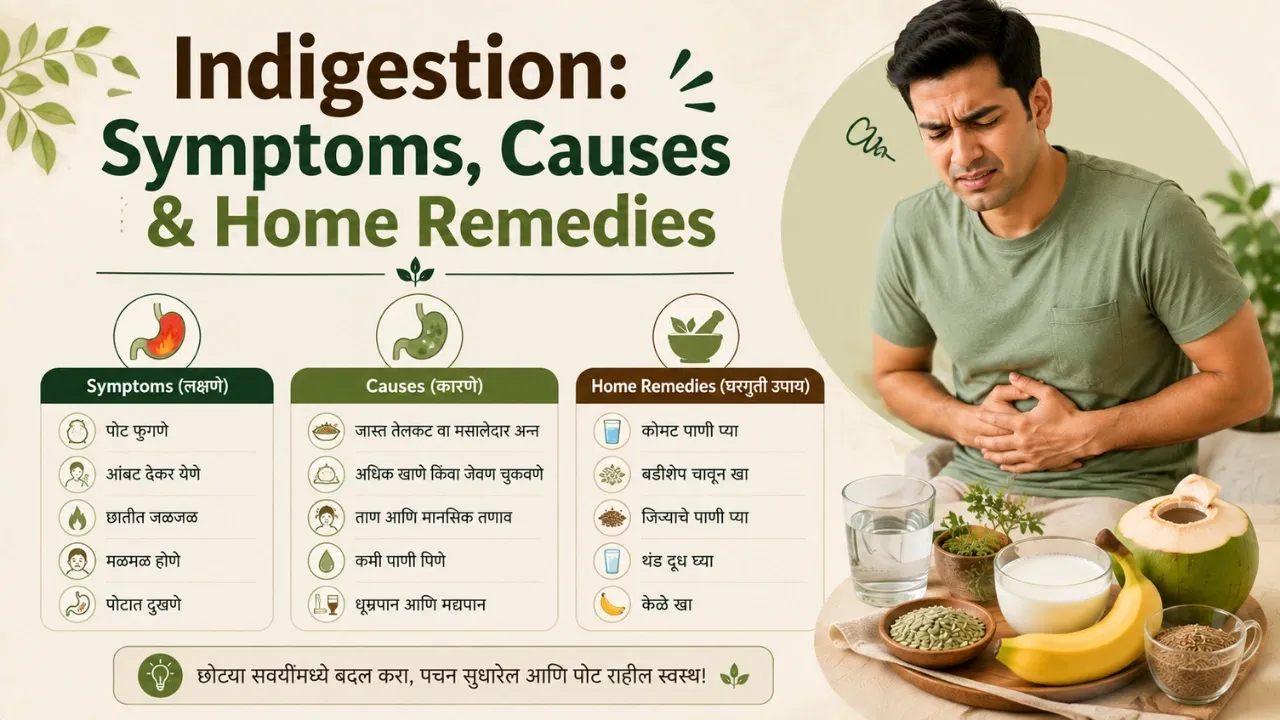
Quick Answer
Indigestion, also known as dyspepsia, is a digestive disorder that causes discomfort or upper abdominal pain. A few symptoms of indigestion include bloating, a burning sensation in the chest, nausea, sour taste in the mouth, and loss of appetite. Indigestion is a stomach uneasiness that is triggered by poor eating habits, stress, gut issues, acidity, or other internal issues. Mild dyspepsia is managed with home remedies and lifestyle changes, but severe indigestion requires immediate expert consultation.
Feeling bloated and uncomfortable is common after having a meal. However, frequent occurrences of such symptoms could mean that you suffer from indigestion. It is not a disease but an ailment related to the digestive system in which a disturbance occurs within the digestive tract. Indigestion is a stomach-related health condition which is commonly mistaken for acidity. This article will explain what is indigestion, its symptoms, causes, treatment, differences between it and acidity and when to see a doctor.
What Is Indigestion?
Indigestion is a digestive issue that causes discomfort in the stomach. In medical terms, this is also called dyspepsia. If you feel heaviness or uneasiness after eating, your food is probably not being digested properly. This causes bloating, nausea, a burning sensation in the oesophagus, and stomachache. Indigestion usually occurs occasionally until you have a certain internal complication.
Symptoms of Indigestion
Symptoms of Indigestion can differ from person to person. Some face a mild discomfort, whereas many people experience severe digestive uneasiness. Indigestion symptoms are mainly noticed after having a meal. Here are some of them you may have noticed when dealing with indigestion.
- Upper abdomen pain and discomfort
- Burning sensation
- Bloating or gas formation
- Nausea and vomiting
- Sour taste
- Loss of Appetite
- Stomach growling and unpleasant feeling
In many cases, indigestion is temporary and lasts only for a few hours. But in some cases, it can last up to days, and that’s when you need to consult your doctor and be diagnosed.
Causes of Indigestion
The main causes of indigestion are either poor lifestyle habits or internal medical issues. The following is a list of reasons why you may be suffering from indigestion.
- Overeating
- Spicy and oily foods
- Eating too fast
- High stress level
- Intoxication (Alcohol & Smoking)
- Medicine side effect
- Digestive disorders like acidity & IBS
- Excess caffeine
If you aren’t doing any of these activities, the cause of indigestion may be internal. You should visit your nearest doctor for a consultation.
Diagnosis, Management & Treatment for Indigestion
Indigestion treatment mainly depends on its causes. If the symptoms are mild, they can be managed by making some lifestyle changes. However, if your indigestion keeps coming back, your doctor may follow this process to identify the cause.
Diagnosis
Your doctor may start by asking about your lifestyle habits and medical history to understand the real reason behind the condition. The doctor can also take certain tests, such as a blood test, physical examination, ultrasound, upper endoscopy, and stool examination.
Management
Management of indigestion starts by making lifestyle changes. It plays a major role in treating and reducing the symptoms effectively. Here are some lifestyle changes you need to follow.
- Take small, frequent meals
- Avoid oily, spicy, and fast food
- Keep yourself hydrated
- Eat your dinner an hour before sleeping
- Manage your stress through yoga and meditation
- Limit or discontinue smoking & alcohol
- Take a walk after every meal
Treatment Options
Your doctor will prescribe medicines based on the severity of your condition. The following medications are commonly prescribed when you have a mild indigestion.
- Antibiotics such as H.pylori or SIBO
- Acid blockers such as Proton pump inhibitors (PPIs)
- Prokinetic agent for better digestion
- Antacids such as Tums or Gaviscon
When to Consult a Doctor for Indigestion?
Generally, indigestion can happen frequently, but if it’s chronic, it can cause severe symptoms. Here’s the list of the indigestion symptoms you shouldn’t ignore and immediately consult your doctor.
- Severe stomach pain
- Difficulty in swallowing food
- Repeatedly vomiting
- Blood in vomit or stool
- Persistent heartburn
- Low appetite than usual
Besides all of these, if your indigestion persists for a week or more, that’s also a warning sign. You should immediately consult your doctor in these conditions.
Home Remedies for Indigestion
Home remedies work for mild indigestion. If you are dealing with one, these traditional methods can work effectively on your symptoms.
1. Ginger tea
Nausea is one of the symptoms that arise due to indigestion. Drinking ginger tea could be helpful in reducing nausea.
2. Warm water
Bloating is another symptom associated with indigestion. You should drink warm water after each meal. It is important to keep in mind that warm water helps ease digestion.
3. Fennel Seeds
Fennel seeds are known to be good for your digestive system. Taking fennel seeds along with warm water will aid in fast digestion.
4. Herbal Tea
Peppermint and chamomile herbal tea contain anti-inflammatory components. These are helpful in eliminating gas and bloating. Additionally, such tea contains elements that calm you.
5. Controlling stress
Stress is the reason behind a number of health conditions, including heart disease and indigestion. Managing stress can be done via various ways, such as meditation and yoga or by interacting with your loved ones.
Try these traditional home remedies to manage dyspepsia. In case the symptoms don’t disappear, you can try over-the-counter medicines, such as antacids, to treat the condition.
Types of Indigestion
Every individual experiences a different type of dyspepsia depending on their triggers. Mainly, there are three types of indigestion: occasional, chronic, and functional.
Occasional Indigestion
The occasional indigestion is caused by an unhealthy diet and lifestyle habits. This includes spicy and oily food, overeating, lack of exercise, and mild acidity. Occasional dyspepsia can be managed through routine changes and over-the-counter medications.
Chronic Indigestion
If your indigestion is frequent and lasts for a week or two, it’s more likely to be chronic dyspepsia. Regular indigestion is a sign of digestive problems that need to be addressed. Not treating before time can cause severe health conditions, such as damaging the digestive tract.
Functional Indigestion
Sometimes you may have indigestion, but nothing gets detected on the test. This condition is called functional indigestion. It is treated with medications and routine transformations.
Difference Between Indigestion and Acidity
Indigestion and acidity are completely different health conditions. Indigestion is a digestive disorder, whereas acidity is one of the major causes of indigestion. Here’s the detailed information on both to make you understand the difference between them.
| Indigestion | Acidity |
|---|---|
| It is caused by stress, acidity, caffeine, and an unhealthy lifestyle | It is caused when acid reflux or stomach content flows back to the oesophagus |
| Bloating and heaviness are common dyspepsia symptoms | A burning sensation around the chest area is a common symptom |
| It contains multiple digestive issues, such as bloating, nausea, stomach pain, and sore throat | It contains health issues such as heartburn, sore throat, and stomach pain |
| A stressful timeline can slow down the digestive system, causing discomfort | A stressful timeline can increase acid reflux and worsen acidity |
| Indigestion may or may not have heartburn symptoms | Heartburn is the main symptom of acidity |
Mool Health Perspective on Indigestion
Quick fixes aren’t the real solution to fix indigestion. When it comes to your health, seeking a long-term solution is the smart choice. Indigestion is caused by poor eating habits, stress, and disturbances in gut health. Medicines can manage this condition effectively, but if you have a mild one, identifying the root causes is crucial. You can take the Mool Health Gut test to know what causes your indigestion frequently. Mool Health’s aim is to take root-cause-based wellness approaches that also manage overall gut health and improve digestive discomfort.
Now you know what is indigestion along with its symptoms, causes, and what you can do to address the condition. While mild indigestion can be managed by making some dietary and lifestyle changes, severe cases need a doctor’s consultation immediately. Along with all of these, prevention tips are equally important. Avoid foods that can cause you regular indigestion.
Key Takeaways
Indigestion refers to discomfort in the upper abdomen, often causing bloating, fullness, belching, or nausea. This article covers the symptoms, common causes, home remedies, and treatment options for managing indigestion.
Your gut is unique your healing should be too.

FAQs
Indigestion is caused by irregular eating habits, such as overeating or eating too fast. It can also be triggered by stress, spicy foods, digestive disorders and intoxication.
Some of the common symptoms include bloating, acidity, nausea, frequent burps, stomach heaviness and upper abdominal pain.
If indigestion is mild, you can eliminate it with ginger and chamomile herbal tea. In case of severe indigestion, you should consult your doctor instead of following traditional remedies.
No. Acidity is one of the major symptoms of indigestion, but indigestion is a digestive disorder that is caused by a disturbance in the stomach.
It is mostly caused by lifestyle choices, but conditions such as obesity, anxiety, pregnancy, and stomach ulcers can also cause indigestion.
Indigestion lasts for a few hours, but it can persist for a week if you have a severe digestive issue. In case of a severe digestive problem, seek professional help before the condition worsens.
Ginger tea, peppermint tea, chamomile tea, and fennel seeds are great sources of calming agents that help reduce indigestion symptoms.
Irregular indigestion isn’t serious, but if you have chronic indigestion, it can be caused by a severe health condition. A health test or a doctor's examination will help understand the root cause.
Eating slowly, drinking warm water after meals, and moving your body are the simple home remedies you can follow to relieve indigestion. You can also try herbal tea to soothe the condition.
There are certain habits that can be a risk factor for your health and worsen the condition. This includes eating unhealthy foods, smoking, drinking alcohol, obesity, excessive stress, and lack of bodily movement.
Disclaimer
The content provided by Mool Health is for educational and informational purposes only and should not be considered a substitute for professional medical advice, diagnosis, or treatment.