
Can Constipation Cause Headaches? The Gut–Brain Link Explained
Constipation can trigger headaches through the gut-brain connection, dehydration, and digestive imbalance. Learn the causes, symptoms, and ways to support better gut health naturally.
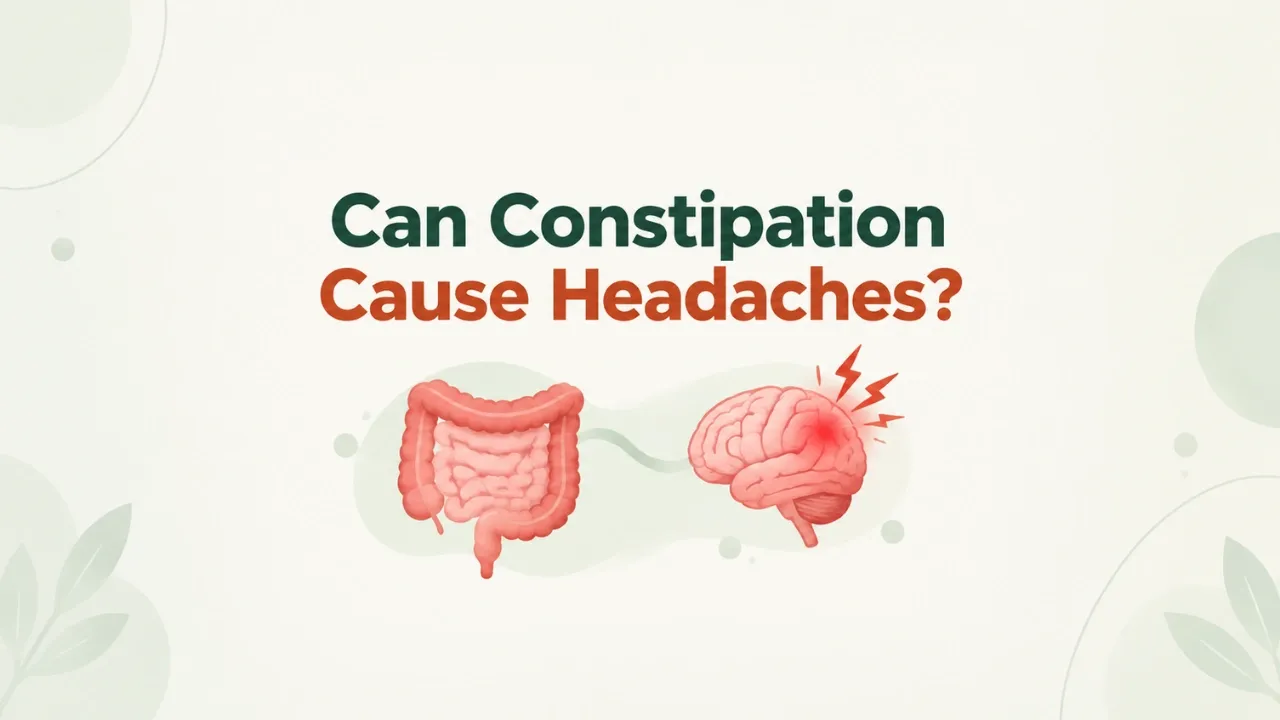
Quick Answer
Yes — constipation can cause headaches. When stool builds up in the colon, it triggers stress signals through the gut–brain axis, disrupts serotonin balance, and can worsen dehydration — all of which contribute to dull, pressure-type headaches. The headache typically eases once bowel movement is achieved.
If you have ever gone a few days without a proper bowel movement and then developed a dull, heavy headache, you are not imagining things. Many people quietly struggle with this combination. The discomfort in the stomach, bloating, irritability, and pressure in the head can make the whole day feel exhausting. In India, where digestion issues are common due to irregular meals, low fibre intake, dehydration, and stress, the link between constipation and headache is especially relevant.
The connection lies in how closely your gut and brain talk to each other. Constipation is not just a local problem of the intestines. It can affect your nervous system, hormones, hydration status, and even how toxins are handled in the body. This gut–brain link helps explain why a blocked bowel can trigger pain in the head.
What exactly is constipation from a medical point of view?
Constipation usually means having fewer than three bowel movements in a week, hard or dry stools, straining during motion, or a feeling that the bowels are not fully empty. For some people, stools may come daily but still feel incomplete or uncomfortable.
Medically, constipation can be:
- Functional (related to diet, lifestyle, stress)
- Related to slow gut movement
- Caused by dehydration or low fibre
- Worsened by medications, hormonal changes, or lack of physical activity
When stools stay in the colon for too long, they become harder and more difficult to pass. This delay sets off a chain of effects that can reach far beyond the gut.
Can Constipation Cause Headaches? The Biological Pathways
The idea that constipation causes headache may sound strange at first, but there are several biological pathways that connect the two.
Pressure and nerve signalling from the gut
Your gut has its own nervous system, often called the enteric nervous system. It constantly sends signals to the brain through the vagus nerve and other pathways. When stool builds up, the colon stretches. This distension can activate pain pathways and stress signals that reach the brain, contributing to a headache.
In simple terms, a blocked gut sends distress messages to the head.
The gut–brain link and chemical messengers
The gut and brain communicate using neurotransmitters like serotonin. Around 90% of the body's serotonin is produced in the gut. Constipation can disrupt this balance, leading to altered pain perception, low mood, and headaches.
This gut–brain link is why digestive problems are often associated with migraines, tension headaches, and a feeling of heaviness in the head.
Toxins buildup and systemic effects
When bowel movements are delayed, waste products remain in the colon longer than they should. While the term "toxins buildup" is often used loosely, there is some truth in the idea that prolonged stool retention can increase the reabsorption of certain waste substances.
This can:
- Increase inflammation in the body
- Affect blood vessels
- Trigger headaches in sensitive individuals
People often describe these headaches as dull, foggy, or pressure-like rather than sharp pain.
Does Constipation Cause Headaches Through Dehydration?
Yes, dehydration is one of the strongest common links between constipation and headache.
Water is essential for:
- Softening stool
- Supporting gut movement
- Maintaining blood volume and circulation to the brain
When you do not drink enough fluids, the colon absorbs more water from the stool, making it hard and dry. At the same time, dehydration can directly cause headaches due to reduced blood flow to the brain.
This is why increasing water intake sometimes improves both constipation and headache together.
Common signs dehydration may be involved
| Sign | What it may indicate |
|---|---|
| Dark yellow urine | Low fluid intake |
| Dry mouth or lips | Dehydration |
| Hard stools | Colon absorbing excess water |
| Headache with fatigue | Reduced brain hydration |
Can constipation causes headache through liver and gut effects?
From a traditional and modern perspective, the liver plays a role in detoxification and metabolism. When digestion is slow and bowel movements are irregular, the liver may have to process more waste products circulating in the blood.
This does not mean the liver is failing, but the extra load can contribute to:
- A feeling of heaviness in the head
- Nausea or poor appetite
- Headaches linked to sluggish digestion
Digestive problems connected to constipation often overlap with symptoms like bloating and abdominal discomfort.
What role does the gut microbiome play?
Your gut is home to trillions of bacteria that help digest food, produce vitamins, and regulate inflammation. Constipation can alter this microbiome balance.
An unhealthy microbiome may:
- Produce more gas and inflammatory compounds
- Slow gut movement further
- Send stress signals to the brain
Research on the gut–brain link shows that changes in gut bacteria can influence headaches, mood, and cognitive clarity. This is one reason why people with chronic constipation often report brain fog along with headache and other digestive symptoms affecting gut health.
Are certain types of headaches more common with constipation?
Constipation is most commonly linked with tension-type headaches and migraines.
Tension-type headaches
These feel like a tight band or pressure around the head. Digestive stress, dehydration, and muscle tension from straining can all contribute.
Migraines
In some people, constipation can act as a trigger for migraines. The reasons include changes in serotonin, inflammation, and gut-brain signalling.
Not everyone with constipation will get headaches, but those with sensitive nervous systems may notice this pattern more clearly.
Constipation and Headache Causes — Lifestyle Factors That Worsen Both
Many daily habits can silently contribute to both problems at the same time.
| Lifestyle factor | Effect on gut | Effect on head |
|---|---|---|
| Skipping meals | Slows digestion | Triggers headaches |
| Low fibre diet | Hard stools | Poor gut-brain balance |
| Long sitting hours | Reduced gut movement | Neck and head tension |
| High stress | Alters gut nerves | Stress headaches |
| Poor sleep | Disrupts bowel rhythm | Morning headaches |
These patterns are also seen in people experiencing slow digestion symptoms.
Why do headaches improve after a bowel movement?
Many people notice that once they finally pass stool, their headache eases within hours. This happens because:
- Pressure in the gut reduces
- Stress signals to the brain decrease
- Blood flow and hydration balance improve
- Inflammatory load reduces slightly
This improvement is a strong clue that the headache was linked to digestive strain rather than a primary brain problem.
When should constipation-related headaches be taken seriously?
While occasional constipation headache is common, you should seek medical advice if:
- Headaches are severe, persistent, or worsening
- There is unexplained weight loss
- Constipation lasts more than 2–3 weeks
- There is blood in stools
- Headaches are associated with vomiting, fever, or vision changes
These signs may point to conditions that need proper medical evaluation.
Why constipation causes headache — and how to support gut health to reduce it
The goal is not a quick fix, but steady support for digestion and the gut–brain link.
Foundational habits that help
- Drink enough water spread through the day
- Eat fibre-rich foods like vegetables, fruits, whole grains, and legumes
- Maintain regular meal times
- Walk daily to stimulate gut movement
- Manage stress through breathing, yoga, or simple routines
- Respond to the urge to pass stool without delay
These steps support digestion, microbiome balance, liver function, and nervous system health together.
The bigger picture: listening to your gut signals
Constipation headache is your body's way of asking for attention to digestion and lifestyle. Instead of ignoring these signals or relying only on temporary relief, understanding the gut–brain connection can help you make more sustainable changes.
When digestive patterns keep repeating, you can begin by understanding your symptoms through the Gut Test.
When the gut moves well, the mind often feels clearer. Supporting regular bowel habits is not just about comfort, but about overall well-being and mental clarity.
Key Takeaways
Constipation can trigger headaches through the gut-brain connection, dehydration, and digestive imbalance. Learn the causes, symptoms, and ways to support better gut health naturally.
Your gut is unique your healing should be too.

Disclaimer
The content provided by Mool Health is for educational and informational purposes only and should not be considered a substitute for professional medical advice, diagnosis, or treatment.