
Is Green Tea Good for Acidity? The Honest Answer Your Gut Needs
Is green tea good for acidity? Green tea may help with acidity for some people but can worsen symptoms for others. Learn how it affects acid reflux, benefits, risks, and the best ways to consume it.
Quick Answer
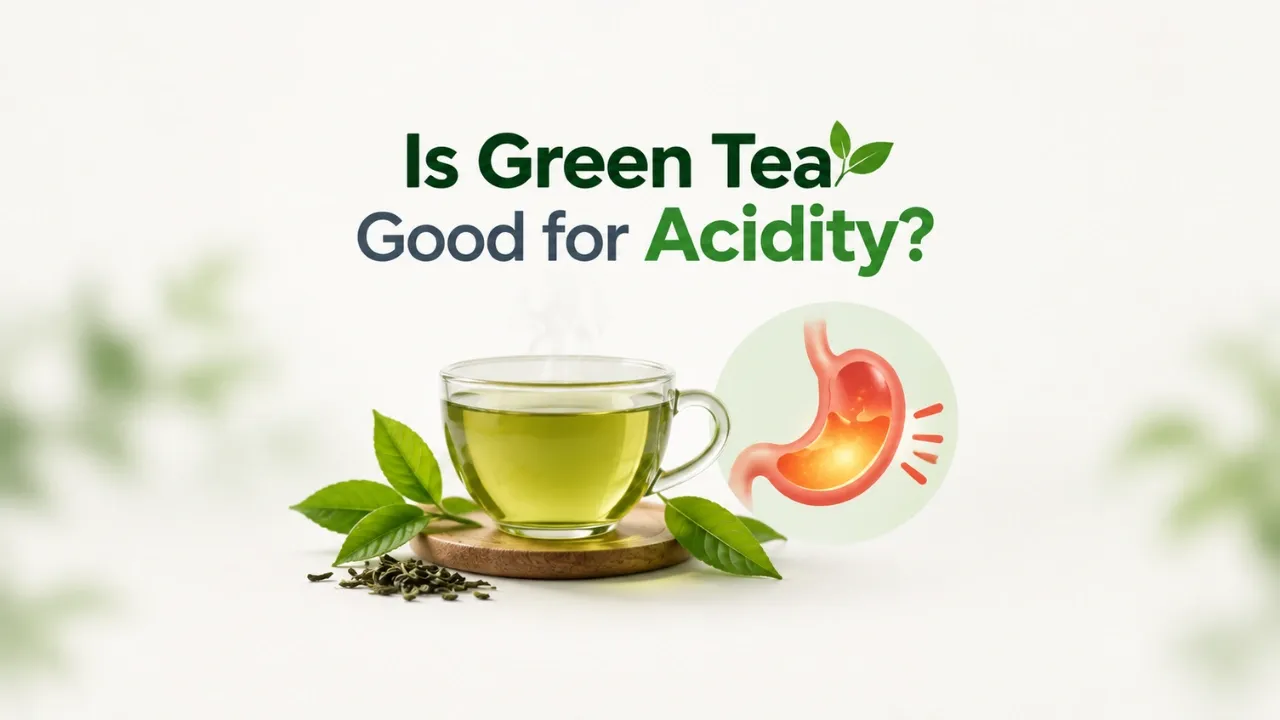
Is green tea good for acidity? And is green tea is good for acidity for everyone? The honest answer: it depends on your gut. Green tea is good for acidity in some people — its L-theanine calms stress-driven flare-ups and antioxidants reduce gut inflammation. For others, caffeine and tannins irritate a sensitive lining and worsen reflux. Is green tea good for acidity and gas? When taken between meals in moderation, it may gently support digestion — but it is not a reliable fix. Is tulsi green tea good for acidity? Tulsi-infused green tea tends to be gentler and more alkalising, making it a better choice for sensitive stomachs.
Green tea is considered a healthy and calming beverage by many, as it is packed with antioxidants and gentle caffeine. Green tea has become a supermarket staple and a must-have menu item at cafés as more people prefer natural ways to support wellbeing and reduce weight.
But when it comes to acid reflux and acidity, you may wonder: Is green tea good for acidity, or does it make things worse?
The truth is that green tea may help some people while making things worse for others. It depends upon gut composition and the nature of the individual.
At Mool Health, we believe that no single tea can 'fix' acid reflux or restore digestive balance if your gut's internal environment is disrupted by stress, imbalances in food, inflammation, or weakened barrier function (the protective outer layer of skin is compromised). Green tea can help your gut or bother it, depending on the condition of your stomach.
What is Green Tea Made of?
Green tea is made from unoxidized tea leaves that are not only tasty, but also support digestion. For those curious about the benefits of green tea for acid reflux, understanding its components can help explain why it sometimes soothes and other times irritates.
Catechins (antioxidant)
Green tea contains significant amounts of catechins, particularly EGCG, which are potent plant antioxidants. They give green tea its slightly sharp, astringent flavor and are a major factor in its "healthy" reputation. Catechins help fight free radicals, reduce inflammation, and have been studied for benefits in heart health, weight management, and skin protection.
L-Theanine (amino acid)
This special amino acid makes green tea different from other caffeinated drinks. L-theanine helps create a soothing but alert state of mind. It balances the stimulating effects of caffeine and has been linked to reduced stress, improved focus, and better sleep quality when combined with mindful caffeine intake.
Tannins
Tannins are natural compounds that add a subtle bitterness and dryness to green tea. While they're not the main player, they do influence taste and can sometimes irritate sensitive stomachs. They also have mild antioxidant and antimicrobial properties, and in moderate amounts, may support digestion and oral health.
Is Green Tea Good for Acidity and Acid Reflux?
This section explores the real question many ask: Is green tea good for acidity, or can it worsen issues depending on your gut health? And more specifically — is green tea good for acid reflux, the condition where acid rises into the oesophagus?
| Situation | Verdict | Notes |
|---|---|---|
| Mild bloating / sluggish gut | Can help | May gently stimulate digestion |
| Stressed digestion | May calm | L-theanine could soothe stress-related acidity |
| Active reflux/ulcers | May aggravate | Tannins and caffeine may irritate the lining further |
When people look for the best tea for acidity relief, green tea often comes up as a common option. While it is often recommended as a natural option for relief, in some cases, it can make things worse instead of better.
Many people also ask, 'Is green tea alkaline or acidic?' The truth is that while green tea has an overall alkaline effect after digestion, it doesn't actually change the stomach's natural acidity.
Mool's Point of View
Green tea might not be the best choice if your mucus lining is already weakened or irritated. While it's not a cure-all, drinking green tea can sometimes offer a gentle, soothing effect. This is especially true if your high acidity is triggered by stress or nervous tension.
Why People Say Green Tea for Acid Reflux Helps
Many people turn to green tea for digestive comfort, and while its effects vary, several natural compounds in the tea explain why it often gets praised for easing acidity and green tea for acid reflux relief.
- Antioxidants Reduce Inflammation — Green tea is packed with catechins, especially EGCG, which act as natural antioxidants. These compounds help calm mild inflammation in the gut and reduce oxidative stress. By soothing irritation, they can ease stomach tension that might otherwise cause bloating, discomfort, or even pain over time.
- L-theanine Helps Quiet Stress — Beyond antioxidants, green tea also provides L-theanine, an amino acid that encourages relaxation without drowsiness. Balancing the effects of caffeine and lowering stress hormones helps calm the mind and body. Since stress is closely linked to acid reflux and flare-ups, this gentle calming effect can indirectly benefit the gut.
- Light and Hydrating — Unlike coffee or strong black tea, green tea is lighter, less acidic, and easier on digestion. Its high water content supports hydration, while its lower caffeine level reduces the jitters or stomach irritation that stronger drinks may cause. For many, it becomes a soothing alternative when heavier beverages are too harsh.
- May Nudge Digestion when Taken Between Meals — When sipped between meals, green tea can stimulate mild enzyme activity and give digestion a smoother rhythm. By helping the stomach process food more gently, it supports better nutrient absorption without being overly stimulating.
In simple terms:
- Anti-inflammatory antioxidants can help ease minor stomach discomfort
- If stress is causing acidity, L-theanine's calming effects might provide some relief. It's gentle on your stomach, i.e., light and hydrating
- Drinking between meals can support gentle digestion without overburdening your system
To truly understand if green tea helps with acidity, it's useful to look at why people say they feel relief from drinking it. Some even compare its effects to those of herbal teas for acid reflux, which are often used to soothe digestion.
Mool Health's Take: Tea ≠ Plan
Green tea often gets praised as a health booster, but really, it's more like a mirror than a cure. It reflects what's happening inside your gut rather than fixing anything. If your digestion is in harmony, drinking green tea might feel refreshing and light. But if your gut lining is fragile or your digestion is out of balance, that same tea can actually make things worse by increasing acidity.
It's similar to coconut water. It can cool one person down, but cause bloating for someone else. Some people find lemon water energizing, while it might trigger heartburn in others.
The key takeaway? Green tea doesn't heal your gut; it simply responds to what's already there. True healing comes from restoring gut balance, not from relying on a single drink or quick fix. Learn more about how to reduce acidity naturally for a more complete approach.
Mool Health Root-Cause View: Why Acidity and Acid Reflux Persist
Acidity refers to the condition of your inner gut environment rather than just what you drink or eat. Green tea might have a minor impact, but your underlying cause is what matters most.
| Root Cause | Green Tea Role | Mool Health's Focus (Root Healing) |
|---|---|---|
| Damaged mucus lining | May worsen | Heal with ghee, gut-protective herbs |
| Aggravated gut motility | Variable | Nerve-gut support, digestive tonics |
| Enzyme deficiency | Mild stimulation | Build digestive enzyme production |
| Vata/Pitta gut imbalance | May trigger Pitta | Personalized Ayurvedic balancing protocol |
Mool Health's Way of Seeing It
Green tea alone doesn't solve acidity because the issues run deeper. They may include a weakened lining, an anxious gut, or an out-of-balance fire (Agni).
At Mool Health, we investigate why your gut keeps reacting. After we rebuild the foundation, which includes your lining, enzymes, and nerve-gut balance, only then can green tea truly help, all while keeping things relaxed and stress-free.
Best Way to Take Green Tea for Acid Reflux (If it Suits You)
Here are some easy ways to improve the benefits of green tea without causing acidity if it feels mild on your stomach.
If green tea feels gentle on your stomach, a few simple habits can help you truly enjoy its benefits without triggering acidity.
- Choose low-caffeine or decaf green tea: This way, you still get antioxidants without the risk of reflux or jittery energy.
- Avoid drinking it on an empty stomach: Green tea can feel harsh first thing in the morning. It's best enjoyed mid-morning or early afternoon.
- Don't pair it with spicy or fried food: Heavy, oily meals combined with green tea may stress digestion. Keep it light and separate.
- Try calming blends: Pairing green tea with soothing herbs like fennel or chamomile can soften its reaction.
- Limit intake to about two cups daily: More isn't always better. Listen to your body and take only two cups of green tea a day, even if it is soothing for you.
Better Alternatives if Green Tea Irritates You
You don't have to completely give up on warm, comforting beverages if green tea makes you uncomfortable. Many milder teas are available that can aid in digestion without producing acidity.
| Herbal Tea | Benefit |
|---|---|
| Chamomile tea | Calms nerves and helps reduce excess acid production |
| Fennel tea | Relieves gas, bloating, and supports smoother digestion |
| Licorice root tea (DGL) | Soothes and repairs the gut lining |
| CCF tea (cumin-coriander-fennel) | A classic Ayurvedic blend that balances digestion and cools acidity |
Green Tea vs Mool Health's Root Healing
When it comes to your digestive health, green tea can provide short-term comfort, but Mool Health's Root Healing approach goes deeper to support lasting wellness.
- Reducing acidity issuses: Green tea may soothe mild discomfort for some people, but its effects aren't consistent. Mool Health's root healing is designed to promote gradual, lasting relief through a structured plan.
- Repairing the gut lining: Green tea does not repair the stomach lining. In contrast, Mool Health's approach actively helps rebuild and protect the gut barrier for long-term resilience.
- Personalization: Green tea is the same for everyone, a one-size-fits-all option. Mool Health's approach is personalized, tailored to your unique gut health needs.
- Supporting the stress-acid connection: Green tea's L-theanine can bring mild calm, but Mool Health's protocol-based methods address stress more deeply, helping break the cycle between stress and acid imbalance.
Final Thoughts: Is Green Tea Good for Acid Reflux?
Green tea isn't the answer to heal persistent acidity, but it can be a gentle digestive aid. If your stomach is already stable, it might provide some mild relief at most. In the worst-case scenario, it can aggravate reflux by irritating an inflamed stomach lining.
Your gut needs more attention if acidity appears on a daily basis. Tea won't restore enzymes, fix a damaged lining, or balance acid flare-ups brought on by stress.
This is where Mool Health can help you identify the underlying cause of acidity and provide guidance on appropriate foods, herbs, and lifestyle changes. Genuine healing comes from within, not from taking haphazard cures. You can take our quick gut test to know where you stand in terms of your digestive health.
So sip smart if green tea suits you, but if you're still asking, is green tea good for acidity? Remember, the answer depends on your gut health, not just the tea itself.
Key Takeaways
Is green tea good for acidity? Green tea may help with acidity for some people but can worsen symptoms for others. Learn how it affects acid reflux, benefits, risks, and the best ways to consume it.
Your gut is unique your healing should be too.

Disclaimer
The content provided by Mool Health is for educational and informational purposes only and should not be considered a substitute for professional medical advice, diagnosis, or treatment.